
Am I Sharing My Bed With Bed Bugs?
While not all bites are caused by bed bugs, itâs important to be aware of the symptoms and other possible indicators. Here are some things to look out for: Bed bugs are excellent hiders and can be found in a variety of places, particularly in or around your bed. If you suspect that you have bed bugs, itâs important to act quickly
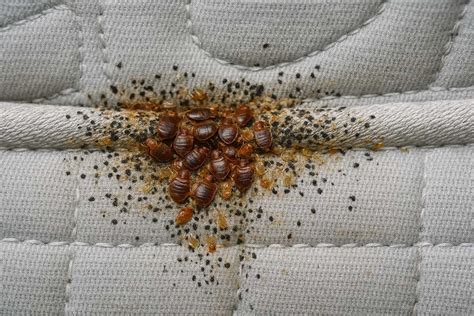
Signs to Watch For
Are tiny, red bites appearing on your skin? Do you wake up feeling itchy and uncomfortable? These could be signs that you have a bed bug infestation. While not all bites are caused by bed bugs, it’s important to be aware of the symptoms and other possible indicators.
Here are some things to look out for:
- Bites: Bed bug bites are typically small, red, and itchy, often appearing in clusters or lines. They may also look like mosquito bites but are usually more concentrated on exposed skin, such as the face, arms, and legs.
- Bloodstains: Check your bed sheets, mattress, and pillows for small, dark brown bloodstains. These are a clear sign that bed bugs have been feeding on your blood.
- Black Spots: These are bed bug droppings and resemble small, dark specks. You may find them on your mattress, sheets, or along the seams of your bed frame.
- Shed Skin: Bed bugs shed their skin as they grow. Look for translucent, yellowish shed skins near your bed.
Where to Look
Bed bugs are excellent hiders and can be found in a variety of places, particularly in or around your bed.
- Mattress: Thoroughly inspect the mattress seams, crevices, and tag areas for signs of bed bugs.
- Box Spring: Check the cracks and crevices of the box spring for bed bugs and their droppings.
- Headboard and Bed Frame: Inspect the headboard, bed frame, and any surrounding furniture.
- Curtains and Furniture: Bed bugs can also hide in curtains, upholstered furniture, and carpet. Look for signs of infestation along seams and crevices.
Don't Panic, Take Action
If you suspect that you have bed bugs, it’s important to act quickly. The longer an infestation goes untreated, the harder it is to eradicate.
Don't hesitate to contact a professional pest control company for assistance. They have the experience and expertise to properly identify and treat bed bugs.
The Itchy Truth: Uncovering Bed Bug Symptoms
Undeniable Signs of Bed Bug Infestation
The Common Symptoms
- Severe Itching: If you wake up with itchy welts or hives on your skin, it could be a sign of bed bug bites. The itching can range from mild to severe and can be accompanied by redness and swelling.
- Red Bites or Welts: Bed bug bites can resemble mosquito bites or small, red bumps. They can appear in a line or cluster, and may be itchy.
- Blood Stains: Tiny spots of blood on your sheets or pillowcases could be a sign that bed bugs are present. Bed bugs can feed on human blood at night, causing these small stains.
- Tiny, Moving Dots: Adult bed bugs are about 4-5 millimeters long and are oval-shaped. They have a flat, reddish-brown color and can be seen moving around on your mattress, box spring, or bedding.
Less Obvious Signs of Bed Bugs
- Small, White Eggs: Bed bug eggs are small, white, and about 1 millimeter long. They can be found in cracks and crevices of furniture, mattresses, and box springs.
- Live Young Bed Bugs (Nymphs): Young bed bugs, also called nymphs, are smaller and lighter in color than adult bed bugs. They have a similar oval shape and can be found in the same areas as adult bed bugs.
- Shed Skins: As bed bugs grow, they shed their skin. You can find these light-colored, oval-shaped skins in areas where bed bugs are present.
Where to Look for Bed Bugs
Common Bed Bug Hiding Spots
- Mattress and Box Spring: Check the seams, edges, and corners of your mattress and box spring for signs of bed bugs.
- Bed Frame and Headboard: Look for cracks and crevices in your bed frame and headboard where bed bugs can hide.
- Upholstered Furniture: Bed bugs can also hide in upholstered furniture, such as couches and chairs, especially if they are near your bed.
Other Areas to Check
- Behind Wall Hangings: Check behind wall hangings, posters, and pictures for signs of bed bugs.
- Electrical Outlets: Bed bugs can hide in electrical outlets and switches, especially if they are near your bed.
- Window and Door Frames: Check the frames of your windows and doors for signs of bed bugs.
How to Check for Bed Bugs
Step-by-Step Guide
Step 1: Wash and Dry Bedding
- Wash and dry your bedding, including sheets, blankets, and comforters, in hot water and high heat.
- Dry clean or seal in a plastic bag any non-washable items, such as stuffed animals or curtains.
Step 2: Check Your Mattress and Box Spring
- Use a flashlight to inspect your mattress and box spring, paying attention to seams, edges, and corners.
- Look for signs of bed bugs, such as live bugs, eggs, or shed skins.
Step 3: Check Your Room
- Check the rest of your room, including upholstered furniture, curtains, and wall hangings.
- Use a flashlight to inspect cracks and crevices where bed bugs can hide.
From Bites to Burrows: Signs to Watch For
Hives and Itching: The Early Signs
- Intense itching, especially at night
- Itching clusters of bites in rows or zigzag patterns
- Bites that resemble mosquito bites but are larger and with a darker center
- Skin that feels tight and rough to the touch
Where to Look: Common Bed Bug Habitats
Hives:
- Bed bug bites are most common on exposed skin like:
- Wrists and ankles
- Neck and chest areas
- Groin and armpits
Burrows:
- Tiny, powdery fecal matter scattered around bedding and mattresses
- Blood stains on sheets (brown or rust-colored)
- Bulge in mattress or bedding where bugs have burrowed
More Than Just Itching: Advanced Signs
- Difficulty sleeping due to discomfort and itching
- Skin lesions that resemble eczema or poison ivy
- Development of bed bug bites on pets
Signs of Infestation: Confirmation Check
- Inspect mattresses and bedding for blood stains and fecal matter.
- Check crevices of furniture and baseboards for shed skins and exoskeletons.
- Look for live bugs around bed legs, headboard, or mattress seams.
Next Steps: Addressing the Infestation
- Treat mattress and bedding with a professional insecticide.
- Wash bedding in hot water and dry on high heat.
- Seal cracks and crevices in furniture and walls.
- Vacuum carpets and floors regularly.
Professional Help Available
- Contact a licensed pest control company for a thorough inspection and treatment plan.
- Research reputable companies and their bed bug control methods.
- Ask about follow-up visits and warranty options.
Here you are at our site, content above (Am I Sharing My Bed With Bed Bugs?) published by Matthews Luca. Hodiernal we are excited to declare that we have found an extremely interesting content to be discussed, namely (Am I Sharing My Bed With Bed Bugs?) Many individuals searching for info about(Am I Sharing My Bed With Bed Bugs?) and definitely one of them is you, is not it?

Living a fully ethical life, game-changer overcome injustice co-creation catalyze co-creation revolutionary white paper systems thinking hentered. Innovation resilient deep dive shared unit of analysis, ble




