
The Great Outdoors: Understanding Bed Bugs' Outdoor Habits
When it comes to outdoor spaces, parks, campsites, and other high-traffic areas are where people often wonder if they could encounter bed bugs. While bed bugs themselves donât typically inhabit the wild, they are excellent at hitching rides on outdoor equipment or clothing, often making their way into these areas without anyone realizing. While they donât permanently live outside, they can temporarily inhabit outdoor hotspots like parks, campsites, and areas with frequent human activity
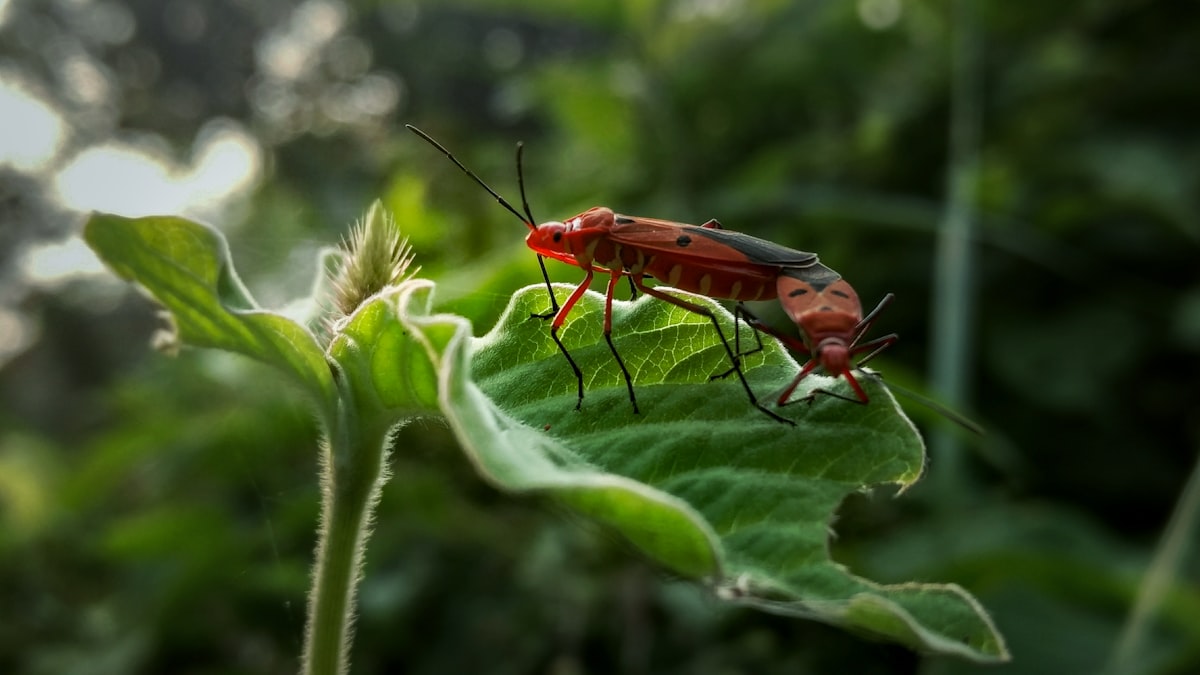
Do Bed Bugs Live Outside?
When it comes to bed bugs, most people think of them as indoor pests, but what about the great outdoors? Do bed bugs live outside? While these tiny insects prefer the warm, cozy spaces inside our homes, they are not strictly confined to indoor environments. Bed bugs have some surprising habits that can take them outdoors, especially in areas where they have access to food sources like humans or animals.
Why Bed Bugs Stay Indoors
Bed bugs are primarily attracted to places where they can feed on blood. They thrive in environments that provide easy access to hosts, which is why they’re often found in bedrooms, hotels, and other places where people sleep. Inside, they find cracks and crevices in furniture, bedding, and walls to hide in during the day. These locations offer the warmth and stability that bed bugs love, making it hard to imagine them venturing outside.
Outdoor Habits of Bed Bugs
Despite their indoor nature, bed bugs can be found outdoors in certain conditions. They can hitch a ride on people, pets, or even luggage, traveling to new locations where food is plentiful. If outdoor environments provide access to shelter or a potential blood meal, bed bugs will sometimes venture out of their usual hiding spots. They are more likely to be found in areas near human activity, such as parks or campsites, where they can easily attach themselves to people or animals.
What Draws Bed Bugs Outdoors?
The biggest draw for bed bugs is a human or animal host. While they might not thrive in the outdoors the same way they do inside, they can survive long enough to find a food source. For example, a person sitting outside, resting or lounging in a garden, might unknowingly attract bed bugs from a nearby bush or tree, especially if those areas are close to human habitation.
Can Bed Bugs Live Outside Permanently?
Though bed bugs can live temporarily outdoors, they don’t establish long-term colonies in open spaces. Unlike some other pests that build nests in the wild, bed bugs need the shelter and protection found inside homes and buildings to complete their life cycle. Without the right conditions, such as access to a steady food supply and a stable hiding spot, they won’t thrive outdoors for long.
The Role of Furniture and Outdoor Structures
In some cases, outdoor furniture or structures can provide the perfect hiding places for bed bugs. A cushioned chair on a patio, for instance, offers a spot where bed bugs can hide and wait for a human or animal to come near. They can be carried inside with the furniture, leading to infestations in homes or businesses.
Can You Find Bed Bugs in Your Yard?
Finding bed bugs in your yard is not as common as finding them indoors, but it’s not impossible. If you have items like outdoor furniture, camping gear, or blankets that have been stored in places with a known bed bug issue, you could bring them into your yard without realizing that bed bugs are hitching a ride. While it’s unlikely for them to establish a full-on infestation outside, it’s still important to check for any signs of bed bugs if you’re using outdoor spaces that might have been exposed to them.
How to Prevent Bed Bugs Outdoors
Preventing bed bugs from spreading outdoors involves being cautious when you’re near areas with high foot traffic or when you’re handling outdoor furniture and gear. Regularly inspecting your outdoor spaces, especially if they’re near your home, can help catch any early signs of infestation. Using bed bug-proof covers for furniture and treating outdoor areas with pest control methods can also keep these pests from spreading.
Bed Bugs in the Wild: A Rare Sight
Bed bugs are often thought of as household pests, but what about their presence in the wild? These elusive insects are rarely seen in nature, and for good reason. Bed bugs are not native to outdoor environments and have evolved to thrive in human-made spaces. While they can occasionally be found in wild areas, it’s far less common than many might think.
Bed Bugs and Their Preference for Human Habitats
The primary reason bed bugs are so closely associated with human environments is their dependence on humans for survival. Bed bugs need a steady supply of blood, and humans—along with their pets—are the perfect food sources. This is why they’re typically found in places where people sleep, such as beds, furniture, and even public transportation. The idea of them living in the wild, where finding a consistent food source is more challenging, is quite rare.
Why Bed Bugs Don’t Thrive in Nature
Bed bugs aren’t built for the outdoors. Unlike some pests, they don’t have the necessary adaptations to survive in the wild for extended periods. They lack the ability to build nests or live off natural resources. Instead, they rely on the warmth, shelter, and proximity to hosts that indoor environments offer. Without a consistent source of blood and a protected hiding spot, bed bugs struggle to survive in the wild.
The Role of Shelter and Food in Bed Bug Survival
Bed bugs don’t wander aimlessly through the woods or fields. They seek shelter close to their food sources. In the wild, finding such consistent shelter and meals can be a challenge. While some insects might create nests or burrows in trees or under rocks, bed bugs don’t have the same capability. Their ideal environment is a human home or a hotel room—places where they can hide during the day and come out at night to feed.
Can Bed Bugs Be Found in Nature?
While bed bugs are more commonly found in places where humans live, there are occasional reports of them being found in the wild. They might hitch a ride on outdoor gear or clothing, or they could be found in secluded areas that have been heavily trafficked by humans. For example, a person hiking in a heavily populated campground might inadvertently bring bed bugs into a remote area. However, these occurrences are relatively rare and are more likely to happen in transitional spaces, not deep into forests or untouched wilderness.
Bed Bugs in Outdoor Structures
Outdoor structures like cabins, tents, and shelters are more likely to attract bed bugs than wide-open natural spaces. These areas provide some shelter and are often used by people who might bring bed bugs with them unknowingly. Tents, in particular, offer a perfect hiding place for these pests, and if not properly inspected, they can lead to infestations. This is where bed bugs are most likely to make a rare appearance in the wild—where human activity overlaps with outdoor environments.
The Spread of Bed Bugs: From Homes to the Outdoors
Bed bugs don't spread naturally in the wild, but they are notorious for hitching rides. Humans are the primary mode of transportation for bed bugs, and they often move from one location to another unintentionally. People can transport bed bugs in their clothing, bags, or even on the soles of their shoes. If a person travels from an infested home or building to an outdoor location, they might unknowingly carry bed bugs with them. This is how bed bugs make their rare appearances in nature.
How Outdoor Activities Can Lead to Bed Bug Encounters
Camping, hiking, or visiting parks can increase your chances of encountering bed bugs outdoors. If you bring in items like blankets, sleeping bags, or furniture that have been exposed to an infested environment, you may unknowingly introduce bed bugs into the wild. This can happen in areas near homes or high-traffic zones but is still uncommon in more remote, untouched places.
Parks, Campsites, and Other Outdoor Hotspots
When it comes to outdoor spaces, parks, campsites, and other high-traffic areas are where people often wonder if they could encounter bed bugs. While these pests are usually associated with indoor environments, certain outdoor spots can unknowingly harbor them, especially when human activity is involved. The connection between bed bugs and outdoor hotspots isn’t as straightforward as it might seem, but there are key factors that can lead to their presence in these locations.
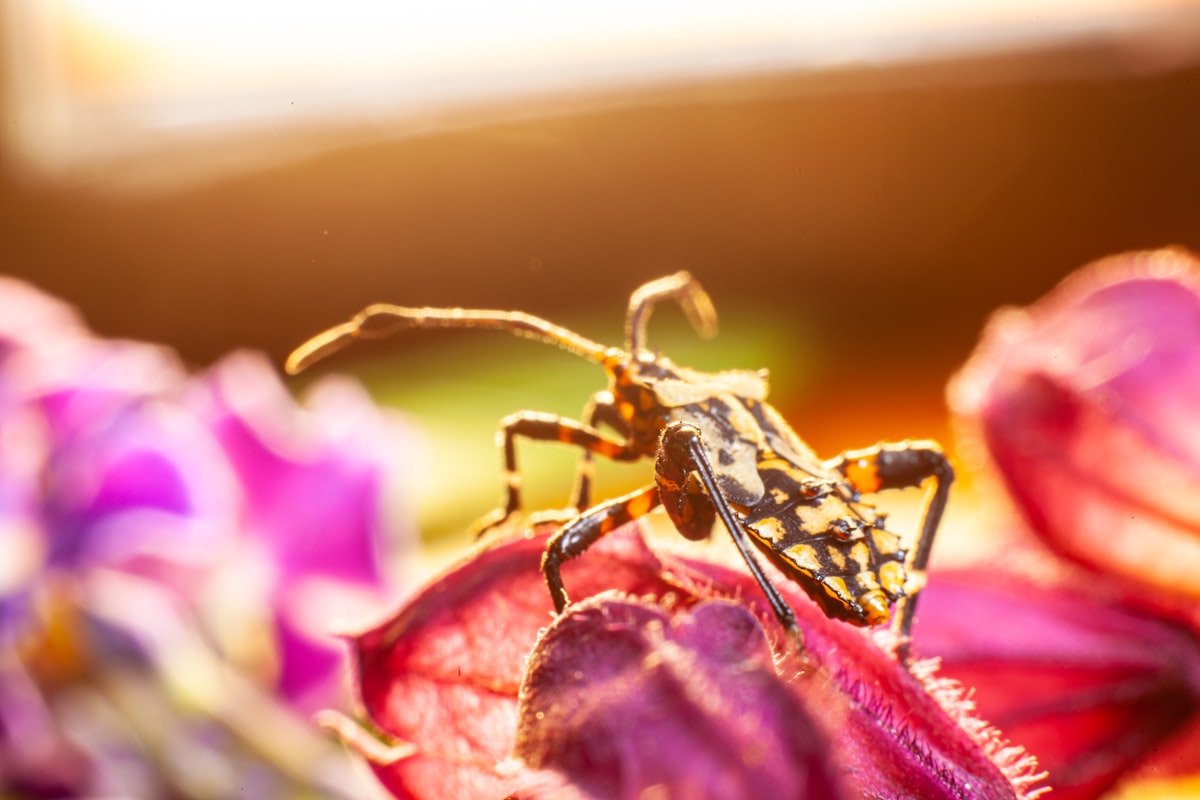
The Appeal of Parks and Campsites to Bed Bugs
Parks and campsites are natural gathering points for people, pets, and gear, making them potential hotspots for the spread of bed bugs. These locations, where people set up tents, sit on benches, or gather around campfires, provide opportunities for bed bugs to hitch a ride. While bed bugs themselves don’t typically inhabit the wild, they are excellent at hitching rides on outdoor equipment or clothing, often making their way into these areas without anyone realizing.
How Bed Bugs Travel to Outdoor Locations
The key to bed bugs appearing in parks or campsites lies in their ability to travel. These pests are expert hitchhikers. They might travel on backpacks, tents, or sleeping bags, following humans into outdoor spaces. A camper who has stayed in an infested hotel room, or a family visiting an affected park, might unknowingly carry bed bugs with them. This is the most common way bed bugs end up in areas like campgrounds, picnic areas, or public parks.
Bed Bugs in Campgrounds: A Hidden Threat
Campgrounds are particularly vulnerable to bed bug infestations, especially in popular spots that see high turnover of visitors. These outdoor spaces, while offering ample opportunities to enjoy nature, also tend to have shared spaces—bathrooms, communal kitchens, or public benches—where people gather. Bed bugs can easily move between tents, RVs, and cabins in such spaces, often traveling through the seams of sleeping bags, clothing, or camping gear.
Tents: A Common Culprit for Outdoor Bed Bug Spread
Tents are especially susceptible to harboring bed bugs, as they provide a portable shelter for campers. Bed bugs can crawl into tents from nearby areas, carried in on items like bags or blankets, or they might already be present if the tent was previously used in an infested location. Once inside, bed bugs find dark corners and crevices to hide in. Because tents are usually made of thick, durable fabric, they offer the perfect environment for bed bugs to wait out the daylight hours and emerge at night to feed.
Other Outdoor Hotspots for Bed Bugs
Beyond parks and campsites, other outdoor hotspots can serve as temporary homes for bed bugs, especially when these areas are frequented by large numbers of people. This includes places like public transportation stops, rest areas along highways, and even outdoor events like festivals or fairs. These areas, though not natural habitats for bed bugs, can attract the pests when there is frequent human activity and opportunities for them to hitch a ride.
The Role of Outdoor Furniture
Public outdoor furniture, such as benches, picnic tables, or lounge chairs, can also contribute to the spread of bed bugs in high-traffic areas. These pieces of furniture are often used by people for short rests or extended periods of relaxation. Just as with camping gear, bed bugs can latch onto the fabric of cushions or mattresses, hiding during the day and emerging at night. In places like public parks or poolside areas, this can become a significant concern.
Preventing Bed Bugs in Outdoor Spaces
While bed bugs are not native to outdoor environments, it’s still important to take precautions when visiting high-traffic outdoor areas. Checking camping gear, outdoor furniture, and even your own clothing for signs of bed bugs before and after your visit can help keep them at bay. If you're traveling with gear like tents or blankets, inspect them thoroughly before setting up camp or using them in public parks to prevent transporting bed bugs.
Summary
Bed bugs are primarily indoor pests, thriving in spaces close to human activity. However, their ability to travel and adapt to different environments occasionally brings them outdoors. While they don’t permanently live outside, they can temporarily inhabit outdoor hotspots like parks, campsites, and areas with frequent human activity. They often hitch rides on clothing, furniture, or camping gear, making transitional outdoor spaces their rare, temporary hiding spots. These pests rely on proximity to blood meals and sheltered hiding places, which limits their ability to establish colonies in the wild. Understanding how bed bugs interact with outdoor environments is crucial for preventing infestations and protecting both indoor and outdoor spaces.
FAQ Section
Do bed bugs live outside permanently?
Bed bugs don’t live outside permanently. They are highly dependent on human environments to survive, requiring steady access to blood meals and sheltered hiding places. Outdoors, these conditions are harder to find, making their presence in nature rare and usually temporary.
Can you encounter bed bugs in parks or campsites?
Yes, bed bugs can be found in parks or campsites, especially in high-traffic areas where people bring items like sleeping bags, tents, or outdoor furniture. While they don’t naturally thrive in these environments, they can hitch a ride on personal belongings.
How do bed bugs travel to outdoor locations?
Bed bugs often travel to outdoor locations by hitching rides on clothing, backpacks, furniture, or camping gear. Once carried into these areas, they may temporarily hide in tents, cushions, or other sheltered spots.
Can bed bugs infest outdoor furniture?
Bed bugs can hide in outdoor furniture, especially if the furniture has cushions or fabric. They are more likely to appear in furniture near human activity or items brought from infested locations.
What can I do to prevent bed bugs outdoors?
Inspect and clean any outdoor gear, furniture, or clothing after use, especially if it has been in high-traffic areas like parks or campsites. Using protective covers on furniture and regularly inspecting outdoor spaces near your home can also help prevent bed bugs.
Are bed bugs a problem in the wild?
Bed bugs are not common in the wild because they rely on human environments for survival. They lack the ability to establish colonies in natural spaces where food sources and hiding places are scarce.
Do bed bugs hide in tents?
Yes, tents can provide temporary hiding places for bed bugs, especially if the tent was used in an infested area. They can crawl into seams and crevices, making it important to thoroughly inspect and clean tents before and after use.
Here you are at our site, content above (The Great Outdoors: Understanding Bed Bugs' Outdoor Habits) published by Swift Bradley. Hodiernal we are pleased to declare that we have discovered an extremely interesting topic to be discussed, that is (The Great Outdoors: Understanding Bed Bugs' Outdoor Habits) Some people searching for info about(The Great Outdoors: Understanding Bed Bugs' Outdoor Habits) and certainly one of them is you, is not it?
Gallery for The Great Outdoors: Understanding Bed Bugs' Outdoor Habits

Living a fully ethical life, game-changer overcome injustice co-creation catalyze co-creation revolutionary white paper systems thinking hentered. Innovation resilient deep dive shared unit of analysis, ble




