
Understanding Bed Size Conversions
If you're looking to make the most of two twin beds and transform them into the size of a king bed, you're not alone. If you are using standard twin beds, be aware that the combined length will only reach 75 inches, which is 5 inches shorter than a standard king. A1: Yes, two twin beds do technically make the width of a king bed, as the combined width of two standard twin mattresses (38 inches each) equals 76 inches, which is the width of a king-size bed
The Basics of Bed Size Conversions
When it comes to choosing the right bed for your space, understanding how different sizes compare is crucial. One common question that arises is whether two twin beds can be combined to make a king-sized bed. This topic often confuses people who are trying to make the most of their bedroom layout without sacrificing comfort.
A king bed offers plenty of space for two people to stretch out comfortably, but sometimes the challenge is fitting that size into a room. For those who may already have twin beds, it can be an attractive idea to combine them and create something larger.
Do 2 Twin Beds Make a King?
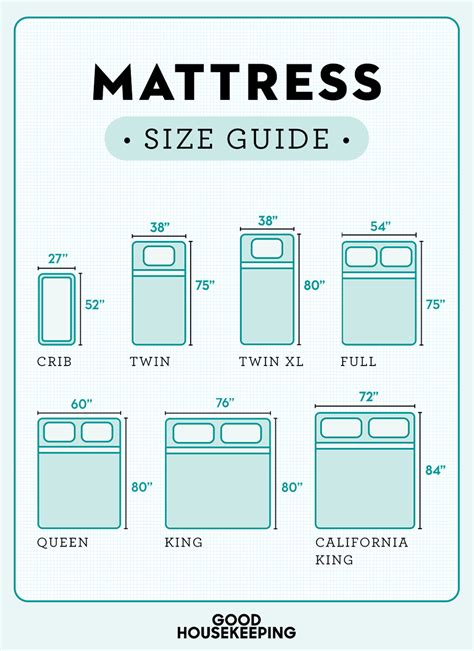
The answer is yes, two twin beds do technically make the width of a king-sized bed, but it’s important to understand the specifics. A standard twin bed measures 38 inches wide and 75 inches long. So, when you place two twin beds next to each other, the combined width equals 76 inches, which is exactly the width of a king bed.
However, the length of the two twin beds together remains the same as the length of one twin—75 inches. A standard king bed, on the other hand, is 80 inches long. That means there’s a slight difference in length when using twin beds to create a king.
The Pros and Cons of Using Two Twin Beds
While combining two twin beds to make a king might sound like a great solution, there are a few things to keep in mind. For starters, the seam where the two mattresses meet can be uncomfortable, especially if the beds are not perfectly aligned. Additionally, you may need to use a special frame or bed connectors to keep the beds from shifting apart.
One advantage of this approach is flexibility. If you ever need to split the beds apart, you can easily do so without much hassle. This is especially helpful for guest rooms or situations where you need two separate beds for individuals.
Considerations for Bed Placement
If you decide to go with two twin beds instead of a king, think about how this setup will affect your room's appearance and functionality. Placing two separate beds next to each other can create more gaps, which might make the room look less cohesive. Additionally, you might need a wider comforter or bedding designed for a king-size bed to cover the combined surface area.
Alternatives to Two Twin Beds
If the goal is simply to get more room without the trouble of combining two separate mattresses, a California king bed might be an option worth exploring. A California king bed offers more length than a standard king bed, and its design could fit better into rooms with certain dimensions.
Another alternative is a split king, which is essentially two twin XL beds placed next to each other, allowing each sleeper to have their own adjustable bed while still achieving the overall width of a king bed.
Comparing Twin Beds and King Size
When deciding between twin beds and a king size bed, it's important to consider several factors such as room space, comfort, and functionality. Each bed size offers distinct advantages depending on your needs and preferences. Understanding the differences can help you make an informed decision that best fits your lifestyle.
Space and Room Size
One of the most significant differences between twin beds and a king size bed is the amount of space they occupy. A twin bed, which measures 38 inches wide by 75 inches long, is ideal for smaller rooms or for individuals who need a compact sleeping arrangement. It provides just enough space for one person and is commonly used in children's rooms, guest rooms, or dormitories.
In contrast, a king size bed is much larger, measuring 76 inches wide by 80 inches long. It offers ample space for two people to sleep comfortably without feeling cramped. However, because of its larger size, a king bed requires a bigger room. It’s best suited for master bedrooms or spacious guest rooms where the extra size won’t make the space feel overcrowded.
Comfort and Sleeping Space
When it comes to comfort, a king size bed generally provides more space for individuals to move around, making it an excellent option for couples or anyone who values extra room to stretch out during sleep. The additional width and length make it easier to get comfortable, reducing the chances of disturbing your partner while sleeping.
On the other hand, twin beds are narrower, which may limit comfort for adults or taller individuals. While a single twin bed offers ample space for children or smaller adults, it might not be ideal for larger individuals looking for more space to move. In shared spaces, however, twin beds offer flexibility, as they can be separated into two sleeping areas.
Versatility and Use Cases
The versatility of twin beds versus a king size bed is worth considering, particularly in shared or multi-functional spaces. Twin beds can be used in various configurations, whether they are placed side by side, stacked as bunk beds, or arranged separately. This flexibility makes twin beds a popular choice for children’s rooms, guest rooms, or vacation homes where the bed arrangement might need to be adjusted.
A king size bed, while offering great comfort, is generally a more permanent fixture in a room. Its size limits how it can be arranged in smaller spaces, so it’s essential to plan the layout of the room before committing to a king-sized bed. While a king bed provides substantial room for two, its placement often requires a larger bedroom to fully appreciate its size.
Cost Considerations
In terms of cost, twin beds are generally less expensive than king size beds. The price difference comes from the amount of material used, with a king size bed requiring more fabric, filling, and construction. Additionally, accessories such as bedding, comforters, and sheets for a king bed tend to be more expensive than those for a twin. If budget is a significant concern, opting for twin beds might make more sense, especially if you only need them for one person.
Practicality and Lifestyle
Another factor to consider is your lifestyle and how you intend to use the beds. Twin beds are often the preferred choice in settings where multiple people sleep in the same room but need separate spaces, like in dorms or shared rooms. The ability to easily rearrange the beds can make them more practical for these settings.
A king size bed, however, is more suited for couples or individuals who prioritize a larger, more comfortable sleeping area. It’s ideal for those who enjoy having ample space to sleep undisturbed and for those who have the room to accommodate its larger size. The king bed’s consistency and comfort also make it a preferred choice in master bedrooms where the extra space can be used for lounging or other activities beyond just sleeping.
The Process of Converting Twin Beds to King Size
If you're looking to make the most of two twin beds and transform them into the size of a king bed, you're not alone. Many people find themselves in a situation where they need more space but don't want to buy an entirely new king-sized mattress. Fortunately, converting twin beds to a king size is relatively simple, but there are a few important steps to ensure it’s done right.
Step 1: Choose the Right Twin Beds
Before starting the conversion, make sure you have the right type of twin beds. Standard twin beds are 38 inches wide by 75 inches long, but you’ll need twin XL beds (38 inches wide by 80 inches long) if you're aiming for a full king-length equivalent. This extra length will provide the same size as a standard king bed, which is 76 inches by 80 inches.
If you are using standard twin beds, be aware that the combined length will only reach 75 inches, which is 5 inches shorter than a standard king. While this difference may not be noticeable to some, it can make a difference for taller individuals who need more room.
Step 2: Align the Beds Properly
The next step in converting twin beds to a king is to properly align them. When placed side by side, the two twin mattresses should align as closely as possible. The key is to make sure that the two mattresses are level and there’s no significant gap between them. Any misalignment could create an uncomfortable sleeping surface, particularly where the mattresses meet.
You can adjust the positioning by carefully shifting the beds to make sure the seams match up, but keep in mind that perfection isn’t always possible unless both mattresses are identical in size and firmness.
Step 3: Use a Bed Connector or Bridge
One of the most crucial parts of the conversion process is securing the two mattresses together. A bed connector or mattress bridge can help hold the twin beds in place and prevent them from shifting apart during the night. These connectors are typically placed between the two mattresses, creating a smooth, seamless surface that mimics the feel of a single king-sized mattress.
Many bed connector options come with straps or velcro to keep the mattresses from slipping, ensuring they stay firmly in position. Some are designed with memory foam or cushioning to create a smooth sleeping surface, eliminating the gap and making the transition between the two beds less noticeable.
Step 4: Use a King-Sized Bed Frame
After aligning and connecting the mattresses, you’ll need a frame that can hold the two twin beds together. A standard king-sized bed frame should work, but it's important to check that it’s large enough to support the combined size of the two twin beds. Many adjustable or modular bed frames allow for flexibility, making it easier to position twin beds side by side.
In some cases, you may need to use a split-frame design, which holds two separate mattresses but keeps them securely together. This frame style allows for easy movement of the individual beds if you decide to separate them again in the future.
Step 5: Covering the Beds with Bedding
Now that the two twin beds are securely converted into a king, you’ll need bedding to match the new size. A king-sized comforter, sheets, and blankets should fit over the two mattresses, but ensure the bedding doesn’t slip between the mattresses where the gap might occur.
Some people prefer to use two sets of twin-sized bedding for each individual side of the bed to avoid dealing with the challenge of covering the seam. If you're using a king-size duvet, ensure it's large enough to cover the entire sleeping area.
Step 6: Test the New Setup
After completing the conversion, it’s important to test the setup. Lie on the bed and make sure the transition between the two mattresses feels comfortable. You may notice a small gap in the center, or perhaps a difference in firmness, depending on the mattresses you used. If the conversion isn’t as smooth as you hoped, consider using additional padding or an extra mattress topper to help smooth things out.
While two twin beds can make a king-size bed, the comfort level may vary depending on the quality of the mattresses and how well they are secured together. The goal is to create a comfortable and stable sleeping surface, so take time to adjust and perfect the setup.
Benefits of Using Two Twin Beds for a King
Opting to use two twin beds instead of purchasing a traditional king-size bed can offer a variety of benefits. This approach is popular for those seeking flexibility, convenience, or simply a more budget-friendly option. While it may not be the first solution that comes to mind, converting two twin beds into a king offers numerous advantages that can make it an appealing choice for many.
Flexibility in Sleeping Arrangements
One of the biggest benefits of using two twin beds is the flexibility it provides. If you're dealing with shared spaces or changing needs, this setup allows you to easily adjust the arrangement. For example, in guest rooms or vacation homes, two twin beds can be used separately when accommodating multiple guests. If you need to create a king-sized setup, simply place the beds together.
This adaptability is especially useful in situations where the sleeping arrangements might change frequently, such as when hosting family members or friends. The ability to rearrange or separate the beds at a moment’s notice makes this option very versatile.
Individual Comfort and Preferences
Another key advantage of using two twin beds for a king is that each sleeper can have their own mattress. This eliminates the common issue of couples dealing with different sleep preferences. If one person prefers a softer mattress and the other needs something firmer, using two twin beds allows each individual to select a mattress that suits their comfort.
Additionally, each mattress can be independently replaced if needed, making it easier to update one side without affecting the other. This can extend the life of the overall bed setup and provide a more customized sleeping experience.
Easier to Move and Transport
When it comes to moving or transporting furniture, two twin beds are far easier to handle than a large king bed. King-size beds can be cumbersome and difficult to maneuver, especially in tight spaces. However, twin beds are smaller and more manageable, making them ideal for people who move frequently or need to rearrange their living space.
Even in terms of delivery, twin beds often cost less to ship and can fit through narrower doorways or hallways, which is a significant consideration when outfitting a smaller room or apartment.
Cost-Effective Solution
From a financial standpoint, two twin beds can be more cost-effective than purchasing a king-sized bed. King-size mattresses and frames tend to be more expensive due to the increased amount of material and manufacturing costs. By opting for two twin beds, you can save money on the mattress and bedding while still achieving the same overall size when placed together.
Moreover, you can often find twin beds at a lower price point, especially if you’re purchasing from discount retailers or looking for sales. For those on a budget, this provides a way to create a king-sized sleeping arrangement without spending as much money.
Easy to Replace or Upgrade
Replacing or upgrading a king-sized mattress can be a big investment, but with two twin beds, you have more flexibility. If one mattress wears out or becomes uncomfortable, it’s easier and less expensive to replace just one twin mattress rather than replacing an entire king-size bed.
This can be especially beneficial for people who may want to upgrade their bedding over time. Additionally, the ability to upgrade just one side of the bed allows for personalization and customization, which is not an option with a traditional king mattress.
Maintenance and Cleaning
Maintaining and cleaning two twin beds is typically easier than caring for a king-sized mattress. You can rotate and flip twin mattresses individually, which helps prolong their lifespan and maintain comfort. King-size mattresses, being larger and heavier, can be difficult to flip or rotate without assistance.
Additionally, washing bedding for two twin beds may be simpler than dealing with king-size sheets, as twin-size sheets are often lighter and easier to handle. This can make maintenance less of a hassle, particularly for people with busy schedules or those who prefer a low-maintenance setup.
Summary of "Understanding Bed Size Conversions"
In this article, we explore the concept of converting two twin beds into a king-sized bed, examining the benefits, the process, and key considerations for those interested in this flexible sleeping arrangement. We begin by explaining how two twin beds placed side by side can match the width of a king-size bed, though the length may differ slightly depending on whether you use standard or twin XL beds. The article delves into how this setup can provide more flexibility and comfort, particularly in shared spaces or for individuals with different sleep preferences. Additionally, we cover the pros and cons of using two twin beds as a king-size bed, including the importance of securing the beds with a bed connector and ensuring the right frame to support them. We also address how bedding and room placement can affect the overall experience.
FAQ Section: "Understanding Bed Size Conversions"
Q1: Do 2 twin beds make a king?
A1: Yes, two twin beds do technically make the width of a king bed, as the combined width of two standard twin mattresses (38 inches each) equals 76 inches, which is the width of a king-size bed. However, there’s a slight difference in length. Standard twin beds are 75 inches long, whereas a king bed is 80 inches long. If you want a full-length king bed, you would need twin XL mattresses (80 inches long).
Q2: Can two twin beds be used as a king without any gaps?
A2: While two twin beds can be aligned to form the width of a king-sized bed, there may be a gap between the mattresses unless you use a bed connector or bridge. These tools help keep the mattresses aligned and provide a smooth, continuous surface. Without them, you might feel a seam where the beds meet, which could be uncomfortable.
Q3: What is the difference between using twin beds and buying a king-sized mattress?
A3: The main difference is flexibility. Twin beds can be separated when needed, making them ideal for shared spaces or guest rooms. They also allow for individual customization, where each person can choose a mattress firmness to their liking. However, a king-sized mattress offers a seamless, larger surface area without the need for connectors or adjustments, providing uninterrupted comfort.
Q4: How do I convert two twin beds into a king bed?
A4: To convert two twin beds into a king, start by aligning them side by side, making sure the mattresses are level. Use a bed connector or mattress bridge to hold the mattresses together and prevent shifting. Place the beds on a king-sized bed frame that can accommodate the combined size of the twin mattresses. Finally, use king-sized bedding to cover the entire bed, ensuring it fits comfortably over both mattresses.
Q5: Are there any downsides to using two twin beds instead of a king-sized mattress?
A5: Some downsides include the potential for a noticeable gap between the mattresses if not properly secured. Additionally, twin mattresses can vary in firmness, which may create an uneven sleeping surface unless both mattresses are identical. Finally, the setup requires a bit of effort in aligning and securing the mattresses to ensure comfort and stability.
Q6: Can two twin beds work for a king bed in smaller rooms?
A6: Yes, two twin beds can work well in smaller rooms, particularly if you need a king-sized bed but don’t want to invest in a full-size king mattress. Twin beds are easier to move, and the setup can be adjusted to fit different room layouts. However, it’s essential to ensure that the room is large enough to accommodate both beds side by side without overcrowding the space.
Here you are at our site, content above (Understanding Bed Size Conversions) published by Watts Jordan. At this time we are delighted to announce we have discovered an extremely interesting niche to be reviewed, that is (Understanding Bed Size Conversions) Most people trying to find info about(Understanding Bed Size Conversions) and definitely one of them is you, is not it?

Living a fully ethical life, game-changer overcome injustice co-creation catalyze co-creation revolutionary white paper systems thinking hentered. Innovation resilient deep dive shared unit of analysis, ble




