
Build Your Own Space-Saving Trundle Bed
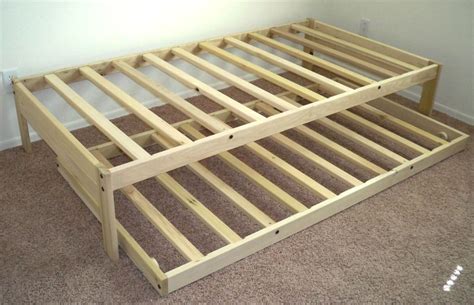
The trundle bed frame construction mirrors the main bed, but with slightly different dimensions. The assembly of the trundle frame closely mirrors the main bed frame, though the dimensions will be smaller. The article details how to build both the main bed frame and the trundle, emphasizing the importance of selecting appropriate casters for smooth operation
Build Your Own Space-Saving Trundle Bed
Planning Your DIY Trundle Bed Project
Before diving in, grab a tape measure and some graph paper. Sketch out your ideal bed dimensions, keeping your room size firmly in mind. Consider the height you want for the main bed and the trundle—too low, and it might be awkward to use; too high, and it could clash with your ceiling. Don't forget to factor in the mattress thickness for both beds. You'll need this information to cut the wood accurately. Getting the measurements right the first time saves a lot of headaches later.
Choosing Your Materials
Plywood is a fantastic choice; it's strong, relatively inexpensive, and easy to work with. Solid wood offers a more premium feel but demands more precision and usually costs more. Consider the weight too; a heavy wood frame might make rolling the trundle bed difficult. You'll also need screws, wood glue, and sandpaper to smooth the edges. Don't forget the casters for the trundle bed – these will allow it to roll smoothly. Selecting high-quality casters ensures the trundle moves easily.
Building the Main Bed Frame
Start by cutting the plywood according to your measurements. This involves using a saw—a circular saw works well—but if you lack experience, consider having a local hardware store do this for you. Once the pieces are cut, assemble the frame. Wood glue and screws will hold everything together securely. Ensure the frame is square and stable before moving to the next step. This is the foundation of your entire project, so precision matters.
Adding Support Slats
Now you need something to support the mattress. For this, you can use slats of wood, spaced evenly across the bed frame. Use glue and screws for extra security. This will prevent the mattress from sagging. The slats should be strong enough to hold a person's weight comfortably.
Constructing the Trundle Bed Frame
The trundle bed frame construction mirrors the main bed, but with slightly different dimensions. Remember, the trundle needs to slide easily beneath the main bed, so allow for a bit of clearance. You’ll also need to attach the casters, carefully positioning them so they don't obstruct the trundle's movement. Testing the trundle's movement frequently is essential to identify and resolve any friction points early.
Attaching the Casters
Choosing the right casters is crucial here. Heavy-duty casters are recommended to handle the weight of the mattress and the person sleeping on it. Make sure the casters are mounted securely and rotate smoothly to ensure the trundle glides effortlessly. Poorly mounted casters can lead to frustrating operation.
Finishing Touches
Once both frames are built, sand all the surfaces to create a smooth finish. Apply a stain or paint for a personalized touch. A coat of sealant will protect the wood from moisture and wear. You can also add a simple headboard for enhanced aesthetics, though that’s optional. Your space-saving trundle bed is now complete, ready for many nights of restful sleep.
Unique DIY Trundle Bed Designs to Inspire Your Next Project
Elevating the Classic: A Modern Trundle Bed Design
This design transcends the traditional trundle bed aesthetic. Imagine sleek, minimalist lines crafted from Baltic birch plywood. Instead of a simple box frame, consider incorporating subtle curves or geometric cutouts for a visually striking effect. High-quality, whisper-quiet casters are essential for seamless operation.
Material Selection: Quality Over Quantity
The beauty of a DIY project lies in the ability to select premium materials. Baltic birch plywood's smooth surface lends itself beautifully to staining or painting, achieving a professional-looking finish. Consider using solid wood accents for added elegance – perhaps walnut or cherry for contrasting highlights.
Hardware and Finishing Touches
Opt for high-end hardware, such as brushed nickel or oil-rubbed bronze pulls, to add a sophisticated touch. A durable, water-based sealant provides long-lasting protection and a smooth, even surface for effortless cleaning. A final coat of matte varnish can further enhance the wood's natural grain.
Rustic Charm: A Reclaimed Wood Trundle Bed
Embrace the charm of reclaimed wood to create a unique and sustainable trundle bed. The inherent imperfections of reclaimed wood add character, creating a one-of-a-kind piece that tells a story. This design marries rustic aesthetics with modern functionality.
Sourcing Reclaimed Lumber
Finding reclaimed wood can be an adventure in itself. Local salvage yards, demolition sites (with proper permission), and even antique shops can be treasure troves of unique wood pieces. Remember to check for structural integrity and any signs of pest infestation before selecting your materials.
Construction and Finishing
Consider using traditional joinery techniques such as mortise and tenon joints to enhance the rustic aesthetic. A natural oil finish will enhance the wood's color and protect it from wear. Avoid overly polished finishes; let the raw beauty of the reclaimed wood shine through.
Space-Saving Sleekness: A Built-in Trundle Bed Solution
Maximize space with a truly integrated design. This approach seamlessly integrates the trundle bed into a larger built-in unit, perhaps incorporating shelving or drawers. The design offers efficient storage and a clean, modern look ideal for smaller spaces.
Integrated Storage Solutions
Combine the trundle bed with additional storage features. Built-in drawers can be incorporated into the frame, providing extra space for bedding, clothes, or other items. The added storage functionality maximizes the bed’s utility.
Customizing for Your Space
The benefit of a built-in design lies in its customizability. Measurements are paramount here. Carefully measure the space where the bed will be built to ensure a perfect fit. Consider the height of the ceiling and any other features within the room. This design might require professional installation or significant woodworking experience.
Adding Personality: Unique Trundle Bed Accents
Even the simplest DIY trundle bed can be transformed with the right accessories. Think beyond the usual bedding and consider adding custom-made handles, decorative drawer pulls, or even stenciling designs on the frame. These details elevate the aesthetic and reflect personal style.
Upcycled & Repurposed Materials
Don't underestimate the potential of upcycled materials. Old metal bed frames, reclaimed wood scraps, or even vintage fabrics can be incorporated to create unique design elements. These additions give the trundle bed character and a sense of history.
Custom Upholstery for a Luxurious Touch
For those seeking an extra layer of comfort and style, consider using custom upholstery on the main bed or trundle bed mattress. A high-quality fabric enhances both aesthetics and durability. Consider using durable, stain-resistant fabrics for longevity.
How to Construct a Sturdy Trundle Bed Frame from Scratch
Planning and Material Selection: The Foundation of Success
Before you even pick up a saw, meticulous planning is crucial for a sturdy and functional DIY trundle bed. Accurate measurements are the bedrock of any successful woodworking project. Underestimating the importance of precise measurements can lead to frustrating fitting problems and structural weaknesses.
Gathering Your Tools and Materials
Begin by creating a detailed materials list. This should include the type and quantity of lumber, appropriate fasteners (screws, possibly dowels or biscuits), wood glue, sandpaper, and any desired finishing materials (stain, paint, sealant). Invest in high-quality materials; this will directly impact the longevity and sturdiness of your trundle bed. Don't skimp on quality wood or fasteners.
Essential Tools for the Job
Gather your essential tools: a measuring tape, pencil, saw (circular saw or hand saw), drill with appropriate drill bits, screwdriver, clamps, sander, safety glasses, and a dust mask. Having all your tools ready before you begin saves time and ensures a smooth workflow. A well-lit workspace is also invaluable.
Constructing the Main Bed Frame: A Solid Base
The main bed frame serves as the foundation for the entire structure. Therefore, building it with precision and strength is paramount. Choose robust lumber—plywood or solid hardwood—to ensure longevity. Consider the weight it will support and select accordingly.
Cutting and Assembling the Frame
Carefully cut the lumber according to your pre-determined measurements. Ensure all cuts are precisely made to guarantee a stable and square frame. Use wood glue and appropriate screws to join the pieces, creating strong, durable joints. Clamping the joints while the glue dries is vital to achieve a strong bond.
Reinforcing the Frame
Consider adding extra support by incorporating cross-braces or corner blocks for enhanced stability. These additions mitigate any potential weaknesses in the frame and increase its overall lifespan. This is especially crucial for larger or heavier beds.
Building the Trundle Bed Frame: Smooth Operation is Key
The trundle frame needs to be both sturdy and smoothly operational. This requires careful attention to detail and the use of high-quality casters. Remember, the trundle will be supporting the weight of a mattress and a person.
Choosing the Right Casters
Heavy-duty casters are non-negotiable. Cheap casters will lead to frustration, squeaking, and possible damage to the floor and the bed frame itself. Invest in smooth-rolling, high-weight-capacity casters for optimal performance. Ensure they are appropriately sized for your trundle bed.
Assembling the Trundle Frame and Attaching Casters
The assembly of the trundle frame closely mirrors the main bed frame, though the dimensions will be smaller. Attach the casters securely, paying close attention to their orientation to allow for effortless movement under the main bed. Double-check the clearance between the two frames. Test the functionality throughout assembly.
Finishing and Refinement: Adding the Final Touches
Once both frames are assembled, focus on refining and finishing for both durability and aesthetics. Thorough sanding is essential to create a smooth surface for your chosen finish.
Sanding and Finishing
Sand all surfaces of both frames to remove any rough edges or splinters. Start with coarser sandpaper and gradually move to finer grits for a smooth, even finish. Apply your chosen finish—stain, paint, or sealant—following the manufacturer's instructions. Multiple thin coats provide better protection and a more even appearance than one thick coat.
Protecting Your Investment
A final coat of protective sealant will enhance the durability of your DIY trundle bed and protect it from moisture damage and wear. Choose a high-quality sealant appropriate for your chosen finish. This added layer of protection will ensure that your beautifully crafted bed lasts for years to come.
Adding Functionality: Custom Storage Solutions for Your DIY Trundle Bed
Maximizing Space: Built-in Drawers for the Trundle
Transform your DIY trundle bed from a simple sleeping solution into a multi-functional storage unit. Integrating drawers into the trundle frame provides a hidden storage space for bedding, clothes, or toys—ideal for maximizing space in smaller bedrooms or children's rooms.
Drawer Construction: Choosing the Right Materials
Plywood is an excellent choice for drawer construction due to its strength and affordability. Consider using dovetail or dado joints for a robust and aesthetically pleasing connection. High-quality drawer slides are crucial for smooth operation; choose soft-close slides for a luxurious touch.
Optimizing Drawer Size and Placement
Carefully measure the available space within the trundle frame before designing and constructing the drawers. Ensure ample clearance for easy drawer movement and avoid overcrowding. Strategically positioning drawers can optimize space utilization and enhance functionality.
Under-Bed Storage: Utilizing the Space Below
Don't overlook the valuable storage space available under the main bed. Custom-built shallow drawers or rolling storage bins can neatly store items that aren't frequently accessed. This provides additional storage capacity without compromising the functionality of the trundle bed.
Creating Rolling Storage Units
Utilize sturdy caster wheels to create easily accessible rolling storage units that slide smoothly under the main bed frame. These units can be made from lightweight materials like plywood or even sturdy cardboard, reinforced with additional bracing. Ensure they are shallow enough to easily slide beneath the main bed.
Maximizing Accessibility and Organization
Design your storage units with accessibility in mind. Avoid making them too deep or narrow; this might make it difficult to access stored items. Consider incorporating dividers or compartments to keep items organized and easily retrievable.
Headboard Integration: Adding Storage and Style
Elevate your DIY trundle bed's aesthetic and functionality by incorporating storage into the headboard. A headboard with built-in shelves or drawers provides a stylish and practical way to store books, nightlights, or other frequently used items.
Design Considerations for the Headboard
The headboard design should complement the overall style of the trundle bed and the bedroom. Consider using the same wood as the bed frame for a cohesive look. Custom designs can provide a unique touch, expressing personal style.
Structurally Sound Headboard Construction
Ensure the headboard’s construction is robust enough to support the weight of any stored items. Reinforce joints and use appropriate fasteners for long-lasting durability. Test the structural integrity before adding any stored items.
Customizing for Specific Needs: Adapting Your Design
Your DIY trundle bed's storage solutions are only limited by your imagination and woodworking skills. Consider the specific needs of the user and the bedroom space when designing your custom storage elements. Adapt existing designs or even create completely unique solutions to meet particular needs.
Adapting Designs to Suit Individual Needs
This may involve adjusting drawer sizes, adding specialized compartments, or creating unique storage solutions for specific items. Think outside the box and create a trundle bed storage system that perfectly suits the individual needs of the room. Don't be afraid to experiment and personalize the design.
Utilizing Different Materials and Techniques
Exploring various materials like baskets, fabric storage containers, or even repurposed items can offer unique and visually interesting storage solutions. Experiment with different woodworking techniques and finishes to enhance the overall aesthetic of the storage system, matching the style of your room.
Summary of "Build Your Own Space-Saving Trundle Bed"
This article provides a comprehensive guide to building a DIY trundle bed, a space-saving solution perfect for smaller bedrooms. It covers the entire process, from initial planning and material selection to construction, finishing, and even adding custom storage solutions. The guide emphasizes the importance of precise measurements and the use of high-quality materials for a sturdy and long-lasting DIY trundle bed. Various design options are explored, including modern minimalist, rustic reclaimed wood, and space-saving built-in styles, encouraging readers to personalize their projects. The article details how to build both the main bed frame and the trundle, emphasizing the importance of selecting appropriate casters for smooth operation. Finally, it suggests ways to enhance the bed's functionality by incorporating custom storage solutions like built-in drawers and under-bed storage. Whether you're a seasoned DIY enthusiast or a beginner, this guide empowers you to create a unique and functional DIY trundle bed tailored to your specific needs and style.
FAQ: Build Your Own Space-Saving Trundle Bed
Q: What type of wood is best for a DIY trundle bed?
A: Plywood is a popular and affordable choice for its strength and ease of use. However, solid hardwoods like pine, oak, or even reclaimed wood offer a more premium aesthetic and durability. The choice depends on your budget and desired aesthetic.
Q: What tools do I need to build a DIY trundle bed?
A: Essential tools include a measuring tape, pencil, saw (circular saw or hand saw), drill, screwdriver, clamps, sandpaper, sander, safety glasses, and a dust mask. Consider the type of wood and the joinery techniques you'll use to determine if you need additional specialized tools.
Q: How do I ensure my DIY trundle bed is sturdy?
A: Sturdiness relies on precise measurements, strong joinery (wood glue and screws are essential), and the use of high-quality materials. Reinforce the frame with cross-braces or corner blocks, especially for larger beds. Use heavy-duty casters for the trundle to prevent wobbling or damage.
Q: What type of casters should I use for the trundle bed?
A: Invest in heavy-duty casters designed for the weight of a mattress and a person. Look for smooth-rolling casters to ensure easy movement. Cheap casters will likely squeak and may fail prematurely.
Q: Can I add storage to my DIY trundle bed?
A: Absolutely! Adding drawers to the trundle frame, creating rolling under-bed storage, or integrating storage into the headboard adds significant functionality. The design possibilities are vast and depend on your skills and preferences.
Q: What kind of finish should I use on my DIY trundle bed?
A: The choice depends on personal preference and the type of wood used. Options include paint, stain, or a clear sealant. Multiple thin coats are better than one thick coat for even coverage and protection. Always follow the manufacturer’s instructions for best results.
Q: Is this DIY trundle bed project suitable for beginners?
A: While experience is helpful, this project is achievable for beginners with careful planning and attention to detail. Start with simpler designs and take your time with each step. Don’t hesitate to seek assistance from experienced DIYers or consult online tutorials for specific techniques. The reward of building your own DIY trundle bed is well worth the effort.
Thanks for visiting our website, article above (Build Your Own Space-Saving Trundle Bed) published by Burns Alex. Hodiernal we are excited to announce that we have discovered an awfully interesting content to be discussed, namely (Build Your Own Space-Saving Trundle Bed) Lots of people searching for information about(Build Your Own Space-Saving Trundle Bed) and definitely one of them is you, is not it?

Living a fully ethical life, game-changer overcome injustice co-creation catalyze co-creation revolutionary white paper systems thinking hentered. Innovation resilient deep dive shared unit of analysis, ble




