
Ultimate Guide To Truck Bed Tents
Building your own truck bed tent is an appealing project for the handy, budget-conscious camper. Building your own truck bed tent offers significant advantages. Proper maintenance significantly extends the lifespan of your truck bed tent, whether it's a store-bought model or a meticulously crafted DIY truck bed tent
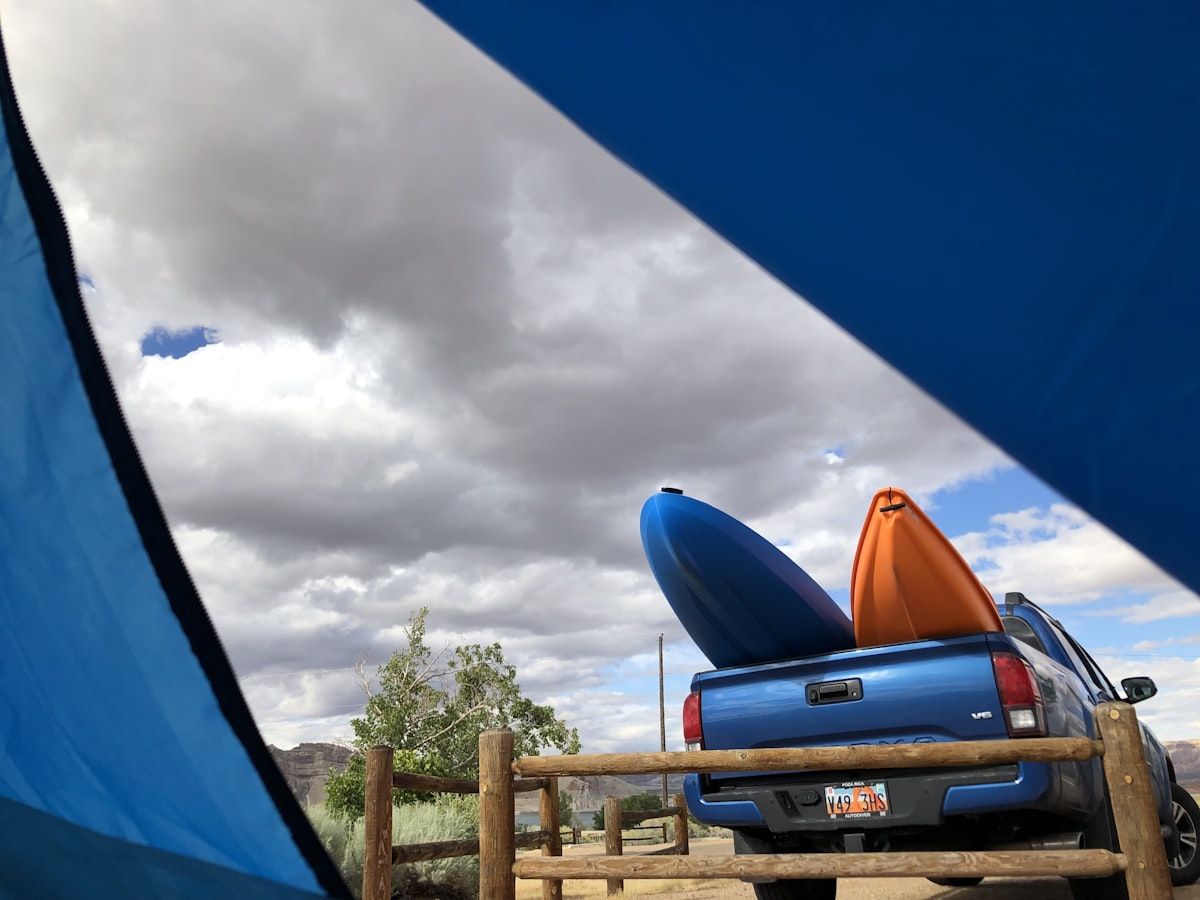
Ultimate Guide to Truck Bed Tents
Choosing the Right Truck Bed Tent
Deciding on a truck bed tent is a bit like picking a sleeping bag – it really depends on your needs. Think about how often you'll use it. A budget-friendly option works fine for occasional camping trips. But if you’re a serious overlander, you’ll want something tougher, more durable, and maybe even with added features like built-in awnings. Size matters too; match your tent to your truck bed. A too-small tent will feel cramped, while one that’s too large can be awkward to set up.
Hard-Shell vs. Soft-Shell
Hard-shell tents offer more protection from the elements, providing a solid, weatherproof structure. They tend to be heavier and bulkier though. Soft-shell tents, conversely, are lighter and easier to pack, great for those who prioritize portability. Think about how much space you have and the type of camping you’ll be doing.
Features to Consider
Things like ventilation and windows make a big difference in comfort. A poorly ventilated tent can be stifling, especially in warmer weather. Good windows improve visibility and offer a connection with the outdoors. Some tents even boast extra storage pockets – handy for keeping things organized. Don't forget about easy setup. A quick and easy setup can make a huge difference when you're tired after a long day of driving.
DIY Truck Bed Tent: A Cost-Effective Alternative?
Building your own truck bed tent is an appealing project for the handy, budget-conscious camper. You have complete control over the design and materials, allowing for a truly personalized setup. However, it demands time, skill, and access to the right tools and materials. Sourcing materials can be time-consuming. You’ll need sewing skills or a trusty sewing machine.
Materials and Tools
Canvas, ripstop nylon, or even heavy-duty tarp are common choices for the tent fabric. Consider weatherproofing treatments for added protection. For the frame, sturdy poles or even PVC pipes can work. You'll need sewing supplies, measuring tools, and potentially some power tools depending on your chosen design.
Step-by-Step Guide: A Simplified Overview
Creating a DIY tent isn't straightforward. Detailed plans, carefully measured cuts, and precise stitching are essential for a successful build. Plenty of online resources offer patterns and tutorials, so use those. Start with a simple design for your first attempt.
Potential Pitfalls of DIY
Even with careful planning, there are potential issues. It may not turn out as perfectly weatherproof as a store-bought tent. It can be time-consuming, requiring substantial time investment for a potentially less durable result. Consider weighing this against the cost savings.
Choosing the Best Location for Your Truck Bed Camping Adventure
The beauty of truck bed camping is its flexibility. But remember, finding the right spot is paramount to a successful trip. Private land requires permission, while public land necessitates awareness of regulations and fees.
Safety First: Essential Considerations
Bear in mind safety measures. Inform someone of your plans. Carry appropriate first-aid supplies. Check the weather forecast before you go. Be mindful of wildlife and follow Leave No Trace principles.
Maintaining Your Truck Bed Tent
Regardless of whether it's store-bought or DIY, regular cleaning and maintenance extend the life of your tent. Proper storage protects it from the elements. Check seams and zippers regularly for wear and tear. Repairing small issues early on prevents bigger problems later. A well-maintained tent ensures many happy camping trips to come.
Premium Guide to Truck Bed Tent Camping
How to Set Up Your Truck Bed Tent for Maximum Comfort
Setting up your truck bed tent correctly is crucial for a comfortable and enjoyable camping experience. It's more than just throwing it in the truck bed; careful placement and organization significantly impact your comfort levels.
Choosing the Right Location
Before even considering unpacking your tent, think about the location of your truck. A level surface is paramount for a comfortable sleep. Avoid inclines, as they can make you slide around all night. Consider factors like proximity to amenities and potential hazards like overhanging branches or uneven ground.
Optimizing Your Truck Bed
Clear out any unnecessary items from your truck bed to maximize space. Removing unnecessary clutter prevents a cramped feel inside the tent. Proper weight distribution is also essential for stability; ensure the tent is evenly loaded.
Step-by-Step Setup
Follow the manufacturer's instructions carefully. Many tents have specific setup procedures to maximize stability and weather protection. Take your time and don't rush the process. Pay close attention to details like securing the tent to the truck bed properly and ensuring all zippers and fasteners are correctly closed.
Fine-tuning for Comfort
Once the tent is set up, it's time for the finishing touches. Arrange your sleeping gear efficiently to maximize space. Think about using organizational items like storage cubes and bags. Add extra padding or cushions for added comfort. Consider bringing along a small fan or a battery-powered light to increase comfort.
Advanced Techniques: DIY Truck Bed Tent Enhancements
Even a store-bought tent can benefit from customization. A DIY approach allows personalized enhancements for maximum comfort and functionality.
Adding Insulation
Insulation significantly improves the comfort of your truck bed tent, particularly in colder climates. Consider adding reflective insulation material to the tent's walls or floor. This will help maintain a comfortable temperature inside.
Improving Ventilation
Proper ventilation prevents condensation buildup and improves air quality inside the tent. Adding mesh panels or vents can improve airflow. Consider strategic placement to maximize airflow while minimizing insect entry.
Creating Custom Storage Solutions
Maximize storage space by building or purchasing custom storage solutions. These might include shelves, pockets, or hanging organizers. Utilize vertical space to store items efficiently. Careful planning helps avoid clutter and maintain a comfortable sleeping area.
Upgrading Lighting
Upgrade your lighting system with LED strips or a portable lantern for enhanced visibility and a more comfortable interior. Consider softer, warmer lighting for a relaxing atmosphere in the evening.
Maintaining Your Investment: Long-Term Care
A well-maintained truck bed tent will provide many years of comfortable camping adventures.
Regular Cleaning
Regular cleaning is essential for maintaining the integrity of your tent. After each camping trip, carefully remove any debris and dirt from inside and outside the tent. Allow it to completely dry before storing it away.
Proper Storage
Store your tent in a cool, dry place away from direct sunlight and moisture. Use a breathable storage bag to prevent mildew or moisture buildup. Proper storage greatly prolongs the life of your tent.
Addressing Minor Repairs
Attend to small repairs promptly to prevent them from escalating into larger problems. Repair minor tears or holes immediately using appropriate patches or sealant. Regular inspection for damage helps avoid costly repairs down the line.
Premium Guide to Choosing the Perfect Truck Bed Tent
Top Features to Look for in a Truck Bed Tent
Choosing the right truck bed tent involves considering several key features that significantly impact comfort, durability, and overall camping experience. While a DIY truck bed tent offers customization, understanding these features helps even DIY enthusiasts make informed material and design choices.
Weather Resistance
The ability of a truck bed tent to withstand various weather conditions is paramount. Look for a tent made from high-quality, waterproof materials with taped seams to prevent leaks. Consider a hydrostatic head rating, which measures water resistance. A higher rating implies better protection from rain and snow. For a DIY project, carefully select weatherproof fabrics and employ effective sealing techniques.
Ventilation
Proper ventilation is crucial for maintaining a comfortable temperature and preventing condensation buildup. Look for tents with mesh windows, vents, or panels that allow for airflow. Strategic placement of vents is crucial, and DIY builders should prioritize this during design. Insufficient ventilation can lead to discomfort and even damage to the tent itself.
Ease of Setup and Take Down
A user-friendly setup and takedown process significantly impacts the overall camping experience, especially after a long day on the trail. Look for tents with intuitive designs and easy-to-use features like quick-release poles and clips. DIY enthusiasts can simplify setup by carefully planning their design and avoiding overly complex mechanisms.
Space and Comfort
Consider the amount of interior space available and how much gear you plan to bring. A tent that's too small can feel cramped, while one that's too large might be awkward to set up and use. For a DIY project, meticulous planning and precise measurements are critical to achieving the desired space and comfort levels.
Beyond the Basics: Advanced Features to Elevate Your Camping Experience
While the core features listed above are essential, advanced features enhance the overall experience. These enhancements can be incorporated into a DIY project, further personalizing the tent to suit individual needs.
Integrated Awning
An integrated awning provides shade and shelter from the elements, creating a comfortable outdoor space. This feature is a significant enhancement that many find valuable, and DIY builders can cleverly incorporate it into their design with careful planning.
Storage Pockets and Organization
Internal storage pockets and organizational features help keep gear tidy and easily accessible. These are crucial for maintaining a comfortable and uncluttered space inside the tent. DIY enthusiasts can incorporate various storage solutions, tailored precisely to their needs.
Durability and Materials
A durable tent will last through many camping trips. Look for robust materials and reinforced stress points. For DIY tents, the choice of fabric and construction techniques is directly linked to the overall durability. High-quality materials are essential for long-term use.
Portability and Packability
Consider how easy it is to pack and transport the tent. A lightweight and compact design is particularly important for those who value portability. DIY builders can influence this through their material choices and overall design, optimizing the size and weight of the final product.
The DIY Truck Bed Tent Advantage: Customization and Cost Savings
Building your own truck bed tent offers significant advantages. It allows for complete customization based on your specific needs and preferences.
Tailoring to Your Truck Bed
A DIY approach allows precise tailoring to your specific truck bed dimensions, ensuring a perfect fit. This eliminates the need to compromise on size or fit, a frequent issue with store-bought tents.
Material Selection and Control
You have complete control over the materials used, allowing you to choose options based on durability, weather resistance, and budget. This offers a level of customization impossible with commercially available tents.
Cost-Effectiveness
Building your own tent can be more cost-effective than purchasing a comparable store-bought model, particularly if you already own the necessary tools and materials.
Personalization and Uniqueness
DIY truck bed tents offer a unique opportunity to create a personalized camping setup that reflects your style and camping preferences. This level of personalization is unparalleled.
Caring for Your Truck Bed Tent: A Guide to Longevity
Essential Tips for Maintaining Your Truck Bed Tent
Proper maintenance significantly extends the lifespan of your truck bed tent, whether it's a store-bought model or a meticulously crafted DIY truck bed tent. Neglecting maintenance can lead to premature wear and tear, reducing the enjoyment and longevity of your camping companion.
Regular Cleaning
After each camping trip, thoroughly clean your tent to remove dirt, debris, and any potential contaminants. This simple step prevents the buildup of grime that can damage the fabric and compromise its water resistance. For a DIY truck bed tent, this is especially crucial, as the materials might require specific cleaning methods.
Drying Thoroughly
Before storing your tent, ensure it's completely dry. Moisture trapped inside the tent can lead to mildew and mold growth, which can damage the fabric and create an unpleasant odor. Proper drying is crucial, regardless of the tent's construction.
Inspecting for Damage
Regularly inspect your tent for any signs of damage, such as tears, rips, or loose seams. Addressing minor damage promptly prevents it from becoming a major problem later. DIY truck bed tent owners should pay close attention to seams and stress points.
Repairing Minor Damage
Small tears and rips can be easily repaired using appropriate patching materials. For a DIY truck bed tent, having the necessary repair supplies on hand can be incredibly helpful in extending the tent's lifespan.
Advanced Maintenance Techniques: Protecting Your Investment
Beyond routine cleaning and inspection, additional maintenance techniques ensure your truck bed tent remains in top condition. These techniques apply to both store-bought and DIY models, maximizing their lifespan and performance.
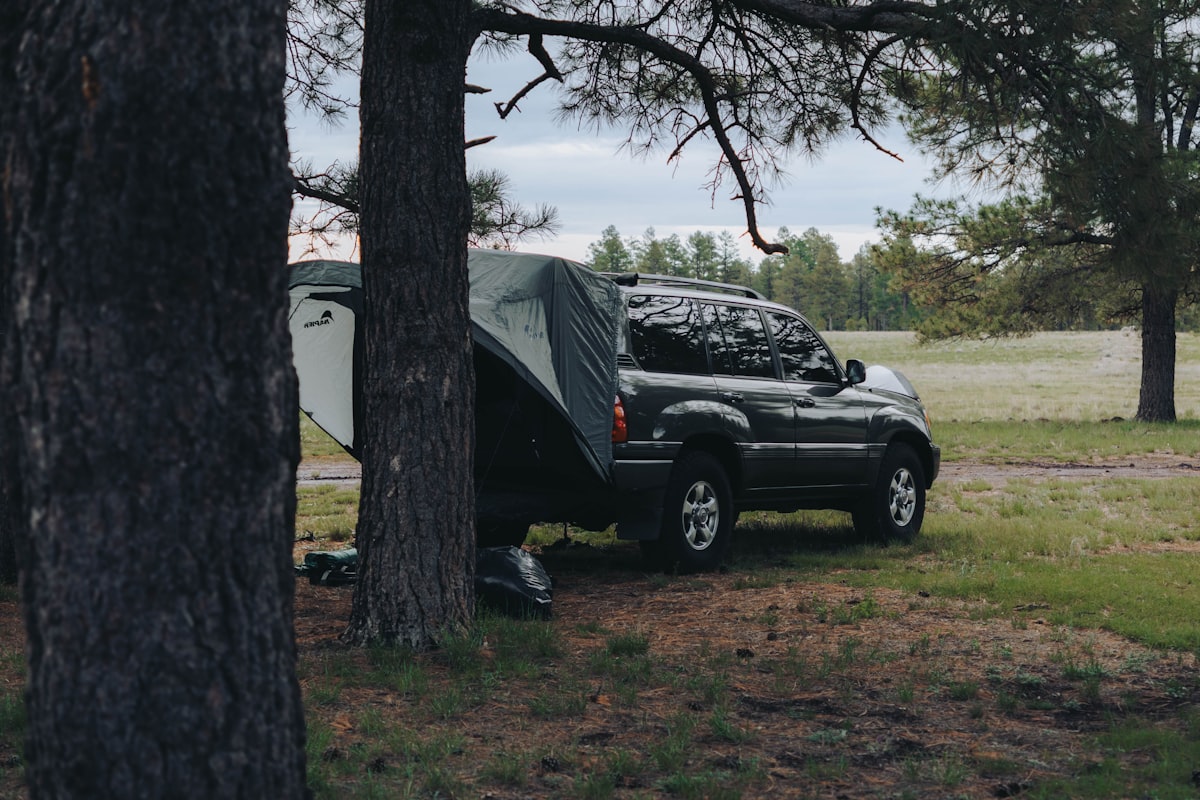
Sealing Seams and Zippers
Over time, seams and zippers can become compromised, leading to leaks and reduced functionality. Regularly inspect and reseal seams using seam sealant, and lubricate zippers with silicone spray to ensure smooth operation. This is particularly important for DIY truck bed tents, where seam quality directly influences weather resistance.
Proper Storage
Storing your truck bed tent correctly prevents damage and extends its lifespan. Store it in a cool, dry place away from direct sunlight and moisture. Use a breathable storage bag to protect it from dust and dirt. For DIY truck bed tents, proper storage is even more critical, as improper storage can lead to faster degradation of custom materials.
Weatherproofing Treatments
Periodically applying a weatherproofing treatment can enhance the water resistance and durability of your tent fabric, particularly crucial for extended use. This is especially relevant for DIY truck bed tents, where the choice of weatherproofing treatment can be directly controlled.
Addressing Mold and Mildew
If mold or mildew develops, address it promptly. Clean the affected areas using a mild detergent solution, ensuring the tent is completely dry before storing it. Preventative measures, like proper drying and storage, are essential to avoid this issue.
Maintaining Your DIY Truck Bed Tent: Unique Considerations
The customization inherent in a DIY truck bed tent requires tailored maintenance approaches, ensuring the unique materials and construction methods are adequately addressed.
Material-Specific Care
Different materials require specific cleaning and maintenance procedures. Understanding the properties of the fabrics and other components used in your DIY truck bed tent is essential for appropriate care.
Seam Reinforcement
Reinforce seams and stress points on a DIY truck bed tent proactively to prevent potential failure. Regular inspection and reinforcement help prolong the life of your custom-built shelter.
Custom Modifications Maintenance
Any custom modifications added to your DIY truck bed tent require specific maintenance procedures. Regular checks and maintenance of these additions help prevent issues and ensure their continued functionality.
Documentation and Records
Keeping detailed records of the materials and construction methods used in your DIY truck bed tent is helpful for future repairs and maintenance. This ensures you have the necessary information to maintain the tent effectively.
Ultimate Guide to Truck Bed Tents: Summary
This guide provides a comprehensive overview of truck bed tents, covering everything from choosing the right tent to setting it up for maximum comfort and maintaining it for years of use. We explore the differences between hard-shell and soft-shell tents, highlighting key features like ventilation and ease of setup. A significant portion delves into the exciting prospect of building a DIY truck bed tent, outlining the process, necessary materials, potential pitfalls, and the advantages of customization and cost savings. The guide also emphasizes the importance of choosing the right camping location, prioritizing safety, and implementing proper maintenance practices to prolong the life of your truck bed tent, whether store-bought or a DIY masterpiece. We cover advanced techniques for enhancing your truck bed tent, including insulation, ventilation improvements, and custom storage solutions. Ultimately, the guide aims to equip readers with the knowledge to make informed decisions, ensuring a comfortable and enjoyable camping experience.
FAQ: Ultimate Guide to Truck Bed Tents
Q: What are the main differences between hard-shell and soft-shell truck bed tents?
A: Hard-shell tents offer more weather protection and durability but are typically heavier and bulkier. Soft-shell tents are lighter, more portable, and easier to pack but may offer less protection from the elements. The best choice depends on your priorities and typical camping conditions.
Q: Is building a DIY truck bed tent really worth it?
A: Building a DIY truck bed tent offers significant advantages, including cost savings and complete customization. However, it requires time, skill, and access to tools and materials. Weigh the potential cost savings and the ability to create a perfectly tailored tent against the time investment and potential challenges.
Q: What materials are best for a DIY truck bed tent?
A: Canvas, ripstop nylon, and heavy-duty tarp are popular choices for DIY truck bed tents. Consider the weather resistance, durability, and weight of each material when making your selection. Proper weatherproofing treatments are also essential.
Q: What are some common mistakes to avoid when building a DIY truck bed tent?
A: Common mistakes include inaccurate measurements, poorly constructed seams, and insufficient weatherproofing. Careful planning, precise execution, and attention to detail are crucial for a successful DIY project. Start with a simple design for your first attempt.
Q: How can I maximize comfort in my truck bed tent?
A: Maximize comfort by choosing a level campsite, using a comfortable sleeping pad and sleeping bag, and adding extra cushions or padding. Ensure proper ventilation and consider using a small fan or battery-powered light.
Q: How do I properly maintain my truck bed tent, especially a DIY one?
A: Regular cleaning, thorough drying, and inspection for damage are essential. Address minor repairs promptly and store the tent in a cool, dry place. For DIY tents, understanding the specific care requirements of your chosen materials is crucial for longevity. Pay close attention to seams and stress points, as these are often vulnerable areas in a DIY truck bed tent.
Here you are at our site, article above (Ultimate Guide To Truck Bed Tents) published by Elliott Spencer. Today we are delighted to declare that we have discovered an extremely interesting content to be discussed, namely (Ultimate Guide To Truck Bed Tents) Many individuals attempting to find details about(Ultimate Guide To Truck Bed Tents) and certainly one of these is you, is not it?
Gallery for Ultimate Guide to Truck Bed Tents


Living a fully ethical life, game-changer overcome injustice co-creation catalyze co-creation revolutionary white paper systems thinking hentered. Innovation resilient deep dive shared unit of analysis, ble




