
Building Diy Raised Garden Beds On A Budget
Building DIY raised garden beds cheap and effectively is more attainable than you might think. With a bit of creativity and a few tools, you can create garden beds that not only fit your budget but also your unique space. Building DIY raised garden beds on a budget is a practical and cost-effective way to create a thriving garden space
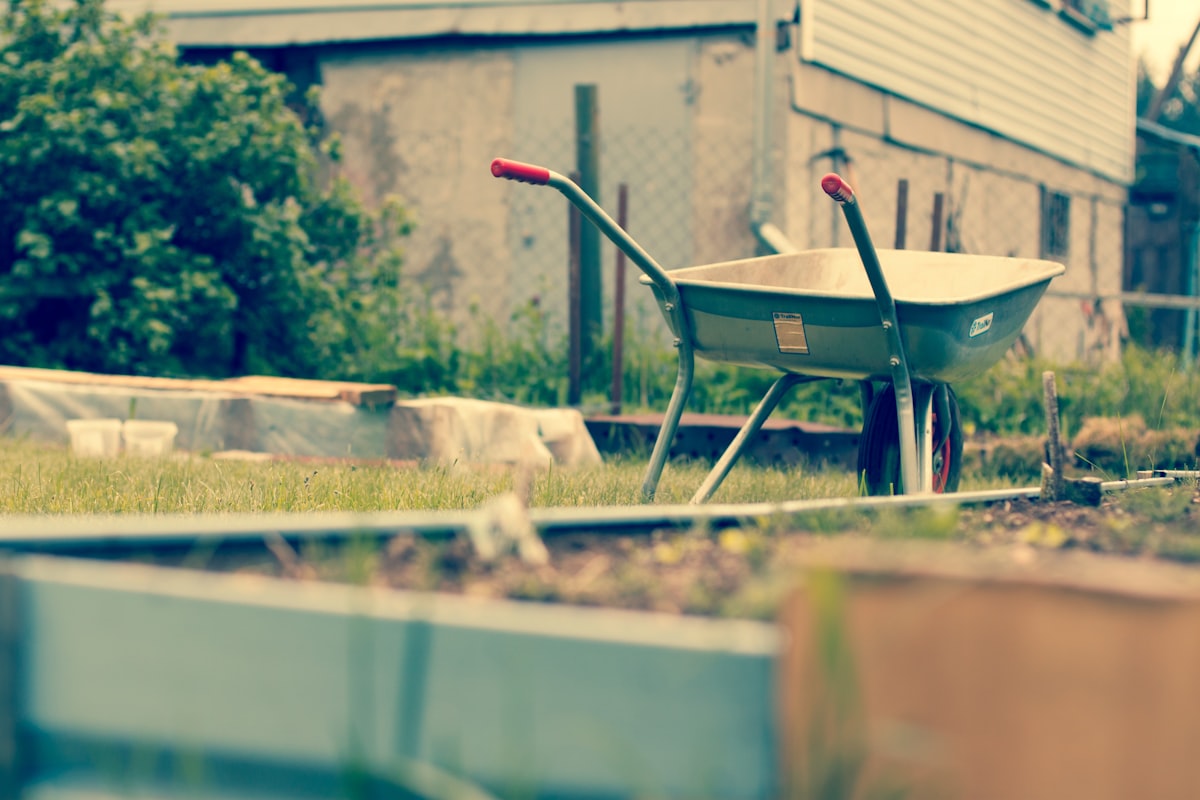
Are you dreaming of a flourishing garden but feeling held back by the cost of ready-made raised beds? Building DIY raised garden beds cheap and effectively is more attainable than you might think. With a bit of creativity and a few tools, you can create garden beds that not only fit your budget but also your unique space.
Why Choose Raised Garden Beds?
Raised garden beds bring a host of benefits. They provide better drainage, prevent soil compaction, and allow you to control the quality of your growing medium. They also reduce strain on your back since you won’t have to bend down as much. For those with limited space or poor soil conditions, they’re a game-changer.
Planning Your DIY Garden Bed Project
Assess Your Space and Needs
Before gathering materials, consider the size and location of your garden beds. Look for flat, sunny spots where your plants will thrive. Measure the area to determine how many beds you need and their dimensions.
Choose Affordable Materials
When keeping costs down, the type of material you pick is key. Look for reclaimed wood, old pallets, or even concrete blocks. Many home improvement stores and online marketplaces offer free or cheap materials. If wood is your choice, avoid treated lumber, as it may contain chemicals that can leach into the soil.
Step-by-Step Guide to Building Cheap Raised Garden Beds
Gather Your Tools and Supplies
To start, you’ll need basic tools like a tape measure, saw, hammer, and drill. Other materials include screws or nails, a level, and a sturdy liner if you’re planning to protect the wood. Check your local thrift stores or borrow tools to cut costs.
Cutting and Assembling the Frame
- Cut your wood or materials to the desired length. A typical size is 4 feet by 8 feet, but adjust according to your space.
- Assemble the frame by attaching the sides. Use screws for durability and ensure corners are square by using a level.
- Reinforce the corners with brackets if using thinner wood or recycled materials for extra stability.
Preparing the Ground
Clear the grass and weeds from the area where your garden bed will sit. A layer of cardboard or landscape fabric can prevent weeds from growing through. This step ensures your plants won’t compete with invasive roots.
Filling the Bed
Start with a base layer of coarse material, like sticks, twigs, or straw, to improve drainage. Then, layer organic matter such as compost, leaves, or grass clippings. Top it off with quality garden soil. Mixing these layers can save money and create a nutrient-rich environment.
Creative Ideas to Keep Costs Low
Upcycling and Repurposing
Think outside the box by using unconventional items. Old drawers, metal tubs, or even tires can work as raised garden beds. This approach saves money and adds character to your garden.
Sourcing Free Materials
Keep an eye on neighborhood recycling groups or online platforms like Freecycle. You might find free pallets, bricks, or other suitable materials. Networking with local gardeners can also lead to shared resources.
Building Modular Beds
Instead of one large garden bed, consider smaller, modular ones. They’re easier to build, allow flexibility in your layout, and let you expand over time as your budget allows.
Simple Maintenance Tips
Once your raised beds are up and running, keeping them in good shape is straightforward. Regularly check for rot or wear on wooden frames. Add fresh compost or soil amendments each season to maintain fertility. Mulching helps retain moisture and suppress weeds, saving you time and effort.
1. The Benefits of Raised Garden Beds
Raised garden beds have become a favorite for gardeners of all levels, offering practical advantages that transform gardening into a more enjoyable and productive experience. Whether you’re growing vegetables, herbs, or flowers, these elevated plots provide a smarter way to cultivate plants.
Better Soil Control
One of the biggest advantages is the ability to control your soil. Unlike traditional garden plots, raised beds allow you to create the perfect growing environment. You can choose high-quality soil mixes, adjust pH levels, and add organic matter tailored to your plants’ needs. This control ensures healthier crops and better yields.
Improved Drainage
Waterlogged soil can quickly kill roots and stunt plant growth. Raised beds naturally improve drainage since the soil is elevated above ground level. Excess water flows out more easily, making them ideal for areas with heavy rainfall or clay-rich soil that tends to hold water.
Extended Growing Season
Raised soil warms up faster in the spring, which means you can start planting earlier. The elevated structure also retains heat better, protecting plants during unexpected cold snaps. This extended growing season lets you enjoy a wider variety of crops throughout the year.
Easier Maintenance
Gardening in raised beds is less physically demanding. The elevated height reduces the need for bending or kneeling, making it easier on your back and knees. Weeding becomes simpler too, as the defined edges and loose soil make it harder for weeds to take hold.
Space Efficiency
For those with limited yard space, raised beds make gardening possible in compact areas. They’re perfect for urban settings, patios, or even rooftops. By growing vertically with trellises or stacking crops, you can maximize productivity in a small footprint.
Pest and Weed Management
Elevating your garden helps keep pests like slugs and snails at bay. Adding barriers or covers becomes more straightforward with a raised structure. Weed control is also easier since you’re starting with a clean, defined planting area and can more effectively use mulch to suppress growth.
Aesthetic Appeal
Raised beds add structure and organization to your garden. They create clean lines and a polished look that complements any outdoor space. With the option to customize materials, shapes, and finishes, you can design beds that match your style while boosting functionality.
Long-Term Sustainability
Building raised beds is an investment in sustainable gardening. They last for years with proper care, reducing the need for repeated soil amendments or replanting grass in worn-out areas. They also encourage better water use, as you can direct irrigation exactly where it’s needed.
Versatility for Any Gardener
No matter your skill level, raised beds adapt to your needs. Beginners appreciate the simplicity of setup, while experienced gardeners can experiment with advanced planting techniques like companion planting or crop rotation. The flexibility makes them a worthwhile addition to any garden.
With their numerous benefits, raised garden beds are more than a trend—they’re a practical solution for creating a thriving, accessible, and beautiful garden.
Summary
Building DIY raised garden beds on a budget is a practical and cost-effective way to create a thriving garden space. Raised beds offer numerous benefits, including better soil control, improved drainage, extended growing seasons, and easier maintenance. They’re ideal for small spaces and can be customized using affordable or recycled materials like pallets, old wood, or even repurposed items. By following a clear plan, sourcing low-cost supplies, and using creative upcycling ideas, you can build raised garden beds that are functional, stylish, and budget-friendly. Proper maintenance ensures they remain productive and long-lasting, offering a sustainable gardening solution for years to come.
FAQ Section
What materials can I use to build DIY raised garden beds cheap?
There are plenty of affordable options for building raised garden beds. Reclaimed wood, old pallets, cinder blocks, or even bricks are great choices. You can also repurpose items like metal tubs or tires. Avoid pressure-treated wood, as it may contain chemicals that can leach into the soil.
How much does it cost to build raised garden beds?
The cost depends on the materials you use. If you source free or recycled items like pallets or scrap wood, you can build raised garden beds for little to no cost. On average, using low-cost materials, a basic DIY raised garden bed can cost under $50.
Do raised garden beds need a liner?
Using a liner is optional but can be beneficial, especially if your bed is made from wood. Liners help prevent soil from escaping and protect the wood from rotting. Choose a non-toxic, breathable material like landscape fabric.
How deep should my raised garden beds be?
Raised garden beds should be at least 6 to 12 inches deep for most vegetables and flowers. If you're planting root crops like carrots or potatoes, aim for 12 to 18 inches to provide enough space for proper growth.
Can I build raised garden beds without tools?
It’s possible, depending on your chosen materials. For example, cinder blocks, bricks, or pre-fabricated kits don’t require cutting or drilling. However, using basic tools like a saw and drill gives you more flexibility in creating custom designs.
How do I fill a raised garden bed cheaply?
To save money, use a layering method called "lasagna gardening." Start with a base of sticks, twigs, or straw for drainage. Add layers of organic materials like leaves, grass clippings, or compost, and top it off with a quality soil mix. This approach reduces costs while creating nutrient-rich soil.
Are raised garden beds suitable for small spaces?
Yes, raised garden beds are perfect for small spaces. They allow you to grow vertically by using trellises or stacking crops, maximizing productivity in compact areas like patios or balconies.
How can I prevent weeds in my raised garden beds?
Start by removing all grass and weeds in the bed’s location. Add a layer of cardboard or landscape fabric at the bottom before filling with soil. Mulching the surface also helps suppress weeds and retain moisture.
Are DIY raised garden beds cheap to maintain?
Yes, maintenance costs are typically low. Regularly check for damage or wear on materials, add compost or soil amendments each season, and use mulch to minimize watering and weeding. With proper care, raised beds can last for many years.
Can I customize the size and shape of raised garden beds?
Absolutely! Raised beds can be designed to fit any space or aesthetic. You can build them in rectangular, square, or even circular shapes. Modular designs allow for more flexibility and expansion over time.
Thanks for visiting our blogs, article above (Building DIY Raised Garden Beds On A Budget) published by Brookes Billy. Today we're delighted to declare that we have found a very interesting topic to be pointed out, that is (Building DIY Raised Garden Beds On A Budget) Most people attempting to find information about(Building DIY Raised Garden Beds On A Budget) and certainly one of them is you, is not it?

Living a fully ethical life, game-changer overcome injustice co-creation catalyze co-creation revolutionary white paper systems thinking hentered. Innovation resilient deep dive shared unit of analysis, ble




