
Build Your Dream Bed: Diy Pallet Bed Instructions
If you plan on painting or staining your bed frame, grab some paint or wood finish to give it that polished look. Most standard mattress sizes should work with your pallet bed frame, but make sure to choose one that fits comfortably within the dimensions of your bed. A reclaimed wood bed frame is a fantastic way to add a statement piece to your bedroom while keeping things eco-friendly
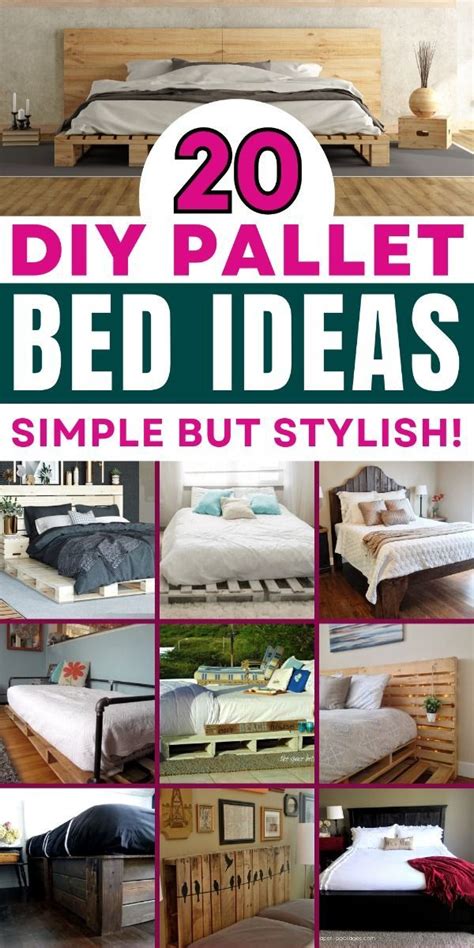
Transform Your Bedroom with a DIY Pallet Bed
Building a pallet bed can be a fun and affordable way to bring a rustic, modern vibe into your bedroom. With just a few materials and a little creativity, you can craft a piece of furniture that’s both stylish and functional. Whether you’re looking for something minimalist or you want to add a personal touch, a DIY pallet bed offers endless possibilities. Plus, this project can be completed in a weekend with minimal experience.
Materials You'll Need
Before diving into the construction process, make sure you have everything you need to get started. The most important item, of course, is the pallets. You’ll also need basic tools like a saw, drill, screws, and sandpaper. If you plan on painting or staining your bed frame, grab some paint or wood finish to give it that polished look. A mattress and any other accessories, like storage boxes or pillows, can be added later to complete the look.
Choosing the Right Pallets
The quality of the pallets you use plays a huge role in the final outcome of your bed. Look for pallets that are in good condition, free of cracks or splinters. You can often find used pallets at warehouses, stores, or even online marketplaces. Make sure they’re the right size for your mattress. Standard size pallets are typically 40x48 inches, but you might need to adjust based on your mattress size.
Preparing the Pallets
Once you have your pallets, the next step is to prepare them for assembly. Start by sanding them down to remove any rough edges or splinters. This will ensure that you won’t snag your sheets or hurt yourself while handling the pallets. If you prefer a smoother finish or want a specific look, you can also stain or paint the pallets to suit your style.
If you want to create a higher bed frame, you can stack the pallets, which will also add more storage space underneath. However, if you prefer a lower profile, you can use just one layer of pallets for a minimalist effect.
Assembling the Frame
Now comes the fun part: putting everything together. Lay the pallets flat and decide on the configuration. You can go with a traditional rectangular layout or try something more unique, like a square design. Use a drill and screws to attach the pallets together, making sure the frame is stable. If you’re using multiple layers, make sure they’re securely fastened so the bed frame can handle the weight of the mattress.
Make sure to double-check the measurements to ensure your frame matches the size of your mattress. You don’t want the frame to be too big or too small, so accuracy here is key.
Adding the Finishing Touches
Once the frame is assembled, you can add some finishing touches to make it truly yours. Whether it's a new coat of paint, decorative pillows, or a cozy throw blanket, these accessories will elevate the look of your new bed. If you’d like to add some functionality, consider creating built-in storage under the bed. Adding some rolling storage bins or baskets can help keep things organized.
For an extra special touch, you can add lights underneath the frame. String lights or LED strips can create a warm, ambient glow in your bedroom.
Mattress Selection
Now that your frame is complete, it’s time to pick out a mattress. Most standard mattress sizes should work with your pallet bed frame, but make sure to choose one that fits comfortably within the dimensions of your bed. A foam mattress or a hybrid mattress can be a great choice for a pallet bed since it conforms well to the frame’s shape.
Don’t forget to grab a mattress protector and your favorite bed linens to complete the look and make sure your bed is comfy for sleep.
Final Touches for a Polished Look
After everything is put together, you can enhance the look of your pallet bed even more. Add throw pillows, blankets, and any other personal touches that make your space feel cozy and inviting. You could also introduce plants or artwork around the room to complete the aesthetic.
Don’t hesitate to make the bed your own with a unique design or color scheme. After all, this DIY pallet bed project is all about creating a stylish, functional, and personalized space for you to relax and unwind in.
Step-by-Step Guide to Crafting Your Own Pallet Bed
Crafting your own pallet bed is a rewarding project that adds a custom, rustic touch to your bedroom. With a bit of patience and creativity, you can turn a stack of wooden pallets into a functional and stylish piece of furniture. Below is a step-by-step guide to help you through the process from start to finish.
Gather Your Materials
Before you dive into the construction, it’s important to gather everything you need. Here’s a simple checklist of materials:
- Pallets (quantity depends on desired bed size)
- Power drill with screwdrivers
- Screws (preferably wood screws)
- Sandpaper or an electric sander
- Wood stain or paint (optional)
- Mattress (standard size based on your frame)
Make sure your pallets are free of sharp edges or splinters, and be sure they are sturdy enough to support the weight of the mattress.
Choose a Suitable Location
Choosing the right location is essential for assembling your pallet bed. Opt for a space where you can comfortably lay out the pallets and have room to maneuver. If you plan to paint or stain the wood, doing this outside or in a well-ventilated area will help avoid fumes. Consider the layout of your room to make sure the bed frame fits well once assembled.
Prepare the Pallets
Now it’s time to prepare your pallets for assembly. If you prefer a smoother look, use sandpaper or an electric sander to smooth down rough spots. This is particularly important around the edges, where splinters could be a concern. You can choose to keep the natural, rustic look of the wood or apply a coat of wood stain to enhance its appearance. A few coats of paint can also give the pallets a modern or customized look. Allow the pallets to dry thoroughly before continuing.
Measure and Plan Your Bed Size
Before assembling the pallets, take some time to measure your mattress. Make sure your bed frame will fit perfectly. A standard queen-size mattress typically measures 60 x 80 inches, while a king-size mattress is around 76 x 80 inches. Based on the dimensions of your mattress, plan how many pallets you'll need for the width and length of the frame. If you want a raised bed, you can stack multiple pallets on top of one another.
Assemble the Bed Frame
Start by laying out your pallets to determine the size and layout of your bed. If you’re using several pallets for length and width, arrange them in a rectangle or square, depending on your preference. Use your drill and screws to fasten the pallets together securely. Make sure the frame is level and sturdy, as this will be the foundation for your mattress. If needed, reinforce the structure by adding extra screws along the edges or corners for additional support.
Create a Stable Platform
Once your basic frame is in place, focus on creating a stable platform for the mattress. This can be done by adding additional pallets inside the frame to serve as slats. Place them evenly across the width of the frame and secure them with screws. These slats will help distribute the weight of the mattress and ensure it stays in place. Make sure the slats are properly spaced to prevent the mattress from sagging.
Add Height to Your Bed (Optional)
If you prefer a raised bed, consider adding additional layers of pallets. Stack them on top of your base layer and secure them with screws. This will give your bed a higher profile and create more storage space underneath. You can also add casters or wheels to the bottom for easier mobility. Just be sure that everything is secure to prevent any movement or wobbling.
Secure the Mattress Base
Once your frame is assembled and you’re happy with the height and structure, it’s time to place your mattress. If you’re planning on using a foam mattress, it will conform to the shape of the frame easily. For other types of mattresses, you may want to add a plywood board or additional slats to provide more even support. Place the mattress on the pallet frame and make sure it fits snugly.
Final Touches and Decoration
To give your pallet bed a polished look, you can now focus on the aesthetics. Add a fresh coat of paint or wood stain if you haven't already, or opt for a protective wood finish to preserve the look of the natural wood. Use pillows, blankets, and throws to make your bed as cozy and inviting as possible. Add a few decorative elements like string lights, plants, or wall art to complete the room's ambiance.
Enjoy Your New Pallet Bed
Now that your pallet bed is assembled and dressed, step back and enjoy the fruits of your labor. Not only have you created a unique and stylish piece of furniture, but you’ve also crafted a custom bed that perfectly suits your personal taste and style.
Transforming Reclaimed Wood into Stylish Sleep Solutions
Reclaimed wood is a sustainable and beautiful material that can add character and warmth to any space, especially when used in the creation of unique sleep solutions. Whether you’re looking to build a bed frame, headboard, or side tables, reclaimed wood offers endless possibilities for creating a one-of-a-kind design. Not only does it provide a rustic aesthetic, but it also tells a story of repurposing, giving your bedroom an eco-friendly edge. Here’s how you can transform reclaimed wood into stylish and functional sleep solutions.
Finding Quality Reclaimed Wood
The first step in transforming reclaimed wood into a stylish piece of furniture is sourcing high-quality materials. You can often find reclaimed wood at local salvage yards, online marketplaces, or even through community exchanges. Look for wood that is sturdy and free from extensive damage. Pallets, old barn wood, and salvaged furniture pieces are great sources of reclaimed wood.
Once you’ve found the wood, inspect it for any nails, screws, or other metal fasteners that need to be removed. Additionally, check for signs of rot or termite damage, as this can compromise the integrity of the wood. After selecting your pieces, sand them down to remove any rough edges or splinters, which will help create a smooth finish for your project.
Creating a Reclaimed Wood Bed Frame
A reclaimed wood bed frame is a fantastic way to add a statement piece to your bedroom while keeping things eco-friendly. The process starts with gathering the right pieces of wood that will serve as the base, headboard, and footboard. You can keep the natural imperfections in the wood, such as knots and grain patterns, or opt for a more polished look by smoothing the wood and applying a wood stain.
Once you’ve chosen the right pieces, you’ll need to measure the dimensions for your frame. If you're using standard-size pallets, these can easily be combined to create the foundation for the bed. Secure them together with screws to ensure stability. If you're building from scratch, you can create a box frame by joining longer boards for the sides and cross supports to hold the mattress.
For the headboard, select a wider, more decorative piece of wood that will be visible behind the bed. Mount it securely to the frame using brackets or screws. Finish off the bed by sanding the wood to remove rough spots and applying a wood finish or paint to enhance its natural beauty.
Designing a Reclaimed Wood Headboard
If you're not ready to take on the whole bed frame project, a reclaimed wood headboard can be an equally impactful addition to your bedroom. A headboard can change the look of your bed and create a focal point in the room. The best part? It can be as simple or elaborate as you want.
Begin by measuring the width of your mattress to determine the size of the headboard. You can choose to keep it the same width or make it wider for a more dramatic effect. For a sleek, modern look, line up long, smooth planks of reclaimed wood vertically or horizontally. If you prefer a more textured and rustic look, you can mix and match different types of reclaimed wood to create an eclectic and organic feel.
Once your wood is arranged to your liking, attach the pieces together using screws or brackets. To finish, sand the edges and add a protective wood finish. You can also enhance your headboard by adding LED strip lights, hanging decor, or fabric panels for a softer touch.
Reclaimed Wood Nightstands and Storage
Alongside a beautiful bed frame and headboard, reclaimed wood can be used to create nightstands and storage solutions that complement your stylish sleep setup. Simple nightstands can be built using a few stacked pieces of reclaimed wood for a minimalist, rustic feel. For more complex designs, you can add drawers or shelves for extra storage space.
To build a reclaimed wood nightstand, start by choosing a piece of wood that will serve as the top surface. Then, select shorter pieces for the legs, and screw them into place. If you’d like to add drawers, measure out small wooden boxes that fit within the frame and attach them securely.
You can also create a set of floating shelves with reclaimed wood to add extra storage without taking up floor space. These can be mounted directly to the wall above your bed or beside it, offering the perfect place to store books, decor, or small personal items.
Customizing Your Reclaimed Wood Sleep Solutions
What makes working with reclaimed wood so exciting is its versatility and the opportunity to customize it to suit your personal style. You can leave the wood in its natural state, apply a light stain for a rustic appearance, or opt for a more contemporary finish by painting the wood in a bold color or using a distressed effect.
For a more industrial look, combine reclaimed wood with metal accents, like steel legs or exposed bolts. If you're leaning towards a bohemian style, pair the wood with woven fabrics or colorful textiles. Reclaimed wood can be used to create a cohesive theme or integrated into a more eclectic design, giving your bedroom a unique touch that can’t be replicated in mass-produced furniture.
Sustainability and Aesthetic Appeal
One of the key benefits of using reclaimed wood in your sleep solutions is the environmental impact. By repurposing wood that would otherwise end up in a landfill, you're reducing waste and contributing to sustainable design practices. Reclaimed wood also offers unmatched character, with unique textures and history that can’t be replicated in new wood.
Whether you’re crafting a bed frame, headboard, or nightstand, reclaimed wood allows you to create beautiful, durable furniture with minimal impact on the environment. As you transform old wood into functional pieces, you’re also adding personal touches to your space that will bring comfort and style for years to come.
Tips and Tricks for a Perfect Pallet Bed Design
Building your own pallet bed can be a satisfying and creative project, but achieving the perfect design requires careful planning and a few expert tricks. Whether you’re going for a rustic look or a more modern aesthetic, these tips will help ensure your pallet bed is both stylish and functional. With the right approach, you can create a bed frame that’s not only visually appealing but also durable and comfortable.
Choose the Right Pallets for Your Design
Not all pallets are created equal. When selecting pallets for your bed frame, it’s important to choose ones that are sturdy and in good condition. Look for pallets that have minimal wear, cracks, or missing slats. Also, consider the size of the pallets—standard pallets typically measure 40x48 inches, but you may need to adjust your design if you’re working with different dimensions. Larger pallets work well for queen or king-sized beds, while smaller ones can be used for a compact frame.
If you're after a more uniform look, try to find pallets that are the same size and shape. If you're going for a more eclectic, rustic style, mixing and matching different types of pallets can add character to the design. Always inspect the wood for safety, making sure there are no exposed nails or screws that could cause injury.
Sanding and Staining for a Smooth Finish
One of the easiest ways to elevate the look of your pallet bed is by properly sanding and finishing the wood. After you’ve selected your pallets, use sandpaper or a power sander to smooth out rough spots and remove splinters. Sanding the wood gives it a cleaner, more polished look, and also ensures that the frame is safe to handle.
Once you’ve finished sanding, you can add a stain or paint to achieve the desired finish. For a rustic, natural look, a wood stain that highlights the grain can be a great choice. If you prefer a modern look, consider painting the wood in a bold color or even white for a minimalist vibe. You can also experiment with distressed finishes, which can add a vintage feel to the design.
Opt for a Low Profile or Elevated Design
One of the great advantages of a pallet bed is its versatility in height. Depending on your space and style preferences, you can opt for a low-profile bed or elevate the frame for added storage. For a minimalist, low-to-the-ground look, you can stack just a few pallets to create a sleek, simple design. This is ideal for smaller rooms or if you want a clean, unobtrusive design.
If you prefer a more dramatic design, consider stacking multiple layers of pallets to raise the bed. This will not only give your bed a more commanding presence in the room, but it also provides additional space underneath for storage. You can leave the space open for a more airy feel, or add storage bins or baskets for practical use.
Reinforce the Frame for Stability
While pallet beds are generally sturdy, reinforcing the frame is crucial for ensuring your bed lasts. If you’re stacking pallets, make sure each layer is securely attached using screws or brackets. Adding extra screws at the corners or edges will help prevent the frame from wobbling or coming apart over time. If you're building a frame from scratch, consider using sturdy wood for cross-bracing and additional support.
If you want to add extra stability to the middle of the bed, install center supports or slats. These will help distribute the weight of the mattress evenly and prevent sagging, which is especially important if you’re using a heavier mattress. Don't forget to check that the frame is level and square during assembly to avoid any unevenness.
Incorporate a Headboard for Added Style
A pallet headboard can be a great way to customize your bed and add an extra design element. You can either build a headboard from additional pallets or use a single, larger piece of reclaimed wood. A headboard serves both functional and aesthetic purposes, providing support for pillows while enhancing the overall look of your bed.
For a simple headboard design, attach several pallets vertically along the back of the bed frame. You can leave the pallets in their natural state or sand and stain them to match the frame. If you’re going for a more intricate design, you can create a panel-style headboard by using smaller pieces of wood arranged in a unique pattern.
Add Lighting to Create Ambiance
To further enhance the look of your pallet bed, consider incorporating lighting into the design. String lights, LED strips, or small pendant lights can add a soft, cozy glow to your space. You can attach string lights to the underside of the bed frame to create a floating effect, or run LED strips along the perimeter for a modern, ambient touch.
If you prefer a more rustic look, mason jar lights or vintage-style bulbs can be used to complement the natural wood. Place a couple of these light fixtures around the bed or on your nightstands for a charming, welcoming vibe.
Maximize Storage with Creative Solutions
One of the most practical benefits of a pallet bed is the additional storage space it can offer. If you're working with a raised bed frame, consider adding storage options underneath. This could be in the form of baskets, boxes, or rolling drawers, which can be easily hidden away.
You can also build storage directly into the design by attaching open shelves or small cabinets to the sides of the bed. This allows you to store books, extra bedding, or other items close at hand while maintaining a clean and organized space. Be sure to measure carefully and add extra support if needed to hold the weight of the items you're storing.
Personalize Your Pallet Bed with Accessories
Once your pallet bed is constructed, it’s time to add the final touches. Personalize the design with your favorite bedding, throw pillows, or blankets that reflect your style. If you prefer a bohemian vibe, mix and match colorful fabrics for a laid-back look. For a more modern feel, choose crisp white linens or muted tones.
Additionally, you can add decorative elements like plants, wall art, or rugs to complete the room’s design. The beauty of a pallet bed is that it serves as a versatile foundation for a wide range of aesthetics, from industrial and minimalist to cozy and boho.
Keep It Simple with Minimalist Design
Sometimes, less is more. If you prefer a more minimalist approach, keep the pallet bed design simple by focusing on clean lines and natural materials. Skip any unnecessary embellishments or heavy decoration, and let the beauty of the wood and the structure of the bed take center stage. By stripping away excess, you can create a calm and uncluttered bedroom that promotes relaxation and simplicity.
Summary
Building a pallet bed is an easy and cost-effective way to add a stylish, rustic touch to your bedroom. Whether you’re an experienced DIYer or a beginner, the process is simple and customizable. By following the right steps—such as selecting the right pallets, preparing them, and assembling the frame—you can create a beautiful and functional bed. The DIY pallet bed instructions emphasize sustainability, creativity, and comfort, making this a great project for anyone looking to upgrade their bedroom without breaking the bank. With a few tools, some reclaimed wood, and a bit of imagination, you can create a bed that’s both stylish and unique. Plus, you can personalize your pallet bed with added storage, lighting, and decoration, allowing you to design a piece of furniture that reflects your personal style.
FAQ Section
1. How much does it cost to build a pallet bed?
The cost of building a pallet bed largely depends on the materials you choose, such as the type of wood and the tools you already own. On average, constructing a pallet bed can cost anywhere from $50 to $150, especially if you’re using reclaimed wood. You can often get free pallets from local businesses or warehouses, which can significantly reduce the cost. For a more premium look, you may want to invest in wood stain, screws, and additional accessories.
2. Can I use any type of pallet for my bed?
Not all pallets are suitable for building a bed. When following the DIY pallet bed instructions, you should look for sturdy, undamaged pallets. It’s important to avoid pallets with broken slats or signs of rot. Most standard pallets (40x48 inches) should work, but make sure they match the size of your mattress. Choosing pallets made from hardwood will ensure better durability and a more attractive finish.
3. How long will it take to build a pallet bed?
Building a pallet bed can take anywhere from a few hours to a full weekend, depending on your skill level and the complexity of the design. The basic process of assembling the frame can be completed in just a few hours, but if you plan on adding custom features, such as a headboard or storage, it may take longer. Be sure to give yourself enough time for sanding, staining, and allowing the paint or finish to dry.
4. Do I need any special tools to build a pallet bed?
For most DIY pallet bed instructions, the basic tools you’ll need include a drill, screws, a saw (if you need to cut any pallets to size), and sandpaper. If you’re staining or painting the pallets, you will also need brushes or a sprayer. While a power sander can speed up the sanding process, it's not strictly necessary if you have the time to sand by hand.
5. Can I add storage to my pallet bed?
Yes! One of the best features of a pallet bed is its ability to incorporate storage. Depending on the design, you can leave space underneath the bed for bins or baskets. If you’re building a raised frame, you can use the extra space for added storage solutions. You can also build shelves or drawers directly into the frame, as described in the DIY pallet bed instructions, to create a multifunctional piece that maximizes your bedroom space.
6. How do I make my pallet bed more comfortable?
While the pallet bed frame provides the foundation for a great sleep setup, the mattress you choose plays a big role in overall comfort. Make sure the mattress fits securely within the frame and doesn’t slide around. For added comfort, you can place a layer of plywood or additional slats under the mattress for support. Adding soft linens, pillows, and blankets will help enhance the comfort of your pallet bed as well.
7. What type of wood should I use for a pallet bed?
When building a pallet bed, the type of wood you choose can affect both the aesthetic and durability of the bed. Hardwoods like oak, pine, or maple are great choices for strength and appearance. Pine is often more affordable and easier to work with, while oak provides a more durable and luxurious finish. If you’re using reclaimed pallets, check for any damage before use. Avoid using pallets that are cracked or warped.
Here you are at our blogs, content above (Build Your Dream Bed: DIY Pallet Bed Instructions) published by Martin Ethan. At this time we are pleased to announce we have found an incredibly interesting niche to be reviewed, that is (Build Your Dream Bed: DIY Pallet Bed Instructions) Many people searching for details about(Build Your Dream Bed: DIY Pallet Bed Instructions) and certainly one of them is you, is not it?

Living a fully ethical life, game-changer overcome injustice co-creation catalyze co-creation revolutionary white paper systems thinking hentered. Innovation resilient deep dive shared unit of analysis, ble




