
Say Goodbye To Bed Bugs: Effective Diy Solutions
Heat is one of the most effective ways to kill bed bugs and their eggs. While essential oils like tea tree, lavender, and peppermint won't kill bed bugs outright, they can help keep them away. Essential oils may not kill bed bugs on contact, but their strong scents make your home a less appealing place for these pests
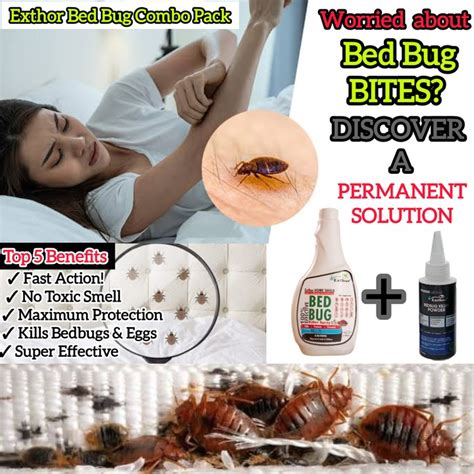
Identifying the Problem
Before jumping into solutions, it's important to figure out if bed bugs are really the issue. Check for small reddish-brown insects, tiny dark stains on your mattress, and itchy bites that appear in clusters or lines. Focus on areas like mattress seams, bed frames, and cracks in walls or floors. A flashlight and magnifying glass can help you spot them better.
Preparing Your Space for Treatment
Decluttering comes first. Bed bugs hide in the smallest crevices, so clearing out unnecessary items will make it easier to clean and treat surfaces. Wash all bedding, clothing, and fabric items in hot water and dry them on the highest setting. Heat kills both bugs and their eggs. Store clean items in sealed bags or containers to prevent reinfestation.
Vacuum every inch of the affected areas, including mattresses, box springs, carpets, and furniture. Pay special attention to cracks, seams, and edges. Immediately dispose of the vacuum bag or clean the vacuum canister thoroughly to ensure no bugs escape.
DIY Treatments to Eliminate Bed Bugs
High Heat Solution
Heat is one of the most effective ways to kill bed bugs and their eggs. Launder all washable items using hot water and dry them on high heat. For non-washable items like shoes, stuffed animals, or books, try a steam cleaner. Handheld steamers work well for treating furniture, curtains, and mattresses.
For smaller items, seal them in black plastic bags and place them under direct sunlight for a day. The temperature inside the bags will rise high enough to eliminate the pests.
Freezing for Delicate Items
Cold can also be effective, but it takes longer. Seal smaller items in plastic bags and leave them in a freezer set to 0°F (-18°C) for at least four days. This method works best for fabrics, books, and other delicate belongings.
Diatomaceous Earth
Diatomaceous earth is a natural, chemical-free solution. Sprinkle the fine powder along bed frames, baseboards, cracks, and other hiding spots. The powder damages the bugs' exoskeletons, causing them to dehydrate and die. Leave it in place for a few days before vacuuming. Be sure to use food-grade diatomaceous earth and wear a mask during application to avoid inhalation.
Essential Oils for Repelling Bugs
While essential oils like tea tree, lavender, and peppermint won't kill bed bugs outright, they can help keep them away. Mix a few drops of your chosen oil with water and spray the solution on mattresses, furniture, and other infested areas. Combine this method with other treatments for better results.
Protecting Your Bed
Focus on making your bed a safe zone. Use mattress and box spring encasements that are specifically designed to trap bed bugs. These covers prevent the bugs from getting in or out, essentially starving them over time. Bed bug interceptors placed under each leg of your bed can catch bugs trying to climb up.
Move the bed away from the wall and ensure no bedding touches the floor. This minimizes the chances of bugs climbing back onto the mattress.
Monitoring After Treatment
Once you've implemented these DIY strategies, monitor the situation closely. Sticky traps, interceptors, or regular inspections will help you spot any lingering bugs. Continue vacuuming and steaming regularly, and wash bedding weekly to ensure the infestation is fully under control.
Wipe Out the Infestation: Preparing for Battle
Clear the Clutter
Bed bugs thrive in small, hidden spaces, so cleaning up is the first step. Get rid of piles of clothing, papers, and random objects on the floor or under the bed. The fewer hiding spots, the better your chances of success. Anything washable should head straight to the laundry. Bag it up before moving it to avoid spreading bugs to other rooms.
Wash and Heat-Treat Fabrics
Heat is your best ally when tackling a bed bug problem. Wash all bedding, linens, and clothing on the hottest water setting. Then dry everything on high heat for at least 30 minutes. The heat kills both the bugs and their eggs. For delicate items, consider placing them in a dryer-safe bag or steaming them directly.
Vacuum Every Crevice
A thorough vacuum session can pull bed bugs out of cracks, seams, and folds. Focus on mattresses, box springs, baseboards, furniture, and carpets. Use a nozzle attachment to get deep into corners and creases where they like to hide. When you're done, seal the vacuum bag in a plastic bag and toss it outside immediately. If using a bagless vacuum, empty the canister into a sealed bag and clean it thoroughly.
Steam for Deep Penetration
Steam treatment works wonders for areas where vacuuming can’t reach everything. A good handheld steamer can penetrate upholstery, mattresses, and carpeting with high heat. Move slowly to ensure the steam reaches deep enough to kill bugs and eggs. Avoid oversaturating surfaces to prevent moisture buildup.
Seal and Contain Furniture
Encasing your mattress and box spring in bed bug-proof covers traps any bugs inside, cutting off their food supply. Leave the covers on for at least a year to make sure everything inside dies off. For furniture, check seams, folds, and cushions, then seal cracks or gaps with caulk.
Targeted Powder Treatments
Food-grade diatomaceous earth is a reliable DIY option to get rid of bed bugs. Sprinkle it lightly along baseboards, bed frames, and any cracks or gaps where bugs might travel. The powder dehydrates them over time, making it an effective long-term solution. Wear a mask when applying it to avoid inhaling the fine particles.
Monitor and Inspect Regularly
Bed bug treatment isn’t a one-and-done solution. Use interceptors under bed legs to catch any stragglers trying to climb up. Sticky traps can also help monitor activity around furniture and baseboards. Keep inspecting weekly for signs of bugs, like small stains or shed skins, to make sure the infestation is fully under control.
Natural Enemies: Using Essential Oils to Repel Bed Bugs
Why Essential Oils Work
Essential oils may not kill bed bugs on contact, but their strong scents make your home a less appealing place for these pests. The oils disrupt their ability to navigate and feed, forcing them to retreat. Combining this method with other DIY strategies improves your chances of success.
The Best Essential Oils to Try
Certain oils are more effective at repelling bed bugs than others. Here are the top options to consider:
- Tea Tree Oil: Known for its antibacterial properties, tea tree oil also works as a bed bug deterrent. Its sharp scent keeps them from lingering.
- Lavender Oil: Bugs hate the calming aroma of lavender. A bonus? It leaves your space smelling fresh.
- Peppermint Oil: The strong menthol scent drives bed bugs away and adds an energizing aroma to your room.
- Eucalyptus Oil: This oil works similarly to peppermint, creating an unwelcoming environment for pests.
- Lemongrass Oil: Its citrusy scent not only repels bed bugs but may also dry out their eggs.
Creating a DIY Essential Oil Spray
Mixing your own essential oil spray is quick and budget-friendly. Start with a small spray bottle and combine 10-15 drops of your preferred oil with water. Add a splash of rubbing alcohol or witch hazel to help the mixture disperse evenly. Shake well before each use.
Spray the solution on mattresses, bed frames, headboards, curtains, and carpets. Focus on cracks, crevices, and seams—anywhere bed bugs could hide. Reapply daily for the best results.
Essential Oil Diffusers for Long-Term Use
A diffuser is an easy way to keep essential oils working in the background. Set one up in the bedroom or other infested areas and let the aroma fill the space. While it won’t replace more aggressive treatments, it helps make your home less inviting to wandering bed bugs.
Combining Oils for Stronger Results
Essential oils work well on their own, but blending them can boost their effectiveness. Mix lavender with tea tree for a calming yet potent repellent, or combine peppermint and eucalyptus for an extra punch. Test small batches to find a blend you like.
Safety Tips When Using Essential Oils
Essential oils are natural, but they’re still potent. Always dilute them with water or a carrier oil to avoid skin irritation. If you have pets, research which oils are safe for them—some, like tea tree, can be harmful to cats and dogs. Avoid spraying oils directly on pillows or bedding if you have sensitive skin.
Here you are at our website, content above (Say Goodbye To Bed Bugs: Effective DIY Solutions) published by Peters Riley. At this time we are excited to declare that we have found an extremely interesting content to be discussed, namely (Say Goodbye To Bed Bugs: Effective DIY Solutions) Lots of people looking for details about(Say Goodbye To Bed Bugs: Effective DIY Solutions) and of course one of them is you, is not it?

Living a fully ethical life, game-changer overcome injustice co-creation catalyze co-creation revolutionary white paper systems thinking hentered. Innovation resilient deep dive shared unit of analysis, ble




