
Build Your Own Diy Bunk Bed Ladder: A Step-By-Step Guide
Building your own bunk bed ladder offers several compelling advantages over buying a pre-made one. Building your own bunk bed ladder is more than just a project; itâs a hands-on experience that can foster a sense of pride and accomplishment. Apply your chosen finishâstain, paint, or sealantâand allow it to dry thoroughly before carefully installing the ladder against the bunk bed frame

Build Your Own DIY Bunk Bed Ladder: A Step-by-Step Guide
Planning Your DIY Bunk Bed Ladder Project
First things first: measurements are key. You need to accurately measure the height between the floor and the top bunk. This determines the overall ladder length. Consider the distance between the bunk bed frame and the wall, too – this will impact the ladder's width and the number of steps you'll need. Think about the style you want. A simple, straight ladder? Or something a little more stylish? Material choice also matters; pine is affordable and easy to work with, but hardwood offers greater durability.
Choosing Your Materials
Pine is a popular choice for its affordability and workability. If you want something more robust, hardwood is a good option, though it will cost more. You’ll also need screws – choose sturdy ones designed for wood. Wood glue provides extra strength and stability. Sandpaper, in various grits, is essential for a smooth finish. Safety is crucial, so don't forget safety glasses and a dust mask.
Essential Tools
You'll need a saw, preferably a miter saw for clean cuts, but a hand saw will do. A drill with various drill bits is essential for creating pilot holes before screwing, preventing wood splitting. A level is vital to ensure each step is perfectly horizontal. Clamps will keep everything secure while the glue dries. Finally, a measuring tape and pencil are indispensable.
Constructing the Ladder Rungs
Cut your rung pieces to the desired length. Keep in mind the space between rungs; comfortable spacing is important for safe climbing. After cutting, carefully sand the edges to prevent splinters. Apply wood glue to the ends of each rung before attaching them to the side supports. Clamp everything firmly to allow the glue to set completely. This ensures a strong and lasting bond.
Attaching the Side Supports
The side supports form the vertical structure of your ladder. Measure and cut them to the precise height needed. Position them parallel to each other, maintaining consistent spacing for the rungs. Before attaching the rungs, double-check your measurements – accuracy here is crucial for a safe and sturdy ladder.
Drilling Pilot Holes and Securing
Drilling pilot holes in the side supports before screwing in the rungs is critical. This prevents the wood from splitting and ensures a strong, secure connection. Use the appropriate size drill bits for your screws. Once the rungs are attached, take another look to make sure everything is level.
Finishing Touches
Sand the entire ladder once again after all the components are firmly attached. This will provide a smooth surface and improve the ladder’s overall appearance. Apply a wood finish or paint – this protects the wood and adds a personal touch. Let it dry completely before installing.
Mounting Your DIY Bunk Bed Ladder
Carefully position the ladder against the bunk bed frame, ensuring it's securely attached. Use appropriate screws and fasteners for a strong and stable connection. Double check the ladder’s stability before letting anyone climb it. Remember, safety always comes first.
Building Your Own Bunk Bed Ladder: A Cost-Effective and Personalized Solution
Why Choose DIY?
Building your own bunk bed ladder offers several compelling advantages over buying a pre-made one. It’s significantly cheaper, allowing you to save money while maintaining high-quality materials and construction. You also gain complete control over the design, tailoring the ladder’s dimensions, style, and materials to perfectly complement your bunk bed and bedroom decor. This personalization is a key benefit – you're not limited to pre-defined options. A DIY approach also offers a rewarding sense of accomplishment, transforming a simple home improvement project into a memorable experience.
Cost Savings: A Significant Advantage
The cost of purchasing a ready-made bunk bed ladder can be surprisingly high. DIY allows you to source materials at your own pace and often find better deals, especially if you utilize reclaimed or repurposed wood. This substantial cost reduction is one of the most significant motivators for many people choosing the DIY route.
Material Choices and Customization
Pre-made ladders typically offer limited material choices. DIY opens the door to a world of possibilities. You can select the exact type of wood you prefer, whether it’s sturdy pine, elegant oak, or even recycled materials. This personalized approach extends to the ladder's style; you can create a simple, minimalist ladder or something more intricate and unique.
Design Flexibility: Create Your Dream Ladder
The ability to customize the design of your bunk bed ladder is a key selling point of a DIY approach. Think about the ideal height, width, and number of rungs. Match the ladder to the overall style of your bunk bed, your bedroom's decor, or even the personality of the child who will be using it. Pre-made ladders seldom allow for such precise customization.
A Rewarding DIY Project
Building your own bunk bed ladder is more than just a project; it’s a hands-on experience that can foster a sense of pride and accomplishment. It's a chance to enhance your woodworking skills and create a functional piece of furniture that truly reflects your own style and creativity. The satisfaction of seeing your design come to life is immeasurable.
Your DIY Bunk Bed Ladder: A Step-by-Step Guide
Gathering Materials and Tools
Before you begin constructing your DIY bunk bed ladder, ensure you have all the necessary materials and tools readily available. Proper preparation significantly streamlines the building process and minimizes interruptions.
Essential Materials
The list of materials needed depends largely on your chosen design and the dimensions of your bunk bed. However, some core materials remain consistent across most designs. You'll need lumber for the ladder's sides and rungs. Common choices include pine for its affordability and workability, or more durable hardwoods for added strength. Consider the length required for the sides and the number of rungs, allowing extra for cuts and potential mistakes. Wood screws, sized appropriately for the wood you're using, are crucial for securing the structure. Wood glue adds strength and helps prevent the wood from splitting. Finally, sandpaper, in various grits, smooths the surface for a safer, more aesthetically pleasing finish.
Don't Forget the Finishing Touches
Once the ladder is assembled, you'll want to finish it. This could include a wood stain, paint, or a clear sealant to protect the wood from wear and tear. Consider the overall aesthetic of your bedroom and choose a finish that complements your decor. Safety equipment is also crucial; safety glasses and a dust mask will protect you during the building process.
Essential Tools
The tools needed are also fairly standard for most woodworking projects. A saw, whether a hand saw or a miter saw for precise cuts, is essential for cutting the lumber to the required dimensions. You'll need a drill with various drill bits to create pilot holes before screwing, preventing the wood from splitting. A level is crucial for ensuring that the rungs are perfectly horizontal and that the side supports are perfectly vertical – a wobbly ladder is dangerous. Clamps are vital for holding the components together while the glue dries. Finally, a measuring tape and pencil are indispensable for accurate measurements and marking.
Power Tools vs. Hand Tools
While power tools like a miter saw and a power drill can speed up the process, the project is entirely feasible with hand tools. The choice depends largely on personal preference, available tools, and your comfort level with power tools. Remember to prioritize safety, regardless of your chosen tools.
Assembling Your DIY Bunk Bed Ladder
Cutting the Lumber
Begin by cutting the lumber for the sides and rungs to your pre-determined dimensions. Ensure your cuts are precise and square, as any inaccuracies will be magnified in the finished product. A miter saw delivers superior accuracy compared to a hand saw.
Attaching the Rungs
Apply wood glue to the ends of each rung and position them between the side supports at equal intervals. Pre-drill pilot holes before screwing to prevent the wood from splitting. Ensure each rung is level and firmly attached before moving on to the next. Clamps will help maintain the integrity of the structure during the drying process.
Finishing and Installation
Once the glue has dried completely, sand the entire ladder to smooth out any rough edges or imperfections. Apply your chosen finish—stain, paint, or sealant—and allow it to dry thoroughly before carefully installing the ladder against the bunk bed frame. Always double-check the stability of the finished ladder before allowing anyone to use it.
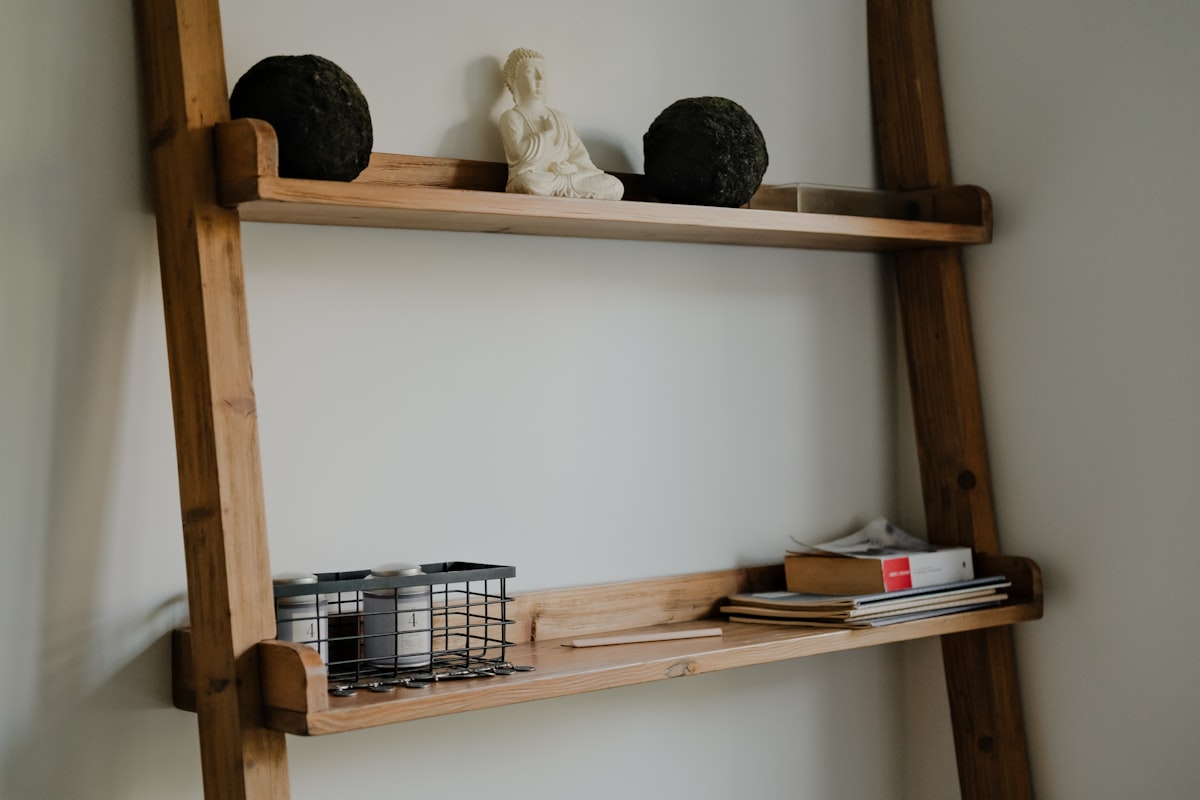
Building Your Own DIY Bunk Bed Ladder: A Comprehensive Guide
This guide provides a complete walkthrough on building a DIY bunk bed ladder, a cost-effective and highly customizable alternative to store-bought options. We cover planning and design considerations, including material selection (pine, hardwood, etc.) and accurate measurements. Detailed instructions are given on constructing the ladder, emphasizing the importance of tools like saws, drills, and levels, and the proper use of wood glue and screws for a sturdy structure. The process includes cutting the lumber for the sides and rungs, attaching the rungs securely, and finishing with sanding and applying a protective coat. Finally, the guide covers the crucial step of safely mounting the DIY bunk bed ladder to the bunk bed frame. Throughout, the emphasis is on building a safe and visually appealing ladder tailored to your specific needs and preferences.
Frequently Asked Questions (FAQ)
Q: What type of wood is best for a DIY bunk bed ladder?
A: Pine is a popular and affordable choice due to its ease of working with. Hardwoods like oak or maple offer greater durability but come at a higher cost. The best choice depends on your budget and desired level of sturdiness.
Q: What tools are absolutely essential for building a DIY bunk bed ladder?
A: You'll need a saw (miter saw preferred), a drill with various drill bits, a level, clamps, a measuring tape, a pencil, and sandpaper. Safety glasses and a dust mask are crucial for safety.
Q: How do I ensure the ladder is securely attached to the bunk bed?
A: Use appropriately sized screws designed for wood and ensure you pre-drill pilot holes to prevent splitting. Use a sufficient number of screws to provide ample support and stability. Always double-check the stability of the ladder after installation.
Q: What if I make a mistake during construction?
A: Woodworking projects often involve minor imperfections. Minor mistakes can usually be corrected with careful sanding or by adjusting the placement of components. Larger mistakes might require re-cutting parts. Always double-check your measurements and plans before proceeding.
Q: Can I use reclaimed wood to build my DIY bunk bed ladder?
A: Yes! Using reclaimed wood is a great way to reduce costs and create a unique, eco-friendly ladder. Just make sure the wood is sound, free from rot or significant damage, and properly treated to prevent pests.
Q: How long does it take to build a DIY bunk bed ladder?
A: The time needed depends on your experience level and the complexity of your chosen design. Expect to spend several hours, possibly spread over a couple of days, to allow for drying time for glue and finishes.
Q: Where can I find plans for different styles of DIY bunk bed ladders?
A: Many online resources offer free plans and tutorials. A simple internet search for "diy bunk bed ladder plans" should yield many results. Remember to choose plans suitable for your skill level.
Q: What's the best way to finish a DIY bunk bed ladder?
A: After sanding, you can apply a wood stain, paint, or a clear sealant. Choose a finish that protects the wood from wear and tear and complements your bedroom's decor. Let the finish dry completely before installing the ladder.
Q: Is building a DIY bunk bed ladder safe for beginners?
A: Yes, with proper planning and careful execution, building a DIY bunk bed ladder is manageable for beginners. Start with simpler designs, and always prioritize safety by wearing protective gear and following instructions meticulously. Remember, if unsure, seek help from an experienced woodworker.
Here you are at our blogs, article above (Build Your Own DIY Bunk Bed Ladder: A Step-by-Step Guide) published by Dennis Leo. At this time we are pleased to announce we have discovered a very interesting topic to be pointed out, namely (Build Your Own DIY Bunk Bed Ladder: A Step-by-Step Guide) Most people looking for details about(Build Your Own DIY Bunk Bed Ladder: A Step-by-Step Guide) and of course one of these is you, is not it?
Gallery for Build Your Own DIY Bunk Bed Ladder: A Step-by-Step Guide


Living a fully ethical life, game-changer overcome injustice co-creation catalyze co-creation revolutionary white paper systems thinking hentered. Innovation resilient deep dive shared unit of analysis, ble




