
Queen Size Bed Dimensions Guide
Typically, the dimensions of a queen size bed are 60 inches wide and 80 inches long. The standard dimensions of a queen size bed are 60 inches wide and 80 inches long. No, the standard dimensions of a queen size bed (60 inches wide and 80 inches long) refer to the mattress only
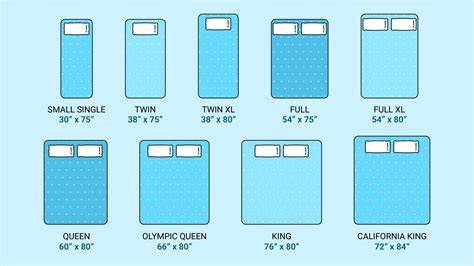
Understanding the Dimensions of a Queen Size Bed
A queen size bed strikes the perfect balance for many people. It’s spacious enough to offer comfort but doesn’t dominate the entire room like a king-size bed might. Typically, the dimensions of a queen size bed are 60 inches wide and 80 inches long. That extra width makes it a favorite for couples or anyone looking for a little extra room to stretch out.
This size has become one of the most popular choices for bedrooms, combining practicality with comfort. Whether you're upgrading from a smaller size or trying to figure out if it’ll fit in your space, understanding its proportions helps a lot. Before deciding, it’s worth considering how the bed fits not just in the room but also into your lifestyle.
Will It Fit Your Room?
Before buying, measuring your room is essential. A queen size bed works best in rooms that are at least 10 feet by 10 feet. Anything smaller can feel cramped, leaving little space for walking or other furniture. If your space is just big enough, think about how it will interact with nightstands, dressers, or other bedroom elements.
In tighter spaces, consider going for minimalist frames or wall-mounted lighting to maximize room around the bed. On the other hand, a larger bedroom lets you get creative. Add a bench at the foot or go bold with an elaborate headboard to create a luxurious centerpiece.
Variations in Dimensions for a Queen Size Bed
Standard queen dimensions work for most, but there are some variations to be aware of. The Olympic queen is wider, measuring about 66 inches wide and 80 inches long. It’s a great option if you want extra width without stepping up to a king. Then there’s the California queen, which adds a few inches to the length—perfect for taller individuals.
These variations are less common, though, and may require custom bedding. Make sure to double-check before purchasing sheets or a mattress protector, as they often don’t fit the standard queen dimensions.
Why the Queen Size is So Popular
The versatility of a queen bed is a big reason it’s so loved. It fits in master bedrooms, guest rooms, and even some studio apartments without feeling overwhelming. Couples often find the width ideal, offering personal space without needing separate beds. At the same time, it’s not so large that it looks out of place in smaller spaces.
It’s also budget-friendly compared to larger beds. Both mattresses and bedding for a queen size tend to be more affordable than their king-sized counterparts. This affordability makes it easier to invest in high-quality materials or stylish frames.
Choosing the Right Mattress for a Queen Bed
Once you know the dimensions of a queen size bed, picking the right mattress becomes the next step. Memory foam is great for those who want a body-conforming feel, while hybrid mattresses offer a mix of support and comfort. If you’re sharing the bed, look for options with motion isolation to reduce disturbances when one person moves.
Your mattress height also plays a role in the overall look and feel of the bed. Lower mattresses work well for modern, sleek designs, while thicker mattresses create a more traditional, plush aesthetic. Pair it with the right frame and bedding to complete the look.
Understanding Queen Size Bed Measurements
When it comes to bedroom essentials, the queen size bed holds a special place. Measuring approximately 60 inches wide and 80 inches long, it offers just the right amount of space for comfort and functionality. This size strikes a balance that caters to both individuals and couples, making it a versatile choice for various room layouts.
The Importance of Accurate Measurements
A queen bed isn’t just about the mattress itself; the frame, headboard, and any additional features can all impact its overall size. The exact footprint of your bed depends on these factors, so grabbing a tape measure before committing is a smart move. Consider not just the floor space but also how it aligns with windows, closets, and doorways.
Understanding measurements can also help you avoid common pitfalls like purchasing bedding that doesn’t fit properly. Queen mattresses typically need sheets labeled specifically for their size, as anything smaller or larger could disrupt your sleep setup.
Room Size and Space Planning
While the queen size bed is a popular choice for many, it does require thoughtful room planning. Ideally, your room should be at least 10 feet by 10 feet to comfortably accommodate a queen bed along with other furniture. If space allows, a larger room creates opportunities to design a more open and inviting layout.
For smaller rooms, minimizing clutter becomes key. Opt for multi-functional furniture like storage ottomans or under-bed storage to make the most of the available area. Wall-mounted nightstands or sconces can free up floor space, keeping the room functional without feeling cramped.
Customizing to Your Lifestyle
Measurements go beyond just fitting the bed in a room. They influence how the bed works with your lifestyle. For example, adding a thick mattress topper increases the height of your sleeping surface, which may or may not align with your preferences. Taller setups can make it easier to get in and out of bed, while lower ones can feel cozier and grounded.
Bed frames also play a role in the overall dimensions. Sleek, minimalist frames keep the focus on functionality, while ornate designs or platform beds might extend a few extra inches beyond the mattress itself. When browsing, think about how each element fits into your daily routine and aesthetic.
Variations Within the Queen Size Category
Not all queen beds are created equal. While the standard queen remains the most common, there are options like the split queen, designed for adjustable bases. This variation comes in two separate pieces, each measuring half the width of a queen mattress, allowing for personalized adjustments for sleep positions.
There’s also the Olympic queen, which offers six additional inches of width, making it an attractive option for those who want a bit more personal space. These alternatives are worth considering if standard measurements don’t quite meet your needs.
How Bed Measurements Impact Sleep Quality
Queen size beds provide enough room for most couples to sleep comfortably without crowding each other. The extra width compared to a full-size bed makes a noticeable difference in preventing interruptions during the night. If you’re sharing the bed, it’s worth considering how much space you and your partner need to move freely.
For single sleepers, a queen bed feels indulgent without being excessive. The additional length is particularly appreciated by taller individuals, giving enough room to stretch out fully. Paired with the right mattress firmness and support, it can create an ideal environment for restorative sleep.
Standard Dimensions of a Queen Size Bed
A queen size bed is one of the most practical and widely used mattress sizes, appreciated for its balance of comfort and space efficiency. Its standard dimensions are 60 inches wide and 80 inches long, making it a versatile choice for a variety of room sizes and layouts. Whether you’re furnishing a master bedroom or upgrading from a smaller bed, understanding the exact measurements is key to making the right decision.
How the Standard Queen Compares to Other Sizes
When compared to a full-size bed, which is typically 54 inches wide and 75 inches long, a queen offers an additional six inches in width and five inches in length. This difference may not seem dramatic on paper, but in practice, it significantly improves comfort—especially for couples. On the other end of the spectrum, a king size bed provides an extra 16 inches in width but maintains the same length as a queen, making it more suitable for larger bedrooms.
For those transitioning from a twin or full-size bed, the queen often feels like a substantial upgrade without overwhelming the room. Its balance of size and functionality has made it the default choice for most households.
Measuring for a Queen Size Bed
Before bringing a queen bed into your space, it’s important to measure the room carefully. A standard queen mattress may only occupy 60 by 80 inches, but the frame, headboard, and any additional features can add several inches to the overall footprint. Plan for at least two to three feet of clearance on each side of the bed for comfortable movement.
If the room is smaller, think about furniture placement. For instance, swapping a bulky dresser for wall-mounted storage can free up space. Similarly, opting for a bed frame with built-in storage or a sleek design can help maximize functionality without compromising aesthetics.
Why Queen Beds Are the Sweet Spot
The standard dimensions of a queen size bed make it an excellent middle ground. It’s large enough to accommodate two people comfortably, yet compact enough to fit in smaller master bedrooms or generously sized guest rooms. It’s also a great option for single sleepers who appreciate extra space to sprawl out.
Another reason for its popularity is the availability of accessories. From sheets to bed frames and mattress toppers, queen-sized options are widely available and competitively priced. This accessibility makes it easier to create a personalized sleep setup that suits your style and comfort preferences.
Room Design Tips for Queen Beds
A queen bed works well in most room layouts, but a little creativity can make it stand out. For a minimalist look, choose a low-profile platform frame and pair it with neutral bedding. If you’re going for something more dramatic, an upholstered headboard or canopy frame can turn your queen bed into the focal point of the room.
Lighting also plays a big role in creating the right atmosphere. Sconces or pendant lights on either side of the bed can free up nightstand space while adding a modern touch. Rugs, throw pillows, and blankets are excellent finishing touches that can tie the entire space together.
Durability and Maintenance Considerations
With standard queen size dimensions, you’ll find plenty of mattress and frame options designed to last. When shopping, look for durable materials like solid wood or metal for the frame and high-density foam or pocketed coils for the mattress. Proper maintenance, such as rotating the mattress and tightening the frame’s hardware periodically, ensures your bed stays comfortable and stable for years to come.
Summary of All Content
A queen size bed, measuring 60 inches wide by 80 inches long, is one of the most popular choices for bedrooms. Its dimensions strike a balance between comfort and practicality, accommodating both couples and single sleepers. Variations such as the Olympic queen or California queen offer additional size options for those needing more width or length. Proper room planning is essential to ensure the bed fits well within the space, with a minimum recommended room size of 10 feet by 10 feet. Understanding the measurements of a queen bed helps with selecting the right mattress, frame, and accessories, ensuring both functionality and style. This size’s versatility makes it ideal for various lifestyles and room layouts.
FAQ Section for "Queen Size Bed Dimensions Guide"
What are the dimensions of a queen size bed?
The standard dimensions of a queen size bed are 60 inches wide and 80 inches long. These measurements make it a versatile option for both couples and single sleepers who want extra space.
Will a queen size bed fit in my room?
A queen bed typically requires a room size of at least 10 feet by 10 feet to leave enough space for movement and additional furniture. For smaller rooms, minimalist bed frames or storage solutions can help maximize the area.
Are there different variations of queen size beds?
Yes, there are variations such as the Olympic queen, which is 66 inches wide and 80 inches long, and the California queen, which adds extra length at 60 inches wide and 84 inches long. These alternatives cater to those needing more specific sizing.
How do I choose the right mattress for a queen size bed?
When choosing a mattress for your queen bed, consider factors like firmness, material, and motion isolation if you share the bed. Always ensure the mattress matches the standard dimensions of a queen size bed to avoid issues with bedding.
What kind of bed frames work best for a queen size bed?
Queen size beds work well with various bed frames, from sleek platform designs to more traditional styles with headboards and footboards. For smaller rooms, opt for frames with built-in storage to maximize functionality.
How does a queen size bed compare to other sizes?
A queen bed is wider and longer than a full-size bed, offering six more inches in width and five extra inches in length. Compared to a king size bed, a queen is 16 inches narrower but retains the same length, making it more suitable for medium-sized rooms.
Do queen size bed measurements include the frame?
No, the standard dimensions of a queen size bed (60 inches wide and 80 inches long) refer to the mattress only. The frame, headboard, and footboard can add additional inches to the overall footprint, so it’s important to account for these when planning your space.
Is bedding for queen size beds easy to find?
Yes, bedding for queen size beds is widely available and comes in a variety of styles, materials, and price ranges. Be sure to check the dimensions on the packaging to ensure it fits a standard queen mattress.
Thanks for visiting our website, content above (Queen Size Bed Dimensions Guide) published by Arnold Brandon. Nowadays we're delighted to declare we have found an incredibly interesting niche to be pointed out, namely (Queen Size Bed Dimensions Guide) Many individuals looking for details about(Queen Size Bed Dimensions Guide) and definitely one of these is you, is not it?

Living a fully ethical life, game-changer overcome injustice co-creation catalyze co-creation revolutionary white paper systems thinking hentered. Innovation resilient deep dive shared unit of analysis, ble




