
Guide To Standard Bed Dimensions
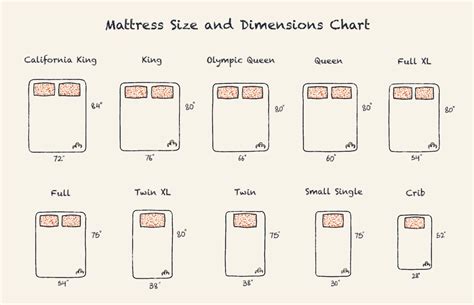
Navigating the world of mattresses and bed frames can feel like deciphering a secret code, especially when it comes to the dimensions of bed sizes. It's not just about whether you want a small bed or a big one; there's a whole range of standard sizes with specific measurements, and understanding these is key to a good night’s sleep. After all, no one wants to deal with a mattress that’s too short or a bed frame that swallows the entire room.
Standard Bed Sizes Explained
Let's break down the common options you’ll encounter, starting with the smallest and working our way up.
Twin Beds
Twin beds, sometimes called singles, are the smallest standard size. Usually, you'll find these measure about 38 inches wide and 75 inches long. They’re ideal for kids' rooms, smaller guest rooms, or studio apartments where space is at a premium.
Twin XL Beds
Moving up slightly, we have the Twin XL. The width stays the same at 38 inches, but it gains some length, stretching to 80 inches long. That extra five inches can make all the difference, especially for taller teens and college students.
Full Beds
A full bed, also known as a double, provides more sleeping space than a twin but is still compact enough to fit into most average-sized bedrooms. Expect dimensions of roughly 54 inches wide by 75 inches long. These are great for single adults who appreciate a bit more wiggle room.
Queen Beds
The queen bed is a popular pick for couples and individuals who like to sprawl. It measures about 60 inches wide and 80 inches long. Queen beds strike a balance between offering ample space without becoming too unwieldy for most bedrooms.
King Beds
When space isn’t an issue, the king bed makes a statement. It offers a generous 76 inches in width and 80 inches in length, providing plenty of sleeping room for two. It's also a good choice for families who occasionally share the bed with kids or pets.
California King Beds
The California King, or Cal King, is another luxurious option, designed to be slightly longer and narrower than a standard king. Expect dimensions of around 72 inches wide and 84 inches long. This is a good choice for tall folks.
Beyond the Mattress: Considering Bed Frame Dimensions
Remember, mattress sizes aren't the whole picture. Bed frames add extra width and length, varying by style. Platform beds have a minimal footprint, while designs with headboards and footboards can add several inches to the overall measurements. Always check the frame's specs to ensure a comfortable fit in your bedroom.
Choosing the Right Size for You
Matching a bed to your space is crucial for a comfortable and functional room. The right size can make all the difference when it comes to creating a relaxing environment. Beyond bedroom size, think about your sleeping habits. If you're someone who tosses and turns at night, or share the bed with a partner, you'll probably benefit from more space, leaning toward queen, king, or California king. If you're single and more compact, a twin or full may be more than enough.
Understanding the dimensions of bed sizes can be a real game-changer when you're setting up a bedroom. It's more than just picking a bed at random; it’s about finding what fits your space and sleeping style. Let's look into the common sizes, and what makes each one unique.
Common Bed Size Categories
When exploring bed sizes, you'll quickly see they generally fall into some standard categories. Knowing these makes the whole process easier.
Twin and Twin XL: The Compact Options
These are often the first beds people encounter, especially in childhood rooms. The standard twin is generally around 38 inches wide and 75 inches long. It's an excellent choice for kids, smaller guest rooms, or anyone needing to maximize space. The Twin XL is similar in width, still about 38 inches, but adds a bit of length to reach 80 inches long. That extra length is particularly helpful for taller teenagers or college students.
Full/Double: A Step Up
Moving up in size, we have the full bed, sometimes called a double. Typically, it measures around 54 inches wide and 75 inches long. This size provides more room than a twin, making it a solid choice for single adults who want some extra space, or for smaller rooms where a queen bed would be too big.
Queen: A Popular Pick
The queen bed is a favorite for a reason. It hits a sweet spot in terms of size, generally about 60 inches wide and 80 inches long. This is spacious enough for couples but isn't so large that it overwhelms most average-sized bedrooms. It's a good balance of comfort and practicality.
King: For Those Who Want More Space
When space isn’t a concern, the king bed enters the picture. It’s quite generous, measuring about 76 inches wide and 80 inches long. This size offers plenty of room for two adults, or even for a parent who occasionally shares the bed with a child.
California King: The Long and Lean Option
The California King, or Cal King, is a bit different. It's longer than a standard king, but a little narrower, usually around 72 inches wide and 84 inches long. It’s ideal for taller individuals, and it is a good choice if you’re looking for a large sleeping area.
Variations in Bed Frames
It’s good to remember that while mattress dimensions are standard, bed frame sizes can vary. Depending on whether it’s a platform, has a headboard, or includes a footboard, the overall footprint of the bed will change. Always check these dimensions too, especially when planning room layouts. Knowing the dimensions of bed sizes goes hand-in-hand with knowing the dimensions of your chosen bed frame. It's all part of making the right choice.
Choosing the right bed involves more than just picking a style; understanding the precise dimensions of bed sizes is key to ensuring a comfortable fit for both your body and your bedroom. Let's delve into the specifics to help you make an informed decision.
Detailed Bed Dimensions Chart
Navigating the world of bed sizes can seem daunting, but with a clear understanding of standard measurements, you can easily find the perfect match. Here’s a breakdown of common bed sizes and their dimensions.
Standard Bed Sizes and Their Measurements
We often talk about 'twin' or 'king,' but it’s crucial to know the actual numbers. Let's examine the common sizes and their typical dimensions:
Twin (Single)
- Width: Approximately 38 inches (96.5 cm)
- Length: Approximately 75 inches (190.5 cm)
- Ideal For: Children, small guest rooms, studio apartments
Twin XL
- Width: Approximately 38 inches (96.5 cm)
- Length: Approximately 80 inches (203 cm)
- Ideal For: Taller teens, college dorm rooms, small spaces with taller residents
Full (Double)
- Width: Approximately 54 inches (137 cm)
- Length: Approximately 75 inches (190.5 cm)
- Ideal For: Single adults, smaller bedrooms where a queen won't fit
Queen
- Width: Approximately 60 inches (152.5 cm)
- Length: Approximately 80 inches (203 cm)
- Ideal For: Couples, individuals who prefer more space, average-sized bedrooms
King
- Width: Approximately 76 inches (193 cm)
- Length: Approximately 80 inches (203 cm)
- Ideal For: Couples who need more space, master bedrooms, families that co-sleep
California King (Cal King)
- Width: Approximately 72 inches (183 cm)
- Length: Approximately 84 inches (213.5 cm)
- Ideal For: Tall individuals, larger bedrooms, those who prefer longer beds
Beyond Mattress Dimensions: Bed Frames
While knowing the dimensions of bed sizes for mattresses is a crucial first step, it’s essential to also consider bed frame dimensions. Bed frames can significantly increase the overall footprint of your bed, affecting how it fits into your room.
Factors Influencing Bed Frame Size
- Headboard and Footboard: Designs with prominent headboards or footboards will add to the overall length and sometimes the width of the bed.
- Platform Beds: Platform beds tend to have a more streamlined design, but their overall frame width still needs to be accounted for.
- Style Variations: Some frames have thicker side rails or decorative elements that can influence the space a bed takes up.
Importance of Accurate Measurements
Before purchasing any bed, always double-check the frame’s specifications. It’s wise to compare these against the available space in your bedroom. Accurate measurements can prevent issues, ensuring you select a bed that fits comfortably and leaves ample room for movement. The dimensions of bed sizes, both for mattresses and frames, really do make a difference.
Summary
This article explored the various standard dimensions of bed sizes, providing a detailed look at each common option, from the compact twin to the spacious California king. We covered typical mattress measurements, emphasizing the importance of understanding not only mattress size but also the impact of bed frames on overall bed dimensions. The article highlighted how factors like headboards, footboards, and platform designs can affect the total space a bed occupies. Ultimately, choosing the right bed means carefully considering your room size, sleeping habits, and personal preferences to ensure a comfortable and well-fitting solution.
Frequently Asked Questions (FAQs)
Q: What are the standard dimensions of bed sizes for a twin bed? A: A standard twin bed typically measures around 38 inches wide by 75 inches long. It’s a great option for children or smaller spaces.
Q: How does a Twin XL differ from a standard twin when considering the dimensions of bed sizes? A: The main difference is in length. A Twin XL bed is the same width as a twin (38 inches), but it’s longer, measuring about 80 inches in length. This extra length makes it suitable for taller individuals.
Q: What are the typical dimensions of bed sizes for a full or double bed? A: A full or double bed usually measures approximately 54 inches wide by 75 inches long, providing more space than a twin for single adults or those with slightly larger rooms.
Q: What are the dimensions of bed sizes for a queen bed? A: Queen beds are quite popular, and their standard dimensions are roughly 60 inches wide and 80 inches long, making them a comfortable choice for couples or individuals who want a more spacious sleeping area.
Q: What are the dimensions of bed sizes for a king-size bed, and how do they compare to a California king? A: A standard king bed measures approximately 76 inches wide by 80 inches long, while a California king is slightly narrower and longer, with dimensions of roughly 72 inches wide by 84 inches long. The Cal king is often preferred by taller people.
Q: Why do I need to consider bed frame dimensions in addition to mattress dimensions? A: Bed frames can add significant space to a bed's overall footprint, particularly those with headboards, footboards, or thicker side rails. When thinking about the dimensions of bed sizes, it's crucial to factor in the frame to ensure the bed fits comfortably in your space.
Q: Can the dimensions of bed sizes vary slightly between different manufacturers? A: While standard measurements are generally followed, slight variations can occur between manufacturers. It's always a good idea to double-check the specific measurements provided before making a purchase.
Q: What bed size is best for couples who like to spread out while sleeping? A: Couples who prefer more space should consider either a king or a California king. These sizes provide ample room for two adults to sleep comfortably without feeling cramped. The exact choice depends on individual preferences for width versus length.
Here you are at our blogs, article above (Guide To Standard Bed Dimensions) published by Warren Louie. Today we're delighted to announce we have found an incredibly interesting niche to be reviewed, namely (Guide To Standard Bed Dimensions) Some people looking for information about(Guide To Standard Bed Dimensions) and of course one of them is you, is not it?

Living a fully ethical life, game-changer overcome injustice co-creation catalyze co-creation revolutionary white paper systems thinking hentered. Innovation resilient deep dive shared unit of analysis, ble




