
Standard Dimensions For Full Size Bed
The standard dimensions for a full-size bed frame are designed to accommodate a mattress measuring 54 inches wide and 75 inches long, but the frame itself is typically a few inches larger to support the structure and add aesthetic appeal. When selecting a full-size bed frame, think about its compatibility with your mattress, bedding, and room size. A full-size mattress measures 54 inches wide and 75 inches long, offering a versatile sleeping surface for individuals or occasional use by two people
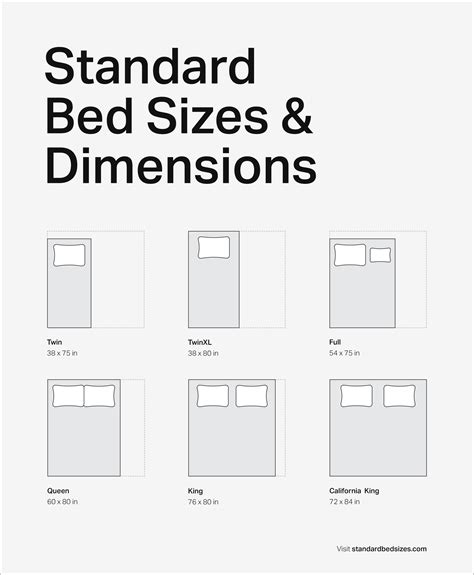
What Are the Dimensions for a Full Size Bed?
A full-size bed, also known as a double bed, strikes the perfect balance between space and practicality. It's a popular choice for single sleepers looking for more room than a twin offers or couples who don’t require the expansive space of a queen or king-size mattress. Understanding its dimensions can help you decide if it fits your space and sleeping needs.
Standard Measurements of a Full Size Bed
The standard dimensions for a full-size bed are 54 inches wide and 75 inches long. This provides enough space for one person to stretch out comfortably, but it may feel snug for two adults sharing the bed. The compact length may also feel limiting for taller individuals, as anyone over 6 feet tall might find their feet dangling off the edge.
How a Full Size Bed Fits Into Different Room Sizes
Full-size beds are versatile enough to fit in a variety of spaces. They’re well-suited for medium-sized bedrooms, guest rooms, or studio apartments where floor space might be limited. With a footprint of about 27 square feet, they leave room for additional furniture, like dressers or nightstands, without making the space feel cramped.
Best Uses for Full Size Beds in Shared Spaces
For shared bedrooms, like dormitories or siblings sharing a room, a full-size bed can offer a comfortable sleeping solution without monopolizing the entire room. This makes it an ideal choice for maximizing functionality in a shared living arrangement.
Comparing Full Size Beds to Other Options
When deciding between a full-size bed and other sizes, it’s important to think about your lifestyle. Twin beds, measuring 38 by 75 inches, are narrower but offer similar length, making them ideal for children or single sleepers in tighter spaces. A queen bed, on the other hand, measures 60 by 80 inches, providing significantly more width and length for couples or those who enjoy sprawling out.
Full vs. Queen: Which One Works Best?
While a full-size bed is more affordable and space-efficient, a queen bed offers a greater level of comfort for couples. For single adults, the decision might hinge on the available bedroom space or the desire for extra room to move around while sleeping.
Key Considerations Before Choosing a Full Size Bed
Think about how you’ll use the bed. If it’s for occasional use, such as a guest bedroom, a full-size bed can offer the right mix of comfort and economy. For daily use, particularly if shared, you might want to test the fit by lying down with your partner to ensure there’s enough room.
Height and Bedding Compatibility
Keep in mind that full-size beds may require specific bedding to fit properly. Sheets, mattress protectors, and comforters must align with the standard 54 by 75-inch dimensions, ensuring a snug and neat look.
Understanding Full Size Bed Dimensions and Space Requirements
Full Size Bed Dimensions: What You Need to Know
When considering a full-size bed, it’s essential to know the exact measurements to plan your space effectively. Measuring 54 inches in width and 75 inches in length, this bed size offers more room than a twin while remaining compact enough for smaller spaces. It’s an ideal middle ground for solo sleepers or for guest rooms where a larger bed might be impractical.
How Full Size Beds Fit into Your Home
A full-size bed can adapt to various room layouts. It works well in bedrooms measuring at least 9 feet by 10 feet, ensuring there’s enough space to move around comfortably. For smaller apartments or multipurpose rooms, it leaves just enough floor area for essentials like a desk or storage units without overcrowding the space.
Perfect for Multi-Use Rooms
In spaces like home offices or guest rooms, a full-size bed offers a versatile solution. It can serve as a daytime lounging spot with a few cushions and transform into a cozy sleeping area when needed. Its moderate size also allows it to complement furniture arrangements without dominating the room.
Balancing Space and Functionality
If you’re furnishing a compact bedroom, a full-size bed offers the right blend of functionality and comfort. Its smaller footprint allows for creative storage solutions, such as under-bed drawers or built-in shelving along the walls. This balance ensures that you can enjoy a comfortable sleeping area without sacrificing practicality.
Room Flow and Accessibility
Consider the flow of the room when placing a full-size bed. Positioning it against a wall or in a corner can maximize open floor space, while centering it allows easier access from both sides. Always account for the placement of doors, windows, and any additional furniture to maintain an uncluttered layout.
Comparing Space Needs for Different Mattress Sizes
When you weigh a full-size bed against other options, it becomes clear that its dimensions cater to specific needs. Twin beds are narrower, making them ideal for single sleepers in compact spaces, while queen and king beds require significantly more room. A queen bed, for instance, is 6 inches wider and 5 inches longer than a full, which might not work in tighter quarters.
Optimizing Space with a Full Size Bed
If your bedroom is on the smaller side, choosing a full-size bed ensures you can still include key furniture pieces like a dresser or a small seating area. Use vertical storage solutions to make the most of the available square footage, and consider multifunctional furniture, such as ottomans with hidden storage or folding tables.
Practical Tips for Choosing and Positioning Your Bed
Before buying a full-size bed, take precise measurements of your room, including the placement of outlets, radiators, and doors. This will help you visualize how the bed will fit and whether it leaves enough clearance for easy movement. Also, think about the bed height and how it pairs with your preferred mattress thickness, as this can affect both style and comfort.
Breaking Down the Key Dimensions for a Full Size Bed Frame
The Foundation of Comfort: Full Size Bed Frame Dimensions
Choosing the right bed frame for a full-size mattress involves more than just picking a style you like. The standard dimensions for a full-size bed frame are designed to accommodate a mattress measuring 54 inches wide and 75 inches long, but the frame itself is typically a few inches larger to support the structure and add aesthetic appeal. Depending on the design, the total width and length can increase by 2 to 5 inches.
Understanding Frame Width, Length, and Height
The width of a full-size bed frame usually extends to around 56 to 60 inches, factoring in side rails or decorative details like upholstery. The length can range from 77 to 82 inches, especially if the frame includes a headboard or footboard. Height varies significantly, with low-profile frames sitting closer to the ground and traditional styles reaching heights of 12 to 16 inches from the floor.
Variations in Frame Styles
Platform beds, sleigh beds, and canopy beds all have unique frame dimensions, so it’s important to consider your specific needs. Platform frames often eliminate the need for a box spring, sitting lower to the ground, while sleigh beds may add extra bulk with curved headboards and footboards.
How a Bed Frame Impacts Room Layout
A bed frame doesn’t just hold your mattress; it influences the overall feel and flow of your space. For smaller bedrooms, opting for a minimalist frame with slim profiles can help maximize floor area. In larger rooms, a more substantial frame with bold design features can serve as a focal point.
Space Efficiency with Built-in Storage
Some bed frames include built-in storage solutions like drawers or shelves, which are particularly useful for compact spaces. These frames may add extra depth to the structure, so be sure to measure carefully to ensure they fit comfortably within your room.
Key Considerations for Choosing the Right Frame
When selecting a full-size bed frame, think about its compatibility with your mattress, bedding, and room size. The material also plays a big role—metal frames tend to have a smaller footprint and sleeker design, while wooden frames may be bulkier but offer a warmer, more traditional look.
Weight Capacity and Durability
The frame’s weight capacity is another important factor, especially if you plan to use a thicker mattress or share the bed. Sturdy frames made from hardwood or reinforced metal can handle greater loads and last longer than lightweight or cheaper alternatives.
Planning for Frame Assembly and Placement
Most full-size bed frames require assembly, so ensure you have enough space to put everything together. Once assembled, position the frame with enough clearance around it for easy access. Ideally, leave at least 24 inches of walking space on either side to maintain functionality and comfort.
Complementing Your Frame with Additional Furniture
The style and size of your bed frame should harmonize with other furniture in the room. For example, a frame with a tall headboard might look best paired with lower-profile nightstands to balance the visual weight. Always consider the overall aesthetic and practicality when making your choice.
Measuring Up: Essential Dimensions for Full Size Bed Mattresses and Bedding
Full Size Mattress Dimensions and Their Role in Comfort
A full-size mattress measures 54 inches wide and 75 inches long, offering a versatile sleeping surface for individuals or occasional use by two people. This size provides about 27 inches of width per person when shared, which might feel cozy but is manageable for short-term arrangements. The compact length can be limiting for taller individuals, so consider the height of the primary sleeper when making a choice.
Thickness Options for Full Size Mattresses
Mattress thickness, also referred to as height, varies widely depending on the type. Foam mattresses may range from 6 to 12 inches, while hybrid and pillow-top options can exceed 14 inches. Thicker mattresses often offer more comfort layers, but they may require deeper sheets and influence the overall height of the bed setup.
Choosing the Right Mattress Height
When selecting a full-size mattress, consider your bed frame and how the total height will affect comfort and accessibility. A mattress paired with a tall bed frame might be challenging for shorter individuals or children to climb onto, while a lower combination can create a sleek, modern aesthetic.
Bedding Dimensions for a Full Size Bed
To ensure a snug fit and a polished look, full-size bedding must align with the mattress dimensions. Standard fitted sheets are designed to cover mattresses 54 inches wide by 75 inches long, but the pocket depth varies depending on the mattress thickness. Always check the depth specifications to avoid a loose or overly tight fit.
Flat Sheets, Comforters, and Duvet Covers
Flat sheets for full-size beds typically measure 81 inches wide and 96 inches long, providing enough fabric to tuck neatly around the mattress. Comforters and duvet covers usually range from 78 to 86 inches wide and 86 to 90 inches long, offering ample coverage for both the bed and sleepers.
Pillows and Accessories for Full Size Beds
Full-size beds can accommodate standard or queen-size pillows, depending on your preferences. Standard pillows, measuring 20 by 26 inches, are a classic choice for two neatly aligned pillows across the width. If you prefer fewer but larger pillows, opt for queen sizes, which measure 20 by 30 inches.
Layering for Comfort and Style
To create a cozy and inviting bed, layer your full-size mattress with a combination of essentials like a mattress protector, fitted sheet, flat sheet, and a comforter or duvet. Add decorative throws and pillows to enhance both comfort and visual appeal. Using textures and complementary colors can tie the room together while adding personality to the space.
Specialized Bedding for Specific Needs
Some full-size beds are designed with adjustable bases, which require flexible bedding materials to accommodate the movement. Look for fitted sheets with elastic corners and bedding that won’t bunch or slip during use. For sleepers with allergies, hypoallergenic mattress protectors and pillows can improve overall sleep quality.
Seasonal Bedding Adjustments
Consider swapping bedding materials to match the seasons. Lightweight cotton or linen is ideal for warmer months, while flannel sheets and down comforters provide extra warmth during winter. Seasonal changes keep your bed comfortable year-round without requiring major adjustments to your setup.
Summary of "Standard Dimensions for Full Size Bed"
A full-size bed, often chosen for its balance between space and functionality, measures 54 inches in width and 75 inches in length. This size is ideal for single sleepers or couples who don’t need the larger space of a queen bed. The compact size makes it well-suited for smaller rooms or shared spaces. Full-size beds fit into various bedroom layouts, offering versatility and comfort. The dimensions of a full-size bed frame typically add extra inches to the mattress size, accommodating additional structural features like headboards and footboards. Understanding the dimensions for full size bed mattresses and bedding is essential for ensuring a perfect fit, with options available for different mattress thicknesses and bedding accessories.
FAQ Section for "Standard Dimensions for Full Size Bed"
What are the exact dimensions for a full size bed?
The dimensions for full size bed are 54 inches wide by 75 inches long. This size is ideal for single sleepers or for couples who prefer a compact bed without taking up too much space in the room.
Can a full size bed accommodate two people comfortably?
While the dimensions for full size bed (54 inches by 75 inches) can fit two people, it may feel cozy. The bed provides 27 inches of width per person, which may be tight for some sleepers, especially for those who move a lot during the night.
How do full size bed dimensions compare to other bed sizes?
The dimensions for full size bed are smaller than those of a queen bed, which measures 60 inches by 80 inches, but larger than a twin bed, which measures 38 inches by 75 inches. Full-size beds are a great choice for those who need more space than a twin but don’t want the extra room a queen offers.
Are full size bed frames the same size as the mattress?
No, full size bed frames typically add a few extra inches to the dimensions for full size bed mattress to accommodate the structure and aesthetic features. A typical full-size bed frame may measure 56 to 60 inches wide and 77 to 82 inches long, depending on the design.
What size bedding fits a full size bed?
For full size bed mattresses, bedding such as fitted sheets, flat sheets, and comforters must match the 54-inch by 75-inch dimensions. Flat sheets typically measure 81 inches by 96 inches, while comforters and duvet covers are usually 78 to 86 inches wide and 86 to 90 inches long to ensure proper coverage.
Is the height of a full size bed frame important for space planning?
Yes, the height of the full-size bed frame can impact the dimensions for full size bed setup in a room. Traditional frames are typically 12 to 16 inches high, while low-profile frames sit closer to the ground, which is important for accessibility and room design.
Can I use a thicker mattress with a full size bed frame?
Yes, you can use a thicker mattress with a full-size bed, but you should ensure the dimensions for full size bed frame and bedding are compatible. Some mattresses may add height, so checking the frame's clearance is important to ensure everything fits comfortably.
Thanks for visiting our website, content above (Standard Dimensions For Full Size Bed) published by Walters Patrick. Today we are pleased to announce we have found a very interesting niche to be reviewed, namely (Standard Dimensions For Full Size Bed) Many individuals trying to find info about(Standard Dimensions For Full Size Bed) and certainly one of these is you, is not it?

Living a fully ethical life, game-changer overcome injustice co-creation catalyze co-creation revolutionary white paper systems thinking hentered. Innovation resilient deep dive shared unit of analysis, ble




