
The Difference Between Ticks And Bed Bugs: Key Differences You Should Know
While both ticks and bed bugs are blood-feeding pests that can cause discomfort and distress, their effects on humans differ in terms of health risks, physical reactions, and psychological impact. Ticks' small size and ability to remain hidden while feeding for hours increase the risk of diseases, while bed bugs are more likely to cause psychological stress and physical irritation due to their itchy bites. The difference between ticks and bed bugs in how theyâre handled is that ticks require immediate attention to prevent disease transmission, while bed bugs usually require long-term management and treatment to eliminate
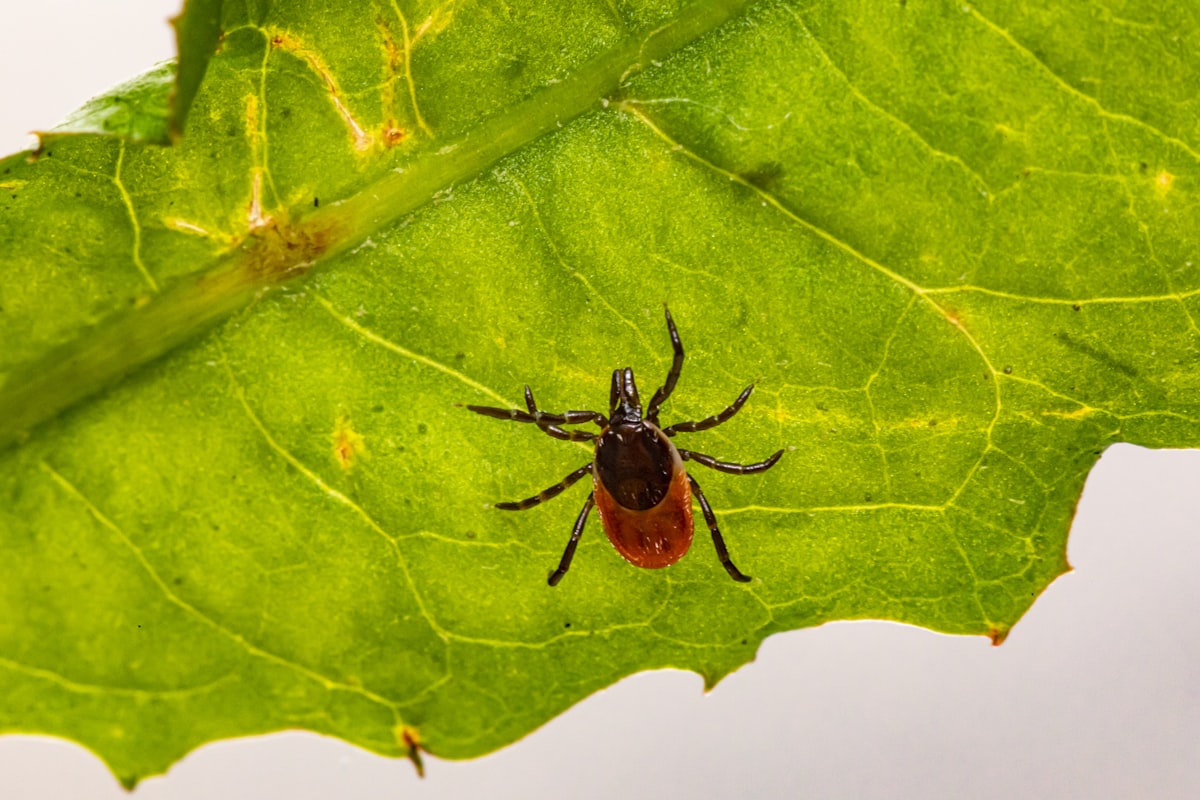
Identifying Ticks and Bed Bugs
When it comes to pests, ticks and bed bugs can often be confused, especially given that both are small, blood-sucking creatures. Despite their similarities, they are quite different in terms of behavior, habitat, and appearance. Understanding the difference between ticks and bed bugs can help you deal with infestations more effectively and avoid unnecessary worries.
Physical Differences Between Ticks and Bed Bugs
Size and Shape
Ticks and bed bugs vary greatly in size and shape. Bed bugs are oval-shaped, with a flat body that is about the size of an apple seed. Their reddish-brown color darkens when they've recently fed. Ticks, on the other hand, are more round and often have a scaly texture. While ticks can appear small before feeding, they can expand significantly once they attach to a host and consume blood.
Features and Appearance
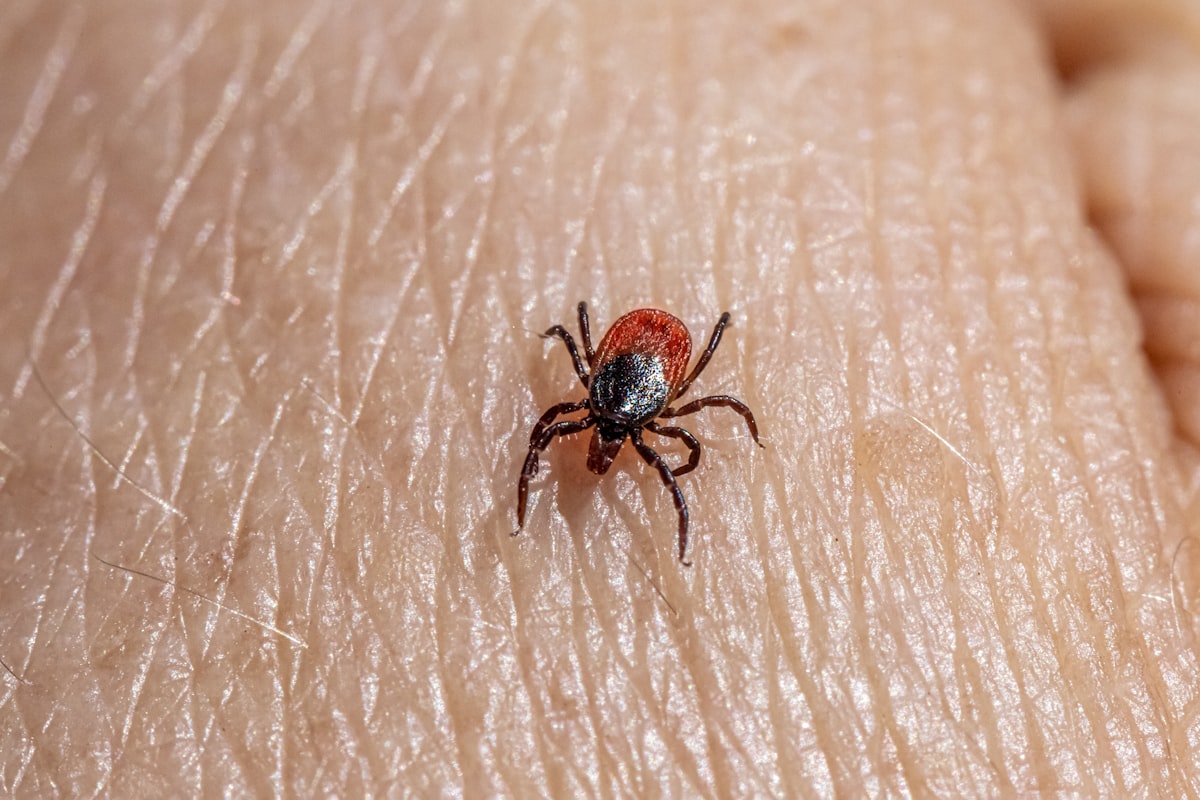
Bed bugs have six legs and are often easy to identify by their distinctive flat shape and smooth edges. They also have antennae, which ticks lack. Ticks are arachnids, so they have eight legs, which gives them a spider-like appearance. Their body is segmented, and they generally appear to have a hard shell that bed bugs do not possess.
Habitats and Behavior
Where They Live
One of the biggest differences between ticks and bed bugs is where you’ll typically find them. Bed bugs thrive in warm, cozy environments, often hiding in cracks and crevices of furniture, particularly in beds, mattresses, and box springs. Ticks, however, are more likely to be found in outdoor areas, like forests, grassy fields, and even your backyard. They are known for attaching to animals or people passing through these areas, rather than living in a specific spot.
Feeding Habits
Both pests feed on blood, but their feeding habits differ significantly. Bed bugs tend to feed at night while their hosts are asleep. They bite the skin, inject saliva to numb the area, and then suck blood for about 5-10 minutes. Ticks latch onto their host more securely, often for hours or even days, until they’re fully engorged. They don't cause the same immediate itching or irritation, but their bites can carry disease.
Health Risks: Ticks vs. Bed Bugs
Disease Transmission
While both ticks and bed bugs are nuisances, ticks pose a greater risk when it comes to disease transmission. Ticks are known vectors for serious illnesses such as Lyme disease, Rocky Mountain spotted fever, and anaplasmosis. Bed bugs, however, are not known to transmit diseases. While their bites can lead to itching and swelling, they are primarily a nuisance rather than a health hazard.
Skin Reactions
Both pests cause reactions in the skin, but they are quite different. Bed bug bites usually leave small, red, itchy welts, often in a line or cluster. Some people might not react to them at all, while others could have more severe reactions. Tick bites are often less noticeable at first, but they can cause irritation, and some ticks leave behind a rash or a "bull's-eye" mark associated with Lyme disease.
Preventing Infestations
How to Keep Bed Bugs Away
Preventing bed bugs starts with careful inspection of your living spaces. They can hitch a ride on luggage, clothing, or furniture, so it's important to check secondhand items before bringing them into your home. Bed bug traps, encasements for mattresses, and regular cleaning can help control an infestation.
Tick Prevention Tips
When it comes to ticks, prevention involves protecting yourself during outdoor activities. Wearing long pants and sleeves, using insect repellents containing DEET, and checking yourself for ticks after hiking or spending time in grassy areas can help. Pets should also be treated with tick-repelling products to prevent them from bringing ticks indoors.
Spotting the Difference Between Ticks and Bed Bugs
The key to distinguishing between ticks and bed bugs is knowing their behavior and environment. Bed bugs are more likely to be found in your home, especially in your bed or nearby furniture, while ticks are generally outdoor pests that attach to hosts in forests or fields. Identifying them is crucial, as their treatment methods differ significantly.
Being able to spot the difference between ticks and bed bugs will help you know whether you're dealing with a potentially dangerous situation or simply a nuisance. Addressing the problem early on can save you from bigger headaches later, so learning what makes these pests different is a smart step toward proper pest control.
Understanding Ticks: Characteristics and Behavior
Ticks are small but formidable pests that are often misunderstood due to their appearance and behavior. Unlike other insects, ticks belong to the arachnid family, making them closer relatives to spiders than to typical bugs. This section delves deeper into the unique traits and behaviors that make ticks a persistent threat in outdoor environments and occasionally inside homes.
What Makes Ticks Unique?
Ticks are known for their specialized feeding method and ability to latch onto hosts for extended periods. Their round, flattened bodies are designed to hide in small crevices in vegetation or even under leaves, waiting for a host to brush by. This survival strategy allows them to attach to humans and animals with ease, feeding for hours or days depending on the species.
Unlike most insects, ticks do not have wings and cannot jump, so they rely on "questing" to find a host. During questing, ticks stretch their front legs outward and wait for a suitable host to pass close enough for them to grab onto. Their incredible sense of smell and ability to detect carbon dioxide and heat helps them locate potential hosts.
Different Types of Ticks
There are several different types of ticks, each with their own behaviors and risks. The most common ticks found in North America include:
-
Deer Ticks (Black-legged Ticks): Known for spreading Lyme disease, these ticks are small and difficult to detect. They are commonly found in wooded areas and tall grasses.
-
Dog Ticks: Larger than deer ticks, dog ticks are often found on domestic pets, particularly in areas where animals frequent. While they can spread diseases, their impact is generally less severe compared to deer ticks.
-
Lone Star Ticks: Found primarily in the southeastern U.S., lone star ticks are known for their aggressive behavior and ability to transmit diseases such as ehrlichiosis.
-
Brown Dog Ticks: Unlike most other ticks, brown dog ticks can live and reproduce indoors, making them a unique challenge for pest control in homes.
Each type of tick has distinct characteristics, but they all share the common trait of feeding on blood, which can lead to disease transmission.
The Feeding Process of Ticks
Ticks are ectoparasites, meaning they feed on the blood of other animals. Once a tick attaches to its host, it uses specialized mouthparts called "hypostomes" to anchor itself securely into the skin. These mouthparts are barbed, allowing the tick to stay in place even if the host tries to dislodge it.
The feeding process can last anywhere from several hours to several days, depending on the tick species and the host. While feeding, ticks can inject saliva that contains substances to help them remain attached, prevent clotting, and numb the area. This makes tick bites often go unnoticed until the tick is fully engorged.
Disease Transmission and Risks
Ticks are infamous for their ability to transmit diseases, some of which can be severe or even life-threatening. The longer a tick remains attached to its host, the greater the likelihood of disease transmission. Among the most dangerous diseases ticks carry are:
-
Lyme Disease: Carried primarily by deer ticks, Lyme disease can lead to symptoms such as fever, joint pain, and fatigue. If left untreated, it can cause long-term health problems.
-
Rocky Mountain Spotted Fever: This bacterial infection is transmitted by dog ticks and can lead to fever, rash, and in severe cases, organ failure.
-
Anaplasmosis: A bacterial infection spread by black-legged ticks that can cause flu-like symptoms.
-
Babesiosis: A malaria-like illness caused by protozoa that ticks can transmit to both animals and humans.
Tick Behavior and Lifecycle
Ticks go through several life stages: egg, larva, nymph, and adult. Each stage requires a blood meal in order for the tick to develop into the next stage. This is why ticks are often found attached to hosts during their nymph and adult stages, when they are actively feeding. Ticks are usually most active in the spring and summer months, although some species can survive through the winter if temperatures are mild enough.
A tick's lifecycle can take several months to complete, but it can stretch even longer depending on environmental factors. Ticks are incredibly resilient and can survive in harsh conditions, which is why they are a significant threat year-round, particularly in areas where they have access to hosts.
Environmental Factors Affecting Tick Populations
Ticks thrive in areas where they can easily find hosts and where environmental conditions are suitable for their survival. Humid, wooded environments with tall grasses and brush are ideal habitats for many tick species. Urban and suburban areas with parks or gardens can also harbor ticks if conditions are right.
The presence of wildlife such as deer, mice, and birds plays a significant role in tick populations. These animals often serve as hosts, allowing ticks to continue their lifecycle. In regions with abundant wildlife, tick populations can grow rapidly, increasing the likelihood of encounters with humans and pets.
Preventing Tick Encounters
Preventing tick bites starts with understanding where ticks live and how they move. When spending time outdoors, particularly in wooded areas, it’s essential to wear protective clothing. Long pants, long sleeves, and closed shoes can help minimize exposed skin and make it harder for ticks to latch onto you.
Using insect repellent with DEET or permethrin can also reduce the chances of tick attachment. After spending time outdoors, it’s crucial to check your body for ticks, paying close attention to areas like the scalp, armpits, and groin. Pets should also be checked for ticks regularly, especially if they’ve been outside.
Ticks are persistent and can be difficult to spot, but with the right precautions, you can reduce your risk of tick bites and the potential diseases they carry.
What Makes Bed Bugs Unique? A Closer Look
Bed bugs are one of the most persistent and annoying pests to deal with, but their unique characteristics and behaviors set them apart from other household insects. Unlike typical pests, bed bugs thrive in human environments, making them a constant nuisance for homeowners. This article delves into what makes bed bugs distinct, from their appearance and habits to their remarkable ability to survive and spread.
The Anatomy of a Bed Bug
Bed bugs are small, oval-shaped insects, usually about the size of an apple seed. They are characterized by a flat, reddish-brown body that becomes engorged and more elongated after feeding. Their six legs allow them to move quickly across surfaces, although they are not as fast as other household pests like ants or cockroaches.
What makes bed bugs truly unique is their specialized mouthparts, designed specifically for feeding on blood. These mouthparts, called stylets, allow them to pierce through the skin of their host and extract blood. This feeding process usually takes around 5-10 minutes, after which the bed bug retreats to a hiding place to digest the meal.
Bed Bug Behavior and Movement
Bed bugs are nocturnal creatures, coming out at night to feed when their host is asleep. Unlike ticks, which latch onto their hosts outdoors, bed bugs prefer the comfort of indoor environments. They tend to hide in cracks and crevices near their food source, which is usually a human host sleeping in a bed.
Once they have identified a host through carbon dioxide and body heat detection, bed bugs are capable of moving swiftly to find the best spot for feeding. They are not known for traveling long distances, but they can infest multiple rooms in a home if not dealt with properly. Bed bugs tend to stay close to their feeding sites and may travel along walls, furniture, or carpets, always in search of a warm place to hide during the day.
Feeding Habits of Bed Bugs
What makes bed bugs especially troublesome is their feeding routine. They typically feed every 5-10 days, although they can survive without a blood meal for several months if necessary. Bed bugs are attracted to the warmth and carbon dioxide emitted by their hosts, making sleeping humans their prime targets.
Bed bugs are not known to transmit diseases, but their bites can cause significant discomfort. When they bite, they inject an anesthetic that numbs the area, allowing them to feed without causing immediate pain. However, their bites often result in itching, swelling, and sometimes allergic reactions. In rare cases, prolonged exposure to bed bugs can lead to secondary infections due to scratching.
Bed Bug Reproduction and Lifespan
Bed bugs are prolific breeders, capable of reproducing at an alarming rate. A female bed bug can lay up to 5 eggs per day, and over the course of her life, she can produce hundreds of eggs. These eggs are tiny, about the size of a speck of dust, and are often hidden in cracks, crevices, or even the seams of mattresses and upholstered furniture.
Once the eggs hatch, the nymphs (young bed bugs) look like miniature adults but are light in color. These nymphs must feed on blood in order to molt into their next stages of development. Depending on environmental conditions and availability of food, a bed bug can take anywhere from several weeks to several months to reach adulthood.
A bed bug’s lifespan can vary depending on the availability of food. Without a blood meal, they can survive for months, making them resilient to some forms of pest control. In ideal conditions, however, bed bugs typically live between 6 months and a year.
Bed Bug Detection and Signs of Infestation
Detecting a bed bug infestation can be tricky since these pests are small, nocturnal, and excellent at hiding. However, there are a few key signs to watch for. The most common indicators of a bed bug infestation include:
-
Bites: Red, itchy welts in a line or cluster are often the first sign that bed bugs have been feeding.
-
Fecal Spots: Small dark spots on bedding, mattresses, or walls may be bed bug feces, a clear sign of an infestation.
-
Shed Skins: As bed bugs grow, they molt their exoskeletons, which can be found around infested areas.
-
Blood Stains: Small, rust-colored blood spots on bedding or furniture are often left behind after a bed bug has fed and been crushed.
While these signs are helpful, a thorough inspection is necessary to confirm the presence of bed bugs. This may involve checking cracks in furniture, seams in mattresses, and baseboards for the pests, eggs, or shed skins.
Bed Bug Resilience and Survival Tactics
One of the most remarkable aspects of bed bugs is their resilience. Bed bugs can live in a variety of environments, making them difficult to eradicate. Their small size and ability to hide in tiny cracks and crevices make them experts at avoiding detection. Furthermore, bed bugs are capable of surviving without food for extended periods, sometimes up to several months, which makes infestations harder to control.
Bed bugs also develop resistance to some common insecticides over time, complicating traditional pest control methods. This resistance has led to the need for more advanced techniques, such as heat treatments and professional pest management services, to fully eliminate bed bugs.
How Bed Bugs Spread
Bed bugs are excellent hitchhikers, often spreading through human activity. They are commonly carried in luggage, clothing, or furniture when people travel. Once they make their way into a new environment, they hide in inconspicuous places and begin to reproduce. This is why bed bug infestations are particularly common in hotels, motels, and apartments, where frequent movement of people and belongings occurs.
Unlike other pests, bed bugs do not fly or jump, but they can travel from room to room in a building if left unchecked. In larger homes or apartment complexes, bed bugs may spread through the walls, electrical outlets, or cracks in the floor, creating widespread infestations if not addressed immediately.
Bed Bug Control and Prevention
Preventing bed bug infestations requires vigilance and proactive measures. Regularly inspecting your home, particularly areas where bed bugs are likely to hide, can help identify problems early. When traveling, it’s important to inspect hotel rooms for signs of bed bugs and keep luggage off the floor and bed.
In homes, using mattress encasements can help protect against bed bug bites, while keeping the living environment clean and clutter-free reduces the number of hiding places. Professional pest control may be necessary for severe infestations, as bed bugs are difficult to eliminate with DIY methods alone.
Understanding the unique behavior, habits, and resilience of bed bugs can go a long way in preventing infestations and handling them effectively. Their ability to survive in a wide range of environments and reproduce rapidly makes them a pest to be taken seriously.
How Ticks and Bed Bugs Affect Humans Differently
Ticks and bed bugs, though both blood-feeding pests, affect humans in fundamentally different ways. While both pests are known for causing discomfort, the impact they have on human health, behavior, and living conditions varies significantly. This article explores how ticks and bed bugs affect people differently, from the immediate physical reactions to long-term health concerns.
Physical Reactions to Ticks vs. Bed Bugs
Ticks: Subtle but Potentially Serious
When a tick bites, it often goes unnoticed at first. Their bites are usually painless because ticks inject an anesthetic-like substance during feeding. This allows them to latch onto their host and feed for hours or even days without causing immediate discomfort. However, the effects of a tick bite can be far-reaching and dangerous.
A significant concern with tick bites is the potential for disease transmission. Diseases such as Lyme disease, Rocky Mountain spotted fever, and babesiosis are often spread through ticks. The longer a tick remains attached to its host, the higher the risk of disease transmission. Some people may develop a rash or a distinctive "bull’s-eye" mark at the site of a tick bite, which is often associated with Lyme disease. Even if no immediate symptoms appear, tick bites can have long-term health consequences that require medical intervention.
Bed Bugs: Irritating but Mostly Harmless
In contrast, bed bug bites are usually more noticeable and irritating. When a bed bug feeds, it leaves behind a small, red, itchy welt on the skin. Unlike ticks, bed bugs do not carry diseases, so their primary impact is physical discomfort and emotional distress.
The bites can cause allergic reactions in some individuals, leading to severe itching, swelling, and inflammation. In rare cases, excessive scratching of bed bug bites can lead to secondary bacterial infections. While bed bug bites themselves do not pose a direct threat to overall health, the irritation and sleeplessness they cause can significantly affect a person's quality of life. Moreover, the psychological toll of dealing with a bed bug infestation can lead to anxiety, stress, and insomnia.
Behavioral and Psychological Effects
Ticks: Anxiety and Awareness
For many people, the fear of tick-borne diseases can create heightened anxiety when spending time outdoors, especially in areas known for high tick populations. Individuals who live in or frequently visit regions affected by Lyme disease may become hyper-aware of ticks and the risk of infection. This can lead to over-vigilance, checking for ticks multiple times during outdoor activities or even limiting outdoor recreation altogether.
People who have been bitten by a tick and later develop symptoms of a tick-borne illness may experience psychological distress, especially if the illness is not immediately diagnosed. Chronic conditions like Lyme disease can have long-lasting physical and mental health effects, contributing to fatigue, joint pain, and cognitive impairments that can exacerbate mental health concerns such as anxiety and depression.
Bed Bugs: Emotional Distress and Sleep Disruption
Bed bugs have a profound psychological impact on those dealing with an infestation. The constant worry about being bitten can lead to sleep deprivation, anxiety, and even depression. People with bed bug infestations often experience hypervigilance, constantly checking their bed, clothing, and furniture for signs of the pests.
Sleep disruption is one of the most immediate effects of a bed bug infestation. The thought of lying in bed with the possibility of being bitten can make it difficult for individuals to relax and get a restful night’s sleep. In severe cases, this can lead to insomnia and heightened stress, which can affect a person's overall health and well-being.
Health Risks: Disease Transmission vs. Discomfort
Ticks: A Vector for Serious Diseases
One of the primary differences between ticks and bed bugs is the potential for disease transmission. Ticks are known carriers of a range of serious diseases, which can affect humans in a variety of ways. These diseases can lead to long-term complications and, if left untreated, may even be life-threatening.
The risk of Lyme disease, for example, is a significant concern for individuals living in tick-prone areas. Early symptoms of Lyme disease may resemble the flu, but if not treated with antibiotics, it can lead to chronic health problems, including neurological issues, arthritis, and heart problems. Other diseases spread by ticks, such as Rocky Mountain spotted fever, can also cause fever, rash, and organ damage. Because ticks can be so small and difficult to detect, many people are unaware of the bite until symptoms begin to develop, which makes timely treatment essential.
Bed Bugs: Physical Discomfort and Psychological Impact
While bed bugs do not transmit diseases, their presence can still affect human health in a number of ways. The most obvious impact is the physical irritation caused by their bites. The itchy welts they leave behind can be extremely uncomfortable, especially if a person is repeatedly bitten during sleep.
Bed bug infestations can also lead to secondary infections. Scratching the bites can introduce bacteria into the skin, leading to infections like impetigo. People with compromised immune systems may be more vulnerable to these types of infections.
The psychological impact of bed bug infestations should not be underestimated. The constant worry about being bitten, combined with the stress of trying to eradicate the pests, can contribute to mental health problems. Anxiety, insomnia, and even post-traumatic stress disorder (PTSD) have been reported in individuals who have dealt with severe bed bug infestations.
Preventing and Managing the Effects
Ticks: Prevention and Early Detection
Tick prevention is largely about minimizing exposure to tick habitats. Wearing long sleeves and pants when hiking in wooded areas, using insect repellents, and performing thorough tick checks after outdoor activities are all important measures to reduce the risk of tick bites. If a tick is found attached to the skin, it should be removed promptly using fine-tipped tweezers, ensuring that the entire tick is removed to prevent disease transmission.
In areas where tick-borne illnesses are common, it’s also important to be vigilant about symptoms. If a person develops a rash, fever, or flu-like symptoms following a tick bite, they should seek medical attention promptly.
Bed Bugs: Early Detection and Professional Help
For bed bugs, prevention focuses on vigilance and cleanliness. Regularly inspecting sleeping areas, particularly in hotel rooms or secondhand furniture, can help catch infestations early. If a bed bug problem is suspected, it’s important to act quickly. Vacuuming, laundering bedding, and using bed bug-proof mattress encasements can help manage the issue.
In cases of severe infestations, professional pest control services are often required. Heat treatments, chemical sprays, and fumigation are some of the most effective methods for eliminating bed bugs from homes and apartments.
Conclusion: Different Impacts, Different Solutions
While both ticks and bed bugs are blood-feeding pests that can cause discomfort and distress, their effects on humans differ in terms of health risks, physical reactions, and psychological impact. Ticks pose a far greater threat due to the potential for disease transmission, while bed bugs primarily cause irritation and anxiety. Understanding these differences can help individuals take the right steps to prevent and manage these pests, reducing both the physical and mental toll they can have on human health.
Summary
Ticks and bed bugs, though both pests that feed on human blood, differ significantly in how they affect people and the environments they infest. Ticks are arachnids that typically live in outdoor areas, attaching themselves to hosts to feed for extended periods. They are known to transmit serious diseases such as Lyme disease, Rocky Mountain spotted fever, and babesiosis. In contrast, bed bugs are insects that thrive in indoor environments, particularly in areas where humans sleep. Bed bug bites cause itching and discomfort, but they are not associated with disease transmission.
Ticks' small size and ability to remain hidden while feeding for hours increase the risk of diseases, while bed bugs are more likely to cause psychological stress and physical irritation due to their itchy bites. Both pests can spread to multiple locations, but ticks usually rely on animals to travel, while bed bugs hitch rides with humans and their belongings. Despite their differences, both pests require careful prevention and management to avoid infestation and health risks.
FAQ Section
What is the main difference between ticks and bed bugs?
The primary difference between ticks and bed bugs lies in their habitat, behavior, and the risks they pose to humans. Ticks are arachnids that typically live outdoors, latch onto hosts, and can transmit serious diseases like Lyme disease. Bed bugs, on the other hand, are insects that prefer indoor environments, feeding on humans while they sleep, causing itching and irritation but not transmitting diseases.
Can ticks and bed bugs both cause health issues?
Yes, both ticks and bed bugs can cause health problems, but in different ways. The difference between ticks and bed bugs in terms of health risks is significant. Ticks can transmit dangerous diseases such as Lyme disease, Rocky Mountain spotted fever, and others, leading to long-term health complications. Bed bugs, though they don't transmit diseases, can cause allergic reactions, skin infections from scratching, and psychological distress due to anxiety about being bitten.
How do ticks and bed bugs affect humans differently?
Ticks and bed bugs affect humans differently in terms of physical reactions, behavior, and psychological impact. Ticks can remain attached to a host for extended periods and potentially transmit diseases, making them a serious health risk. Bed bugs, while not disease carriers, cause significant discomfort due to their bites, leading to itching, swelling, and sometimes infections. Additionally, bed bugs can lead to sleep deprivation and anxiety, whereas tick bites may lead to more serious health issues if not treated promptly.
Are ticks or bed bugs harder to prevent?
Both ticks and bed bugs present challenges when it comes to prevention. The difference between ticks and bed bugs in terms of prevention is primarily in their environments. Ticks can be avoided by wearing protective clothing, using tick repellents, and checking for ticks after spending time outdoors in wooded or grassy areas. Bed bugs, however, are more difficult to prevent because they can hitch a ride indoors through luggage, secondhand furniture, or even clothing, making it harder to keep them out of homes.
What should I do if I find a tick or bed bug?
If you find a tick on your skin, it should be removed as soon as possible using fine-tipped tweezers. Be sure to remove the tick fully to avoid leaving parts behind that could cause infection. If you find bed bugs or suspect an infestation, it’s best to inspect your home thoroughly, wash all bedding, and seek professional pest control if needed. The difference between ticks and bed bugs in how they’re handled is that ticks require immediate attention to prevent disease transmission, while bed bugs usually require long-term management and treatment to eliminate.
Here you are at our blogs, content above (The Difference Between Ticks And Bed Bugs: Key Differences You Should Know) published by Dyer Scott. At this time we are delighted to announce that we have found an awfully interesting niche to be discussed, that is (The Difference Between Ticks And Bed Bugs: Key Differences You Should Know) Lots of people attempting to find information about(The Difference Between Ticks And Bed Bugs: Key Differences You Should Know) and certainly one of these is you, is not it?
Gallery for The Difference Between Ticks and Bed Bugs: Key Differences You Should Know

Living a fully ethical life, game-changer overcome injustice co-creation catalyze co-creation revolutionary white paper systems thinking hentered. Innovation resilient deep dive shared unit of analysis, ble




