
Effective Strategies For Detecting Bed Bugs In Your Home
The sooner you detect these early warning signs, the less likely the bed bugs will spread throughout your home. Be sure to regularly inspect your mattress and furniture for any new signs of activity, particularly if youâve been traveling or suspect youâve been in an area where bed bugs are common. Yes, detecting bed bugs in furniture is just as important as inspecting your mattress
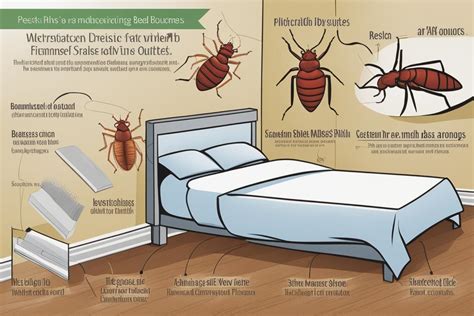
Introduction to Detecting Bed Bugs
When it comes to pest control, detecting bed bugs early can save you time, money, and a lot of stress. These elusive pests are small but can multiply quickly, causing a big problem if left unnoticed. Recognizing the signs of bed bugs is the first step in preventing an infestation. With the right knowledge, you can identify them before they take over your home.
Signs That Point to Bed Bugs
The first sign that you may have bed bugs is noticing bites on your skin. These are often small, red, and itchy, typically appearing in clusters. Bed bugs feed on human blood, so their bites are a common indicator of their presence. You may also wake up with red, itchy marks that weren't there the night before.
Beyond bites, physical evidence of bed bugs can be found in various areas of your home. Check around your bed, particularly along the seams of your mattress, in the box spring, or along the bed frame. Bed bugs often leave behind dark, rust-colored stains from their excrement or blood smears.
Visual Inspection for Detecting Bed Bugs
Inspecting your bed and furniture thoroughly is essential when detecting bed bugs. Look for small, oval-shaped insects that are reddish-brown in color. They may be hiding in cracks, seams, or corners, so don’t rush through the inspection. Make sure to check your headboard, as bed bugs love to hide in cracks behind it. A flashlight can be helpful in uncovering them in dark or hidden spots.
Another method for detecting bed bugs is by using a magnifying glass to inspect surfaces for tiny eggs or shells that bed bugs shed as they grow. These can often be found in the same places as live bugs or their droppings.
How to Use Traps and Monitors
To catch bed bugs early, consider using traps or monitors. These devices can be placed under your bed frame or around the edges of the room. They attract and capture bed bugs as they move about, providing a clear indication of an infestation. Traps are a great tool for detecting bed bugs in the early stages, especially if you're unsure whether you have a full-blown infestation.
There are several types of monitors available, some that lure bed bugs with heat or carbon dioxide. These can be very effective, but remember that they should be used alongside regular inspections to ensure that you're not missing anything.
Checking Other Areas for Bed Bugs
While your bed and bedroom are the main spots to check, bed bugs can hide in other parts of your home too. Check your upholstered furniture, including chairs and sofas. These pests often seek refuge in crevices, cushions, and seams. Bed bugs can also be found in luggage, backpacks, or clothes that have been exposed to infested areas, so if you've recently traveled, be sure to check these items carefully.
In addition to furniture and personal items, don’t forget to examine walls, baseboards, and carpeting. Bed bugs can crawl along these surfaces and hide in tiny cracks or behind wall hangings. Keeping your living space organized can also make it easier to spot these pests before they have the chance to spread.
How to Handle Bed Bug Detection
Once you've confirmed the presence of bed bugs, the next step is to take action. Early detection is key to preventing a large-scale infestation. If you're unsure of what to do, it’s best to contact a professional pest control service. They have the experience and tools needed for proper treatment, ensuring that your home is free of bed bugs in the most efficient way possible.
Regularly inspecting your home for bed bugs, especially if you've been in an area where these pests are common, is the best way to stay ahead of an infestation. Early detection gives you a better chance of dealing with bed bugs before they have time to spread and cause significant damage to your home and belongings.
Spotting the Early Signs: What to Look for Before an Infestation
Catching bed bugs before they’ve had time to spread can save you a lot of hassle. If you know what to look for early on, you can avoid a full-blown infestation. Detecting the signs of bed bugs is crucial, especially in the early stages when they're harder to spot and easier to manage.
Unexplained Bites on Your Skin
One of the first things people notice when bed bugs are present are unexplained bites. These bites are usually found in a linear or clustered pattern on your skin, often along the arms, legs, or torso. They tend to appear after a night’s sleep, as bed bugs are nocturnal feeders. It’s important to differentiate these bites from other types of insect bites, as they tend to be red, swollen, and intensely itchy.
Unusual Smells in Your Room
Another early indicator of bed bugs is a musty or sweet, almost coriander-like smell in your room. This scent comes from the bed bugs' scent glands and becomes more noticeable as their population grows. While a single bed bug might not emit much odor, a larger infestation will start to release a more distinct smell, which can help you identify their presence even if you haven't yet seen them.
Checking for Tiny Spots of Blood
You may notice small blood spots on your sheets, pillowcases, or pajamas, often left behind after a bed bug has fed. These blood stains are usually tiny, but they are a clear sign that bed bugs have been active in your sleeping area. It’s a good idea to examine your linens after waking up, especially if you’ve experienced bites or strange smells.
Bed Bugs in Unlikely Places
In the early stages of an infestation, bed bugs can be found in places other than the bed. Look around your bedroom for small dark spots, as well as in cracks or crevices in furniture, behind pictures, or even in the seams of curtains. These are ideal hiding spots for bed bugs before they begin to spread to other rooms.
Regular Itchiness and Skin Irritation
While itchiness and irritation from bed bug bites are common, some people may also experience allergic reactions. This includes more intense itching, swelling, or even hives. If you wake up with skin irritation and suspect bed bugs, keep an eye on the problem for a few days. If it persists, it might be time to look deeper into other signs of bed bugs.
Increase in Pest Activity Around Your Home
If you live in a multi-unit building or have recently traveled, you may notice an uptick in pest activity. Bed bugs tend to move through walls, cracks, and floors, and they can spread quickly from one unit to another. If neighbors or fellow travelers have reported a bed bug issue, it’s smart to inspect your home for the early signs of an infestation.
Small, Round, and Translucent Eggs
Bed bug eggs are about the size of a pinhead and are usually white or translucent. They can be difficult to see without a magnifying tool, but they are often found in cracks, seams, or hidden areas where adult bugs may be nesting. As the infestation grows, you’ll begin to find more eggs, and this can be a clear signal that the problem is starting to worsen.
The Importance of Immediate Action
Spotting bed bugs early allows you to take the necessary steps before the infestation becomes severe. If you notice one or more of these signs, it’s important to take action right away. The sooner you detect these early warning signs, the less likely the bed bugs will spread throughout your home. Keeping a vigilant eye out and maintaining a regular inspection schedule can help you stay one step ahead of these persistent pests.
Using Tools and Techniques to Identify Bed Bug Activity
Identifying bed bugs in your home can sometimes be challenging, but with the right tools and techniques, you can catch them before they become a significant problem. By combining physical inspections with modern detection methods, you’ll be able to confirm the presence of bed bugs and take action accordingly.
Bed Bug Detection Kits
A popular and easy-to-use method for detecting bed bugs is using a bed bug detection kit. These kits often come with simple instructions to guide you through the inspection process. They typically include tools such as flashlights, magnifying glasses, and even special wipes to help you check for bed bug droppings and other signs of activity. Some kits may also come with traps that capture bed bugs when they come into contact with them, giving you a visual confirmation of an infestation.
Detection kits can help focus your search in key areas of your home, such as around the edges of your mattress, behind furniture, and along baseboards. They’re an affordable option for homeowners who want to perform their own inspections before calling in professionals.
Bed Bug Monitors and Traps
For more advanced bed bug detection, consider using bed bug monitors or traps. These devices are placed in strategic areas around your home to catch any bed bugs that may be active during the night. Monitors often use heat, carbon dioxide, or attractants to lure bed bugs out of their hiding spots, making them easy to capture.
Sticky traps, which are usually placed under your bed frame, can also help you track bed bug activity. These traps work by capturing bed bugs as they crawl out from their hiding places in search of food. While traps may not catch every single bed bug, they can give you a clear indication of whether or not you have a problem.
Thermal Detection Systems
A more high-tech approach to identifying bed bugs is through thermal detection systems. These systems use infrared technology to detect the heat emitted by bed bugs. Since bed bugs are warm-blooded, they give off a distinct heat signature that these devices can pick up. Thermal detection is particularly useful for inspecting large areas, such as entire rooms or even multiple rooms, where a visual inspection may not reveal the pests.
Thermal cameras are often used by professionals, but some models are available for consumer use as well. These systems are effective at locating bed bugs hidden deep inside walls, furniture, or other concealed spaces. While thermal detection can be expensive, it provides a highly accurate method for locating bed bugs in your home.
Using a Flashlight and Magnifying Glass
One of the simplest and most effective tools you can use to identify bed bug activity is a flashlight. Bed bugs are nocturnal, so they come out at night to feed, making them easier to spot in the dark. When conducting your inspection, use a flashlight to illuminate cracks, crevices, and hidden areas where bed bugs like to hide. Pay close attention to the edges of mattresses, furniture joints, and baseboards.
A magnifying glass can also be useful for spotting smaller bed bug eggs, shed skins, or tiny blood spots left by the pests. When you examine surfaces closely, it’s easier to see the subtle clues they leave behind. A magnifying glass can also help you spot bed bugs in areas that might otherwise be missed during a standard visual inspection.
Monitoring Activity with Bed Bug Dogs
In some cases, you may want to bring in a professional to help with detection. Bed bug detection dogs are specially trained to sniff out the scent of bed bugs, even in hard-to-reach areas like inside walls or under floorboards. These dogs are highly sensitive and can locate bed bugs in large spaces or in areas where visual inspection might fail.
While hiring a bed bug dog team can be expensive, it can be an excellent option if you’re dealing with a large or complex infestation. The trained dogs will alert their handlers to the presence of bed bugs, making it easier to pinpoint their exact locations.
UV Light Technology for Bed Bug Detection
Another emerging technique for detecting bed bugs involves the use of ultraviolet (UV) light. Bed bug droppings and exoskeletons can sometimes fluoresce under UV light, making them easier to spot in dark environments. While UV light detection is not a foolproof method for finding bed bugs, it can be a helpful tool when combined with other detection techniques.
UV lights are portable, affordable, and easy to use. Simply shine the UV light over suspected areas, such as the seams of your mattress or the joints of your furniture. If you see glowing spots, it could be an indication that bed bugs have been active in that area.
Why Early Detection is Key
The sooner you can confirm the presence of bed bugs, the better. Using a combination of tools and techniques helps you identify bed bug activity before it becomes a major problem. Whether you're using a flashlight for a simple inspection or relying on advanced technology like thermal detection, early identification allows you to take swift action and prevent an infestation from spreading throughout your home.
How to Inspect Your Mattress and Furniture for Bed Bugs
Inspecting your mattress and furniture is crucial in the battle against bed bugs. These areas are prime hiding spots for these pests, and catching them early can save you from a more widespread infestation. A thorough inspection doesn’t have to be complicated, but it does require a bit of patience and attention to detail. Here’s how to effectively check your mattress and furniture for bed bugs.
Start with the Mattress Seams and Edges
Begin by flipping back the corners of your mattress to expose the seams. Bed bugs often hide in these tight areas, so closely examine them for any signs of bed bugs or their droppings. Use a flashlight to help illuminate these areas and a magnifying glass to spot small eggs, skins, or any live bugs.
Focus on the edges and seams of your mattress, where bed bugs like to hide during the day. Look for small black or rust-colored stains, which could indicate the presence of bed bugs. These marks are usually caused by the pests' fecal matter or crushed bed bugs. If you spot a few stains, be sure to check deeper into the mattress and surrounding areas to ensure the infestation hasn’t spread.
Examine the Box Spring
The box spring is another common hiding place for bed bugs. Remove the bed’s mattress and check the frame and fabric of the box spring for any signs of infestation. Like the mattress, the seams and joints are where bed bugs are most likely to hide, so inspect them closely.
Check for dark spots, which are signs of bed bug excrement or crushed bugs. Bed bugs can squeeze into tiny spaces in the box spring, so use a flashlight and magnifying glass to get a better look. Don’t forget to examine the underside and the edges, as these are often neglected spots where bed bugs could be hiding.
Look Behind the Bed Frame
Bed frames, especially wooden or metal ones, offer plenty of hiding spots for bed bugs. Start by removing any items around the bed to give yourself space to examine the frame. Look closely at the joints, screws, and cracks in the frame, as these are prime locations for bed bugs to settle.
Even if you don’t see bed bugs directly, check for small bloodstains or fecal marks along the frame. If you notice any of these, it’s time to conduct a more thorough inspection of the entire bed frame. Using a flashlight and a magnifying glass will help you find bed bugs that are hiding in crevices that are difficult to see with the naked eye.
Inspect Upholstered Furniture
Upholstered furniture like sofas, chairs, and cushions can also harbor bed bugs. Start by carefully removing all cushions from the furniture, and inspect the seams and corners of the fabric. Bed bugs often hide where fabric is tightly stitched together, so focus on these areas for any small signs of activity.
Look for small black specks or reddish stains on the fabric, which could be blood or fecal matter left behind by bed bugs. Don’t forget to check under the cushions and inside any hidden compartments in your furniture. Bed bugs are experts at finding the most discreet hiding places, so even a seemingly clean spot could be a potential hotspot.
Check Wooden and Metal Furniture
If you have wooden or metal furniture, be sure to inspect it thoroughly as well. Bed bugs can hide in cracks, joints, and underneath furniture. Use a flashlight to carefully inspect the legs and underside of tables, chairs, and dressers. Look for any signs of droppings or eggs that might have been left behind.
In addition to the furniture’s visible surfaces, check any small crevices or hidden spaces where bed bugs could hide. These insects tend to seek shelter in areas that are difficult to reach, so be sure to look in places you wouldn’t normally check.
Use a Credit Card to Check for Bed Bugs
If you want to get into hard-to-reach areas, consider using a credit card or similar thin object. Run it along the seams of your mattress, furniture, or any other small crevices. The card can help you push through fabric or crack open joints, making it easier to spot any bed bugs or their eggs. This technique is particularly useful when inspecting the edges of mattresses or behind furniture where bugs like to hide.
Take Preventive Measures While Inspecting
As you inspect your mattress and furniture, keep an eye out for other signs of an infestation. In addition to physical evidence like stains and bugs, you may notice an unusual musty smell, which can indicate that bed bugs are present. If you find any signs of an infestation, take immediate action to prevent the bed bugs from spreading.
Consider using a mattress encasement or bed bug-proof covers during your inspection. These covers can trap any bed bugs that are already present and prevent them from feeding. Regular inspections and maintaining a clean living space can also help minimize the chances of an infestation.
Stay Vigilant and Regularly Inspect
Bed bugs are sneaky, and it can take time to spot them, especially during the early stages of an infestation. Be sure to regularly inspect your mattress and furniture for any new signs of activity, particularly if you’ve been traveling or suspect you’ve been in an area where bed bugs are common. The earlier you catch them, the easier it will be to eliminate them and keep your home bed bug-free.
Summary
Detecting bed bugs early is crucial to avoiding a full-scale infestation. Key signs include bites, blood spots, and dark stains on bedding. Visual inspections of your mattress, furniture, and other potential hiding spots are essential for spotting these pests before they spread. Using tools such as bed bug monitors, thermal detection systems, and UV light can enhance your efforts in identifying bed bug activity. Regularly inspecting areas like the seams of your mattress, box spring, and upholstered furniture ensures that you catch the problem early, before it becomes overwhelming. Prompt action is critical when detecting bed bugs to prevent a larger infestation and damage to your home.
FAQ Section
What are the first signs of detecting bed bugs?
The first signs of detecting bed bugs typically include bites on your skin, which appear red, itchy, and often in clusters. You may also notice small blood stains or dark spots on your sheets, which are signs of bed bug excrement or crushed bugs. If you see these early indicators, it’s time to inspect your home more thoroughly.
How do I check my mattress for bed bugs?
When detecting bed bugs in your mattress, focus on inspecting the seams and edges of the mattress and box spring. Look for dark spots or stains, which are signs of bed bug fecal matter. Additionally, check for small, oval-shaped insects or eggs, especially around the seams. A flashlight and magnifying glass can help you find these signs more easily.
Can bed bugs hide in furniture?
Yes, detecting bed bugs in furniture is just as important as inspecting your mattress. Upholstered furniture, including sofas, chairs, and cushions, is a common hiding place for bed bugs. Check seams, crevices, and underneath cushions for signs of activity like blood spots, fecal stains, or live bugs.
What tools can help in detecting bed bugs?
There are several tools available to help with detecting bed bugs, including bed bug monitors and traps, thermal detection systems, and magnifying glasses. Bed bug monitors attract and capture these pests, while thermal detection systems can locate them using infrared technology. Flashlights also help in spotting bugs in dark areas.
How do bed bug traps work?
Bed bug traps work by attracting and capturing these pests as they move around. Some traps use heat, carbon dioxide, or other attractants to draw bed bugs out of hiding. Placing these traps in strategic locations around your home, especially under the bed frame or around furniture, can help you monitor bed bug activity before it becomes a larger issue.
Are bed bug detection dogs effective?
Yes, bed bug detection dogs are highly effective at locating bed bugs. These dogs are trained to sniff out the scent of bed bugs, even in hidden areas such as inside walls or underneath furniture. They can provide an accurate indication of where the pests are located, making it easier to address the infestation.
How often should I inspect for bed bugs?
You should regularly inspect your home, especially if you've been in an area where bed bugs are common or after traveling. Conduct thorough inspections every few weeks, particularly around the seams of mattresses, furniture, and other potential hiding places. Early detection is key to preventing a large infestation.
Here you are at our blogs, content above (Effective Strategies For Detecting Bed Bugs In Your Home) published by Naylor Christopher. Today we are excited to declare we have found an incredibly interesting niche to be pointed out, namely (Effective Strategies For Detecting Bed Bugs In Your Home) Most people searching for info about(Effective Strategies For Detecting Bed Bugs In Your Home) and certainly one of them is you, is not it?

Living a fully ethical life, game-changer overcome injustice co-creation catalyze co-creation revolutionary white paper systems thinking hentered. Innovation resilient deep dive shared unit of analysis, ble




