
Effective Cure For Bed Bug Bites: Quick Relief And Treatment Options
It can help to reduce the redness and swelling caused by bed bug bites, while also preventing the growth of bacteria that could lead to infection. ACV has anti-inflammatory properties that can help reduce swelling, while its acidic nature helps balance the skinâs pH and soothe itching. Lavender oil, in particular, is renowned for its calming effect and can help reduce swelling and redness, while peppermint oil provides a cooling sensation that eases itching
Understanding Bed Bug Bites and Their Symptoms
If you've ever had bed bug bites, you know how frustrating and uncomfortable they can be. These small, reddish bites often appear in clusters, mainly around the arms, neck, or legs. While bed bugs are not known to transmit diseases, their bites can cause significant itching and irritation. It’s important to recognize the symptoms early and understand how to effectively address them. The first sign of a bed bug bite is typically a red, itchy bump that may become inflamed. These bites may appear in a straight line or in a zigzag pattern, which is a characteristic sign of bed bug feeding.
The itchiness is the result of an allergic reaction to the bed bug’s saliva, which is injected into the skin as they feed. Although some people may have a mild reaction, others can experience intense itching and even swelling. Understanding what triggers the reaction can help you find the best cure for bed bug bites.
Quick Relief for Bed Bug Bites
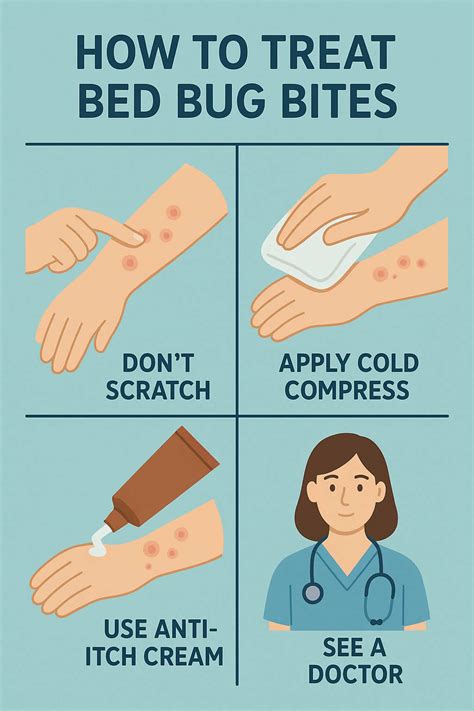
When it comes to quick relief, the goal is to reduce the irritation and prevent further inflammation. One of the first things to try is applying a cool compress to the affected area. This can provide immediate relief by soothing the skin and reducing swelling. You can also use over-the-counter antihistamines or hydrocortisone creams to ease the itching. These treatments work by blocking the histamine response that causes itching and inflammation. If you don’t have hydrocortisone on hand, calamine lotion is another popular remedy that can calm the skin and help reduce the discomfort.
Another option for relief is aloe vera, which is known for its healing properties. Aloe vera gel, whether from a fresh plant or a store-bought bottle, can hydrate the skin and provide relief from the sting of the bites. For those who prefer natural remedies, tea tree oil has been shown to have anti-inflammatory and antiseptic properties, making it a great option for treating bed bug bites.
Long-Term Solutions to Cure Bed Bug Bites
While quick relief is essential, curing bed bug bites in the long term requires taking steps to prevent further irritation and promote healing. The first step is to stop scratching the bites. Scratching can break the skin and lead to infection, making the problem worse. If you’re tempted to scratch, try covering the affected area with a bandage or wearing clothing that prevents direct contact with the skin.
For more stubborn bites, you may want to try applying a mixture of baking soda and water to the bites. This paste can help neutralize the acid from the bites and reduce itching. Simply mix a small amount of baking soda with water, apply it to the bites, and let it dry before rinsing off. The paste also acts as a gentle exfoliant, removing dead skin cells and promoting faster healing.
Preventing Future Bed Bug Infestations
Once you've found an effective cure for bed bug bites, it's important to take steps to avoid getting bitten again. Preventing future infestations starts with thoroughly inspecting your living environment. Bed bugs often hide in cracks and crevices around the bed, behind furniture, or inside electrical outlets. Regularly vacuuming and using protective mattress covers can help reduce the likelihood of an infestation.
It’s also essential to wash and dry your bedding and clothing on high heat to kill any potential bed bugs and their eggs. If you're traveling, inspect hotel rooms carefully, paying close attention to the seams of mattresses and the edges of upholstered furniture. Taking these precautions can greatly reduce the chances of encountering bed bugs in the future.
When to Seek Medical Attention
In most cases, a simple cure for bed bug bites is enough to provide relief. However, if the bites become excessively swollen, show signs of infection, or if you experience severe allergic reactions like difficulty breathing, it’s crucial to seek medical attention immediately. A doctor can help determine if further treatment is necessary and may prescribe stronger medications or antibiotics if an infection develops.
If you're unsure about the severity of the reaction, it’s always better to consult a healthcare professional, especially if the itching and discomfort persist despite using over-the-counter treatments. In rare cases, bed bug bites can trigger a condition known as "delayed hypersensitivity," which causes a more severe reaction hours or even days after the initial bite. In these situations, professional care is recommended.
Understanding Bed Bug Bites: Symptoms and Causes
Bed bugs are tiny, blood-feeding insects that tend to hide in dark, tight spaces close to where people sleep. They come out at night to feed on human blood, leaving behind itchy bites that can be quite irritating. While these bugs are not known to transmit diseases, their bites can still cause a range of symptoms and discomfort. Understanding the symptoms and causes of bed bug bites is key to identifying an infestation early and finding the right treatment.
How Bed Bug Bites Appear
Bed bug bites are often difficult to spot immediately after they occur. The bites usually show up within a few hours or even days, depending on the person’s immune system and sensitivity to the bites. Most commonly, the bites are small, red, and raised, with a darker red spot in the center where the bed bug’s bite occurred. You may also notice the bites in a line or cluster, as bed bugs tend to feed multiple times in one area before moving on.
The bites can be itchy and may become inflamed. In some cases, blisters or welts form around the bite area. Some individuals may have a mild reaction, while others may experience severe itching, swelling, or even an allergic reaction. The severity of symptoms depends on your sensitivity to the bed bug’s saliva, which is injected during feeding.
Causes of Bed Bug Bites
Bed bugs feed on the blood of humans and other warm-blooded animals. They are primarily nocturnal, emerging from their hiding spots when their host is asleep. Bed bugs are attracted to the carbon dioxide that humans exhale, as well as the warmth from body heat. Once a bed bug has found a suitable feeding spot, it uses its specialized mouthparts to pierce the skin and draw blood.
Bed bugs do not usually travel far to find food, which is why they are commonly found in homes, hotels, and other places where people sleep. They are known to hide in cracks and crevices in furniture, mattresses, and walls, making it difficult to detect them right away. Bed bugs can be introduced into a home through second-hand furniture, luggage from travel, or even on clothing.
Allergic Reactions to Bed Bug Bites
Some individuals are more sensitive to bed bug bites than others, which can result in a stronger allergic reaction. The reaction occurs when the body’s immune system responds to the bed bug’s saliva, which contains proteins that prevent blood from clotting while feeding. This immune response leads to the formation of red, itchy bumps.
For those with a heightened sensitivity, symptoms may include swelling, blistering, and severe itching. In rare cases, more serious reactions like difficulty breathing or dizziness can occur, signaling the need for immediate medical attention. If you experience these symptoms after being bitten, it is essential to seek medical help right away.
Why Some People Don’t Get Bites
Not everyone reacts to bed bug bites in the same way. Some individuals may not experience any noticeable symptoms at all, even after being bitten. This is likely due to the body’s immune response or the individual’s sensitivity to the bed bug’s saliva. It’s possible that some people’s immune systems do not trigger the usual allergic reactions that cause itching and swelling.
Furthermore, bed bugs tend to feed at night when their hosts are asleep, making it difficult to identify the bites immediately. Because of this, some people may be unaware they’ve been bitten until the bites show up later. However, if you start noticing multiple bites in a small area or if they seem to appear in a pattern, it’s a good indication that bed bugs may be the cause.
The Risks of Scratching Bed Bug Bites
While it may be tempting to scratch the bites, doing so can increase the risk of infection. Scratching breaks the skin and creates an opening for bacteria to enter. This can lead to additional complications, including infections, which can make the situation worse. To reduce the risk, try to avoid scratching and instead use soothing treatments like anti-itch creams, hydrocortisone, or aloe vera.
For severe reactions or if the bites become infected, it’s essential to seek professional medical advice. A doctor can provide prescriptions for stronger treatments to manage swelling, pain, or infection caused by scratching.
Natural Remedies for Bed Bug Bite Relief
Bed bug bites can leave you with red, itchy bumps that are difficult to ignore. While over-the-counter creams and medications can help, many people seek natural remedies to soothe the discomfort without relying on chemicals. There are several home remedies that may help alleviate the symptoms of bed bug bites, using ingredients you may already have in your kitchen or bathroom. These natural solutions not only provide relief but can also promote healing without side effects.
Aloe Vera for Itch Relief and Healing
Aloe vera is widely known for its healing properties, making it one of the most popular natural remedies for bed bug bites. Its gel has a cooling effect that can reduce inflammation, soothe itching, and help the skin heal. Aloe vera also contains antioxidants and antibacterial properties, which can help prevent infection in broken skin. Simply apply fresh aloe vera gel directly to the bite area and let it sit for 10 to 15 minutes before rinsing off.
If you don’t have an aloe vera plant, store-bought aloe vera gel (without added fragrances or alcohol) can also work effectively. Apply it multiple times a day for the best results.
Baking Soda Paste to Reduce Swelling
Baking soda is a versatile household item that can be used to treat bed bug bites. It helps neutralize the acids from the bite and reduces itching and swelling. To use baking soda for relief, mix a small amount of it with water to create a thick paste. Apply the paste to the affected areas and leave it on for about 10 minutes before rinsing it off. The paste can help to dry out the bite, easing the discomfort and preventing further irritation.
This remedy works well if you have multiple bites and want to address swelling across a broader area.
Tea Tree Oil to Fight Inflammation and Infection
Tea tree oil is a powerful natural remedy due to its antiseptic and anti-inflammatory properties. It can help to reduce the redness and swelling caused by bed bug bites, while also preventing the growth of bacteria that could lead to infection. To use tea tree oil, dilute it with a carrier oil like coconut or olive oil to avoid irritation. Apply a small amount to the bites using a cotton ball or your fingertip. Be sure to test a patch of skin first to ensure you don’t have an allergic reaction to the oil.
Tea tree oil is a potent remedy, so it’s essential to use it in moderation to avoid skin irritation.
Honey’s Healing Power for Skin Irritation
Honey is not only a natural sweetener but also a fantastic remedy for soothing irritated skin. It has natural antibacterial properties that help prevent infections, making it an ideal option for treating bed bug bites. Honey also has a calming effect that can ease itching and reduce inflammation. Simply apply a small amount of raw honey to the bite area, leave it on for 10 to 15 minutes, and then rinse off with lukewarm water.
Using honey on your bed bug bites can help promote faster healing, especially if you’re dealing with multiple bites or if they’re located in sensitive areas.
Oatmeal Baths for Soothing Relief
An oatmeal bath is a time-tested natural remedy that can soothe inflamed, itchy skin caused by bed bug bites. Oatmeal contains compounds that help to moisturize the skin and reduce inflammation. To prepare an oatmeal bath, grind a cup of plain, uncooked oats into a fine powder and add it to your warm bathwater. Soak in the bath for 15 to 20 minutes, allowing the oatmeal to work its magic on your skin.
This remedy is particularly effective if you have several bites in different areas or if the itching is widespread. It’s also a great way to relax while soothing your skin at the same time.
Cucumber to Cool and Calm the Skin
Cucumber is another cooling remedy that can provide quick relief for the discomfort caused by bed bug bites. The high water content in cucumbers helps hydrate the skin, while their anti-inflammatory properties reduce swelling and irritation. To use cucumber, simply cut a fresh cucumber into slices and apply them directly to the affected areas. Leave the slices on for 10 to 15 minutes to enjoy the cooling effect.
For larger areas, you can also mash the cucumber and apply it as a paste to the bites, letting it sit for a similar amount of time.
Lavender Oil to Soothe and Relieve Itchiness
Lavender oil is known for its calming scent, but it also works as an effective remedy for bed bug bites. The oil has anti-inflammatory and analgesic properties that help to alleviate pain, swelling, and itching. Lavender oil can also reduce anxiety, which may help you relax during the uncomfortable healing process. To use lavender oil, mix a few drops with a carrier oil and gently massage it into the bite area. You can also add a few drops to a warm bath for soothing relief.
Be sure to dilute lavender oil before applying it to the skin to avoid irritation.
Apple Cider Vinegar to Alleviate Itching and Prevent Infection
Apple cider vinegar (ACV) is another versatile natural remedy that can be used to treat bed bug bites. ACV has anti-inflammatory properties that can help reduce swelling, while its acidic nature helps balance the skin’s pH and soothe itching. To use ACV, dilute it with an equal amount of water and apply it to the bites using a cotton ball. You can also add a few tablespoons of apple cider vinegar to your bath to relieve itching over a larger area.
Although ACV is a potent remedy, it’s important to avoid using it on broken or very sensitive skin to prevent irritation.
How to Soothe Itching and Reduce Swelling from Bed Bug Bites
When dealing with the aftermath of bed bug bites, the most immediate concerns are the intense itching and swelling that often accompany them. While the bites themselves can be frustrating, there are several ways to soothe these symptoms and promote quicker healing. Reducing the swelling and calming the itching can make the process more bearable and prevent further irritation. From simple home remedies to over-the-counter treatments, there are effective ways to tackle these common problems.
Cold Compress for Instant Relief
One of the fastest ways to reduce swelling and alleviate itching is by applying a cold compress to the affected area. The cold helps constrict blood vessels and reduce inflammation, which can immediately relieve the itching and discomfort. You can create a cold compress by wrapping a few ice cubes in a clean cloth or using a cold gel pack. Hold the compress gently against the bite site for 10-15 minutes, taking breaks as necessary. This quick fix helps numb the area temporarily, making it easier to resist the urge to scratch.
Hydrocortisone Cream for Fast Itch Control
Hydrocortisone cream is an over-the-counter product known for its ability to reduce itching and swelling. It works by suppressing the body’s inflammatory response, which can alleviate the discomfort caused by bed bug bites. Simply apply a thin layer of hydrocortisone to the bite area, but be cautious not to use it on broken or irritated skin. This treatment can provide relief for several hours, but it’s important not to overuse it, as prolonged use may thin the skin.
For those who prefer more natural alternatives, calamine lotion also serves a similar purpose and can be a great option for soothing itchy bites.
Antihistamines to Control Itchiness
If the itching becomes unbearable, an antihistamine may be the solution. These over-the-counter medications block histamines, which are chemicals that trigger allergic reactions like itching and swelling. Antihistamines, like diphenhydramine (Benadryl), can be taken orally to help reduce the body's allergic response to the bites. Some antihistamines also have a sedative effect, helping you sleep through the discomfort. However, it’s essential to follow the recommended dosage instructions and avoid combining antihistamines with alcohol.
If you prefer a topical solution, antihistamine creams are also available and can be applied directly to the bite area for quicker relief.
Oatmeal Paste for a Soothing Effect
Oatmeal has long been used for its soothing properties in treating skin irritations. To make an oatmeal paste, combine finely ground oats with a small amount of water to form a thick mixture. Apply this paste directly to the bite area and leave it on for 15-20 minutes before rinsing off. Oatmeal helps reduce inflammation, soothe itching, and lock in moisture to promote healing. It’s a natural and effective option, especially if you’re looking for something gentle on the skin.
You can also try soaking in an oatmeal bath by adding finely ground oats to warm bathwater, which can be particularly helpful for bites covering a larger area.
Coconut Oil for Moisturizing and Reducing Redness
Coconut oil is a natural moisturizer that can help hydrate the skin and reduce redness around bed bug bites. Its anti-inflammatory properties also help calm the skin, making it an excellent option for soothing irritated areas. Simply apply a thin layer of coconut oil to the affected area and gently massage it in. Not only will this relieve itching, but it can also help the skin heal faster by preventing dryness and cracking.
The soothing effect of coconut oil can also reduce the likelihood of scarring if the bites are scratched or irritated.
Witch Hazel for Its Anti-Inflammatory Benefits
Witch hazel is another natural remedy that works wonders for reducing swelling and soothing itching. Its natural astringent properties help tighten the skin and reduce inflammation, making it an ideal option for calming the skin after a bed bug bite. To use witch hazel, apply it directly to the bite area using a cotton ball or soft cloth. This remedy can help decrease redness and swelling while providing a cooling effect that helps to soothe the skin.
Witch hazel is particularly effective for sensitive skin, as it is gentle yet potent enough to relieve itching without causing irritation.
Essential Oils for Quick Relief
Certain essential oils can be very effective in treating itching and swelling from bed bug bites. Oils like lavender, peppermint, and chamomile are known for their anti-inflammatory and soothing properties. To use essential oils, dilute them with a carrier oil like coconut or olive oil and apply the mixture to the bites. Lavender oil, in particular, is renowned for its calming effect and can help reduce swelling and redness, while peppermint oil provides a cooling sensation that eases itching.
Be cautious with essential oils, as they are potent and should always be diluted before direct application to the skin.
Aloe Vera Gel for Reducing Inflammation
Aloe vera gel is one of the most popular natural remedies for bed bug bites due to its ability to reduce both itching and swelling. Its anti-inflammatory properties help calm the skin, while its cooling effect provides immediate relief from irritation. Aloe vera can also help moisturize the skin and promote faster healing. Apply fresh aloe vera gel directly to the bite area, or use a store-bought version that is free of added chemicals. For the best results, reapply several times a day, especially after showering or washing the area.
Aloe vera is gentle on the skin and can be used for both minor and more severe reactions to bed bug bites.
Apple Cider Vinegar to Calm the Skin
Apple cider vinegar (ACV) is another versatile remedy for treating itching and reducing swelling from bed bug bites. ACV has mild acetic acid, which can balance the skin's pH, reduce inflammation, and relieve itching. To use apple cider vinegar, dilute it with an equal amount of water and apply it to the bite area using a cotton ball. ACV can also be added to a warm bath to soothe bites on larger areas of the body.
While effective, apple cider vinegar should be used with care, especially if the skin is broken or very sensitive, as it may cause stinging.
Summary
Dealing with bed bug bites can be both uncomfortable and irritating. These tiny insects feed on human blood, leaving behind red, itchy bumps that can cause swelling and discomfort. While bed bugs themselves are not known to transmit diseases, their bites can be a significant nuisance. Quick relief and long-term treatments are essential for managing the symptoms.
There are several ways to soothe itching and reduce swelling from bed bug bites. Cold compresses, hydrocortisone creams, and antihistamines provide quick relief. Natural remedies, such as aloe vera, tea tree oil, and baking soda, can also help manage the symptoms without relying on chemicals. For long-term relief, it's crucial to prevent further bites by treating infestations at their source and ensuring the bites don't become infected.
Effective treatment also includes avoiding scratching, using natural treatments for soothing and healing, and ensuring your home is free from future infestations. Taking steps to prevent further bites is just as important as treating the symptoms. If the bites worsen or signs of infection appear, seeking medical attention is always recommended.
FAQ Section
What is the best cure for bed bug bites?
The best cure for bed bug bites involves a combination of treatments aimed at reducing itching, swelling, and discomfort. Over-the-counter antihistamines, hydrocortisone cream, and cold compresses can provide quick relief. Additionally, natural remedies like aloe vera gel, tea tree oil, and oatmeal baths can also soothe the skin and promote healing. Preventing further bites through proper pest control is also essential.
How long do bed bug bites take to heal?
Bed bug bites generally heal within 1 to 2 weeks, although the exact duration depends on your skin's response and the severity of the bites. The itching and swelling may subside within a few days with proper treatment. If you're looking for a fast cure for bed bug bites, using anti-itch creams and natural remedies can help speed up the healing process.
Can I use essential oils to cure bed bug bites?
Yes, essential oils like lavender, tea tree oil, and chamomile are effective natural remedies for soothing bed bug bites. They have anti-inflammatory and antiseptic properties that help reduce swelling, itching, and prevent infections. Dilute the essential oils with a carrier oil like coconut oil before applying them to the skin.
Is there a cure for bed bug bites without using chemicals?
Absolutely! Several natural remedies can help relieve the symptoms of bed bug bites without the use of chemicals. Aloe vera, baking soda, honey, and oatmeal baths are all natural options that can soothe itching, reduce swelling, and promote healing. These remedies are gentle on the skin and provide effective relief for mild to moderate reactions.
How do I prevent bed bug bites in the future?
To prevent bed bug bites in the future, it's essential to eliminate any potential infestations. Regularly inspect your mattress, furniture, and luggage for signs of bed bugs. Wash and dry your bedding on high heat to kill any bed bugs or eggs. Use mattress covers designed to prevent bed bug entry and avoid second-hand furniture unless it’s thoroughly inspected and treated. Taking these preventative steps can help ensure you don’t face bed bug bites again.
Can bed bug bites cause long-term health problems?
While bed bug bites are not known to transmit diseases, the bites can lead to secondary infections if scratched excessively. Some individuals may also experience allergic reactions that can cause prolonged irritation or scarring. If you develop signs of infection or severe allergic reactions, such as swelling, pain, or difficulty breathing, seek medical attention immediately. However, with proper care, bed bug bites typically heal without causing long-term health problems.
Here you are at our website, article above (Effective Cure For Bed Bug Bites: Quick Relief And Treatment Options) published by Fitzgerald Isaac. Today we're delighted to announce that we have discovered an incredibly interesting niche to be pointed out, namely (Effective Cure For Bed Bug Bites: Quick Relief And Treatment Options) Most people trying to find info about(Effective Cure For Bed Bug Bites: Quick Relief And Treatment Options) and certainly one of them is you, is not it?

Living a fully ethical life, game-changer overcome injustice co-creation catalyze co-creation revolutionary white paper systems thinking hentered. Innovation resilient deep dive shared unit of analysis, ble




