
Choosing The Perfect Cot Bed Mattress For Your Baby
Many parents prefer mattresses made from breathable, hypoallergenic materials that help regulate temperature. Measure the internal dimensions of your cot bed and look for a mattress that matches these measurements to ensure a safe and secure fit. Look for mattresses labeled as hypoallergenic or made with naturally resistant materials like latex or wool
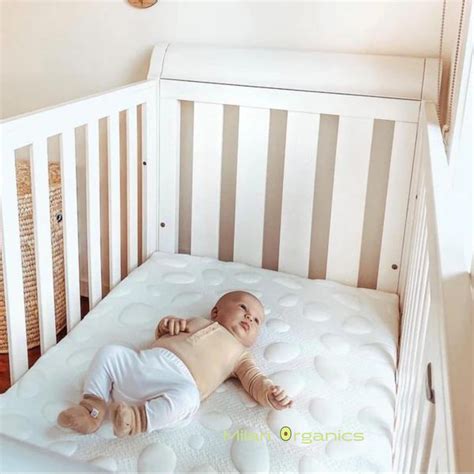
When it comes to your baby’s sleep, every detail matters. The mattress you choose for their cot bed isn’t just about comfort—it’s about safety and support during those early years of growth and development. With so many options on the market, finding the right one can feel overwhelming. Knowing what to look for can make the process smoother and ensure your baby rests soundly.
What Makes a Good Cot Bed Mattress?
The perfect cot bed mattress strikes a balance between firmness and comfort. Babies need a firm surface to reduce the risk of suffocation and provide proper support for their developing bones. Look for a mattress that fits snugly within the cot bed frame, leaving no gaps where little hands or feet could get trapped.
The materials used are also critical. Many parents prefer mattresses made from breathable, hypoallergenic materials that help regulate temperature. Organic or natural options are popular for their minimal chemical treatments, offering peace of mind for parents concerned about allergens or toxins.
Types of Cot Bed Mattresses
Foam Mattresses
Lightweight and easy to handle, foam mattresses are a budget-friendly choice for many parents. They’re available in various thicknesses and densities, so be sure to choose one that feels firm enough for a baby. While they may not last as long as other options, they’re practical for short-term use or as a secondary mattress for travel.
Spring Interior Mattresses
These mattresses provide excellent support thanks to the coil system inside. They often come with an additional layer of padding or fabric to enhance comfort. Their durability makes them a great investment, especially if you plan to use the cot bed mattress for multiple children.
Pocket Sprung Mattresses
For parents looking for premium comfort, pocket sprung mattresses are a top choice. Each spring is individually wrapped, allowing for tailored support across the mattress. This option tends to be pricier but is often worth it for its superior quality and longevity.
Natural Fiber Mattresses
Made from materials like coconut coir, wool, or latex, these mattresses are breathable, eco-friendly, and often free from harmful chemicals. They’re an excellent option if sustainability is a priority. Keep in mind, though, that they may require a higher upfront investment.
Key Features to Look For
Waterproof Covers
Accidents are inevitable, so a waterproof or water-resistant cover can save you a lot of hassle. Some mattresses come with removable, machine-washable covers, which are a bonus for busy parents.
Ventilation
Good airflow through the mattress helps prevent overheating and keeps the sleeping surface fresh. Look for designs with built-in ventilation channels or breathable covers.
Certifiable Safety Standards
Make sure the mattress complies with safety regulations. Certifications like CertiPUR-US or OEKO-TEX ensure the materials used are safe and free from harmful substances.
Longevity
If you’re planning to use the mattress for years, check its durability. Some mattresses are double-sided, with a firmer side for infants and a softer side for toddlers, extending their usability as your child grows.
Caring for Your Cot Bed Mattress
Proper care can make a significant difference in how long the mattress lasts. Always use a mattress protector to shield it from spills and stains. Rotate it periodically to ensure even wear, especially for foam and spring models. Regularly vacuuming and airing out the mattress can also help keep it fresh and free from dust mites.
Choosing the right cot bed mattress is one of the most important decisions you’ll make for your baby’s nursery. It impacts their comfort, safety, and overall sleep quality. Understanding what to prioritize can make the process less daunting and help you find the perfect match for your little one’s needs.
Mattress Size and Fit
The first thing to check is that the mattress fits the cot bed snugly. Gaps between the mattress and the sides of the cot can pose safety risks, so measure your cot bed carefully before making a purchase. A mattress that’s too small or oversized can compromise your baby’s sleeping environment.
Firmness Level
A firm mattress is essential for infants to ensure proper spinal alignment and reduce the risk of suffocation. While softer mattresses may seem more comfortable to adults, they are not suitable for babies. Press the surface of the mattress to ensure it feels sturdy and regains its shape quickly after compression.
Materials and Composition
The materials used in a cot bed mattress play a major role in its comfort and safety. Look for mattresses made from non-toxic and breathable materials. Organic options, such as those crafted from cotton or wool, are a great choice if you want to minimize exposure to harmful chemicals. Synthetic materials, like memory foam, can also be suitable if they meet safety certifications.
Ease of Cleaning
Babies are prone to spills, leaks, and accidents, making an easy-to-clean mattress a lifesaver. Many cot bed mattresses come with waterproof or wipeable covers that protect against stains and moisture. Removable, machine-washable covers add convenience and ensure the mattress stays hygienic over time.
Breathability and Temperature Regulation
Keeping your baby cool and comfortable is a priority. A mattress with good airflow reduces the risk of overheating during sleep. Look for features like breathable fabrics or specially designed ventilation holes that allow heat to dissipate.
Allergen-Free Design
If your baby has allergies or sensitive skin, opt for a hypoallergenic mattress. These are designed to resist dust mites, mold, and other allergens that could irritate your baby’s respiratory system or skin. A mattress with a naturally antimicrobial layer, such as latex or wool, offers an added level of protection.
Weight and Portability
The weight of the mattress may not seem critical at first glance, but it can make a difference when it’s time to change sheets or clean it. Lightweight foam mattresses are easier to handle, while heavier options, such as pocket-sprung mattresses, may provide better support but require more effort to lift.
Durability and Longevity
A high-quality cot bed mattress can last through multiple stages of your child’s growth. Some mattresses are reversible, featuring a firmer side for infants and a softer side for toddlers. This dual-purpose design extends the life of the mattress, offering excellent value for money.
Certification and Standards
Always check for safety certifications to ensure the mattress meets required health and safety standards. Certifications like GREENGUARD, CertiPUR-US, or OEKO-TEX indicate that the product is free from harmful chemicals and has undergone rigorous testing.
Price vs. Quality
While it’s tempting to opt for a cheaper option, remember that a cot bed mattress is an investment in your baby’s well-being. Balancing cost and quality is key—ensure the mattress provides the necessary safety features and comfort without compromising your budget. Premium mattresses may cost more initially but often provide better durability and peace of mind.
Choosing the right materials for a cot bed mattress is crucial for ensuring both comfort and safety. The materials directly affect breathability, durability, and your baby’s overall sleeping environment. Understanding the options available can help you make an informed choice.
Organic Cotton
Organic cotton is a popular choice for parents seeking a natural, chemical-free option. Known for its softness and breathability, it helps keep your baby cool and comfortable during sleep. Additionally, organic cotton is hypoallergenic, making it an excellent option for babies with sensitive skin or allergies.
Coconut Coir
Coconut coir, derived from coconut husk fibers, is a firm yet breathable material often used in natural mattresses. It provides excellent support while allowing air to circulate freely, reducing the risk of overheating. When paired with latex or wool layers, it becomes a durable and eco-friendly option.
Natural Latex
Latex is celebrated for its elasticity and ability to conform to the shape of the body. Natural latex, derived from rubber trees, offers a supportive yet comfortable sleeping surface. It’s naturally resistant to dust mites and mold, adding a layer of protection against allergens. Make sure to look for 100% natural latex to avoid synthetic additives.
Wool
Wool has natural temperature-regulating properties, making it a great choice for maintaining comfort in all seasons. It’s also resistant to moisture and odors, which helps keep the mattress fresh. Wool acts as a natural flame retardant, eliminating the need for chemical treatments.
Memory Foam
Memory foam provides excellent body support by contouring to the baby’s shape. While it’s less breathable than some natural materials, modern designs often incorporate gel-infused or ventilated foam layers to enhance airflow. Ensure the foam is certified to be free from harmful chemicals for safety.
Pocket Springs
Pocket springs are a premium option that ensures optimal support and durability. Each spring is encased in its own pocket, allowing independent movement. This design provides tailored support and minimizes disturbances, making it ideal for babies who toss and turn in their sleep.
Bamboo Fiber
Bamboo is becoming increasingly popular for its sustainability and comfort. Bamboo fibers are naturally breathable, moisture-wicking, and hypoallergenic. They provide a soft, luxurious feel while being environmentally friendly. Many bamboo-based mattresses also resist bacteria and odors.
Polyester Blends
Polyester is often used in budget-friendly mattresses due to its durability and affordability. While it’s not as breathable as natural materials, it can be enhanced with additional layers to improve airflow. Look for mattresses with high-quality polyester blends to ensure safety and comfort.
Gel-Infused Foam
Gel-infused foam is designed to provide better temperature regulation than traditional foam. The gel particles disperse heat, helping to keep the mattress cool. This material is ideal for babies who tend to sleep hot, ensuring a more comfortable night’s rest.
Recycled Materials
For eco-conscious parents, mattresses made from recycled materials offer a sustainable choice without compromising quality. Recycled fibers or upcycled foams are processed to meet safety standards, making them a practical option for reducing environmental impact.
Combining Materials for the Best Results
Many high-quality cot bed mattresses combine multiple materials to maximize comfort and safety. For example, a mattress might feature a base of coconut coir for firmness, a layer of latex for cushioning, and an organic cotton cover for breathability. These hybrid designs allow parents to enjoy the benefits of different materials in a single product.
Summary
A cot bed mattress plays a vital role in your baby’s sleep quality, safety, and comfort. Choosing the right one involves considering various factors such as size, firmness, materials, breathability, and durability. Different types of mattresses, including foam, spring interior, pocket sprung, and natural fiber options, offer unique benefits. The materials used—ranging from organic cotton and wool to memory foam and bamboo—significantly impact the mattress's performance in terms of safety, temperature regulation, and allergen resistance. Additionally, features like waterproof covers, hypoallergenic properties, and safety certifications ensure that your baby sleeps in a healthy and secure environment.
FAQ Section
1. What size cot bed mattress do I need?
You need a mattress that fits your cot bed snugly without leaving gaps around the edges. Measure the internal dimensions of your cot bed and look for a mattress that matches these measurements to ensure a safe and secure fit.
2. How firm should a cot bed mattress be?
A cot bed mattress should be firm enough to support your baby’s body and ensure proper spinal alignment. Avoid soft or sagging surfaces, as they can increase safety risks, especially for newborns.
3. Are natural materials better for a cot bed mattress?
Natural materials like organic cotton, wool, and latex are excellent for cot bed mattresses. They are breathable, hypoallergenic, and often free from harmful chemicals, making them a safe and eco-friendly choice.
4. How can I keep a cot bed mattress clean?
Look for mattresses with removable, machine-washable covers or waterproof layers. Use a mattress protector to shield against spills and stains, and regularly vacuum and air out the mattress to maintain hygiene.
5. What certifications should I check for in a cot bed mattress?
Certifications like CertiPUR-US, OEKO-TEX, or GREENGUARD indicate that the mattress meets safety standards and is free from harmful substances. Always check for compliance with local safety regulations.
6. Can I use a second-hand cot bed mattress?
It’s generally recommended to avoid second-hand mattresses. Older mattresses may not meet current safety standards, could have lost firmness, or may harbor allergens and bacteria.
7. How long does a cot bed mattress last?
The lifespan of a cot bed mattress depends on the quality and materials. Many last around 3-5 years. Some reversible mattresses with dual firmness (infant and toddler sides) can be used for a longer period.
8. What is the difference between foam and spring cot bed mattresses?
Foam mattresses are lightweight and budget-friendly, while spring mattresses offer better support and durability. Pocket-sprung options provide tailored support by using individually wrapped coils, making them ideal for long-term use.
9. How can I ensure proper ventilation in a cot bed mattress?
Choose mattresses with breathable materials like natural fibers or designs that include ventilation holes or channels. Good airflow reduces the risk of overheating and keeps the sleeping surface fresh.
10. Are hypoallergenic cot bed mattresses necessary?
If your baby has allergies or sensitive skin, a hypoallergenic cot bed mattress can help prevent exposure to allergens like dust mites and mold. Look for mattresses labeled as hypoallergenic or made with naturally resistant materials like latex or wool.
Thanks for visiting our website, article above (Choosing The Perfect Cot Bed Mattress For Your Baby) published by Turner Jonathan. Hodiernal we're excited to announce that we have discovered an incredibly interesting niche to be pointed out, that is (Choosing The Perfect Cot Bed Mattress For Your Baby) Many individuals searching for information about(Choosing The Perfect Cot Bed Mattress For Your Baby) and of course one of them is you, is not it?

Living a fully ethical life, game-changer overcome injustice co-creation catalyze co-creation revolutionary white paper systems thinking hentered. Innovation resilient deep dive shared unit of analysis, ble




