
Transforming Your Crib Into A Toddler Bed: A Comprehensive Guide
Signs that your child is ready for a toddler bed include them climbing out of the crib or showing interest in sleeping in a big kid bed. One of the most notable benefits of converting a crib to a toddler bed is the boost it gives to your childâs sense of independence. By giving your child a bed thatâs closer to the ground and tailored to their size, the switch from crib to toddler bed becomes a stepping stone toward adapting to larger furniture in the future
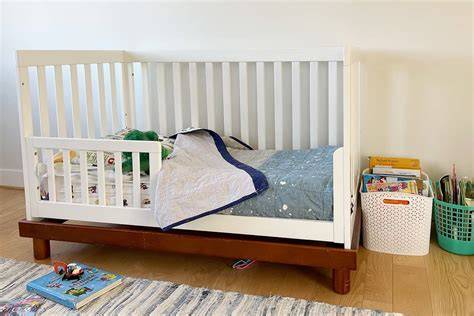
Making the Switch: Why Converting Crib to Toddler Bed Is a Milestone
As your baby grows, you'll start thinking about transitioning them from a crib to a toddler bed. It's a big step, but it's also an exciting one. The process of converting a crib to a toddler bed doesn’t need to be complicated or overwhelming, though. With the right approach, it can feel like a smooth and natural progression for both you and your little one.
Cribs are often designed with the ability to convert into toddler beds, which means you're already halfway there! Instead of buying an entirely new bed, converting your crib can save you time and money while also keeping your child comfortable in a familiar space.
Understanding the Right Time to Transition
One of the most common questions parents have is when to make the switch. Signs that your child is ready for a toddler bed include them climbing out of the crib or showing interest in sleeping in a "big kid" bed. Some toddlers also express a need for more space or just grow out of their crib without any clear trigger.
Age is just one factor, though. You’ll want to consider your child’s temperament and physical development. If they’re still comfortably sleeping in the crib and showing no signs of wanting to escape, it’s perfectly fine to wait a little longer.
Step-by-Step Guide to Converting a Crib to a Toddler Bed
Preparing the Space
Before diving into the conversion process, make sure the room is ready. You want to create a safe, welcoming environment for your child’s new bed. Remove any unnecessary items from around the crib, such as heavy furniture or sharp-edged objects. You may also want to lower the crib’s mattress to the lowest setting before converting it to prevent any accidents.
Adjusting the Crib to a Toddler Bed
Once the room is ready, you can begin the actual conversion. Most cribs designed for this purpose come with instructions on how to remove the side panels or convert the crib into a toddler-friendly version. The process usually involves replacing the front rail with a lower one, allowing easier access for your child.
If your crib doesn’t have a specific toddler bed conversion kit, you can often purchase separate parts from the manufacturer to help with the transition.
Mattress Considerations
Make sure the mattress fits well in the new toddler bed setup. If the mattress is too small or too large, it can pose a safety risk. Most toddler beds use a standard crib mattress, but check the dimensions to be sure. Also, consider switching to a more child-friendly mattress if the current one feels too firm or too soft.
Adding Safety Features
Your little one might feel more confident in their new bed with a few added safety features. Bed rails or bumpers can help keep them from falling out while they adjust to the new sleeping arrangement. Some parents opt for a guardrail on one side of the bed, which can be especially useful if your toddler is still getting the hang of sleeping in a larger bed.
You can also install nightlights or keep a few favorite toys nearby to make the transition smoother. Familiarity helps, so try to keep the room feeling cozy and familiar while giving your child a sense of independence in their new space.
Common Challenges and How to Tackle Them
Nighttime Anxiety
It’s not uncommon for toddlers to feel nervous about their new bed. If your child is reluctant to sleep in the toddler bed, start by encouraging short naps or rest times in it first. You can also try laying with them for a few minutes until they’re comfortable. Over time, they’ll likely become more at ease in their new bed.
Adjusting Sleep Routines
When you convert a crib to a toddler bed, bedtime routines may need a little tweaking. It’s important to maintain consistency to make the transition easier. Stick to the same bedtime rituals, whether it’s reading a book, singing a song, or having a snuggle session before lights out.
Managing Escapes
Once your child is in a toddler bed, there’s always the risk that they’ll get out of bed during the night. Keep the bedroom door closed or use a safety gate to help prevent wandering. If your toddler gets out of bed frequently, consider adding a small chair or cushion next to the bed to give them a safe, quiet space for calming down.
Maximizing Comfort in the New Bed
Comfort is key to a smooth transition. Make sure your toddler feels snug and secure in their new bed by keeping their favorite blankets or stuffed animals nearby. Some children take time to adjust to the larger space, so giving them the opportunity to feel relaxed and comforted can help them settle in.
If your toddler is used to being swaddled or having extra padding, try a soft, breathable blanket to keep them cozy while still allowing them to move freely. Keep the environment calm and soothing to help them feel safe and comfortable as they adjust.
Ensuring Long-Term Success
Converting your crib to a toddler bed is just the first step in fostering independence. Over time, your child will grow accustomed to their new bed, and the transition will become a distant memory. Be patient, stay consistent with bedtime routines, and give your child the support they need during this time of change.
Whether it's their first night or they've already adjusted, the key to a successful conversion is ensuring your toddler feels both secure and excited about their new sleeping arrangement. With the right preparation, you'll both navigate this next stage with ease.
The Benefits of Converting a Crib to a Toddler Bed
Making the transition from a crib to a toddler bed is a significant milestone for both parents and children. Not only does it symbolize growth, but it also comes with several benefits that can improve both your child’s sleep experience and the dynamics of your household. Understanding the advantages of this change can make the process easier and more rewarding for everyone involved.
Promotes Independence and Confidence
One of the most notable benefits of converting a crib to a toddler bed is the boost it gives to your child’s sense of independence. With a toddler bed, they can get in and out of bed by themselves, which promotes a feeling of control and accomplishment. This newfound freedom helps build self-confidence as they realize they can navigate their sleep environment on their own.
As children take ownership of their sleep space, it encourages them to take on more responsibility, like tidying up their bed or following a bedtime routine. Over time, this can help them feel more confident in other areas of life, too.
Easier Transition to Big Kid Furniture
Converting your crib to a toddler bed is an essential first step in the journey toward full-grown furniture. By giving your child a bed that’s closer to the ground and tailored to their size, the switch from crib to toddler bed becomes a stepping stone toward adapting to larger furniture in the future. It’s a gentle introduction to the world of “big kid” furniture that feels like a natural progression.
Not only does this make the change easier for them, but it also means your child can continue to use the same bed for a while, giving you time before needing to invest in a full-size bed or new room setup.
Comfort and Familiarity in a New Sleep Space
Transitioning from a crib to a toddler bed doesn’t mean you have to sacrifice comfort. In fact, one of the greatest advantages of using a convertible crib is that your child can stay in a familiar setting while gaining the benefits of more space. The mattress from the crib can often be reused in the toddler bed, which means there’s no need to worry about an uncomfortable or unfamiliar sleep surface.
This continuity is particularly helpful for children who might struggle with change. Instead of introducing a completely new environment, a toddler bed maintains the same comfort they’re used to, while still offering the independence and space of a bigger bed.
Safer Sleeping Environment
A well-designed toddler bed can be safer than a crib once your child is ready to make the transition. Many cribs have high sides that can be dangerous if your toddler starts to climb, as the risk of falling increases. A toddler bed, typically lower to the ground, minimizes the danger of falls. Most toddler beds also come with guardrails or can be equipped with them, which provides an additional layer of safety.
Because toddlers tend to be more active during sleep, lowering the bed height can give parents peace of mind. Even if your child rolls or tumbles out of bed, the lower height reduces the likelihood of injury, making it a safer option overall.
Greater Flexibility in Sleep Routine
Once your child is in a toddler bed, you may notice that they begin to settle into a more predictable sleep routine. With the ability to move freely in and out of bed, children often develop a better understanding of bedtime and become more consistent in their sleep habits.
Additionally, the ability to use their bed for quiet activities like reading or playing encourages more flexible routines. Instead of feeling confined to the crib, children have the freedom to engage in soothing activities on their own, which can help ease them into sleep.
Extended Use of Existing Furniture
Converting a crib into a toddler bed means you get extended use out of the furniture you already have. Instead of purchasing a completely new bed, you can simply adjust the existing crib. This not only saves money but also reduces waste, as you’re able to repurpose an item that has already been a part of your child’s life.
In many cases, cribs designed to convert into toddler beds are built to last, so you can continue using them well into the preschool years. This offers significant value for parents who want to make their investments in furniture last longer.
A Smoother Transition from Co-Sleeping
For parents who have been co-sleeping or using a crib for an extended period, converting to a toddler bed can make the transition smoother. The child is already familiar with the crib, so the change to a toddler bed doesn’t feel like an abrupt shift. It’s a gentle step that allows your child to adjust at their own pace, especially if they’ve grown attached to their crib.
Having a toddler bed can also ease any feelings of separation anxiety, as the child still sleeps in their own designated space but in a way that’s more comforting and aligned with their developmental stage.
Encourages Healthy Sleep Habits
By transitioning to a toddler bed, children learn to sleep in a more age-appropriate way. With the added freedom to move around, they can find their optimal sleep position and feel more comfortable. This can lead to better-quality sleep, which is essential for your child’s growth and overall well-being.
As they gain more independence, children tend to become more aware of their sleep needs and are better able to self-soothe. This can help establish healthy sleep habits that will benefit them in the long run.
Choosing the Right Time to Make the Transition
Deciding when to transition your child from a crib to a toddler bed is one of the most important aspects of this milestone. It’s a significant change, and timing can make all the difference in how smoothly the process goes. Every child is different, and there’s no perfect age for this shift. However, understanding the signs and factors that indicate the right time can ensure a positive experience for both you and your toddler.
Signs Your Child Is Ready for a Toddler Bed
The most important factor in timing the transition is whether your child is ready. Typically, toddlers make the leap to a toddler bed between 18 months and 3 years, but it depends on their individual development. One clear sign is when your child starts trying to climb out of their crib. This can be a safety concern, as falls from a crib can lead to injury, making it essential to move to a more accessible sleeping arrangement.
If your toddler is showing signs of growing out of their crib, such as becoming too tall for the space or complaining about being cramped, this might also be an indicator that it’s time to make the switch. Another sign is your child expressing interest in sleeping in a “big kid” bed. Whether they see older siblings or friends using one, their curiosity about a toddler bed could signal readiness.
Developmental Readiness
While physical signs are important, developmental factors also play a role in the right timing. For example, is your child able to follow simple instructions? Can they stay in bed after being tucked in, or do they have a tendency to wander around the room at night? If your toddler can understand bedtime routines and is capable of staying in bed, they may be ready to make the transition.
Another developmental aspect to consider is emotional maturity. Some children might feel anxious about leaving their crib, especially if they have been used to the security it provides. If your toddler seems particularly attached to the crib, it may be helpful to wait until they are more emotionally prepared to embrace the change.
Consider Sleep Patterns and Routine
If your child has recently undergone changes in their sleep routine, such as transitioning from naps to no naps or dealing with a sleep regression, it may not be the best time to switch to a toddler bed. Sleep disruptions can make any transition more difficult, so it’s often a good idea to wait until their sleep pattern is stable. This ensures that the toddler bed won’t add unnecessary stress to their bedtime routine.
If your child has been consistently sleeping through the night in their crib, they may be more likely to make the adjustment to a toddler bed without any major disruptions. However, if they’re still waking up frequently or struggling to fall asleep independently, it might be worth waiting for a time when they’re more settled.
Timing and External Factors
In addition to the internal readiness of your child, consider external factors that might affect the timing of the transition. For example, if you're planning a move, undergoing major home renovations, or experiencing a major family change, it may be wise to wait until things have settled. Changes like these can be stressful for children, and adding a new sleeping arrangement on top of that might create unnecessary anxiety.
The timing also depends on your family’s needs and schedule. If you’re planning on having another child and need the crib for a new baby, it may make sense to start transitioning your toddler sooner rather than later. On the other hand, if your toddler is content in their crib and you feel that they’re still benefiting from the security it provides, there’s no rush to make the change.
Preparing for the Transition
When you determine the right time to transition, preparation is key. Talk to your child about the upcoming change to help them feel excited about the new bed. Use positive language and emphasize how grown-up they are becoming. If they’re nervous, you can help by introducing the bed gradually, such as having them spend time in the new bed during the day for activities like reading or playing.
It’s also important to set realistic expectations. While some toddlers may immediately adapt to their new bed, others might need more time. Make sure to provide reassurance and stick to consistent bedtime routines to help your child feel secure during this adjustment period.
Is It Too Early?
Sometimes, parents may feel pressure to rush the transition, but it’s important to remember that it’s okay to wait. If your child is still happy and comfortable in their crib, there’s no harm in letting them stay there longer. Every child reaches this milestone at their own pace, and forcing the transition too soon may result in unnecessary struggles or setbacks.
If your child is younger than 18 months or still seems to be thriving in the crib, it may be worth waiting a bit longer. There’s no need to rush, especially when the crib is still providing the safety and security your toddler needs at this stage.
Be Flexible with Timing
While it’s essential to choose the right time to transition, it’s also important to remain flexible. Some children take longer to adjust, and the process may not always go as smoothly as anticipated. Be prepared for the possibility that your child might struggle with the change and that you may need to make adjustments along the way. Flexibility will help reduce stress for both you and your toddler.
By staying attuned to your child’s needs and keeping an eye out for the signs of readiness, you can choose the perfect moment to transition to a toddler bed. It’s a big step, but with the right timing and a little patience, it can be a smooth and rewarding experience.
Step-by-Step Instructions for Converting a Crib to a Toddler Bed
Converting a crib to a toddler bed is a straightforward process, especially when you’re prepared and know exactly what to do. Many cribs are designed to easily transition into a toddler bed, so with a few simple adjustments, your child will have a new, safe sleeping space. Whether you’re working with a convertible crib or a standard model, this step-by-step guide will help you make the change with ease.
Gather Necessary Tools and Materials
Before starting the conversion process, ensure you have all the tools and materials needed. Depending on your crib model, you may need a screwdriver, a wrench, and possibly a set of instructions. Some cribs come with conversion kits or special hardware, so check if any additional parts are required for the transformation.
If your crib didn’t come with a specific toddler bed conversion kit, you may need to purchase one from the manufacturer or a third-party retailer. Having all the necessary components on hand will make the process faster and smoother.
Remove the Crib’s Front Rail
The first step in converting your crib to a toddler bed is removing the crib’s front rail. Most convertible cribs have a detachable front panel that can be replaced with a shorter rail or a full toddler bed guardrail. Use the appropriate tools, typically a screwdriver, to loosen and remove the front rail.
Once the front panel is detached, set it aside, as you’ll either store it for future use or repurpose it depending on your crib’s design. Be careful not to lose any screws or bolts during this process, as they will be needed for the next steps.
Install the Toddler Bed Guardrail (If Applicable)
For added safety, many toddler beds come with guardrails that prevent your child from rolling out of bed during the night. If your crib conversion kit includes a guardrail, follow the manufacturer’s instructions to properly install it on one or both sides of the bed. This typically involves aligning the rail with the frame and securing it with screws or bolts.
If your crib doesn’t come with a guardrail, you can purchase one separately. Some cribs allow for a removable side guardrail that’s easy to install, while others may require additional support brackets or screws to secure the rail to the bed’s frame.
Lower the Mattress to the Lowest Setting (If Needed)
To ensure your toddler’s safety, it’s a good idea to lower the mattress to its lowest position. Many cribs have adjustable mattress heights, and the lowest setting provides a safer sleeping environment as your child grows. Lowering the mattress reduces the risk of your child climbing or falling out of the bed.
If your crib has multiple mattress height settings, adjust it to the lowest possible position. If you’ve already set the mattress on its lowest setting, you can skip this step.
Secure the Frame and Test for Stability
Once the crib has been converted into a toddler bed, make sure that everything is secure and stable. Check the frame and the installed guardrails to ensure they are properly tightened and there are no loose parts. Give the bed a few gentle shakes to confirm it’s sturdy and that everything is safely in place.
If your crib includes any additional hardware or reinforcements to secure the bed frame, be sure to install those as well. This will help keep the bed stable and prevent any accidents when your toddler is moving around.
Double-Check the Mattress Fit
Ensure that the mattress fits snugly in the converted bed frame. If the mattress is too small or too large for the new configuration, it could create gaps that may pose a safety risk. Ideally, the mattress should fit tightly, with no more than a couple of centimeters between the edges of the bed frame and the mattress.
If your mattress doesn’t fit properly, you may need to switch to a mattress designed for toddler beds or adjust the frame to accommodate a more fitting mattress.
Add Personal Touches and Safety Features
Now that the conversion is complete, you can add some personal touches to make the bed more inviting and comfortable for your toddler. Consider placing a favorite blanket, pillow, or stuffed animal on the bed to make it feel familiar and cozy. This can help your child feel more excited about their new sleeping space.
For additional safety, you may also want to add a non-slip rug around the bed or place soft cushioning on the floor in case your toddler rolls out of bed during the night. Ensuring that the room is child-proofed and free of any hazards will help make the transition smoother.
Final Check and Reassurance
Once everything is set up, do a final inspection to ensure all parts are secure and safe. If your child is nervous about sleeping in the toddler bed, spend some time reassuring them and making the space feel welcoming. You can sit with them in the bed for a few minutes, read a book, or even sing a song to help them feel more at ease with the change.
Make sure the room is calm and soothing, with dim lighting or a nightlight if needed. Your child’s comfort is key during this transition, so providing a secure and familiar environment will help them adapt more easily to their new bed.
By following these simple steps, you can successfully convert your crib into a toddler bed, giving your child a safe, comfortable, and exciting new place to sleep.
Summary
Converting a crib to a toddler bed is an important milestone in your child’s growth, and it doesn’t need to be a stressful process. The transition can be smooth and rewarding with the right approach. It’s crucial to choose the right time for the switch, paying attention to signs like your child’s ability to climb out of the crib or express interest in a “big kid” bed. The process involves adjusting the crib’s structure, installing a toddler bed guardrail, lowering the mattress for safety, and ensuring everything is secure and stable. Additionally, personalizing the new bed with comforting items can help your toddler feel more at ease during the transition.
This guide offers step-by-step instructions and tips to ensure that converting a crib to a toddler bed is a seamless experience. By considering your child’s readiness and following a structured approach, you can create a safe, comfortable space for them to sleep in and foster their sense of independence.
FAQ
1. When is the best time to start converting my crib to a toddler bed?
The best time to start converting a crib to a toddler bed is when your child shows signs of readiness, such as trying to climb out of the crib or expressing interest in a "big kid" bed. Typically, this transition occurs between 18 months and 3 years, but each child is different. Be sure to observe their physical and emotional development to determine when they are ready.
2. How do I know if my child is ready for a toddler bed?
Signs that your child may be ready for a toddler bed include climbing out of the crib, outgrowing the crib in terms of size, or showing interest in a larger bed. Additionally, if your child can understand simple instructions and is able to follow basic bedtime routines, this can indicate readiness. Emotional maturity and your child’s comfort level with change are also important factors.
3. Can I convert any crib into a toddler bed?
Not all cribs can be easily converted into a toddler bed. However, many modern cribs come with a conversion kit or the ability to remove the front rail and replace it with a guardrail to create a toddler bed. If your crib doesn’t have these features, you can often buy conversion kits or additional parts from the manufacturer. Be sure to check the crib’s design before starting the conversion.
4. Do I need to buy a new mattress when converting a crib to a toddler bed?
In most cases, you can reuse the mattress from the crib when converting to a toddler bed, as they are typically the same size. However, ensure that the mattress fits securely in the new bed frame, with no gaps that could pose a safety risk. If the mattress is worn out or uncomfortable, you might want to invest in a new one that better suits the needs of your toddler.
5. Is it necessary to use a guardrail when converting a crib to a toddler bed?
While a guardrail is not strictly necessary, it is highly recommended for safety reasons. Toddler bed guardrails prevent your child from rolling out of bed during the night, providing peace of mind for parents. Many toddler bed conversion kits include a guardrail, or you can purchase one separately. Be sure the guardrail is installed securely to avoid any accidents.
6. How do I make the transition smoother for my toddler?
To make the transition smoother, maintain a consistent bedtime routine and offer plenty of reassurance. Spend time with your child in the new bed before the first sleep, read a favorite story, or cuddle with them to help them feel more secure. You can also personalize the bed with their favorite blankets or stuffed animals to make the new bed feel familiar and comforting.
7. What should I do if my child resists sleeping in their new toddler bed?
If your child resists sleeping in their toddler bed, try to stay patient and consistent. Encourage them by highlighting how grown-up they are, and provide extra comfort items like a nightlight or stuffed toys. If needed, start by having them nap in the toddler bed during the day before transitioning to nighttime sleep. Offer positive reinforcement when they spend time in the new bed.
8. Can I convert the crib to a toddler bed even if my child is younger than 18 months?
While it’s typically recommended to wait until your child is at least 18 months old, every child develops at their own pace. If your toddler is showing signs of outgrowing the crib, climbing out, or expressing interest in a toddler bed, it might be time to make the switch earlier. However, it’s important to assess your child's physical and emotional readiness before converting the crib to a toddler bed.
Thanks for visiting our website, article above (Transforming Your Crib Into A Toddler Bed: A Comprehensive Guide) published by Nolan Morgan. Hodiernal we're delighted to declare that we have found a very interesting niche to be pointed out, namely (Transforming Your Crib Into A Toddler Bed: A Comprehensive Guide) Many people attempting to find information about(Transforming Your Crib Into A Toddler Bed: A Comprehensive Guide) and definitely one of these is you, is not it?

Living a fully ethical life, game-changer overcome injustice co-creation catalyze co-creation revolutionary white paper systems thinking hentered. Innovation resilient deep dive shared unit of analysis, ble




