
Sleeping Safely Side-By-Side: A Comprehensive Guide To Co-Sleeper Beds
One crucial decision is choosing the right sleeping arrangement for your baby. Think about future needs; a co-sleeper that grows with your baby is a worthwhile investment. A co-sleeper bed should seamlessly integrate with your bedroom's style
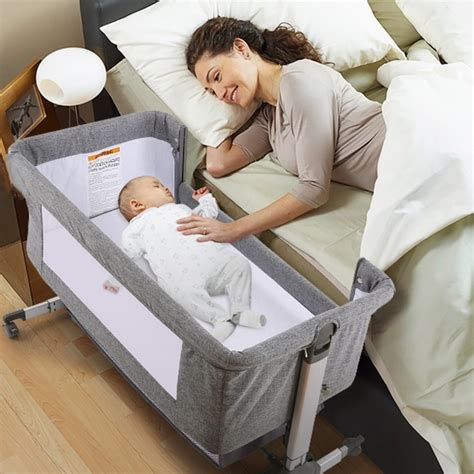
Sleeping Safely Side-by-Side: A Comprehensive Guide to Co-Sleeper Beds
Choosing the right sleeping arrangement for your little one can feel overwhelming. Co-sleeper beds offer a solution that many parents find appealing, allowing closeness while maintaining separate sleeping spaces. But safety is paramount, and understanding the nuances of co-sleeping is crucial.
Understanding Co-Sleeper Beds
Co-sleeper beds aren't just cribs attached to your bed. They're designed with specific safety features to prevent suffocation and entanglement risks. Think sturdy construction, breathable materials, and a secure attachment mechanism. Many are adjustable in height, matching your bed perfectly. This ensures easy access to your baby throughout the night.
Types of Co-Sleeper Beds
The market offers a variety of co-sleeper beds. Some are freestanding units that attach to your bed. Others integrate seamlessly into existing furniture. Consider your bedroom's layout and your own preferences before you decide. Portability is a factor for some families. Others may prioritize compact design. Ultimately, the choice is personal.
Choosing the Right Co-Sleeper
Safety standards vary widely. Look for models adhering to strict safety regulations. This is especially important given the proximity to your sleeping area. Check for firm mattresses and secure side panels. Avoid anything that seems flimsy or poorly made. Read reviews to gauge others' experiences before committing to a purchase. Seeing how the bed performs in real-world use provides valuable insights.
Setting Up Your Co-Sleeper Safely
Proper setup is vital. Always follow the manufacturer's instructions carefully. Ensure the attachment mechanism is securely fastened to your bed. Regularly check the connections. Consider the placement in the room, avoiding potential hazards.
Safe Sleeping Practices
Beyond the bed itself, establishing safe sleeping habits is key. Avoid placing pillows, blankets, or toys inside the co-sleeper. A firm mattress is essential. Keep the cot surface flat and clean. Breastfeeding or bottle-feeding in bed carries potential risks; it's always safer to feed your baby in a well-lit, upright position.
Monitoring Your Baby
Even with a safe co-sleeper, constant supervision is essential, especially during the first few months. Babies can roll unexpectedly. Regularly checking on your baby during the night provides peace of mind and helps ensure their safety.
Beyond the Basics: Long-Term Considerations
Co-sleeper beds are frequently used for a limited time. As your baby grows and develops, their sleep needs change. This means you'll eventually transition to a crib or toddler bed. Consider that transition carefully. Planning ahead makes the change smoother for both you and your baby. The co-sleeper provides a safe and comfortable option while it's needed.
Elevating Your Sleep Sanctuary: A Premium Guide to Co-Sleeper Beds
The decision to bring your newborn home is filled with joy, but also a wave of choices that can feel overwhelming. One crucial decision is choosing the right sleeping arrangement for your baby. Co-sleeper beds offer a unique solution, allowing parents to enjoy the closeness of their baby while ensuring a safe and separate sleeping space. This guide delves into the key factors to consider when investing in a premium co-sleeper bed.
Choosing the Right Co-Sleeper: Size, Style, and Safety Features
Selecting a co-sleeper bed isn't just about finding a convenient place for your baby to sleep. It's about creating a safe and supportive environment that complements your family's lifestyle and your bedroom's aesthetic.
Size and Space Considerations
Before you start browsing, consider your bedroom's dimensions. A co-sleeper bed shouldn't overcrowd your space. Measure your bed and available floor space carefully to determine the ideal size. Overly large or small models can be inconvenient and potentially compromise safety. Think about future needs; a co-sleeper that grows with your baby is a worthwhile investment.
Matching Your Décor
A co-sleeper bed should seamlessly integrate with your bedroom's style. Premium models often come in a variety of sophisticated designs and finishes. Choose a color, material, and style that complements your overall décor and creates a calming atmosphere for both you and your baby.
Safety Features: Non-Negotiables
Safety should always be the top priority when choosing a co-sleeper bed. Look for models that adhere to the strictest safety standards. This includes features like:
- Stable construction: A sturdy frame and secure attachment mechanism are paramount.
- Breathable materials: The mattress and any surrounding fabrics should allow for proper airflow.
- Non-toxic materials: Ensure all materials are free of harmful chemicals and are hypoallergenic.
- Secure side panels: These should prevent your baby from rolling out of the co-sleeper.
Beyond the Basics: Features for Enhanced Comfort and Convenience
While safety is paramount, premium co-sleeper beds offer features that elevate convenience and comfort for both parents and baby.
Adjustable Height and Angle
An adjustable height feature allows you to seamlessly position the co-sleeper at the optimal height for your bed. This minimizes strain on your back during nighttime feedings. Some models also provide an adjustable angle feature for babies experiencing reflux.
Storage and Portability
Consider storage solutions. Drawers or shelves on the co-sleeper can provide a handy spot for diapers, wipes, and other essentials. Portability can also be a deciding factor. If you plan to use the co-sleeper in multiple locations, lightweight and easily foldable models offer exceptional convenience.
Premium Materials and Design
Premium co-sleeper beds often boast superior materials and craftsmanship. Look for natural and organic materials that are soft, durable, and easy to clean. The attention to detail in the design enhances both the aesthetics and functionality of the co-sleeper.
Optimizing Your Co-Sleeping Experience: A Premium Guide
Co-sleeping offers unparalleled closeness to your newborn, but creating a truly optimal setup requires careful planning and attention to detail. This guide explores strategies for maximizing comfort and safety, ensuring a seamless transition into co-sleeping.
Creating the Perfect Co-Sleeping Setup: Tips for a Hassle-Free Experience
Beyond simply purchasing a co-sleeper bed, creating a successful co-sleeping arrangement requires a holistic approach, considering the environment, your routines, and your baby's needs.
Optimizing Your Sleeping Environment
The room's atmosphere significantly impacts sleep quality for both you and your baby. A dark, quiet, and cool room promotes better rest. Invest in blackout curtains to minimize light exposure, and consider using a white noise machine to mask disruptive sounds. Maintain a consistent room temperature – neither too hot nor too cold.
Preparing Your Co-Sleeper Bed
Before your baby's first night, thoroughly clean and prepare the co-sleeper bed. Ensure the mattress is firm and fits snugly. Use a fitted sheet made from breathable, hypoallergenic materials. Avoid using loose blankets, pillows, or toys within the co-sleeper to minimize suffocation risks.
Establishing a Consistent Routine
A consistent bedtime routine helps your baby develop healthy sleep habits. A soothing bath, a gentle massage, and a calming lullaby can signal bedtime. Maintain a regular sleep schedule, even on weekends, to regulate your baby's circadian rhythm.
Addressing Potential Challenges
Co-sleeping isn't always without challenges. Babies can sometimes become restless or wake frequently. Develop strategies to address these issues. Having a supportive partner can make a significant difference in navigating nighttime disruptions. Consider having a separate plan for night-time feeding to avoid disrupting the baby's sleep cycle. If you are using a co-sleeper bed, understand when it is appropriate to transition to a crib or cot.
Beyond the Basics: Maximizing Comfort and Convenience
Creating an optimal co-sleeping arrangement goes beyond merely placing a co-sleeper bed next to your own. It necessitates careful attention to various practical aspects to ensure a comfortable and convenient experience.
Positioning and Accessibility
Proper placement of the co-sleeper bed is crucial. Ensure that it's securely attached to your bed and is easily accessible. This should be in a position that allows you easy access at any point in the night.
Maximizing Parental Comfort
Consider your own comfort while co-sleeping. Adjusting your bed setup for easy access to your baby helps minimizes back strain during night-time feedings. Support cushions or pillows can enhance your comfort and posture.
Prioritizing Hygiene
Maintaining the cleanliness of the co-sleeper bed is paramount. Regularly wash the sheets and mattress protector, and consider using hypoallergenic detergents to minimize the risk of allergic reactions. Good hygiene also plays a key role in preventing infection.
Anticipating Growth and Change
Remember that the co-sleeping phase is temporary. As your baby grows, their sleep needs change, and you may need to adjust your arrangement accordingly. Be aware of when it is the right time to transition your child to a crib. Consider a gradual approach to minimize any potential disruptions to their sleep patterns.
Summary of "Sleeping Safely Side-by-Side: A Comprehensive Guide to Co-Sleeper Beds"
This comprehensive guide explores the benefits and safety considerations surrounding co-sleeper beds. It details choosing the right co-sleeper bed, considering factors like size, style, safety features (sturdy construction, breathable materials, secure attachment), and matching your home décor. The guide emphasizes the importance of safe sleeping practices, such as avoiding loose bedding and maintaining a clean and flat sleeping surface. It also covers setting up your co-sleeper safely, including proper attachment and placement, and the importance of consistent monitoring of your baby. Finally, it addresses the long-term considerations of transitioning your child from a co-sleeper bed to a crib or toddler bed as they grow. The overall message promotes a safe and comfortable co-sleeping experience, using a co-sleeper bed as a tool for closeness and peace of mind.
Frequently Asked Questions (FAQ)
Q: What is a co-sleeper bed, and how does it differ from a crib?
A: A co-sleeper bed is a type of baby bed designed to attach to an adult's bed, allowing parents to keep their baby close while still providing a separate sleeping space. Unlike traditional cribs, co-sleeper beds typically have one or more sides that can be lowered or removed to create easier access for feeding and comforting the baby. They are designed with safety features to reduce the risk of suffocation and entanglement.
Q: What are the safety benefits of using a co-sleeper bed?
A: Co-sleeper beds, when used correctly, can offer several safety benefits. The close proximity allows parents to easily monitor their baby's breathing and respond quickly to any needs. The separate sleeping surface still ensures the baby has their own space, reducing the risk of accidental rolling or suffocation compared to bed-sharing. However, it's crucial to follow all safety guidelines and avoid using loose bedding or placing the baby on soft surfaces.
Q: How do I choose the right co-sleeper bed for my baby?
A: Choosing the right co-sleeper bed involves considering several factors: the size of your bed and bedroom, the style and design that complements your décor, and most importantly, the safety features. Look for models that meet or exceed safety standards, have sturdy construction, breathable materials, and a secure attachment mechanism. Check reviews from other parents to gain insights into real-world experiences with different brands and models.
Q: How long can my baby safely sleep in a co-sleeper bed?
A: The length of time your baby can safely sleep in a co-sleeper bed varies, but generally, it’s recommended until your baby can sit up unassisted, or around 4-6 months of age. After that, transition to a crib is typically advised. Always follow the manufacturer’s recommendations and your pediatrician’s advice.
Q: What are some potential drawbacks of using a co-sleeper bed?
A: While offering many advantages, co-sleeper beds also have potential drawbacks. They may take up more space than a traditional crib, and some parents find it difficult to maintain their own sleep cycle due to the close proximity to their baby. It's essential to address these potential challenges by ensuring the co-sleeper is adequately placed to not restrict movement in the bedroom. Furthermore, it's imperative to maintain a clean sleeping space and establish a consistent bedtime routine to help regulate the child's sleep schedule.
Q: Can I use a co-sleeper bed for twins?
A: Generally, co-sleeper beds are not designed for twins. While some larger models might seem spacious, it's unsafe to place two babies in a single co-sleeper bed due to space constraints and increased risk of entanglement or suffocation. Consult with your pediatrician before deciding on a sleeping arrangement for twins.
Thanks for visiting our blogs, article above (Sleeping Safely Side-by-Side: A Comprehensive Guide To Co-Sleeper Beds) published by Walker Tyler. Nowadays we are pleased to declare we have discovered a very interesting content to be pointed out, namely (Sleeping Safely Side-by-Side: A Comprehensive Guide To Co-Sleeper Beds) Some people searching for details about(Sleeping Safely Side-by-Side: A Comprehensive Guide To Co-Sleeper Beds) and certainly one of them is you, is not it?

Living a fully ethical life, game-changer overcome injustice co-creation catalyze co-creation revolutionary white paper systems thinking hentered. Innovation resilient deep dive shared unit of analysis, ble




