
Choosing The Best Child Bed Rail For Your Little One's Safety
Consider the mattress height; you want a rail that extends sufficiently beyond the edge to offer a proper barrier. The child bed rail must be tall enough to prevent falls, securely fastened to the bed frame, and sturdy enough to withstand your child's movements. Then, consider your child's height and climbing abilities â a toddler will need a taller rail than an older child
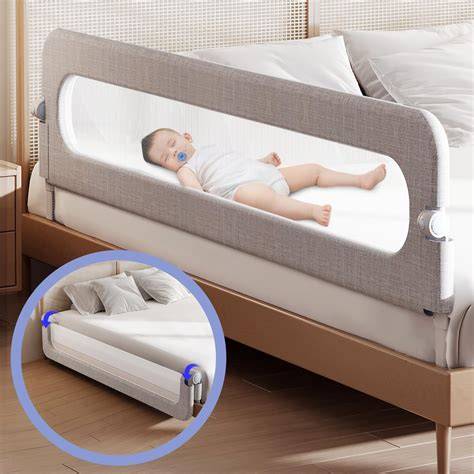
Choosing the Best Child Bed Rail for Your Little One's Safety
Understanding Your Needs: Size Matters
First things first: measure your bed! A child bed rail that's too short is useless, potentially even dangerous. Consider the mattress height; you want a rail that extends sufficiently beyond the edge to offer a proper barrier. Toddlers are surprisingly adept at climbing and squeezing, so leave no room for escape routes. Think about the overall bed frame design too. Some frames might require a specific type of rail for a secure fit.
Types of Child Bed Rails
There's a surprising variety in child bed rails. You'll find simple, standalone rails that lean against the bed; these are easy to install and remove. Then there are rails that attach directly to the bed frame, often using straps or brackets – offering more stability. Some even come with extensions for longer beds or extra-wide mattresses. Think about your lifestyle – portability might be key for frequent travel, or perhaps unwavering stability is your main concern.
Material Matters: Safety First
The material of the child bed rail is crucial. Wood is classic and often sturdy, though it can be heavier. Metal rails are usually lightweight yet durable and easy to clean. Then you have plastic rails; these tend to be more affordable but may not last as long. Each option presents its own pluses and minuses. You might want to factor in the overall style of your child's bedroom.
Safety Features and Considerations
Beyond the basics of size and material, look closely at the safety features. You want something with a high enough side to prevent falls and escapes. Secure fastening systems are paramount; loose rails are a hazard. Consider whether the rail's design prevents pinching, and check the overall sturdiness – it should withstand your child's enthusiastic movements without wobbling. A good quality rail should also be easy to clean, especially as accidents happen.
Installation: A Simple Process, Ideally
A straightforward installation process is a real bonus. Some rails simply lean against the bed, others need some assembly. Carefully review the instructions before you start. You want a rail that's easily installed and removed – you never know when you might need to adjust it or temporarily relocate it.
Reading Reviews: The Wisdom of the Crowd
Before making a purchase, always check reviews from other parents. Their feedback provides valuable insight into the rail's practicality, durability, and overall safety. Pay attention to issues such as ease of use, stability, and any recurring problems reported. This feedback could save you a lot of frustration and potential safety issues down the line.
Choosing the Right Rail for Your Child's Age
The age of your child plays a big role. A rail suitable for a toddler might be unnecessary for an older child. For younger toddlers, a taller, sturdier rail is essential. As they grow, you might find a shorter or less substantial rail sufficient. Keep your child's mobility and climbing skills in mind; choosing an appropriate rail height is crucial.
Top Features to Look for in a Child Bed Rail
Height and Stability: Paramount Considerations
The Right Height for Peace of Mind
A child bed rail's height is crucial. It needs to be tall enough to prevent falls, yet not so high it becomes difficult for your child to get in and out of bed. Consider your child's age and climbing abilities – a toddler will need a taller rail than a preschooler. Look for adjustable height options if possible, allowing the rail to grow with your child.
Rock-Solid Stability: Essential for Safety
A wobbly child bed rail is a recipe for disaster. The rail must be exceptionally sturdy, securely attached to the bed frame, and resist tipping or shifting. Check reviews to see what other parents say about the stability of specific models; this feedback can be incredibly insightful. Look for rails with strong brackets, straps, or other secure fastening mechanisms.
Material and Durability: Long-Term Value
Material Matters: Safety and Aesthetics
The material of the child bed rail impacts its durability and safety. Wood is a classic choice, offering strength and a natural look. Metal rails are often lightweight yet robust, and easy to clean. Plastic options are more affordable but may not be as durable. The material also affects the rail's overall aesthetic; consider the style of your child's bedroom when selecting a material.
Durability and Longevity: A Wise Investment
A child bed rail is an investment, so durability is important. You want a rail that can withstand the wear and tear of daily use. Read reviews to assess how well different rails hold up over time. Look for features like reinforced corners or edges to prevent damage from bumps and scrapes.
Ease of Use and Installation: A Stress-Free Experience
Installation: Simple and Straightforward
The installation process should be clear and straightforward. A complicated installation is frustrating and may lead to improper fitting. Check the instructions carefully and look for rails with easy-to-understand diagrams and simple assembly steps. Some rails are designed for tool-free installation – a definite plus.
Easy Cleaning and Maintenance: A Practical Consideration
Regular cleaning is essential for a child bed rail. Choose a rail that's easy to wipe down and clean. Materials like plastic and metal are usually easier to clean than wood. Look for smooth surfaces that prevent dirt and grime from getting trapped. Easy maintenance ensures hygiene and longevity.
Safety Features: Beyond the Basics
Gap Prevention: Preventing Accidents
Check for gaps between the rail and the mattress or bed frame. Large gaps create pinch points and potential escape routes. Ideally, the rail should fit snugly against the bed, eliminating any spaces where a child's limbs or head could get trapped.
Edge Protection: Minimizing Injuries
Rounded edges and corners minimize the risk of injuries from bumps and knocks. Sharp edges can be dangerous, so always prioritize safety by opting for rails with smooth, rounded surfaces, especially for younger children.
How to Install a Child Bed Rail for Maximum Protection
Understanding Your Child Bed Rail: A Crucial First Step
Before you even think about installation, carefully examine your chosen child bed rail. Familiarize yourself with all components, including brackets, straps, screws, and any included instructions. Different child bed rails have varying installation methods; understanding your specific model is critical for a safe and secure setup. Take note of any specific warnings or safety precautions outlined in the manufacturer's documentation.
Assessing Your Bed Frame: Compatibility is Key
Not all child bed rails are compatible with every bed frame. Before proceeding, carefully inspect your bed frame to determine its suitability for the rail. Consider the frame's material, its height, and the overall construction. Some rails are designed for specific frame types. Pay particular attention to any structural features that might affect rail placement or stability. A poorly matched bed frame and rail can result in inadequate protection.
Preparing the Area: Safety First
Choose a well-lit, clutter-free workspace. Clear the area around the bed to prevent accidental damage to the rail or surrounding objects during installation. Have all necessary tools readily available, such as a screwdriver, wrench, or any other tools specified in the instructions. Ensure you have ample space to maneuver around the bed and to properly position the rail.
Step-by-Step Installation Guide: A Methodical Approach
Positioning the Rail: Precise Placement is Essential
Carefully position the child bed rail along the edge of the bed, ensuring it's level and properly aligned. Refer to the manufacturer's instructions for exact placement guidelines. The rail should ideally fit snugly against the mattress and bed frame without any gaps. Poor placement can significantly compromise the rail's effectiveness and safety.
Securing the Rail: Robust and Reliable Attachment
Follow the manufacturer's instructions precisely for securing the rail to the bed frame. This typically involves using straps, brackets, or screws to firmly attach the rail. Ensure all fasteners are tightened securely, preventing any movement or loosening. A properly secured rail is paramount for optimal protection and preventing accidental detachment. If unsure about any aspect of the installation, seek assistance from an experienced handyman or consult the manufacturer for clarification.
Post-Installation Inspection: A Final Check for Safety
Rigorous Testing: Assessing Stability and Security
Once installed, thoroughly inspect the child bed rail for stability. Gently test the rail's sturdiness by applying slight pressure at various points. Any wobbling or instability needs to be addressed immediately. Retreating screws or poorly positioned brackets must be rectified. Check again for any gaps between the rail and the mattress or bed frame. Prioritizing safety should be the cornerstone of this final assessment.
Regular Maintenance: Maintaining Optimal Protection
Regularly inspect the child bed rail for any signs of wear and tear, such as loose screws, damaged parts, or loose straps. Tighten any loose fasteners and address any damage promptly. Regular cleaning is equally essential to maintain the rail’s hygiene. This ongoing maintenance ensures your child's continued safety and the longevity of the rail. Proactive maintenance prevents potential hazards.
Summary of "Choosing the Best Child Bed Rail for Your Little One's Safety"
This article guides parents through selecting and installing a safe and effective child bed rail. It emphasizes the importance of measuring the bed and choosing a rail of the appropriate size and material (wood, metal, or plastic, each with pros and cons). Key safety features are highlighted, including secure fastening mechanisms, sufficient height to prevent falls, and consideration of the child's age and mobility. The article stresses the need to check reviews before purchasing and carefully follow installation instructions. Finally, it underscores the importance of regular inspection and maintenance to ensure the child bed rail continues to provide optimal protection.
FAQ: Choosing the Best Child Bed Rail
Q: What is the most important factor when choosing a child bed rail?
A: The most important factor is safety. The child bed rail must be tall enough to prevent falls, securely fastened to the bed frame, and sturdy enough to withstand your child's movements. Ensure there are no gaps that could trap limbs or create escape routes.
Q: How do I measure my bed to determine the correct child bed rail size?
A: Measure the height of your mattress from the floor to the top. Then, consider your child's height and climbing abilities – a toddler will need a taller rail than an older child. Add some extra length to allow for proper coverage. Check the manufacturer’s specifications for the rail's length and compatibility with your bed frame.
Q: What materials are child bed rails typically made from, and which is best?
A: Child bed rails are commonly made from wood, metal, or plastic. Wood is sturdy but heavier; metal is lightweight and durable; and plastic is typically the most affordable but might not be as long-lasting. The "best" material depends on your preferences and priorities (durability, weight, aesthetics, etc.).
Q: How can I be sure the child bed rail is securely installed?
A: Always follow the manufacturer's instructions meticulously. Ensure all fasteners are tightly secured and that the rail fits snugly against both the mattress and the bed frame. After installation, test the rail's stability by gently applying pressure to ensure it doesn't wobble or shift. Regularly inspect it for any signs of loosening or damage.
Q: My child is getting older – when should I remove the child bed rail?
A: Remove the child bed rail when your child demonstrates consistent awareness of their surroundings, can safely get in and out of bed independently, and no longer presents a significant fall risk. This is usually around age 3 or 4, but it depends on individual maturity levels.
Q: Where can I find reviews on different child bed rails?
A: You can find reviews on various retail websites (like Amazon, Target, Walmart), parenting forums, and specialized baby product review sites. Pay close attention to feedback about safety, durability, and ease of installation. Look for patterns or recurring issues to help you make an informed decision.
Here you are at our website, article above (Choosing The Best Child Bed Rail For Your Little One's Safety) published by Roberts Jack. Hodiernal we are delighted to declare that we have discovered an incredibly interesting niche to be reviewed, namely (Choosing The Best Child Bed Rail For Your Little One's Safety) Most people looking for details about(Choosing The Best Child Bed Rail For Your Little One's Safety) and of course one of these is you, is not it?

Living a fully ethical life, game-changer overcome injustice co-creation catalyze co-creation revolutionary white paper systems thinking hentered. Innovation resilient deep dive shared unit of analysis, ble




