
Understanding Bed Bugs: Insights From The Cdc
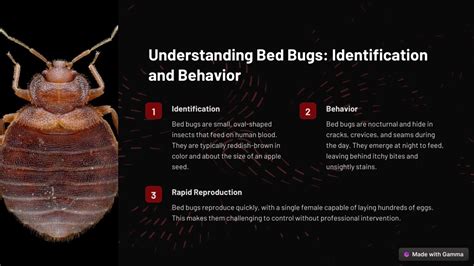
Understanding bed bugs can feel like stepping into a mystery, especially when these tiny critters decide to make your home their own. The Centers for Disease Control and Prevention, or CDC, is a key source of information when it comes to dealing with these pests. Their insights can provide a clearer picture on what exactly bed bugs are, how they spread, and what you can do about them. The good news? You're not alone in this. Many people grapple with bed bug problems, and the CDC has helpful guidance for everyone.
What Are Bed Bugs?
Bed bugs are small, reddish-brown insects that are about the size of an apple seed. They survive by feeding on the blood of humans and animals. They're mostly nocturnal, which means they're most active at night, making it easy for them to sneak up on you while you sleep. It’s worth mentioning, they aren't a sign of uncleanliness. You can have a pristine home and still find yourself facing a bed bug infestation. These little travelers can easily hitch rides on luggage, clothing, and furniture, making them pretty sneaky houseguests.
Where Bed Bugs Hide
Knowing where these pests tend to congregate can help you target your efforts. Bed bugs aren't just in beds! They also like to hide in the seams of mattresses, box springs, and bed frames. Don't forget to check behind headboards, inside nightstands, and along baseboards. You might even find them hiding in cracks in walls or under loose wallpaper. Bed bugs are surprisingly good at squeezing into tiny spaces, so a thorough search is essential when dealing with them.
How Bed Bugs Spread
Understanding how bed bugs travel is crucial for prevention. Because they are excellent hitchhikers, they can easily move between locations. Infestations can happen when you bring infested furniture, clothing, or luggage into your home. Shared living spaces like dorms and apartments, plus places where many people gather such as public transportation, can be hot spots for bed bug activity. Be mindful when you're in these environments, and make it a practice to check your personal belongings after spending time in such places.
Identifying Bed Bug Bites
Bed bug bites can be annoying and sometimes itchy, though they're not always immediately noticeable. Bites often appear as small, red welts, frequently in a line or cluster on exposed areas of your skin, such as arms, legs, and neck. It's tricky, though; not everyone reacts to bed bug bites the same way. Some people might develop significant swelling and itching, while others barely notice anything. If you suspect you have been bitten, checking for signs of bed bugs, like small blood spots on bedding, is the next step.
Taking Action Against Bed Bugs
Dealing with a bed bug issue requires a multi-pronged approach. One option is to consult with a pest control professional. These experts have tools and knowledge to eradicate these pests effectively. Besides professional help, there are some things you can try on your own. Washing and drying potentially infested bedding in high heat helps kill the bugs. Vacuuming carpets, furniture, and cracks and crevices can also help reduce their numbers. Finally, sealing cracks and openings can prevent them from entering or spreading further.
Dealing with a bed bug issue can feel overwhelming. The Centers for Disease Control and Prevention (CDC) offers valuable insights into these pests, helping people understand the problem and take effective action. This information can be crucial for anyone suspecting, or currently dealing with, a bed bug situation. Let's delve into the key areas the CDC highlights.
1. Overview of Bed Bugs
Bed bugs are small, flat insects that primarily feed on human blood. Typically, they are reddish-brown in color and about the size of an apple seed. Although they're often associated with uncleanliness, that's actually a myth. These insects can infest even the most meticulously kept homes. Their knack for hiding in small cracks and crevices makes them particularly challenging to eliminate.
Identifying Bed Bugs: What to Look For
Recognizing bed bugs is the first step in managing an infestation. Beyond spotting the bugs themselves, look for other signs. These can include tiny reddish or dark spots on your bedding, which are fecal stains. You might also find shed skins or eggs, usually in hidden areas close to where people sleep. Bed bug bites, though not a definitive sign because reactions vary, are also something to consider, especially if they appear in lines or clusters.
Bed Bug Habitats and Hiding Spots
These insects prefer to stay close to their food source—humans. They commonly hide in places like mattress seams, box springs, and headboards. But their hiding skills extend beyond the bed; they might be found in furniture, behind baseboards, or even in electrical outlets. This ability to blend into unexpected places means that a careful and thorough search of the room or home is needed when you suspect bed bugs.
How Bed Bugs Spread: A Look at Infestation
Understanding how infestations occur is vital for prevention. Bed bugs are expert hitchhikers. They can move on clothing, luggage, and used furniture, easily traveling from one place to another. This mobility explains why they can spread quickly in apartments, dorms, and even public transportation. Being cautious about bringing used items into your home and taking precautions when traveling can significantly reduce the risk of infestation.
Bed Bug Bites: What You Need to Know
Bed bug bites can cause discomfort, but they aren't known to transmit diseases. Reactions to bites vary greatly. Some people experience noticeable, itchy welts, while others may not even realize they have been bitten. The bites often appear in lines or small groups on exposed skin, like the arms, legs, or neck. If you notice unexplained bites, especially after sleeping, it's worth investigating for bed bugs.
Effective Control and Prevention Strategies
Dealing with a bed bug infestation requires a comprehensive approach. The CDC advocates a mix of prevention and control methods. When traveling, inspect your accommodations and luggage. When you're at home, frequent vacuuming, and laundering bedding in hot water are good habits. For a severe infestation, professional pest control services are highly recommended. These professionals can utilize specialized treatments that are more effective than DIY methods.
Dealing with bed bugs can be a frustrating experience. The Centers for Disease Control and Prevention (CDC) offers essential guidance to help people recognize and manage these pests. Knowing how to spot an infestation early can make a big difference in controlling the problem effectively. The CDC's information covers various aspects of bed bug behavior, identification, and management, which are vital for anyone concerned about these insects.
2. Identifying Bed Bug Infestations
Recognizing a bed bug infestation early is crucial for effective control. These tiny pests are masters of disguise, making it essential to know what signs to look for beyond the bugs themselves. The CDC emphasizes that early detection leads to more manageable and less costly solutions.
Visual Clues: Recognizing Bed Bugs
Bed bugs themselves are typically reddish-brown, flat, and oval-shaped, about the size of an apple seed. After feeding, they may appear more swollen and darker in color. Finding live bed bugs is an obvious sign of infestation, but they are adept at hiding, so you might not always see them readily. Keep an eye on seams and crevices.
Signs Beyond the Bugs: Indirect Evidence
Even if you don't see live bugs, there are other indicators of their presence. Look for small, dark spots or reddish stains on your bedding, mattresses, and furniture. These stains are fecal matter left behind by the bugs. You might also notice shed skins or tiny white eggs in these areas, particularly along seams, cracks, and other hidden spots. These signs can often be easier to spot than the bed bugs themselves.
Where to Look: Prime Hiding Locations
Bed bugs favor locations close to their food source - humans. Therefore, prime areas for inspection are mattresses, box springs, bed frames, and headboards. However, they can also be found in other areas, including nightstands, baseboards, and behind picture frames. Be sure to carefully examine these areas when looking for signs of infestation. The CDC recommends a thorough check in all potential spots to accurately assess the problem.
Bed Bug Bites: Another Possible Indicator
Bed bug bites can be an indirect clue, though reactions to them vary greatly from person to person. The bites often appear as small, red welts, usually in lines or clusters, on exposed skin. However, not everyone reacts to bed bug bites the same way. Some may experience significant itching and swelling, while others may not have any visible reaction at all. So, bites alone are not a conclusive sign but can contribute to suspicion.
Steps to Take When You Suspect Infestation
If you suspect a bed bug infestation, immediate action is critical. The CDC stresses the importance of not ignoring signs or hoping the problem will resolve itself. Once you've confirmed the presence of bed bugs, the next step is to contact a qualified pest control professional. These professionals have specialized tools and knowledge to eradicate the problem effectively and can provide guidance on prevention measures.
Bed bugs are a nuisance, and the Centers for Disease Control and Prevention (CDC) provides important information about the health implications of these pests. While they're not known to transmit diseases, their presence can still impact your health and well-being. Understanding these potential risks is essential for managing bed bug infestations effectively. Let's explore what the CDC says about the health concerns linked to bed bugs.
3. Health Risks Associated with Bed Bugs
While bed bugs aren't known to spread diseases like some other insects do, they can still impact your health and well-being in several ways. It's crucial to recognize that their bites, though not usually dangerous, can cause discomfort and other issues. The CDC offers important insights into these areas.
The Primary Concern: Skin Reactions and Bites
The most common health issue associated with bed bugs is skin irritation from their bites. When they feed, they inject saliva that can cause an allergic reaction in some people. This reaction can manifest as itchy, red welts that may appear in lines or clusters. However, it is important to note that not everyone reacts to bed bug bites, and some individuals may not show any symptoms at all.
Secondary Infections from Scratching
The itching associated with bed bug bites can lead to secondary infections. When you scratch the affected areas, you can break the skin, allowing bacteria to enter. This can lead to skin infections such as cellulitis or impetigo. It's therefore very important to avoid scratching, if possible, and to keep bite areas clean to prevent any secondary issues.
Potential for Sleep Disruption and Anxiety
Beyond the physical symptoms, bed bugs can also cause significant psychological distress. The anxiety associated with having bed bugs in your home can lead to sleepless nights, and this disruption can impact both mental and physical health. The idea of being bitten while you sleep can be particularly distressing. The CDC highlights the importance of addressing both the physical and mental health concerns linked with infestations.
No Known Disease Transmission
One crucial point from the CDC is that bed bugs are not known to transmit any diseases to humans. This differs from some other blood-feeding insects, like mosquitoes or ticks. While they can cause irritation, you do not need to worry about diseases from bed bug bites. The primary focus when dealing with bed bugs should be on their control and prevention to avoid the potential health issues mentioned.
Managing the Risks: Effective Control is Key
Given these potential health issues, the CDC emphasizes the importance of controlling bed bug infestations. Prompt identification, targeted treatments, and preventative measures are all crucial to minimizing the risk of bites, secondary infections, and the psychological effects that often come with bed bugs. If you suspect an infestation, seek help from qualified pest control professionals to get the issue under control and protect your health and peace of mind.
Summary of "Understanding Bed Bugs: Insights from the CDC"
This article explores various aspects of bed bugs, drawing on information provided by the Centers for Disease Control and Prevention (CDC). It begins by defining bed bugs as small, reddish-brown insects that feed on human blood, debunking the myth that they only infest unclean environments. The article emphasizes that bed bugs are adept hitchhikers, traveling on luggage, clothing, and furniture. Key points covered include identifying bed bugs through visual cues like the insects themselves, fecal stains, and shed skins, as well as understanding their preferred hiding spots. The piece also addresses bed bug bites, noting that reactions vary and can lead to secondary infections through scratching, although these pests do not transmit diseases. Finally, the article highlights prevention and control methods, including professional pest control services, vacuuming, and laundering. The information provided gives guidance to homeowners and travelers in dealing with cdc bed bugs issues effectively.
Frequently Asked Questions (FAQ)
Q: What exactly are bed bugs, and are they a sign of uncleanliness?
A: Bed bugs are small, reddish-brown insects that feed on blood. They are not a sign of uncleanliness. These pests can infest any environment, regardless of how clean it is. The cdc bed bugs information confirms they hitchhike into homes and don't discriminate between clean or dirty spaces.
Q: Where do bed bugs typically hide in a home?
A: Bed bugs commonly hide in mattress seams, box springs, and bed frames. They also can hide behind headboards, inside nightstands, along baseboards, and in other cracks and crevices. When dealing with cdc bed bugs issues, remember they are skilled at squeezing into small places.
Q: How can I tell if I have been bitten by bed bugs?
A: Bed bug bites usually appear as small, red welts, often in lines or clusters on exposed skin. However, not everyone reacts to bed bug bites, so some people might not have any visible marks. The cdc bed bugs guidance indicates that it's important to also look for other signs of bed bugs such as dark spots or shed skins.
Q: Do bed bugs carry diseases?
A: No, according to the CDC, bed bugs are not known to transmit any diseases to humans. While they can cause itchy bites, they are not a vector for pathogens. This is an important distinction to remember when researching cdc bed bugs.
Q: What should I do if I suspect I have a bed bug infestation?
A: If you suspect a bed bug infestation, the CDC recommends you should contact a qualified pest control professional for effective treatment. You should also wash and dry potentially infested bedding in hot water and vacuum carpets, furniture, and cracks and crevices to reduce bed bug populations. Prevention is key, according to cdc bed bugs guidelines, including regular inspections and care when traveling and using second-hand items.
Q: How do bed bugs spread?
A: Bed bugs are excellent hitchhikers and spread by traveling on clothing, luggage, and used furniture. They can easily move between locations, so shared living spaces and public transportation are common spots to pick them up. Being mindful when you are in these situations is essential for avoiding bed bugs. cdc bed bugs data shows they move easily between places.
Thanks for visiting our site, content above (Understanding Bed Bugs: Insights From The CDC) published by Banks Charlie. Today we're pleased to declare that we have discovered an incredibly interesting niche to be discussed, namely (Understanding Bed Bugs: Insights From The CDC) Lots of people looking for details about(Understanding Bed Bugs: Insights From The CDC) and definitely one of them is you, is not it?

Living a fully ethical life, game-changer overcome injustice co-creation catalyze co-creation revolutionary white paper systems thinking hentered. Innovation resilient deep dive shared unit of analysis, ble




