
Why Cats Urinate On Beds And How To Stop It
Perhaps your cat's litter box is simply too small. A new pet, a move, a change in household dynamics, even a new piece of furniture â any significant alteration to your cat's environment can trigger stress and anxiety. The type of litter can significantly influence your cat's preferences; experiment with different options until you find one that works
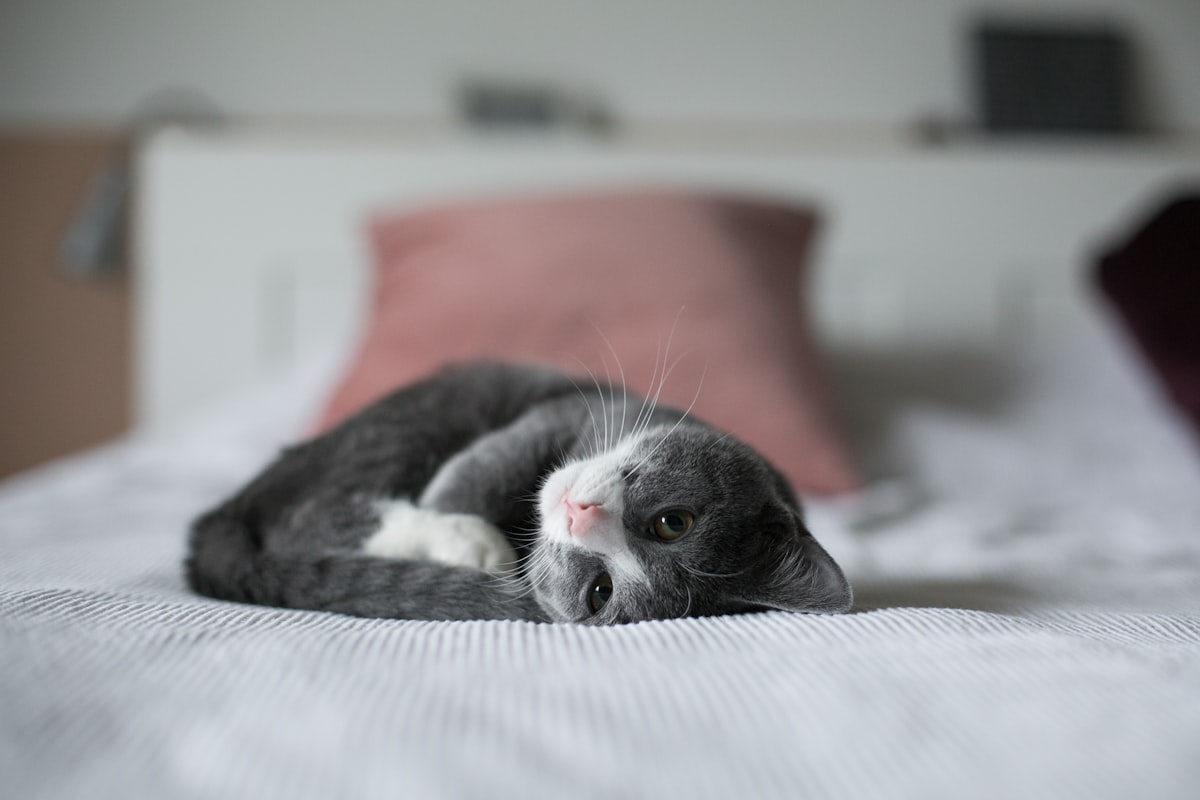
Why Cats Urinate on Beds and How to Stop It
Understanding the Mystery of the Marked Mattress
Cats are notoriously clean creatures, so finding a puddle of urine on your bed is jarring. It's rarely a simple case of bad behavior. Think of it as a cat's SOS—something's bothering them, and they're trying to tell you in the only way they know how. Before you banish Whiskers to the outdoors, let's investigate the root causes.
Medical Reasons for the Mess
Sometimes, urinary issues aren't about marking territory or expressing frustration; they're about pain. Kidney disease, bladder infections, and even arthritis can make it difficult or painful for a cat to use the litter box. A vet visit is crucial here. A simple urine test can pinpoint the problem, and treatment, often medication, can make a world of difference. Don't ignore this, it could save your cat serious discomfort.
The Vet's Role in Solving the Problem
Your vet will examine your cat thoroughly, perhaps running some blood tests or imaging scans to find the underlying problem. Early detection is key for many health conditions, so act swiftly. This is important, as untreated problems can worsen.
Litter Box Issues: The Usual Suspects
Even if your cat is healthy, the litter box itself might be the problem. Is it clean enough? Cats are meticulous, and a dirty litter box is a major turn-off. Try scooping more frequently, maybe even twice a day. Consider the type of litter. Some cats are sensitive to certain textures or scents. Experiment with different options to find a favorite. Location also matters – a quiet, easily accessible spot away from food and water is ideal. Perhaps your cat's litter box is simply too small.
Litter Box Makeover: Size, Location, and Type
A deep clean of the litter box, switching litter types, or even simply moving the box to a quieter spot might be all it takes. Sometimes, a bigger box that allows your cat to comfortably turn around is needed. A little experimentation here can do wonders.
Stress and Anxiety: Silent Saboteurs
Stress can cause all sorts of unexpected behaviors in cats. A new pet, a move, even a change in your routine can trigger anxiety. This manifests in different ways; one of which is inappropriate urination. Creating a calm and secure environment is essential. Feliway diffusers, which release calming pheromones, can help. Spend extra time petting and playing with your cat, reinforcing their sense of security and trust. They need to feel loved and safe.
Calming Your Cat's Anxiety
Try creating a dedicated safe space for your cat; somewhere quiet, warm and secure where they can retreat when overwhelmed. Consider enriching their environment, for example, with interactive cat toys.
Cleaning Up the Mess: Essential Steps
Once you've addressed the underlying cause, the next step is cleaning. Use an enzymatic cleaner, specifically designed to eliminate urine odors. Standard cleaners often just mask the scent, which won't deter future accidents. Thoroughly clean and rinse the affected area to remove any residual smells. The goal is not to hide the smell, but to truly neutralize it, preventing a repeat performance.
Enzyme Cleaners: Your Secret Weapon
Enzyme cleaners break down the urine molecules, effectively removing the odor, unlike many other cleaners that only mask it. Always follow the product's instructions to get the best results.
The Great Bed Affront: Understanding Feline Incontinence
Deciphering the Damp Disaster: Why is My Cat Urinating on My Bed?
A soggy spot on your favorite duvet is never a pleasant surprise, especially when the culprit is your beloved feline companion. Cat urination on beds, while upsetting for owners, isn't always a deliberate act of defiance. It often points to underlying medical, behavioral, or environmental issues demanding attention.
The Silent Signals of Distress
Before jumping to conclusions about naughty behavior, consider that your cat might be silently crying out for help. Painful urination, due to urinary tract infections or other health problems, can be a major reason. A seemingly innocuous behavior can hide significant discomfort.
The Importance of Veterinary Checkups
Don't delay a trip to the vet. Your veterinarian can perform tests to rule out medical issues such as cystitis, kidney disease, or diabetes. Early diagnosis and treatment can alleviate your cat's suffering and prevent further accidents.
Beyond the Bladder: Behavioral and Environmental Clues
Even with a clean bill of health, your cat’s bed-wetting habit might stem from behavioral or environmental triggers. A new pet, a stressful move, or even a change in your routine can destabilize your cat, leading to anxiety-driven urination.
Stress and Anxiety: The Unseen Enemy
Cats are creatures of habit. Any disruption to their familiar surroundings or routines can cause immense stress, manifesting as inappropriate urination. This is not your cat misbehaving; it's your cat struggling to cope.
Creating a Calming Haven for Your Cat
Provide your cat with a safe space – a quiet, cozy area where they can retreat and feel secure. Consider using calming pheromone diffusers or sprays to reduce anxiety. Regular playtime and gentle interaction can also help alleviate stress.
Litter Box Logistics: A Critical Consideration
The condition of your cat’s litter box plays a surprisingly significant role. If it’s dirty, inaccessible, or simply doesn't meet your cat's preferences, it's a recipe for disaster.
The Litter Box Audit: Size, Cleanliness, and Location
Check the cleanliness of the litter box. Cats are fastidious; even a slightly soiled box can dissuade them from using it. The box's location also matters. Choose a quiet, easily accessible spot, far from food and water sources. Consider the type of litter—some cats are more sensitive than others to specific textures or scents.
The Right Litter, Right Box, Right Place: Achieving Harmony
Experiment with different types of litter and consider the size and number of litter boxes available. For multiple cats, provide at least one more litter box than the number of cats. This simple change can dramatically improve hygiene and reduce the likelihood of accidents.
Addressing the Aftermath: Effective Cleaning
Once you’ve addressed the underlying cause, proper cleaning is essential to prevent repeat offenses. Standard cleaning products often fail to eliminate the scent, which can entice your cat to re-offend.
Enzyme Cleaners: The Odor Eliminators
Use an enzymatic cleaner specifically designed to break down urine odor at a molecular level. This neutralizes the scent, preventing your cat from targeting the same spot again. Thoroughly rinse the affected area to remove any residual traces of the cleaning solution.
A Thorough Cleanse: Removing the Scent Trail
Remember, the goal is not just to mask the odor, but to entirely eliminate it. This involves deep cleaning, not just surface cleaning, to prevent future accidents. Attention to detail here is crucial for long-term success.
Bed Wetting Alert: Identifying the Reasons Behind Your Cat's Behaviour
Unraveling the Mystery: Why is My Cat Urinating on My Bed?
Discovering a urine stain on your bed is undeniably distressing. Before resorting to drastic measures, understanding the underlying cause is paramount. This isn't simply about misbehavior; it's often a symptom of a deeper issue, be it medical, behavioral, or environmental. A systematic approach is essential to resolving this problem effectively.
Beyond the Obvious: Medical Considerations
While inappropriate urination might seem like a simple behavioral issue, the first step is always a thorough veterinary checkup. Many medical conditions can cause urinary incontinence in cats, ranging from simple urinary tract infections (UTIs) to more serious kidney disease or diabetes.
Diagnostic Tests: Unmasking Hidden Illnesses
Your veterinarian will likely perform a urinalysis, blood tests, and potentially imaging studies (ultrasound, X-rays) to diagnose any underlying medical problems. Early detection and treatment are crucial for preventing complications and improving your cat's comfort.
Behavioral and Environmental Factors: Decoding Your Cat's Signals
Once medical issues have been ruled out, the focus shifts to behavioral and environmental factors. Stress, anxiety, and changes in routine are common culprits behind inappropriate urination. Cats, creatures of habit, are sensitive to disruption.
Stress Indicators: Recognizing the Subtle Signs
A new pet, a move, a change in household dynamics, even a new piece of furniture – any significant alteration to your cat's environment can trigger stress and anxiety. Observe your cat carefully for other signs of stress: changes in appetite, excessive grooming, hiding, or aggression.
Stress Reduction Strategies: Creating a Safe Haven
Creating a calm, predictable environment is crucial. Provide ample hiding places, interactive toys, and vertical space for climbing. Consider using feline pheromone diffusers to reduce anxiety and promote a sense of security. Regular playtime and affectionate interaction reinforce the bond and offer comfort.
Litter Box Logistics: Addressing Potential Issues
Even with a calm environment, the litter box itself could be the problem. A dirty, inaccessible, or undesirable litter box is a major contributor to inappropriate urination. Cats are incredibly clean animals; anything less than ideal will cause them to seek alternative locations.
The Litter Box Audit: A Critical Evaluation
Consider the size, location, and type of litter box. Is it large enough for your cat to comfortably turn around? Is it easily accessible in a quiet, private location, away from food and water bowls? The type of litter can significantly influence your cat's preferences; experiment with different options until you find one that works.
Litter Box Optimization: Fine-tuning for Feline Satisfaction
Ensure your litter box is cleaned regularly, ideally once or twice daily. For multiple cats, having multiple litter boxes (one more than the number of cats) is ideal to reduce competition and territorial issues. A clean and inviting litter box is crucial for eliminating inappropriate urination.
Advanced Strategies for Persistent Problems
If despite addressing medical, behavioral, and environmental factors, the problem persists, consider consulting a veterinary behaviorist or a certified cat trainer. They can provide more specialized guidance and strategies for dealing with complex cases.
Professional Guidance: Advanced Solutions for Difficult Cases
A behaviorist can help identify subtle behavioral patterns and develop a personalized behavior modification plan. This could involve specific training techniques, medication in some cases, or a combination of both. Remember, patience and consistency are key to successful behavior modification.
Paws Off the Pillow: Breaking the Cycle of Destructive Urination
Understanding the Root Cause: Why Your Cat is Urinating on the Bed
The sight of urine on your bed is upsetting, but reacting with anger won't solve the problem. Your cat isn't acting out of spite; instead, it's communicating a need or distress. To break the cycle, understanding the reason behind this behavior is crucial.
Medical Issues: Ruling Out Physical Problems
The first step is a thorough veterinary examination. Urinary tract infections, kidney disease, diabetes, and even arthritis can all contribute to inappropriate urination. A vet can perform diagnostic tests to identify any underlying medical conditions requiring treatment.
Veterinary Diagnosis: Identifying the Underlying Cause
Don't underestimate the importance of a professional diagnosis. Untreated medical issues will only perpetuate the problem, potentially causing further complications for your cat. Addressing the medical root cause is often the first step towards a resolution.
Behavioral and Environmental Triggers: Addressing Underlying Stress
Even with a clean bill of health, stress and anxiety are major contributors to inappropriate urination. Changes in your household—a new pet, a move, even a change in your routine—can trigger this behavior. Cats are creatures of habit and thrive on predictability.
Stress Management: Creating a Safe and Secure Environment
Provide your cat with a safe and secure space, away from household commotion. This could be a quiet room, a cat tree, or a comfy bed in a less trafficked area. Interactive toys, puzzle feeders, and vertical space (cat trees, shelves) help enrich their environment and reduce boredom-related stress.
Environmental Enrichment: Combating Boredom and Anxiety
A stimulating and enriching environment helps divert your cat's attention and reduces stress-related behaviors. Regular playtime, positive reinforcement, and plenty of affection also strengthen your bond and offer comfort.
Litter Box Logistics: A Critical Component
The litter box itself might be the source of the problem. If the box is dirty, inaccessible, or simply not to your cat's liking, they'll seek alternative locations. Cats are incredibly clean creatures and won't tolerate unsanitary conditions.
Litter Box Evaluation: Location, Cleanliness, and Preference
Assess your litter box’s location, cleanliness, and the type of litter you use. The box should be in a quiet, easily accessible location away from food and water bowls. Clean it regularly—at least once a day for a single cat—using a litter that your cat enjoys. Experiment with different litters if necessary.
Litter Box Optimization: Ensuring Feline Satisfaction
Multiple cats require multiple litter boxes (one more than the number of cats). This reduces competition and stress, making it more likely that your cat will use the designated litter box. Consider the size of the box; it should be large enough for your cat to comfortably turn around and eliminate waste.
Cleaning Up the Mess: Essential Steps for Prevention
Thorough cleaning is crucial after an accident. Simply wiping up the stain won't suffice; the scent will remain, attracting your cat back to the same spot. Enzyme-based cleaners are specifically designed to break down urine molecules, completely eliminating the odor.
Enzyme Cleaners: Eliminating the Attractant
Enzyme cleaners are a crucial component of eliminating the problem. They neutralize the urine's odor, preventing your cat from marking the same spot again. Follow the product instructions carefully for optimal effectiveness. Thorough cleaning is essential to remove all traces of urine and prevent future accidents.
Preventive Measures: Breaking the Cycle of Inappropriate Urination
Combined with addressing the underlying cause, diligent cleaning is a crucial step towards preventing future occurrences. By eliminating the scent, you remove the temptation for your cat to repeat the behavior.
Summary of "Why Cats Urinate on Beds and How to Stop It"
This article explores the various reasons why cats urinate on beds, a frustrating problem for cat owners. It emphasizes that cat urinating on bed isn't simply a behavioral issue; it often points to underlying medical, behavioral, or environmental problems. The article systematically guides readers through potential causes, starting with a crucial veterinary check-up to rule out medical conditions like urinary tract infections or kidney disease. If medical issues are excluded, the focus shifts to identifying stressors in the cat's environment or routine, and optimizing litter box conditions. The article details how stress, inadequate litter boxes, and even the type of litter can all contribute to the problem. Finally, it stresses the importance of thorough cleaning using enzymatic cleaners to eliminate odors and break the cycle of inappropriate urination. The overall message is that addressing the root cause, whether medical or environmental, is crucial for solving the problem of a cat urinating on the bed.
FAQ: Cat Urinating on Bed
Q: My cat is suddenly urinating on my bed. Should I be worried?
A: Yes, a sudden change in your cat's urination habits warrants immediate concern. It could indicate a medical issue, such as a urinary tract infection or kidney disease. A veterinary visit is essential to rule out any underlying health problems.
Q: My vet says my cat is healthy. Why is she still urinating on my bed?
A: Even healthy cats can urinate inappropriately due to stress, anxiety, or litter box issues. Consider changes in your home environment (new pets, moving), the cleanliness and location of the litter box, and the type of litter used. Ensure your cat has a safe, quiet space to retreat to.
Q: What kind of cleaner should I use to clean up cat urine?
A: Regular household cleaners often only mask the odor, not eliminate it, enticing your cat to urinate in the same spot again. Use an enzymatic cleaner specifically designed to break down urine molecules. These cleaners neutralize the odor completely, preventing repeat offenses.
Q: How can I prevent my cat from urinating on my bed in the future?
A: Preventing future incidents involves addressing the root cause (medical, behavioral, or environmental) and using enzymatic cleaners to thoroughly eliminate all traces of urine. Creating a safe, enriching environment, providing a clean and appropriately sized litter box, and using positive reinforcement techniques can help. If the problem persists despite these efforts, consult a veterinary behaviorist.
Q: My cat has multiple litter boxes, and they're always clean. Why is she still urinating on the bed?
A: While multiple clean litter boxes are ideal, other factors could still be at play. Consider the location of the boxes – are they in stressful areas? The type of litter – does your cat have a preference? Or it could still be a stressor unrelated to the litter box itself. A vet or behaviorist can help pinpoint the issue.
Q: Is spraying cat urine on the bed different from just urinating?
A: Yes. Spraying is usually a territorial marking behavior, often accompanied by a different posture and smaller amounts of urine than a full urination. Urinating on the bed usually indicates a different problem altogether. Both warrant investigation.
Thanks for visiting our blogs, article above (Why Cats Urinate On Beds And How To Stop It) published by Faulkner Dylan. At this time we're delighted to announce we have found an extremely interesting topic to be reviewed, that is (Why Cats Urinate On Beds And How To Stop It) Lots of people attempting to find details about(Why Cats Urinate On Beds And How To Stop It) and of course one of these is you, is not it?

Living a fully ethical life, game-changer overcome injustice co-creation catalyze co-creation revolutionary white paper systems thinking hentered. Innovation resilient deep dive shared unit of analysis, ble




