
Why Is My Cat Pooping On The Bed? Causes And Solutions
The pain and urgency associated with bowel movements can cause your cat to eliminate outside the litter box. Even after ruling out medical causes, behavioral issues remain a common reason for cats to eliminate outside the litter box. Stress and underlying medical issues can still be factors even with sufficient litter boxes
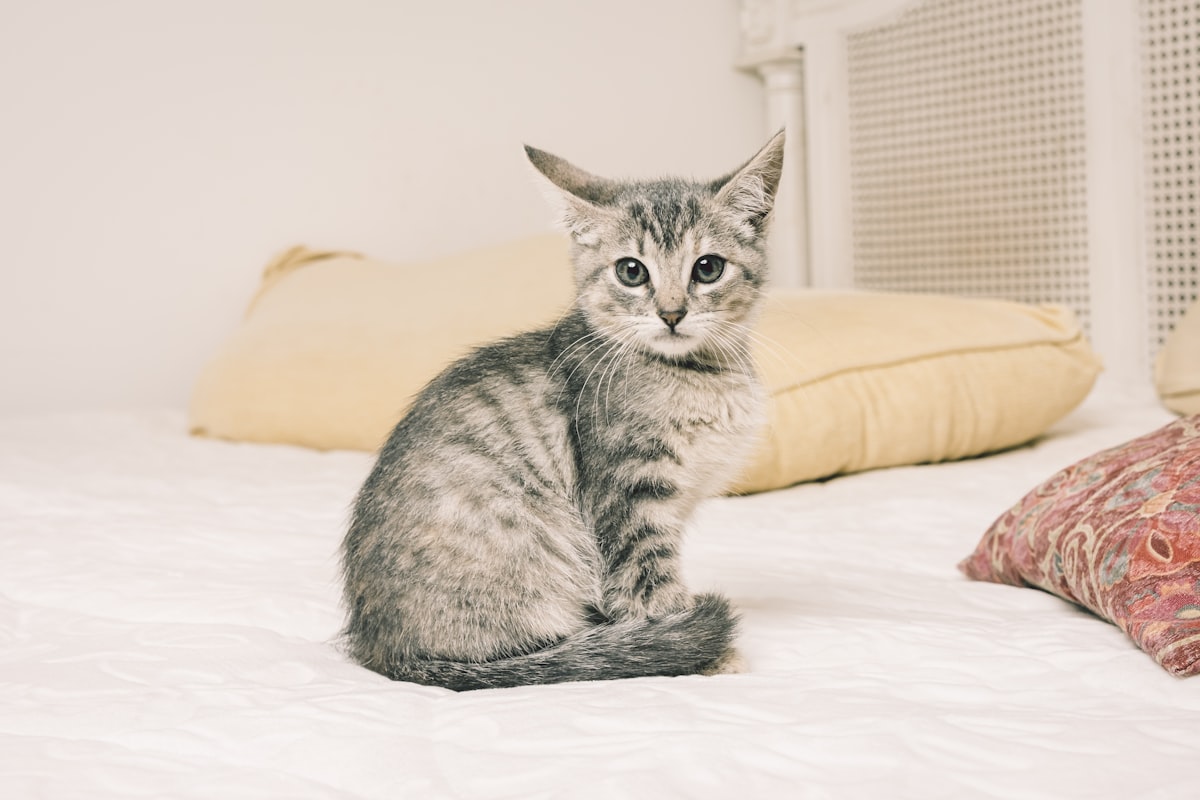
Why is My Cat Pooping on the Bed? Causes and Solutions
Litter Box Issues: The Usual Suspects
Cats are creatures of habit, and a change in their litter box routine often signals a problem. Maybe you switched litter brands, and the new texture feels awful under their paws. Perhaps the box is dirty – cats are fastidious and won't use a smelly, soiled toilet. Is the box itself too small, too hard to access, or located in a noisy, stressful spot? Consider your cat's preferences. Some cats prefer uncovered boxes, others covered. Some love privacy, others don't mind a more open location.
Litter Box Location Matters
Think about where you've placed the litter box. Is it near food or water bowls? Cats generally prefer to relieve themselves away from eating and drinking areas. A noisy area, like near a washing machine or a frequently used doorway, can also stress them out. If the box is hard to reach for your cat, such as in the basement, they may choose the bed instead. Try moving it to a quieter, more accessible spot.
Medical Reasons: When to See the Vet
Sometimes, inappropriate elimination is a symptom of a larger health issue. Urinary tract infections, kidney disease, arthritis, and even cognitive decline in older cats can lead to accidents. If your cat is suddenly pooping outside the litter box, even after you've checked the usual suspects, a vet visit is essential. They can rule out any underlying medical conditions that need treatment. Don't delay this; early diagnosis is key.
Pain and Mobility
Arthritis can make it painful for your cat to jump into the litter box, especially if it's high-sided or if they're an older cat. Consider a low-sided litter box or even placing a ramp near the box to make access easier.
Stress and Anxiety: The Unspoken Factors
Cats are sensitive creatures. Changes in the household, a new pet, a move, or even a new piece of furniture can trigger stress and anxiety, leading them to eliminate outside the litter box. Your cat might be feeling insecure or marking their territory. These scenarios often manifest as a change in bathroom habits.
Environmental Changes
Even minor changes can upset your cat. A new family member, a renovation, or even a rearranged room can trigger anxiety. Consider their routine and any recent changes that might be causing stress.
Cleaning Up the Mess: Damage Control and Prevention
Cleaning up cat poop from your bed is unpleasant, but it's crucial to do it thoroughly. Use an enzymatic cleaner to eliminate the smell, as lingering odors can encourage repeat offenses. You'll need to wash the bedding thoroughly and let it air dry completely.
Enzymatic Cleaners are a Must
Regular household cleaners don't remove the pheromones that attract cats to soil the same spot. Enzymatic cleaners break down the odor molecules. This prevents your cat from re-offending. Using an enzymatic cleaner helps break the cycle of unwanted behavior.
Cat Pooping on Bed: Understanding the Behavior
Understanding the Behavior: Why Cats Choose Unusual Spots
Cats are naturally clean animals, so when a cat starts pooping outside the litter box, it's a clear sign something's wrong. It's not about spite or rebellion; it's communication. They're trying to tell you something, and ignoring the problem won't make it go away. Often, it’s a medical issue, a litter box problem, or a stress trigger.
Medical Reasons Behind the Behavior
Underlying health issues are a significant factor to consider. Urinary tract infections (UTIs), kidney disease, constipation, and inflammatory bowel disease can all lead to painful urination or defecation, causing your cat to avoid the litter box. Arthritis or other mobility problems can also make it difficult to reach the litter box. A vet visit is crucial to rule out any medical conditions.
Identifying Medical Signs
Beyond inappropriate elimination, watch for other symptoms like lethargy, changes in appetite or drinking habits, straining to urinate or defecate, or blood in the urine or stool. These are all red flags requiring immediate veterinary attention. Early diagnosis can significantly improve your cat's prognosis.
Litter Box Issues: A Common Culprit
Even without medical issues, the litter box itself can be the problem. A dirty litter box is a major turn-off for cats. If the box isn't cleaned regularly, your cat might find a cleaner alternative, like your bed. The type of litter, the box size and location, or even the presence of multiple cats competing for litter box access can all contribute to the problem.
Choosing the Right Litter Box
Consider these factors: location (away from food and water, quiet and easily accessible); size (large enough for your cat to comfortably turn around); type of litter (some cats are more sensitive to certain textures or scents); and number of boxes (more than one box is often recommended, especially for multi-cat households).
Stress and Anxiety: The Silent Influences
Stress and anxiety are often overlooked but frequently contribute to inappropriate elimination. Changes in the household—new pets, babies, or even a rearranged room—can disrupt a cat's routine and trigger stress. A lack of environmental enrichment or feeling unsafe can also lead to this behavior.
Reducing Stress and Anxiety
Providing ample vertical space (cat trees, shelves), interactive toys, scratching posts, and hiding places can all help reduce stress. A calming pheromone diffuser can also help create a more relaxing atmosphere. If the stress is caused by another pet, consider introducing them gradually. If possible, try to maintain a consistent routine to help avoid stress triggers.
Cat Pooping on Bed: Medical Reasons Behind a Cat’s Inappropriate Pooping
Medical Reasons Behind a Cat’s Inappropriate Pooping
While behavioral issues often underlie a cat pooping on the bed, it’s crucial to rule out underlying medical problems first. Ignoring potential medical conditions can lead to worsening symptoms and potentially serious health issues for your feline friend. A vet visit should be the first step if your cat suddenly starts eliminating outside the litter box.
Urinary Tract Infections (UTIs)
UTIs are a common cause of inappropriate urination and, sometimes, defecation. The pain and discomfort associated with urination can make your cat avoid using the litter box. Symptoms might include straining to urinate, frequent urination in small amounts, blood in the urine, and licking the genital area excessively. If you notice any of these symptoms, veterinary attention is vital.
Diagnosing and Treating UTIs
A vet can diagnose a UTI through a urine sample test. Treatment typically involves antibiotics and pain relief medication. Prompt diagnosis and treatment are crucial to prevent complications.
Inflammatory Bowel Disease (IBD)
IBD is a chronic condition affecting the digestive tract, leading to inflammation and discomfort. This can manifest as diarrhea, constipation, changes in appetite, vomiting, and, importantly, inappropriate defecation. The pain and urgency associated with bowel movements can cause your cat to eliminate outside the litter box.
Managing IBD
IBD management typically involves a specialized diet, medication to reduce inflammation, and potential supplements. The goal is to manage symptoms and improve your cat's quality of life. Regular vet checkups are crucial for monitoring IBD.
Constipation and Other Gastrointestinal Issues
Constipation can be extremely painful and lead a cat to avoid the litter box. This can stem from various issues including dietary problems, dehydration, lack of fiber, or underlying medical conditions. Hard stools are difficult to pass and may cause your cat distress.
Addressing Constipation
Treatment involves increasing water intake, adding fiber to their diet, and potentially using stool softeners or laxatives under veterinary guidance. Identifying and addressing the underlying cause is crucial for long-term relief.
Arthritis and Mobility Issues
Older cats are particularly susceptible to arthritis, which can make it painful to jump into the litter box, especially if it's high-sided. This pain can lead to accidents outside the litter box. Other mobility issues can also contribute to this.
Adjusting for Mobility Limitations
Providing a low-sided litter box, placing the litter box in a readily accessible location, or even using a ramp can significantly improve access and reduce the likelihood of accidents.
Neurological Disorders
In some cases, neurological disorders can affect a cat's ability to control bowel movements, leading to accidents. These disorders can range from mild to severe and often require specialized veterinary care. Symptoms might include changes in behavior, gait, or coordination. A thorough neurological examination is necessary to identify the cause.
Neurological Disorder Diagnosis
Diagnosing neurological disorders can involve a range of tests, including blood work, imaging studies, and neurological examinations. Treatment will depend on the specific diagnosis and may involve medication, physical therapy, or other supportive measures.
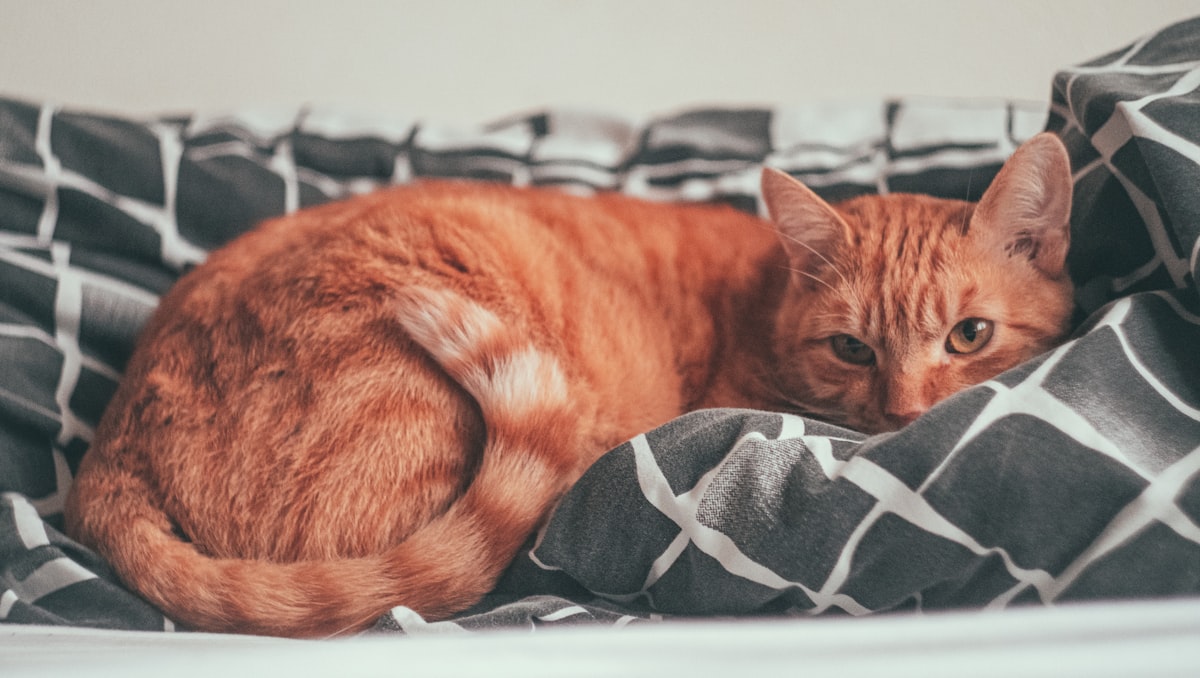
Cat Pooping on Bed: Behavioral Issues
Behavioral Issues: Stress, Anxiety, and Litter Box Problems
Even after ruling out medical causes, behavioral issues remain a common reason for cats to eliminate outside the litter box. Understanding your cat's behavior is key to solving the problem. Addressing underlying stress, anxiety, and litter box issues is crucial.
Stress and Anxiety: Environmental Triggers
Cats are sensitive creatures, and various environmental factors can trigger stress and anxiety, leading to inappropriate elimination. Changes in the household, such as new pets, family members, or even rearranging furniture, can disrupt a cat's sense of security and cause them to seek alternative places to relieve themselves.
Identifying Stressors
Observe your cat’s behavior and environment. Look for new additions to the household, changes in routines, loud noises, or even unfamiliar smells that could be causing stress. Consider providing your cat with more safe spaces, such as high perches or hiding spots.
Litter Box Aversion: The Wrong Box, Litter, or Location
Cats are meticulous about their bathroom habits. The litter box itself can be the problem. The type of litter, the size and location of the box, or even the cleanliness can significantly impact a cat's willingness to use it.
Optimizing the Litter Box
Ensure the litter box is large enough, clean, and located in a quiet, accessible area away from food and water bowls. Experiment with different types of litter to find one your cat prefers. Consider adding a second litter box, especially if you have multiple cats.
Marking Territory: A Subtler Reason
Sometimes, inappropriate elimination isn’t about avoiding the litter box, but about marking territory. This is more common in multi-cat households or when cats feel insecure about their space. Unlike accidents, territorial marking tends to be small amounts of urine or feces in prominent locations.
Addressing Territorial Marking
Provide more vertical space (cat trees, shelves) to give each cat their own space. Use pheromone diffusers to create a calming environment. If the problem persists, consider consulting a veterinary behaviorist.
Lack of Environmental Enrichment
A boring environment can lead to behavioral problems. Cats need mental and physical stimulation to stay happy and healthy. Without enough enrichment, stress and anxiety can build up, causing them to act out in various ways, including eliminating inappropriately.
Enriching Your Cat's Environment
Provide toys, scratching posts, climbing structures, and puzzle feeders to keep your cat entertained and engaged. Interactive play sessions are essential for both physical and mental stimulation. A stimulating environment is key to preventing many behavior problems.
Medical Conditions Mimicking Behavioral Issues
It is crucial to remember that sometimes, medical conditions can masquerade as behavioral problems. Even if you suspect a behavioral problem, a veterinary checkup is crucial to rule out any underlying medical condition that might be contributing to the inappropriate elimination. Don’t automatically assume it's purely behavioral.
The Importance of Veterinary Checkups
A vet can perform a physical exam, run diagnostic tests, and identify any underlying medical issues that might be causing or contributing to the problem. Ignoring potential medical conditions can have significant consequences.
Summary of "Why is My Cat Pooping on the Bed? Causes and Solutions"
Cat pooping on the bed is a distressing problem for cat owners, but understanding the underlying causes is crucial for finding a solution. This issue can stem from a variety of factors, including medical problems, litter box issues, stress and anxiety, and territorial marking. Medical reasons such as urinary tract infections (UTIs), inflammatory bowel disease (IBD), constipation, arthritis, and neurological disorders can all lead to inappropriate elimination. Litter box problems, including cleanliness, location, type of litter, and box size, are frequent culprits. Stress and anxiety triggered by environmental changes, new pets, or lack of enrichment can also contribute. Finally, territorial marking, especially in multi-cat households, should be considered. Addressing these issues through veterinary care, litter box optimization, environmental enrichment, and stress reduction techniques is key to resolving cat pooping on the bed. Thorough cleaning with enzymatic cleaners is also essential to prevent recurrence.
Frequently Asked Questions (FAQ)
Q: My cat suddenly started pooping on my bed. What should I do first?
A: First, schedule a visit with your veterinarian to rule out any underlying medical conditions like UTIs, IBD, or arthritis, which can cause pain and discomfort leading to inappropriate elimination. While you wait for the appointment, thoroughly clean the soiled area with an enzymatic cleaner to remove odor.
Q: I’ve cleaned the area, and my cat still poops on the bed. What else can I try?
A: Even after cleaning, the lingering scent may attract your cat back to the same spot. Consider moving the bed or using a pet-deterrent spray in addition to thorough cleaning. Look for triggers in your cat’s environment: stress, changes in routine, inadequate litter box access, etc. Address these to solve the underlying problem.
Q: My cat has multiple litter boxes, but still poops on the bed. What could be the problem?
A: Even with multiple boxes, problems can still occur. Ensure the boxes are clean, spacious, accessible, and located in different areas of the house. Consider the type of litter; your cat might have a preference. Stress and underlying medical issues can still be factors even with sufficient litter boxes. Consult your vet if needed.
Q: What kind of cleaner should I use to clean up cat poop from my bed?
A: Use an enzymatic cleaner specifically designed for pet messes. Regular household cleaners won't eliminate the odor, which can encourage your cat to re-offend. Enzymatic cleaners break down the odor-causing molecules, preventing future accidents.
Q: Is my cat pooping on my bed because it’s angry or spiteful?
A: No, cats don't poop on your bed out of spite. Inappropriate elimination is always a communication that something is wrong. It could be a medical issue, a stressor in the environment, or a problem with the litter box. Never punish your cat; instead, address the underlying cause.
Q: How can I prevent my cat from pooping on the bed in the future?
A: A multi-pronged approach is best. Rule out medical issues with a vet visit. Optimize the litter box (location, cleanliness, size, type of litter). Identify and reduce stress factors in your cat's environment. Provide ample enrichment. Consistent cleaning with enzymatic cleaners is crucial. With patience and attention, you can solve this problem.
Here you are at our blogs, article above (Why Is My Cat Pooping On The Bed? Causes And Solutions) published by Fowler Joel. Nowadays we're excited to declare we have found an extremely interesting niche to be pointed out, namely (Why Is My Cat Pooping On The Bed? Causes And Solutions) Most people looking for details about(Why Is My Cat Pooping On The Bed? Causes And Solutions) and certainly one of them is you, is not it?
Gallery for Why is My Cat Pooping on the Bed? Causes and Solutions

Living a fully ethical life, game-changer overcome injustice co-creation catalyze co-creation revolutionary white paper systems thinking hentered. Innovation resilient deep dive shared unit of analysis, ble




