
Can You See Bed Bugs? A Comprehensive Guide
Their hiding spots and the signs they leave behind often tell a story before the bugs themselves become visible. Often, signs like fecal spots, shed skins, or bite marks will be noticeable before the bugs themselves. A5: The presence of spots, shed skins, or bite marks strongly suggests a bed bug problem, even if you haven't directly seen the bed bugs themselves
Can You See Bed Bugs? A Comprehensive Guide
Spotting bed bugs can be tricky, and sometimes you just don't see them. They're small and often hide in nooks and crannies. Knowing where to look and what to look for will make all the difference. Understanding their habits can help you locate them early, before they become a serious problem.
Different stages of bed bugs have varying appearances. Newborn bed bugs are tiny, while adults are a little larger. This size difference affects what you see, or don't see.
Identifying Bed Bugs: A Visual Guide
Bed bugs, as you might imagine, are small. Often, they're mistaken for other insects. Their size and coloration are key to recognizing them. They're oval-shaped and reddish-brown, appearing almost like flat, dark-colored dots against a light surface. They are not always easily spotted, especially when they are in hiding. But here's how to improve your chances:
Tiny Troublesome Guests
Finding them depends on knowing where they like to hide. Look closely in seams, crevices, and along edges of mattresses, box springs, and furniture. Pay attention to the edges of the bed and places where the bed frame meets the wall. They often hide in the folds of curtains or clothing. Look in the seams of your carpet, too. They love these areas.
Recognizing Their Waste
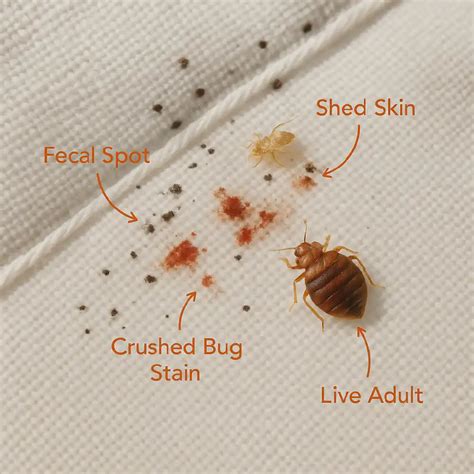
Fecal matter is one giveaway. Small, dark spots, almost like tiny flakes or pepper, on your mattress, box springs, or clothing often indicate bed bug activity. It's often the first clue before you see the bugs themselves.
Tracking Their Trails
Tiny reddish-brown shed skins are another telltale sign, and frequently indicate recent activity. These shed skins, smaller than the adults, are a great clue about their presence.
Beyond the Basics: Other Clues
Don't just stop at the obvious! Other signs can suggest a bed bug problem. An itchy rash, for instance, might be a result of their bites. A musty odor, a faint scent that lingers, can also suggest a serious infestation. The bite reaction can be something you might need to consider too, as symptoms can be a way to spot a problem.
Can U See Bed Bugs?
Ultimately, you need to carefully inspect potentially infested areas. Don't just look at the bed. Check everything within a few feet of your bed. Pay attention to the fabric and the seams. Be thorough. A proactive approach is critical in detecting these little pests.
A Word of Caution
If you suspect you have bed bugs, seeking professional help can be a good idea. Early intervention can limit the extent of an infestation.
Understanding the Elusiveness of Bed Bugs
Bed bugs, those tiny terrors, are notorious for their cryptic nature. Their ability to hide in the most inconspicuous places makes detection a constant challenge. Understanding their behavior and the telltale signs of their presence is crucial for effective eradication.
The Master of Disguise
Bed bugs, masters of concealment, thrive in hidden corners and crevices. Their tiny size and nocturnal habits contribute to their elusiveness. Often, you only encounter them when a significant infestation has already taken root.
Why are they so hard to spot?
Their tiny size makes them almost invisible to the naked eye, and their brown-red color often blends in with the furniture and fabrics they inhabit. Their preference for hidden spaces amplifies their stealth.
The Silent Invasion
The invasion of bed bugs is often subtle, marked by the appearance of subtle clues rather than an immediate swarm. This gradual build-up makes detecting them early an uphill battle.
Early Warning Signs: What to Look For
Beyond the obvious – the bugs themselves – understanding the signs they leave behind can make all the difference. Look for tiny dark spots (fecal matter), shed skins, and the telltale bite marks. These clues can be subtle, requiring a keen eye to spot them.
Can U See Bed Bugs? A Deep Dive
The answer to "can u see bed bugs" is complex. It hinges on your ability to recognize the signs they leave behind. Their hiding spots and the signs they leave behind often tell a story before the bugs themselves become visible. Inspecting the seams of mattresses, box springs, and bed frames are critical. Don't neglect nearby furniture or even the edges of carpets, as bed bugs often make these places their home.
Beyond the Bed: A Wider View
Your search for bed bugs shouldn't be confined to the bed itself. Their mobility allows them to explore and infest a wider range of areas within your bedroom, or even areas around your bedroom, like baseboards, dressers, and even luggage.
Beyond the Obvious: Intentional Observation
Spotting bed bugs requires attentive observation, a systematic approach, and a keen eye for detail. Be patient and persistent in your search, and look for signs that indicate their presence rather than relying solely on immediate visual identification.
How to Spot Bed Bugs with the Naked Eye
Spotting bed bugs can be challenging, as their size and habits make them masters of concealment. But with a systematic approach and keen observation, you can increase your chances of detecting them.
The Importance of Diligence
Bed bugs are notoriously adept at hiding. They thrive in secluded areas, making direct visual identification difficult. This necessitates a thorough and focused approach to detection.
Understanding Their Preferences
Bed bugs often favour areas with fabric seams, crevices, and folds. Mattresses, box springs, and headboards are prime locations. They also take refuge in upholstered furniture, along baseboards, and even in cracks in walls or floors. Knowing these preferred hideouts is key.
Identifying the Evidence
Instead of immediately seeking the bugs themselves, look for the signs they leave behind. These telltale clues can reveal the presence of an infestation long before spotting the bugs directly.
Fecal Spots: Tiny Dark Specks
One common indicator is the presence of tiny dark spots, similar to tiny flakes of pepper, often found on mattresses, box springs, or furniture. These are the bugs' fecal matter. Be diligent in checking these areas.
Shed Skins: Tiny Castoffs
Another clue is the presence of shed skins, which are small, light brownish or translucent skins left behind by moulting bed bugs. These are a reliable indication of active infestation. Inspect carefully for these minuscule clues.
Bite Marks: A Potential Indication
While not always a definitive sign, bite marks can be a potential indication of bed bug activity. Rashes or itchy welts on the skin, particularly around the bed, may point to an infestation. If these are present, seeking a professional assessment is advisable.
Can U See Bed Bugs? A Practical Approach
Locating bed bugs isn't just about looking for the insects themselves. It's about observing the telltale signs of their presence. Taking your time and carefully examining potential hiding places can significantly increase your chances of detection.
Inspecting Key Areas
Pay close attention to the following areas for potential signs:
- Mattresses and Box Springs: Check seams, edges, and the corners.
- Headboards and Furniture: Examine crevices, folds, and seams.
- Baseboards and Walls: Look for signs in cracks and crevices.
- Clothing and Luggage: Check seams and folds where clothing is stored.
Professional Consultation
While diligence is key, if you suspect a bed bug infestation, consulting a professional is highly recommended. They possess the expertise and tools to confirm the presence of bed bugs, and develop a treatment plan if necessary. Don't hesitate to seek their assistance.
Summary of "Can You See Bed Bugs? A Comprehensive Guide"
This guide provides a comprehensive approach to identifying bed bugs, focusing on their elusive nature and the various signs that indicate their presence. The article emphasizes the importance of thorough inspection, highlighting key areas where bed bugs tend to hide, such as mattress seams, crevices, and folds of furniture. Instead of relying solely on spotting the insects themselves, the guide stresses the significance of identifying their waste (fecal spots), shed skins, and the potential of bite marks. The article stresses the difficulty in directly seeing bed bugs due to their small size, cryptic habits, and tendency to hide in hard-to-reach areas. It advises on proactive inspection and professional consultation if suspected infestation exists.
Frequently Asked Questions (FAQ)
Q1: Can I see bed bugs with the naked eye?
A1: Bed bugs are tiny, and their coloration often blends in with their surroundings. They are masters of concealment, hiding in tiny crevices. While directly seeing them is sometimes possible, it is not always the easiest way to determine if an infestation exists. Often, signs like fecal spots, shed skins, or bite marks will be noticeable before the bugs themselves.
Q2: How small are bed bugs?
A2: Bed bugs are quite small, varying in size depending on their stage of development. They are typically around 1/4 to 1/2 inch long as adults, making them difficult to spot with the naked eye without specific attention to potential hiding spots.
Q3: What are some common hiding spots for bed bugs?
A3: Bed bugs favor areas with fabric seams, crevices, and folds. This includes mattresses, box springs, headboards, and upholstered furniture. They can also be found along baseboards, in cracks in walls, and even in luggage or clothing seams.
Q4: What does bed bug fecal matter look like?
A4: Bed bug fecal matter appears as small, dark spots or specks, often resembling tiny flakes or pepper. They're frequently found on mattresses, box springs, or furniture.
Q5: If I don't see live bed bugs, but I see signs like spots or shed skins, can u see bed bugs?
A5: The presence of spots, shed skins, or bite marks strongly suggests a bed bug problem, even if you haven't directly seen the bed bugs themselves. These signs are often indicators of past or current activity.
Q6: What should I do if I suspect a bed bug infestation?
A6: If you suspect a bed bug infestation, thorough inspection and professional consultation are strongly recommended. A professional can confirm the presence of bed bugs and develop an appropriate treatment plan.
Thanks for visiting our website, content above (Can You See Bed Bugs? A Comprehensive Guide) published by Franklin Cameron. Today we're pleased to announce that we have found a very interesting content to be discussed, namely (Can You See Bed Bugs? A Comprehensive Guide) Many people looking for info about(Can You See Bed Bugs? A Comprehensive Guide) and certainly one of these is you, is not it?

Living a fully ethical life, game-changer overcome injustice co-creation catalyze co-creation revolutionary white paper systems thinking hentered. Innovation resilient deep dive shared unit of analysis, ble




