
The Puzzling Travel Of Bed Bugs: Can They Really Pass Through Walls?
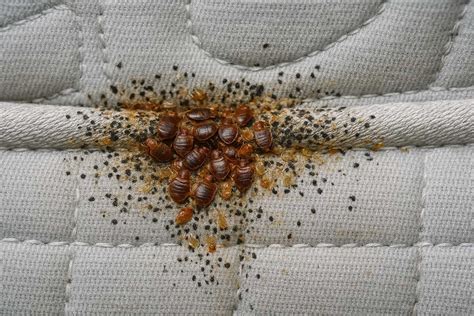
Have you ever woken up with itchy red bites, only to find a tiny, flat, reddish-brown insect lurking nearby? Bed bugs, those tiny nocturnal hitchhikers, are a nightmare for homeowners and travelers alike. Their ability to seemingly appear out of nowhere often leads to a common question: can bed bugs travel through walls? It's a thought that can send chills down your spine, picturing these pests invading from neighboring units or behind plaster. Let's dive into the truth behind this unsettling possibility and see just how far these tiny terrors can travel.
Bed Bugs: The Tiny Travelers
Bed bugs aren't like ants, which might forage along established trails. They're more like opportunists, seeking warmth, darkness, and a reliable blood meal. They're masters of hiding, squeezing into cracks and crevices where they can remain undetected until feeding time. This makes them incredibly elusive and capable of infiltrating even seemingly well-sealed spaces. Their bodies are built for tight fits, which plays a big role in their travels.
The Wall Dilemma
So, regarding the wall question, it’s not a matter of bed bugs drilling through drywall like termites. They don't have the physical capabilities for that type of direct penetration. Instead, the issue hinges on existing gaps and passageways within the wall structure. Think about electrical outlets, baseboards, and plumbing penetrations. These areas often create direct routes connecting rooms and even apartments. A small gap around a pipe, for example, is essentially an open invitation.
How They Really Get Around
Bed bugs use these tiny highways to navigate between rooms, and sometimes even between different living spaces. It's not the wall itself that they’re conquering, but the spaces within and around it. They're also hitchhikers. Infested luggage, clothing, or furniture brought into a home often introduces the initial population. Once they're in, they'll explore and seek out hiding spots, which could lead them to those wall openings.
The Role of Shared Spaces
In apartment buildings or connected homes, the odds increase dramatically. Shared wall systems with interconnected electrical and plumbing offer an easy means of spread, which is how infestations can seem to pop up so suddenly in multiple units. This emphasizes the importance of vigilance, even if your home is relatively bug-free.
Preventing the Spread
Knowing that can bed bugs travel through walls via the gaps, what's the next step? Prevention is key. Regularly inspect and seal up any noticeable cracks or crevices in walls, around baseboards, and near pipes. Be especially cautious when bringing in used furniture or items from other locations. Maintaining a clutter-free home helps reduce hiding places. Early detection is crucial. Frequent checks of your mattress seams and headboard can help catch infestations before they spread.
The unsettling discovery of bed bugs often prompts a flurry of questions, one of the most common being: can bed bugs travel through walls? It’s a thought that can send shivers down your spine, picturing these tiny intruders silently migrating from neighboring rooms or even entire apartment units. The reality is a bit more nuanced than a simple "yes" or "no," involving a network of hidden passages and the bugs' unique methods of travel.
The Unseen Pathways of Bed Bugs
Bed bugs aren’t equipped to bore through solid materials like wood or drywall. Their bodies are flattened, perfectly adapted to squeezing into tight cracks and crevices, but they lack the necessary mandibles or powerful legs needed to tunnel through barriers. So, when we ask “can bed bugs travel through walls?” we need to look beyond the solid surface itself. The answer lies in exploiting the existing infrastructure of buildings.
Existing Openings: Their Highway System
Walls aren’t completely sealed. Think about the multitude of openings they contain: electrical outlets, baseboards that are not perfectly flush, plumbing penetrations, and even tiny gaps where walls meet floors or ceilings. These seemingly insignificant spaces create an intricate network of pathways that bed bugs readily use as their highway system. A small crack around a light switch, for instance, becomes a thoroughfare from one side of the wall to another, allowing bed bugs to explore adjacent rooms and apartments. These hidden routes often connect multiple units in a building, facilitating a more widespread infestation.
The Role of Shared Infrastructure
In apartment buildings, the problem is compounded by shared wall cavities. Electrical wiring, plumbing lines, and ductwork often run throughout entire structures, creating interconnected spaces that bed bugs can exploit. This means an infestation in one unit can quickly spread to others, traveling through these shared utility pathways. It’s not that they’re breaking through walls, but rather leveraging these existing routes that already connect spaces.
Beyond the Wall: Other Travel Methods
While wall pathways are crucial for their spread within a building, they're not the only means of transportation. Bed bugs are avid hitchhikers, primarily relying on humans to transport them from place to place. Infested luggage, clothing, used furniture, or even brief encounters in public places can lead to new infestations. They might not have traveled through walls initially, but once inside, they may very well start utilizing those pathways to expand their territory within the structure.
Prevention and Control
Understanding how bed bugs move is the first step to controlling their spread. When thinking about whether can bed bugs travel through walls, remember the tiny gaps are key. Sealing any noticeable cracks and crevices in your walls, around electrical outlets, and baseboards can be an effective preventative measure. Regularly inspect luggage, clothing, and used furniture before bringing them into your home. Early detection is also crucial. A proactive approach, combining prevention and regular monitoring, is your best defense against these tiny, unwanted travelers.
The question of whether can bed bugs travel through walls is a common concern for anyone who's dealt with an infestation, or fears one. The idea of these tiny creatures silently making their way from one room to another, or even from an adjacent apartment, can be quite unsettling. The truth isn't quite as simple as them tunneling through drywall, but their ability to exploit the existing structure of our homes is remarkable.
Tunnels and Walls: The Ultimate Hideout
Bed bugs aren’t equipped with the tools to actively bore through walls. They lack the powerful jaws or digging appendages to create their own tunnels. Instead, their expertise lies in utilizing existing gaps and openings. So, when we consider whether can bed bugs travel through walls, we're not picturing a sci-fi scenario of them emerging through solid materials, but rather, utilizing existing, often hidden, routes.
The Existing Infrastructure: Their Travel Network
Think about the typical structure of a wall. It's not a solid, impenetrable barrier. Electrical outlets, baseboards, plumbing penetrations, and even the edges where walls meet floors or ceilings often have small gaps and cracks. These seemingly insignificant openings are, in fact, a network of pathways for bed bugs. They can squeeze their flat bodies into these tight spaces and easily travel from room to room, or even apartment to apartment, using these hidden tunnels. A loose outlet cover can be the equivalent of a highway entrance for these tiny explorers.
Shared Walls, Shared Problems
The risk of bed bugs spreading through walls is amplified in multi-unit dwellings. Shared wall systems, with their interconnected electrical wiring, plumbing, and ductwork, offer an easy way for bed bugs to move from one unit to another. It's less about them breaching the wall itself, and more about the wall containing these shared routes. An infestation in one apartment can readily spread to neighbors by simply utilizing these established pathways. This is how infestations can appear to seemingly pop up overnight, leaving residents baffled and concerned.
Beyond the Walls: The Hitchhiking Element
While the wall pathways provide an efficient means of travel within a building, they are just one way bed bugs move around. They are also masters of hitchhiking, relying on us to transport them from place to place. Infested luggage, clothing, second-hand furniture, or even a brief stay in a hotel with bed bugs can introduce them into a new home. Once inside, these new arrivals will start looking for hiding spots, and may very well end up using the hidden network of wall pathways to spread through the premises.
What You Can Do
Understanding the question of can bed bugs travel through walls leads to practical prevention steps. Regularly inspect and seal any cracks or openings in your walls. Pay close attention to electrical outlets, baseboards, and plumbing access points. If you live in an apartment building, be extra vigilant, given the shared nature of the wall systems. Proactive measures are key in reducing the risk and preventing infestations from gaining ground.
The question of whether can bed bugs travel through walls is often met with a sense of unease, conjuring images of these tiny pests silently invading our homes through the very structures that are supposed to protect us. While they're not equipped to bore through solid walls, their ability to exploit existing pathways is remarkable. Understanding this invasive route is crucial to effectively managing and preventing bed bug infestations.
The Invasive Route: How Bed Bugs Reach New Territories
Bed bugs are not the tunneling type. They don't have the mouthparts or powerful limbs needed to create pathways through drywall or wood. Instead, their method is more about opportunistic infiltration. When considering if can bed bugs travel through walls, the answer is not a simple 'yes' or 'no.' It involves recognizing their preference for pre-existing gaps and utilizing the architectural features of a building.
Cracks, Crevices, and Hidden Passages
Walls are not perfectly sealed. Electrical outlets, baseboards, plumbing pipes, and the very junction points where walls meet floors or ceilings often have small gaps or cracks. These are the highways for bed bugs. Their flat, narrow bodies make it incredibly easy for them to navigate these tiny openings, allowing them to travel from one room to another, or from one apartment to an adjacent one. It’s like a hidden network of tunnels that they readily exploit for access to new territories.
The Challenges of Shared Living Spaces
The challenge of bed bug spread becomes more pronounced in multi-unit buildings. Shared wall systems, with their common wiring, plumbing, and ductwork, offer bed bugs a direct route between individual units. The fact that these pathways are interconnected means that an infestation in one apartment can quickly spread to surrounding units, traveling through the shared wall cavities. In essence, it's not so much that they're traveling through the wall itself, but rather, within the wall's infrastructure, moving between spaces through these interconnected channels.
The Hitchhiking Factor: A Critical Element
While wall travel plays a role in how infestations spread within a building, it's crucial to remember that bed bugs are also experts in hitchhiking. Infested luggage, clothing, used furniture, or even a visit to a place with bed bugs can result in their accidental introduction into a new home. Once inside, these new arrivals can establish themselves and start exploring, potentially finding those hidden pathways that lead to other rooms or even other apartments. So, the spread is a combination of both utilizing established pathways within walls and the more human-related method of being transported to new locations.
Taking Action: Preventing the Spread
Knowing whether can bed bugs travel through walls and how they use them informs our preventative measures. Sealing any visible cracks and openings in walls is an important step. Pay careful attention to areas around electrical outlets, baseboards, and pipes. Be vigilant about inspecting luggage, clothing, and used furniture before bringing them into your home. In communal living environments, vigilance is a community responsibility, as one unit’s issue can become everyone’s problem.
Summary
This article explores the common concern of whether can bed bugs travel through walls. It clarifies that bed bugs don't bore through solid materials like drywall. Instead, they exploit existing gaps and openings within wall structures, such as electrical outlets, baseboards, and plumbing penetrations, to move between rooms and even apartments. Shared wall systems in multi-unit buildings exacerbate the problem by providing interconnected pathways. The article emphasizes that bed bugs are also hitchhikers, spreading through infested items, and that prevention involves sealing cracks, inspecting belongings, and early detection.
Frequently Asked Questions
Q: Can bed bugs travel through walls like they're tunneling through them? A: No, bed bugs don't have the physical capability to tunnel or bore through solid walls like drywall. They rely on existing gaps and openings.
Q: So, if they can't tunnel, how can bed bugs travel through walls? A: Bed bugs utilize existing pathways such as cracks around electrical outlets, baseboards, plumbing penetrations, and where walls meet floors or ceilings. These provide routes for them to travel between rooms and even apartments.
Q: Does living in an apartment building increase the likelihood of bed bugs spreading via walls? A: Yes, it does. Shared wall systems, common wiring, and plumbing infrastructure create interconnected spaces that bed bugs can easily navigate, allowing infestations to spread between units.
Q: If I don’t have any cracks, can bed bugs still travel through my walls? A: While sealing cracks helps, bed bugs can still travel through tiny gaps. Even seemingly well-sealed walls can have unseen openings. Also, they are great hitchhikers, so they can get into your home from other sources, and once in the home, the wall gaps become a route.
Q: Are wall cracks the only way can bed bugs travel through walls? A: No, wall cracks are a significant way, but bed bugs are also excellent hitchhikers. Infested luggage, clothing, or used furniture can introduce them to a new location, where they can then utilize wall openings if available.
Q: What are some practical steps to prevent bed bugs from traveling through walls? A: Regularly inspect and seal any noticeable cracks or crevices in walls, paying special attention to areas around electrical outlets, baseboards, and plumbing pipes. Also be cautious about used furniture and when traveling.
Q: Can I effectively stop can bed bugs travel through walls on my own? A: While you can take preventative measures, if you suspect a significant infestation, especially in multi-unit buildings, it's often best to seek professional help. They have the tools and expertise to address the issue more comprehensively.
Q: If my neighbor has bed bugs, will they automatically come through the walls into my apartment? A: Not necessarily, but the risk is higher due to shared wall systems. Vigilance, preventative measures, and early detection can help mitigate this risk.
Thanks for visiting our website, content above (The Puzzling Travel Of Bed Bugs: Can They Really Pass Through Walls?) published by Thornton Spencer. At this time we are delighted to announce that we have discovered an extremely interesting content to be pointed out, that is (The Puzzling Travel Of Bed Bugs: Can They Really Pass Through Walls?) Many people trying to find details about(The Puzzling Travel Of Bed Bugs: Can They Really Pass Through Walls?) and certainly one of them is you, is not it?

Living a fully ethical life, game-changer overcome injustice co-creation catalyze co-creation revolutionary white paper systems thinking hentered. Innovation resilient deep dive shared unit of analysis, ble




