
Can Bed Bugs Travel? Understanding Their Mobility And Spread
Bed bugs donât need to travel far to spread, and by hitching a ride on someoneâs clothes or luggage, they can easily infest new locations. Once bed bugs are on your clothing, they may travel with you to new places, including your home, office, or another area. They typically move by crawling, but their main form of mobility comes from hitching rides on luggage, public transport, secondhand furniture, and even clothing
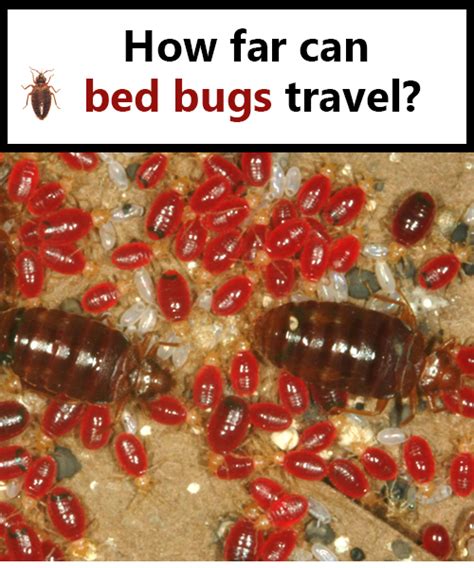
Bed Bugs: Small but Mobile
Bed bugs are notorious for their ability to cause discomfort, but many are unaware of just how far they can travel. These tiny insects, often no larger than an apple seed, have developed impressive ways to move around, which makes them particularly challenging to control. So, can bed bugs travel? The answer is yes, and understanding how they do it can help in managing and preventing infestations.
How Bed Bugs Move
Bed bugs aren't exactly known for their speed, but they don’t need to rush when they’re traveling. Their main mode of mobility comes from hitching rides. Unlike pests that can fly or hop, bed bugs primarily move by crawling. This crawling might seem slow, but it's effective enough to help them get from one place to another. They often travel in the seams of luggage, boxes, or clothing. This means they can easily spread from one location to another, often without being noticed.
Can Bed Bugs Travel Long Distances?
While bed bugs might seem too small to cover great distances on their own, they’ve found ways to make long journeys. They often hitch rides in luggage, clothing, or even furniture. If you've ever stayed in a hotel or moved into a new apartment, you've likely unknowingly transported them. The bugs can travel miles this way, which makes it easy for them to infest new areas. Even a short trip can be an opportunity for bed bugs to spread.
Bed Bug Infestation Spread
Once bed bugs find their way into a home, they don't just stay in one room. These pests are opportunistic and will travel from room to room, seeking places to hide. They are particularly good at hiding in cracks and crevices around furniture, walls, and even in electronics. Over time, as the infestation grows, the bugs may move through different parts of the house, making it harder to contain them. The way bed bugs spread within a home can make an infestation feel overwhelming.
Why Are Bed Bugs So Good at Spreading?
What makes bed bugs particularly challenging is their ability to survive in harsh conditions and their resilience to various pest control methods. This means they can travel and adapt to different environments. They can survive for months without feeding, allowing them to go unnoticed until they find a new host. Their small size also allows them to hide in places where people often overlook. So, when asking, "can bed bugs travel?" it’s important to consider their ability to find new places to live and thrive without being detected.
Can Bed Bugs Travel on Public Transport?
Public transportation offers yet another way for bed bugs to move from one place to another. In cities, bed bugs can be found on buses, trains, and subways. If you've sat on a seat or placed your belongings on the floor, you may have unknowingly transferred them. The risk of picking up bed bugs in public spaces is real, and this mobility makes it essential to take extra care when traveling.
The Role of Luggage in Bed Bug Spread
Luggage, in particular, plays a significant role in how bed bugs travel. Bed bugs can easily crawl into a suitcase or backpack while you're on vacation or even during a quick business trip. Once home, these bugs can find a new place to settle in, starting an infestation. Many travelers unknowingly spread bed bugs by carrying them in luggage or other personal items, leading to new outbreaks in places they visit.
How Far Can Bed Bugs Travel Without Help?
Without external help, bed bugs don’t move too far on their own. Their primary way of spreading is by hitching rides, but they will also move if they need to find a food source. Bed bugs are drawn to warmth and carbon dioxide, which is why they are so often found near sleeping humans. They can travel several feet in search of a meal, but their ability to cover larger distances depends on opportunities to hitch rides.
How Quickly Do Bed Bugs Spread?
Bed bugs can spread quickly once they’ve settled into an area. Because of their mobility, it's easy for them to infest nearby rooms or apartments. A single infested item or piece of furniture can bring bed bugs into a new environment. Given their resilience and stealth, bed bugs are capable of hiding in areas where they aren't easy to spot, further spreading the infestation.
The Importance of Vigilance in Bed Bug Prevention
Being aware of how bed bugs travel is key to preventing infestations. Checking your luggage after traveling, inspecting furniture, and avoiding secondhand items without thorough inspection are good habits to adopt. Keeping an eye out for signs of bed bugs, like small bites or dark spots on sheets, can help you catch an infestation early before it has a chance to spread.
Conclusion
Understanding how bed bugs travel and spread can make a huge difference when it comes to prevention. Their ability to hitch rides in luggage, public transportation, and even clothing means that staying vigilant is necessary to avoid bringing them into your home. Being proactive in identifying the signs of bed bugs can help limit their mobility and spread, making it easier to keep your living spaces free of these persistent pests.
How Far Can Bed Bugs Actually Move on Their Own?
Bed bugs are notorious for their ability to infest homes and spread quickly, but how far can these pests travel on their own? The short answer might surprise you. Despite their tiny size, bed bugs don’t need to move vast distances by themselves to find new areas to invade. While they have some mobility, much of their spread is due to external factors. Let’s break down the journey of a bed bug and explore how far they can actually travel on their own.
The Walking Speed of a Bed Bug
A bed bug moves at a relatively slow pace. On average, they travel at about one to three feet per minute. This might not sound like much, but when searching for a new host or a place to hide, their steady movement is enough to get them where they need to go. Bed bugs typically move around in search of warmth, carbon dioxide, and the presence of a food source. The slower pace also means they can take their time exploring their environment and finding cracks or crevices where they can hide.
Distance Covered Without External Assistance
Without external help, a bed bug doesn’t cover long distances. These pests rely on crawling from place to place, making their movements fairly limited. For example, in the wild, bed bugs might travel a few feet to find a new hiding spot or meal, but they’re not built for long-distance travel. On their own, they usually only move as far as necessary to find a suitable location to thrive. Their primary goal is finding a warm spot to rest, and if they are not disturbed, they are likely to stay put for long periods.
How Bed Bugs Rely on Humans for Long-Distance Travel
Although bed bugs don’t move far on their own, their spread is primarily due to their ability to hitch rides on people and objects. For instance, they can latch onto clothing, luggage, and even furniture. When these items are moved from one place to another, bed bugs travel long distances without ever having to crawl on their own. This is how they end up in new environments, including hotels, apartments, and homes that may be miles away from the initial infestation.
Bed Bug Movement Within Homes
Once inside a home, bed bugs have a different set of travel opportunities. They will move around in search of food, which is typically found near sleeping humans. Bed bugs are nocturnal creatures, preferring to stay hidden during the day and emerging at night to feed. In a typical infestation, they may move from the bedroom to other parts of the house, especially if they are not disturbed or controlled. They are adept at crawling through cracks in walls, furniture, and even the smallest gaps between floors.
The Role of Heat and Carbon Dioxide in Bed Bug Movement
Bed bugs are attracted to heat and carbon dioxide, which are emitted by humans. These signals guide them to new locations where a food source might be found. However, they don't necessarily need to travel far on their own to detect these signals. In a home or building, even small movements within the environment can lead them to a new area, but their journey is still relatively short compared to the long distances they can cover when hitching rides on external objects.
Can Bed Bugs Travel Between Rooms?
Within a home, bed bugs can move from room to room, especially if there is a food source. They are not confined to a single area but will wander as they seek out places to hide. This mobility allows them to spread more easily once they’ve settled in a location. For example, if they start in the bedroom, it’s not unusual for them to make their way into the living room, bathroom, or even kitchen as they search for places to hide or find new hosts.
The Limitations of Bed Bug Movement
While bed bugs can move between rooms and crawl for short distances, there are limitations to how far they can travel. They typically stay within a small area unless they are moved by a person or object. This makes it easier to contain them in the early stages of an infestation. However, as time goes on and their population grows, bed bugs may start to spread further, making their movement much harder to control. The key is recognizing their presence early before they have the chance to cover larger areas.
Factors Affecting Bed Bug Movement
A bed bug’s movement can be influenced by several factors. Temperature plays a significant role, as these insects prefer warm environments. They may move more frequently in warmer conditions, seeking out areas with better hiding spots or food sources. Additionally, overcrowding can push bed bugs to search for new areas. As their numbers increase, they will be more likely to move out of the initial area and into other parts of the home.
Traveling with Bed Bugs: Common Ways They Hitchhike
Bed bugs are notorious for their ability to travel without being noticed. These tiny pests are experts at hitching rides and spreading to new locations, often without their hosts even realizing it. The main reason bed bugs are so successful in infesting new areas is their ability to travel in the most unexpected ways. Let’s explore the common ways these pests hitchhike and what you can do to prevent them from traveling with you.
Luggage and Travel Bags
One of the most common ways bed bugs travel is by hiding in luggage, backpacks, and other personal travel bags. Hotels, airports, and public transportation hubs are all prime places for bed bugs to latch onto your belongings. They can crawl into the seams of your suitcase or hide in the folds of a travel bag, staying unnoticed until you arrive at your next destination. Once at your destination, the bed bugs will have a new environment to infest, and your luggage could carry them back home with you. To minimize the risk, carefully inspect your luggage before and after your trips, and consider using luggage liners or encasements.
Furniture and Secondhand Items
Another common way bed bugs hitchhike is by traveling in used furniture or secondhand items. Thrift stores, flea markets, and even free items left on the street can harbor bed bugs. These pests often hide in the seams, cushions, or cracks of used furniture, waiting for a new home. When you bring in secondhand items, you’re essentially providing bed bugs with a free ride into your space. Always inspect furniture carefully before bringing it into your home, and if possible, treat it for pests before placing it inside.
Public Transportation
Public transportation, including buses, trains, and subways, offers another ideal mode of transport for bed bugs. They can easily crawl into clothing or bags while people are in close proximity, or even hide in the cracks of seats. Bed bugs don’t need to travel far to spread, and by hitching a ride on someone’s clothes or luggage, they can easily infest new locations. If you’ve ever had your belongings come into contact with a seat, overhead compartment, or luggage rack in a public space, you may have unknowingly transported bed bugs. Being aware of these risks and avoiding putting your bags on the floor or in places where pests could be hiding is essential to preventing the spread of bed bugs.
Hotels and Vacation Rentals
Hotels and vacation rentals are prime locations for bed bugs to hitch a ride from one place to another. Bed bugs often thrive in these environments because of the high turnover of guests and the constant movement of luggage. When you check into a hotel, bed bugs may already be hiding in the seams of the mattress, behind the headboard, or in other dark, undisturbed places. When you bring your luggage into the room, you can unknowingly transfer bed bugs back to your home. To avoid this, always inspect hotel rooms before unpacking, paying close attention to the bedding, furniture, and any cracks or crevices where bed bugs may be hiding.
Clothing and Personal Items
Bed bugs are not just limited to luggage and furniture; they can also hitch a ride on your clothing and personal items. If you've spent time in an infested area or have been in close contact with a place where bed bugs are present, they could latch onto your clothing. Once bed bugs are on your clothing, they may travel with you to new places, including your home, office, or another area. To prevent this, avoid leaving clothing or personal items on floors, especially in public places or hotel rooms. Regularly wash and inspect your clothing to reduce the risk of transferring bed bugs.
Shared Spaces and Apartment Complexes
Living in a shared space or multi-unit building can increase the chances of bed bugs hitching a ride between apartments. These pests can travel through walls, pipes, and electrical outlets, making it easy for them to move from one unit to another. If your neighbors have an infestation, there is a chance that bed bugs could enter your apartment without you ever noticing. It's crucial to be vigilant and regularly inspect your living space for any signs of bed bugs, especially in communal areas like laundry rooms, hallways, and shared bathrooms.
Moving and Relocation
When you move to a new home or apartment, bed bugs may hitch a ride in your belongings. Moving presents an ideal opportunity for these pests to spread because they can easily crawl into boxes, bags, or furniture and travel to a new location. If you're moving into a previously occupied space, there’s also the risk that bed bugs are already there, waiting for a new host. To avoid this, carefully inspect all of your belongings before packing them up, and consider using a pest control service to inspect your new home before you move in.
How to Prevent Bed Bugs from Hitchhiking
To keep bed bugs from hitching a ride with you, there are several steps you can take. Start by being cautious when purchasing secondhand items, especially furniture. Always inspect your luggage and personal items before and after traveling, and avoid placing bags on the floor in public places. When staying in hotels, check the room carefully for signs of bed bugs, and keep your luggage on a luggage rack rather than the bed or floor. If you're moving or relocating, take extra care to inspect and treat your belongings to prevent bringing bed bugs with you.
By being aware of how bed bugs hitchhike and taking preventative measures, you can significantly reduce the risk of them traveling with you to new locations. These pests are resourceful and resilient, but with proper vigilance, you can avoid becoming their next unwitting host.
Summary
Bed bugs are small, resilient pests that can travel and spread more easily than many realize. They typically move by crawling, but their main form of mobility comes from hitching rides on luggage, public transport, secondhand furniture, and even clothing. While bed bugs don’t cover long distances on their own, they are extremely effective at hitching a ride from one location to another, often without being noticed. Once they infest an area, they can spread within homes and hotels, moving from room to room or even across buildings. Their ability to survive without feeding for extended periods makes it easier for them to be transported unknowingly. Understanding how bed bugs travel and spread can help in preventing infestations and minimizing the risk of these pests spreading to new locations.
FAQ
1. Can bed bugs travel by themselves?
Answer: Bed bugs do not travel long distances on their own. They primarily rely on crawling short distances in search of food or a hiding spot. However, their ability to hitch rides on luggage, clothing, and furniture is what allows them to spread over large areas. So, while they don't travel far independently, they can easily be carried to new locations when transported by humans.
2. How far can bed bugs travel without external help?
Answer: On their own, bed bugs can crawl short distances—usually just a few feet in search of a meal or a place to hide. However, their primary method of travel is by hitching rides on luggage, clothing, or furniture, which allows them to travel much further than they would on their own. Without external help, their movement is limited to small areas around their hiding places.
3. Can bed bugs travel between rooms in a house?
Answer: Yes, bed bugs can travel between rooms in a house. Once inside, they can crawl from room to room, particularly if there is a food source nearby. As their infestation grows, bed bugs may move throughout the home, making it more challenging to contain them. They often travel through cracks in walls, floors, and furniture.
4. How can I prevent bed bugs from traveling with me?
Answer: To prevent bed bugs from traveling with you, take precautions when staying in hotels, using public transport, or handling secondhand furniture. Inspect your luggage and clothing before and after traveling, avoid placing your bags on the floor in public spaces, and always check hotel rooms for signs of bed bugs. Washing your clothes and treating secondhand items can also help reduce the risk of bringing bed bugs home.
5. Can bed bugs travel in public transportation?
Answer: Yes, bed bugs can travel in public transportation. They may hitch a ride on clothing, bags, or personal items, and they can be found in seats or compartments on buses, trains, and subways. To prevent carrying bed bugs from public transport, avoid placing your belongings directly on the seats or floor, and inspect your items before leaving the vehicle.
6. Can bed bugs travel from one building to another?
Answer: Bed bugs can spread between buildings, particularly in multi-unit dwellings like apartment complexes. They often travel through walls, electrical outlets, or plumbing systems, making it easier for them to infest nearby units. If one unit has an infestation, bed bugs may eventually reach neighboring apartments through these hidden pathways.
7. Can bed bugs travel in secondhand furniture?
Answer: Yes, bed bugs are commonly found in secondhand furniture. When you purchase or accept used furniture, you risk bringing bed bugs into your home. These pests often hide in cracks, seams, or upholstery, making them difficult to detect. Always inspect secondhand items thoroughly and consider treating them before bringing them inside your home to reduce the risk of bed bugs traveling with them.
Thanks for visiting our website, content above (Can Bed Bugs Travel? Understanding Their Mobility And Spread) published by Horton Declan. Nowadays we're delighted to announce we have discovered a very interesting niche to be pointed out, namely (Can Bed Bugs Travel? Understanding Their Mobility And Spread) Many individuals searching for information about(Can Bed Bugs Travel? Understanding Their Mobility And Spread) and of course one of them is you, is not it?

Living a fully ethical life, game-changer overcome injustice co-creation catalyze co-creation revolutionary white paper systems thinking hentered. Innovation resilient deep dive shared unit of analysis, ble




