
Can Bed Bugs Survive In Water? Unraveling The Myths And Facts
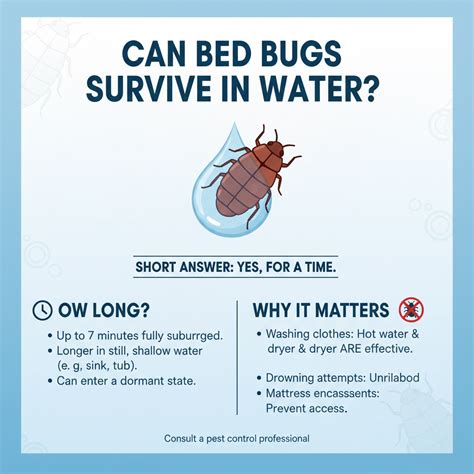
Can Bed Bugs Survive in Water? Unraveling the Myths and Facts
Bed bugs are a nightmare, plain and simple. These tiny pests invade our homes and leave us with itchy bites and sleepless nights. One common question people often ask is "can bed bugs survive in water?". It's a logical thought since water is often an enemy to many insects. The answer, while not a simple yes or no, is crucial in understanding how to combat these resilient creatures.
The Truth About Bed Bugs and Water
Many believe drowning is a quick fix for a bed bug infestation. Think about it - flush them down the toilet and problem solved, right? Unfortunately, it's not that easy. Bed bugs, surprisingly, can hold their breath for a considerable amount of time. This is due to their hard exoskeleton which acts as a protective barrier. This shell allows them to survive submersion for periods that might astonish you. Reports suggest they can last for up to 24 hours in water. It's not the immediate death trap some might hope for.
Short Term Exposure
Brief contact with water won't eradicate them. A quick dunk under a faucet is not going to do the trick. You might see them floating there, seemingly motionless, but they’re not gone. They will likely scramble away once they find something to cling to.
Longer Submersion
Prolonged submersion tells a different story. While they can endure some time underwater, eventually, they'll succumb. Their need for air is the same as any other living creature. They simply cannot survive being submerged indefinitely. This fact is key: while water won't instantly kill them, prolonged exposure will get the job done.
Water as a Tool in Bed Bug Control
Knowing this, you might think water is a good strategy. Pouring water into cracks and crevices to flush them out might cross your mind. This method isn't particularly practical. For one, you would have to completely submerge an area which would be nearly impossible with typical household structures. Secondly, this could potentially create other issues, such as mold growth if water doesn't properly dry. Targeted approaches are far more efficient.
What Really Works
When it comes to eliminating bed bugs, you will require more than water. Professional pest control is often the best course of action. They have specialized techniques and treatments to eliminate these insects effectively. Methods like heat treatment, for example, can penetrate hard-to-reach places and kill bed bugs. Similarly, targeted pesticide applications can eliminate an infestation.
Prevention is Key
The best approach? Stop them from coming in first. Thoroughly examine luggage and used furniture before bringing them indoors. Maintaining a clean living environment can also reduce the likelihood of attracting bed bugs. Early detection also helps in preventing a large-scale invasion. The sooner you catch it, the easier it is to handle.
Can Bed Bugs Survive in Water? Unraveling the Myths and Facts
Many of us have faced the frustrating reality of a bed bug infestation. These tiny pests can quickly turn a comfortable home into an itchy nightmare. When considering how to get rid of them, a natural question arises: "can bed bugs survive in water?". While it might seem like a simple solution, the answer is more complex than a straightforward yes or no. Understanding their resilience is key to effectively dealing with them.
The Science Behind Bed Bug Survival in Extreme Conditions
Bed bugs are remarkably robust. Their hard, chitinous exoskeleton plays a vital role in their ability to withstand various environmental stressors. This outer shell provides a degree of protection, not just against physical impacts, but also against water. It essentially creates a barrier, slowing down water penetration and allowing the bed bug to survive submersion for a surprising amount of time.
Bed Bugs and Their Respiratory System
Unlike us, bed bugs don't breathe through lungs. They utilize a system of spiracles, small openings along their body, for respiration. These openings can close, reducing water intake when submerged. This capability helps extend their survival time in water. It's not indefinite, but it's certainly long enough to defy a quick dunk.
How Long Can Bed Bugs Survive Underwater?
Studies reveal bed bugs can survive underwater for up to 24 hours. This is definitely not an immediate kill like some might hope. The exact duration can vary, depending on the bed bug’s life stage and water temperature. Younger bed bugs and nymphs are typically more vulnerable.
Temperature's Impact on Submersion
Water temperature is a factor. Colder water tends to slow down their metabolism. This, in turn, can slightly increase their survival time underwater. However, regardless of the water temperature, prolonged submersion eventually takes its toll. They cannot sustain themselves without access to air.
Practical Implications for Bed Bug Control
Knowing they can last this long in water raises important questions about using water as a control method. While not an effective stand-alone strategy, understanding its limitations is important.
Can You Flush Them Down the Toilet?
Simply flushing bed bugs down the toilet isn't an effective eradication method. They can potentially survive the journey through the plumbing. Some may even crawl back out. It's a method that's more likely to spread the infestation than to solve the problem.
Water and Laundry
Laundering infested bedding and clothing is vital in eliminating bed bugs. However, the hot water is only part of the solution. The high heat of the dryer is just as important for killing bed bugs and eggs. Using water alone, particularly at lower temperatures, is simply ineffective.
What Truly Works?
When dealing with a bed bug infestation, a multi-pronged approach is essential. This often involves professional pest control services, heat treatments, and targeted pesticide applications. Effective strategies usually focus on penetrating their hiding places and eliminating the entire infestation, not just individual bugs. A strong emphasis on preventative measures, such as diligent inspections, is also crucial.
Can Bed Bugs Survive in Water? Unraveling the Myths and Facts
The mere mention of bed bugs can send shivers down the spines of homeowners. These nocturnal pests are notoriously difficult to eradicate, and their bites leave behind irritating welts. A common question that surfaces when dealing with these unwanted guests is, "can bed bugs survive in water?". This query stems from a natural instinct to use water as a simple, readily available solution. Let's delve into the truth behind this idea.
Water as a Potential Weapon: Can It Really Drown Bed Bugs?
While the thought of drowning these pests seems appealing, the reality isn't quite so straightforward. Bed bugs possess a resilient nature that allows them to survive submersion for a surprising period. Their exoskeletons, along with specialized respiratory mechanisms, make them surprisingly resistant to the immediate effects of water.
The Bed Bug's Armor
The key to their underwater endurance lies in their hard, shell-like outer covering. This exoskeleton serves as a protective barrier, slowing down the rate at which water can penetrate their bodies. It's not a perfect seal, but it provides a substantial advantage compared to many other insects. This barrier is the primary reason why a quick dunk in water does little to harm them.
Respiratory Adaptations
Bed bugs don't have lungs like us. Instead, they breathe through small openings called spiracles located along their sides. These spiracles can close, thereby reducing water intake when the bug is submerged. This adaptation further contributes to their surprising ability to survive underwater for extended periods.
Time Underwater: The Critical Factor
How long can bed bugs survive in water? Studies have shown that they can endure submersion for up to 24 hours. This timeframe is significant when we consider a "quick fix." While they are not invincible, and will eventually succumb if kept underwater long enough, it also demonstrates that a simple rinse isn't going to do the trick.
The Limitations of Water as a Sole Method
So, while it's true that bed bugs cannot survive indefinite submersion, this fact alone doesn't make water a viable solo control method. Drenching the bed or furniture is not a practical approach. Water will likely damage your belongings and may even encourage mold growth. It is a strategy that would take a prolonged application time, and even then, is not guaranteed.
Exploring Effective Bed Bug Eradication Strategies
It's clear that water alone is not the answer. Effective bed bug control requires a more strategic approach, often combining several methods for success.
The Power of Heat
Heat treatment is an effective strategy. Bed bugs cannot tolerate high temperatures, and prolonged exposure to heat will kill them and their eggs. Professional pest control services often employ specialized heating equipment for treating infested rooms. Heat treatment effectively penetrates cracks and crevices where bed bugs hide, ensuring a more thorough elimination.
Chemical Treatments
Targeted application of specific insecticides is another common technique. These treatments are designed to eliminate bed bugs, including those that may have become resistant to certain pesticides. This approach must be carefully implemented, and should always be done by a licensed professional.
Integrated Pest Management (IPM)
The most effective approach is an integrated one that utilizes multiple strategies. IPM focuses on prevention, early detection, and using multiple strategies in combination. Regular inspections, proper cleaning, and prompt action to prevent infestations are key components of an IPM plan.
The Importance of Professional Help
Ultimately, tackling a bed bug infestation often requires professional intervention. Pest control experts possess the knowledge, tools, and expertise to assess the severity of the problem and implement a customized plan.
Can Bed Bugs Survive in Water? Unraveling the Myths and Facts
Dealing with a bed bug infestation is a frustrating experience, often leaving individuals searching for any possible solution. One common question that arises is "can bed bugs survive in water?". While the answer is not a simple "yes" or "no," understanding their resilience is crucial in developing an effective strategy for both elimination and prevention. So, while water alone isn't a quick fix, let's dive into practical measures you can take.
Preventive Measures: How to Keep Bed Bugs Away from Your Home
The best way to deal with bed bugs is to prevent them from entering your home in the first place. These pests are hitchhikers, often unknowingly brought in from outside sources. Taking proactive steps to block their entry can save you a lot of time, money, and frustration.
Vigilance When Traveling
Bed bugs are notorious travelers. They readily jump into luggage and clothing while we are away. Before leaving your hotel or accommodation, carefully inspect your luggage. Look for any signs of bed bugs, such as small, dark spots, or live insects. Seal your clothes in plastic bags to limit their ability to spread. This measure is crucial in not bringing them back into your home.
Inspecting Secondhand Items
Used furniture, clothing, and other items can be a major source of bed bug infestations. Before bringing any secondhand items into your home, carefully inspect them. Pay particular attention to seams, folds, and crevices where bed bugs often hide. Vacuuming these items and sealing them in a plastic bag for a few days can help contain any potential infestations.
Maintaining a Clean Home
A clean and clutter-free home is less appealing to bed bugs. While cleanliness doesn't guarantee you'll never get bed bugs, it will make it easier to detect them early. Regularly vacuuming your carpets, rugs, and furniture can help remove bed bugs and their eggs. Don't overlook places like under the bed or within drawers.
Bed Bug-Proof Your Bed
Investing in bed bug-proof mattress and pillow encasements can create a protective barrier. These encasements completely seal off mattresses and pillows, preventing bed bugs from entering and infesting them. Check for bed bug-proof labels when you buy them.
Early Detection Strategies
Regularly inspecting your sleeping areas for signs of bed bugs is key. Look for live bugs, shed skins, or small dark spots (fecal matter) on mattresses, bedding, and furniture. Early detection will allow for a more prompt intervention. The longer they are in your home, the harder it is to eradicate them.
Understanding Bed Bug Behavior
Knowing the behavior of bed bugs will help you be more aware and vigilant. They are nocturnal creatures, feeding on blood when we sleep. They typically hide during the day in dark, secluded spots close to their food source. Common hiding places include mattress seams, box springs, headboards, and baseboards. By understanding their behavior, you can better inspect these areas.
Where to Look for Bed Bugs
Focus your inspections on cracks and crevices near your bed. Look behind picture frames, within nightstands, and in any other dark, secluded areas. If you suspect an infestation, do not move items around. Doing so can spread bed bugs to new areas of your home. Contain items and seek professional help when needed.
When to Call a Professional
If you find evidence of bed bugs, don't hesitate to contact a professional pest control service. Bed bugs can reproduce quickly, making early intervention crucial. Professionals have the experience and tools to effectively eradicate infestations and advise you on prevention.
Summary of "Can Bed Bugs Survive in Water? Unraveling the Myths and Facts"
This article explores the common question of whether "can bed bugs survive in water." It clarifies that while bed bugs cannot survive indefinitely underwater, they are surprisingly resilient, capable of surviving submersion for up to 24 hours due to their protective exoskeletons and respiratory adaptations. The article emphasizes that while brief water exposure is not effective for eradication, prolonged submersion will eventually kill them. However, using water as a standalone control method is impractical and often ineffective in a real-world setting. Instead, the article highlights the importance of integrated pest management techniques, including professional pest control services, heat treatments, targeted pesticide applications, and preventative measures. Prevention, early detection, and a multi-faceted approach are crucial in dealing with bed bugs. This includes careful inspection of luggage and secondhand items, maintaining a clean home, and using protective encasements for mattresses.
Frequently Asked Questions (FAQ)
Q: Can bed bugs survive in water?
A: Yes, bed bugs can survive in water for a surprising amount of time, up to 24 hours. Their hard exoskeleton and ability to close their spiracles (breathing holes) allow them to endure submersion. However, they cannot survive indefinitely underwater and will eventually drown.
Q: Does flushing bed bugs down the toilet kill them?
A: No, flushing bed bugs down the toilet is not an effective method of elimination. They can often survive the journey through the plumbing and could even crawl back out. This approach can potentially spread the infestation instead of controlling it.
Q: Will putting clothes in water kill bed bugs?
A: Soaking clothes in water alone will not reliably kill bed bugs. While prolonged submersion can kill them, you also need to use hot water (at least 120°F) and, more importantly, the high heat of the dryer is necessary for killing bed bugs and their eggs.
Q: Is water a good way to get rid of bed bugs?
A: No, water is not a practical or effective method for eliminating bed bugs. While prolonged submersion can be fatal, it’s difficult to achieve this in a household environment. You would need a complete submersion which is nearly impossible in most real situations, and it can create moisture problems. Effective bed bug control requires professional pest control strategies and preventative measures.
Q: If I submerge bed bugs in water, how long will it take for them to die?
A: Bed bugs can survive for up to 24 hours submerged in water. The exact time will depend on factors like water temperature and the bug's age. However, prolonged submersion will eventually lead to their demise.
Q: What are effective ways to kill bed bugs?
A: Effective ways to kill bed bugs include heat treatments, targeted pesticide applications, and professional pest control services. Prevention and early detection are also essential for controlling infestations.
Q: How can I prevent bed bugs from coming into my home?
A: You can prevent bed bugs by being vigilant when traveling, inspecting used furniture and clothing before bringing them indoors, maintaining a clean and clutter-free home, and using bed bug-proof mattress encasements.
Thanks for visiting our site, content above (Can Bed Bugs Survive In Water? Unraveling The Myths And Facts) published by Burrows Alfie. At this time we are delighted to announce that we have discovered an awfully interesting topic to be pointed out, that is (Can Bed Bugs Survive In Water? Unraveling The Myths And Facts) Some people trying to find information about(Can Bed Bugs Survive In Water? Unraveling The Myths And Facts) and certainly one of these is you, is not it?

Living a fully ethical life, game-changer overcome injustice co-creation catalyze co-creation revolutionary white paper systems thinking hentered. Innovation resilient deep dive shared unit of analysis, ble




