
Can Bed Bugs Live Outside?
While they definitely thrive in the cozy confines of our homes, their ability to survive outside isn't entirely impossible. Several factors determine if bed bugs can survive and reproduce outside: While not their preferred environment, here are specific locations where you might find bed bugs outdoors: Understanding that can bed bugs live outside is more nuanced is crucial for effective pest management. While bed bugs aren't designed for outdoor survival, research suggests they can, under specific conditions, endure periods of time outside
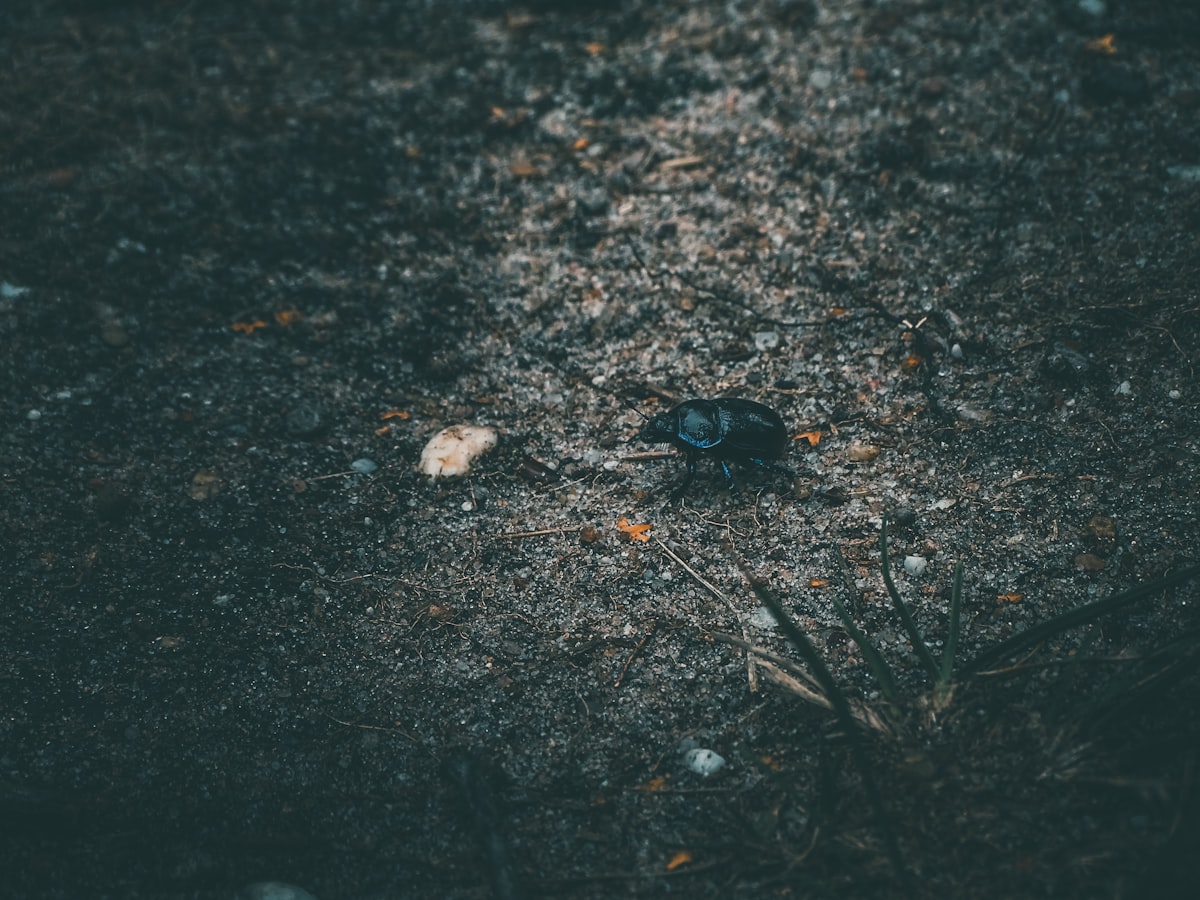
Can bed bugs live outside?
Bed bugs are often thought of as indoor pests, the kind that haunt our mattresses and couches. The truth is, their adaptability might surprise you. While they definitely thrive in the cozy confines of our homes, their ability to survive outside isn't entirely impossible.
The Great Outdoors and Bed Bugs: A Mismatch?
Climate Challenges
These insects aren't exactly built for the rugged life. They prefer stable, temperate conditions, making the fluctuating temperatures of the outdoors a tough challenge. Direct sunlight? That's not exactly bed bug's favorite thing, often leading to dehydration and death.
Finding Food Sources
Bed bugs rely on a blood meal for survival, and humans are their preferred dinner choice. Outdoors, locating a consistent source of human blood becomes a major hurdle. It's not like they can just stroll up to a picnic blanket.
Limited Hiding Spots
In our homes, bed bugs have plenty of crevices – behind picture frames, under baseboards, within furniture – to call their own. Finding similar protective spaces in nature can be more difficult. Leaf litter, tree bark, and abandoned animal dens might offer some respite, but they often expose them to other predators.
When Outdoor Survival is Possible
Temporary Habitations
While long-term outdoor living is difficult, bed bugs might survive briefly in some circumstances. If infested furniture is moved outside, a few stragglers might linger. Similarly, items stored in sheds or garages with bed bug infestations could harbor these pests for a short period.
Hitchhiking in Nature
Sometimes, bed bugs manage to hitchhike on things like clothing, backpacks, and even camping gear. This could indirectly introduce them to outdoor areas. Still, these situations usually are more of a transit route instead of permanent establishment for the bugs.
Specific Niche Habitats
Some bed bugs have been found nesting in bird nests or bat roosts. However, these are specific circumstances, and the species involved aren't typically the ones plaguing our homes. The "human" bed bug is not as adaptable to these types of habitats.
So, Can They?
So, can bed bugs live outside? Technically, yes, under very specific circumstances. But it's not their ideal environment. They vastly prefer the predictable comfort of our homes, and that’s where they'll cause most of their troubles.
Survival Tactics: How Bed Bugs Thrive Outdoors
Understanding the Limitations of the Great Outdoors
Can bed bugs live outside? While their notoriety is primarily linked to indoor infestations, the reality is more nuanced. Bed bugs are not inherently outdoor creatures. Their biology and survival strategies are optimized for the warm, dark, and resource-rich environment of our homes. However, under certain conditions, these resilient pests can, and do, manage to exist, and even thrive, outside. The key isn't so much their preference, but their ability to adapt to a range of circumstances.
The Role of Opportunity and Transportation
Bed bugs don't typically wander into the garden looking for a good time. Their presence outdoors is almost always a result of a human-mediated transport. Infested furniture, mattresses, and other belongings moved outside become instant bed bug havens. This temporary relocation doesn't kill the bugs; it simply moves their habitat. They will readily settle into cracks, crevices, under loose bark, in stacked wood, and even bird nests, if given the chance.
Ideal Outdoor Conditions for Bed Bugs
While the open air isn't their first choice, certain outdoor settings can provide suitable conditions for bed bugs to establish themselves. Sheltered areas, like sheds, garages, and under porches, offer protection from the elements and predators. These spaces often accumulate discarded items, providing ample hiding spots and potential food sources if the structures happen to adjoin inhabited areas. Additionally, areas with dense vegetation or leaf litter can create a microclimate with higher humidity and lower temperature fluctuations, factors that promote bed bug survival.
The Importance of Shelter and Consistent Food Sources
Bed bugs rely on regular access to a blood meal to survive and reproduce. Outside, they might target animals, like rodents and birds, or even pets that spend time outdoors. However, consistent access to food is critical. The further they are from a reliable blood source, the less likely they are to thrive. The ability to find suitable hiding places further determines their success. Without shelter from sun, wind, and predators, outdoor bed bugs will quickly succumb.
Bed Bug Behavior: Adapting to External Challenges
Outdoor bed bugs must also cope with more variable conditions than their indoor counterparts. Fluctuating temperatures, humidity levels, and the presence of natural predators require them to be opportunistic and adaptable. They might burrow deeper into available crevices, become more active during cooler periods, and even enter a state of diapause, a dormancy period, to survive unfavorable conditions. However, this adaptation, while possible, typically results in much slower reproduction rates outside.
Limited Lifespans and Population Growth Outdoors
Even with adaptation, bed bugs living outdoors generally have a shorter lifespan than those indoors. The harsher environment, coupled with the greater difficulty in locating consistent food sources, means that outdoor populations tend to be smaller and more localized than inside a warm and welcoming house. While they might survive, they rarely achieve the same levels of infestation found within residential structures.
Practical Implications and Prevention
Understanding that bed bugs can live outside, albeit with limitations, has important practical implications. Discarding infested furniture or belongings outdoors doesn't necessarily solve the problem; it may simply relocate it. Always treat items before disposal. Be mindful of bringing outdoor objects inside, as they may be carrying bed bugs. Regular inspection of areas near your home for signs of these pests and their preferred habitats is crucial. While less common than indoor problems, outdoor bed bug populations present a risk that should not be ignored.
Outside the Box: Uncovering Bed Bugs' Hidden Habitats
Can Bed Bugs Live Outside? The Surprising Truth
The common understanding is that bed bugs are strictly indoor pests, lurking in mattresses and furniture. However, the question of "can bed bugs live outside" is more complex than a simple yes or no. While they thrive in human-dominated environments, bed bugs are surprisingly adaptable. Let's delve into where these resilient creatures might be found outdoors.
Factors Influencing Outdoor Survival
Several factors determine if bed bugs can survive and reproduce outside:
- Temperature: Bed bugs are sensitive to extreme temperatures. They prefer moderate climates, and prolonged exposure to freezing or scorching temperatures can be fatal. This makes outdoor survival in many regions challenging during certain times of the year.
- Shelter: Bed bugs require protected spaces to hide from predators and the elements. Leaf litter, cracks in walls, and under loose bark can offer temporary refuge. However, they lack the natural defenses of many other insects and are vulnerable in exposed locations.
- Food Source: Their primary food source is human blood. Outdoor locations need to be in close proximity to areas with human activity for bed bugs to survive long-term. This means picnic areas, outdoor seating, and areas near heavily populated buildings are potential spots.
- Humidity: Bed bugs require a certain level of humidity to avoid desiccation. Dry outdoor conditions can prove difficult for their survival.
Where Might You Find Bed Bugs Outdoors?
While not their preferred environment, here are specific locations where you might find bed bugs outdoors:
- Near Buildings: Areas immediately surrounding buildings, particularly near entrances and windows, might harbor bed bugs that have migrated from inside.
- Public Transportation Hubs: Bus stops, train platforms, and benches can act as temporary havens for bed bugs dropped from infested belongings.
- Outdoor Seating Areas: Parks, patios, and picnic areas with seating, especially if near populated areas, can provide a temporary resting place.
- Discarded Furniture: Mattresses, couches, and other upholstered furniture left outside can be infested with bed bugs that move out of necessity.
- Bird Nests: In some cases, bed bugs have been found living in abandoned bird nests near buildings, although this is less common and relies on close proximity to a food source.
The Importance of Understanding Outdoor Habitats
Understanding that "can bed bugs live outside" is more nuanced is crucial for effective pest management. While an infestation usually starts indoors, bed bugs can exploit various outdoor spaces, making it more difficult to control the spread. Knowing where they might be allows for a more comprehensive approach to prevention and elimination.
The Great Escape: Do Bed Bugs Really Need Indoors to Survive?
Can Bed Bugs Live Outside?
The persistent and often unwelcome presence of bed bugs in our homes has sparked countless questions, particularly about their survival strategies. A common query is whether these tiny bloodsuckers can truly survive outside. The answer, unfortunately, is more nuanced than a simple yes or no.
Understanding Bed Bug Biology
Bed bugs, Cimex lectularius, are primarily known as indoor pests. Their evolutionary history and physiology are well-suited for feeding on warm-blooded hosts within the sheltered environments of human dwellings. They thrive in conditions of consistent warmth and humidity, readily available in human habitats.
Outdoor Tolerance and Survival
While bed bugs aren't designed for outdoor survival, research suggests they can, under specific conditions, endure periods of time outside. Their survival hinges on several factors.
Crucial Factors Influencing Outdoor Survival
- Temperature: Extreme temperatures, both high and low, can significantly impact bed bug survival. Freezing temperatures can quickly kill them, while prolonged periods of intense heat can also prove detrimental. Moderate temperatures and humidity are key factors.
- Moisture: Consistent moisture is essential for bed bugs, regardless of their location. Finding shelter from the elements, such as under rocks, tree bark, or debris, is crucial for retaining moisture. In arid climates, survival becomes markedly more challenging.
- Food Source: A significant aspect of survival involves access to blood meals. Outdoor survival depends on the availability of a suitable host animal, which varies widely depending on the climate and region.
- Protection from Predators: Natural predators, such as birds and insects, can significantly affect bed bug populations in outdoor environments. Finding suitable hiding places is important for avoiding predation.
- Shelter: Finding shelter from the elements is critical. Whether it's under rocks, tree bark, or debris, a protected area can significantly increase their chance of survival.
The Importance of Habitat Selection
The type of outdoor environment plays a role in bed bug survival. Urbanized areas with higher temperatures and consistent humidity can be more conducive to their survival compared to harsh, arid landscapes or freezing regions. The availability of microhabitats also contributes to survival.
Implications for Prevention
Understanding bed bug survival outside is crucial for effective pest control strategies. Though outdoor populations aren't usually the primary concern, it highlights the importance of addressing the possible sources and potential routes of entry into indoor environments.
Further Research Needed
While some understanding exists about the outdoors, further research is crucial for a more complete picture of bed bug resilience in various outdoor settings. This research could identify specific conditions under which bed bugs thrive and identify strategies for mitigating potential outdoor populations.
Here you are at our website, content above (Can Bed Bugs Live Outside?) published by Foster Jack. At this time we are excited to declare that we have found an incredibly interesting content to be discussed, that is (Can Bed Bugs Live Outside?) Many people looking for details about(Can Bed Bugs Live Outside?) and definitely one of these is you, is not it?

Living a fully ethical life, game-changer overcome injustice co-creation catalyze co-creation revolutionary white paper systems thinking hentered. Innovation resilient deep dive shared unit of analysis, ble




