
Can Bed Bugs Live In Water? Exploring The Survival Abilities Of Bed Bugs
High humidity, while not directly submersion, helps bed bugs maintain hydration, aiding their survival and reproduction. While bed bugs can't live indefinitely underwater, understanding their relationship with water offers some avenues for prevention and control. While bed bugs cannot breathe underwater and will eventually drown, the time it takes varies depending on factors like water temperature and the bug's size
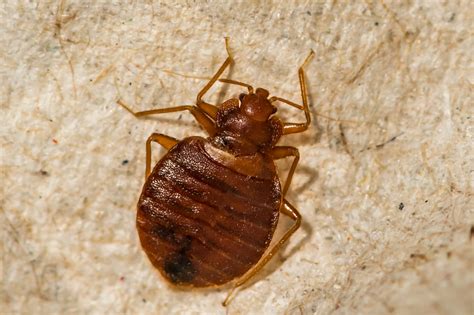
Can Bed Bugs Live in Water? Exploring the Survival Abilities of Bed Bugs
Drowning Doesn't Always Mean Dead
Bed bugs, those tiny nocturnal vampires, are surprisingly resilient creatures. Their survival depends on a lot of things, and water is a big one. You might think a quick dunk would do the trick, but it's not quite that simple. Their ability to withstand submersion is a fascinating aspect of their biology, affecting how we approach infestations.
How Long Can They Survive Underwater?
The truth is, they can't breathe underwater. That seems obvious, but it's crucial to understand their limitations. A fully submerged bed bug will eventually suffocate. The exact time depends on factors like the water temperature and the bug's size. Colder water slows their metabolism, potentially extending their underwater time.
A Matter of Minutes or Hours?
While some sources suggest a few minutes, others point to a much longer period, maybe even a couple of hours. It’s a complex interplay of factors making definitive answers tricky. It's not a guaranteed kill method, putting a damper on any quick DIY solutions involving submersion.
Beyond Simple Submersion: Water's Role in Infestations
Water's impact goes beyond simple drowning. Think about damp environments – moisture in cracks and crevices provides ideal conditions for bed bug survival. They thrive in humidity, and while they won't swim around like little aquatic creatures, moisture helps their eggs hatch, and generally improves their chances.
Humidity: A Secret Weapon?
High humidity is their secret weapon. It keeps them hydrated and slows dehydration which would otherwise kill them. This ability to tolerate varying levels of moisture helps them endure a wide range of environmental conditions. This is why thorough drying of affected areas is a crucial part of bed bug control strategies.
Flooding and Infestations
While a flood might seem like a potential solution, the reality is more nuanced. While some might perish, many will likely find refuge in higher, drier areas of a room or building. Many will survive the flood, simply waiting for the waters to recede. Effective flood cleanup must consider this persistent survival trait.
Practical Implications: Control and Prevention
Understanding their water tolerance has real-world implications for pest control. Simple methods like submerging infested items might be inadequate. We need a more comprehensive approach.
Beyond the Bath: Effective Control Measures
This means focusing on methods like heat treatment, specialized insecticides, and professional extermination. These are far more reliable for eradication than hoping for a water-based solution. Don't rely on drowning; effective control strategies should encompass several key approaches.
Prevention is Always Better
Preventing an infestation in the first place remains the most effective strategy. Regular inspections, diligent cleaning, and using protective mattress encasements are far more effective in the long run than trying to drown bed bugs after the problem has escalated.
Can Bed Bugs Live in Water?
How Long Can Bed Bugs Survive When Submerged?
Bed bugs, those tiny nocturnal pests, aren't exactly known for their aquatic abilities. The question of how long they can survive submerged in water is a common one, especially for those battling infestations. The answer, unfortunately, isn't a simple "yes" or "no," or even a specific timeframe.
Factors Affecting Survival Time
Several factors influence how long a bed bug can remain underwater before succumbing. Water temperature plays a significant role. Colder water slows their metabolism, potentially prolonging their survival. Conversely, warmer water accelerates their demise. The size and age of the bed bug are also relevant. Smaller, younger bed bugs may be more vulnerable to drowning than larger, more mature ones.
The Unpredictable Reality
While some sources suggest a few minutes is all it takes, others claim it could be hours. There’s no single definitive answer. This variability makes relying solely on submersion as a control method unreliable. Testing has yielded wildly different results depending on the conditions.
Beyond Simple Drowning: The Bigger Picture
While submersion might kill some bed bugs, it's not a practical or effective solution for a full-blown infestation. The focus should be on broader pest control strategies, and not simply hoping to drown them. This is crucial to remember.
Effective Infestation Control
Effective infestation control requires a multi-pronged approach. This often includes heat treatments, insecticide application, and thorough cleaning. These methods are far more likely to eradicate an infestation than simply trying to drown them.
Can Bed Bugs Live in Water?
The Science Behind Bed Bugs and Their Water Resistance
The question of whether bed bugs can live in water isn't a simple yes or no. It's a complex issue involving their physiology and the environmental conditions they face. Their survival underwater is not about swimming or thriving in water, but about resisting it long enough to find a better environment.
Respiratory System and Submersion
Bed bugs breathe through spiracles, small openings along their bodies. These spiracles are vulnerable to water, leading to drowning if submerged for a prolonged period. However, the time it takes for drowning to occur depends on various factors.
The Role of Water Temperature and Bug Size
Colder water slows down their metabolic processes, meaning they may consume oxygen at a slower rate, potentially extending their underwater survival time. Smaller bed bugs might be more susceptible to rapid drowning than larger ones due to their smaller oxygen reserves.
Beyond Drowning: Water's Indirect Impact
Water's impact on bed bugs extends beyond simply drowning them. Moisture plays a crucial role in their lifecycle. High humidity, while not directly submersion, helps bed bugs maintain hydration, aiding their survival and reproduction. Damp environments, therefore, are highly conducive to their survival and infestation growth.
Humidity and Egg Survival
High humidity significantly affects egg hatching rates. Moist environments provide the ideal conditions for eggs to develop successfully. Combating this requires not just removing standing water but also reducing humidity in infested areas through proper ventilation and dehumidification.
Practical Implications for Infestation Control
Understanding the nuances of bed bug's relationship with water informs effective control methods. Simple submersion isn't a guaranteed solution, and more comprehensive approaches are needed for successful eradication. Strategies such as heat treatments, specialized insecticides, and thorough cleaning become paramount.
Can Bed Bugs Live in Water?
Preventive Measures: Using Water to Combat Bed Bug Infestations
While bed bugs can't live indefinitely underwater, understanding their relationship with water offers some avenues for prevention and control. It's important to remember that water alone isn't a solution, but it can be a part of a larger strategy.
Cleaning and Hygiene: A First Line of Defense
Maintaining a clean and dry environment is crucial in preventing bed bug infestations. Regular vacuuming, especially in areas where bed bugs are likely to hide, helps remove eggs, nymphs, and adult bed bugs. Properly washing bedding, clothing, and other potentially infested items in hot water further reduces the likelihood of infestation.
The Importance of Thorough Drying
Drying affected items thoroughly in a hot dryer is essential to kill any surviving bed bugs or eggs. Air drying may not be sufficient to kill all stages of bed bugs. This step is crucial to breaking the life cycle.
Targeted Water Use: Limitations and Cautions
While the use of water in cleaning is a helpful preventative measure, direct submersion of infested items isn't an effective stand-alone eradication method. It might kill some bed bugs, but it's not a guaranteed solution, and many will likely survive.
Steam Cleaning: A More Effective Approach
Steam cleaning can be more effective than simply submerging items in water. The high heat of steam kills bed bugs and their eggs more reliably than submersion alone. It's particularly useful for treating mattresses, furniture, and carpets.
Professional Pest Control: The Comprehensive Solution
For significant infestations, professional pest control is usually necessary. Professionals use a combination of methods, including insecticides and heat treatments, to completely eradicate infestations. Relying solely on water-based methods is unlikely to achieve full eradication.
Summary of "Can Bed Bugs Live in Water? Exploring the Survival Abilities of Bed Bugs"
This article explores the complex relationship between bed bugs and water. While bed bugs cannot breathe underwater and will eventually drown, the time it takes varies depending on factors like water temperature and the bug's size. Simply submerging infested items is therefore not a reliable eradication method. The article emphasizes that while water plays a role in cleaning and preventative measures (like washing bedding in hot water and steam cleaning), it's not a sufficient solution on its own. High humidity, however, can significantly aid bed bug survival and reproduction. Ultimately, successful bed bug control necessitates a multi-pronged approach including heat treatments, insecticides, and thorough cleaning, making the question "can bed bugs live in water?" more nuanced than a simple yes or no. The article highlights the importance of preventative measures and professional pest control for effective eradication.
FAQ: Can Bed Bugs Live in Water?
Q: Can bed bugs live in water?
A: Bed bugs cannot breathe underwater and will eventually drown. However, the time it takes varies depending on factors such as water temperature and the size of the bed bug. Simply submerging them is not a reliable method for eradication.
Q: How long can a bed bug survive underwater?
A: There's no definitive answer. Some studies suggest a few minutes, while others indicate it could be several hours depending on the temperature of the water and size of the bed bug.
Q: Can I drown bed bugs to get rid of an infestation?
A: No. While submerging some items might kill a few bed bugs, it's not a reliable method for eliminating an infestation. Many bed bugs will survive, and this method doesn't address eggs or bed bugs hiding in inaccessible areas.
Q: Does humidity help bed bugs survive?
A: Yes. High humidity provides ideal conditions for bed bug survival and reproduction because it helps them stay hydrated and improves egg hatching rates. Controlling humidity is therefore a crucial part of a comprehensive pest control strategy.
Q: What's the best way to get rid of bed bugs?
A: A multi-pronged approach is most effective. This usually includes thorough cleaning, heat treatments, the use of specialized insecticides, and potentially professional pest control services.
Q: Can I use water to prevent bed bug infestations?
A: Regular cleaning, washing bedding in hot water, and steam cleaning can help prevent infestations by removing bed bugs and eggs. However, this is a preventative measure, not a solution for an existing infestation.
Thanks for visiting our site, article above (Can Bed Bugs Live In Water? Exploring The Survival Abilities Of Bed Bugs) published by Price Daniel. Hodiernal we're delighted to declare that we have found an awfully interesting content to be reviewed, namely (Can Bed Bugs Live In Water? Exploring The Survival Abilities Of Bed Bugs) Many people attempting to find info about(Can Bed Bugs Live In Water? Exploring The Survival Abilities Of Bed Bugs) and certainly one of these is you, is not it?

Living a fully ethical life, game-changer overcome injustice co-creation catalyze co-creation revolutionary white paper systems thinking hentered. Innovation resilient deep dive shared unit of analysis, ble




