
Ultimate Guide To Building Bunk Beds
If youâre considering building your own, youâll need a solid set of bunk beds plans to get started. To ensure the safety of your bunk bed, make sure the frame is securely constructed using high-quality materials like hardwoods or thick metal. Always follow your bunk beds plans carefully and perform safety checks like tightening loose screws or bolts and checking the mattress fit regularly
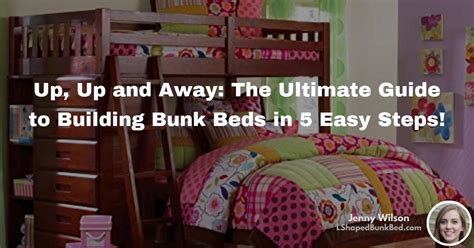
Why Choose Bunk Beds?
Bunk beds are a great way to maximize space, whether you're outfitting a child's bedroom or looking for a functional solution in a small home or dorm room. They’re practical, versatile, and can even be an exciting addition to a playroom. If you’re considering building your own, you’ll need a solid set of bunk beds plans to get started.
With the right designs, bunk beds can be customized to fit any room, be it large or small. They can also cater to different needs, from simple frames to elaborate structures featuring storage, desks, or even built-in lighting. The possibilities are endless when you have the right blueprints.
Types of Bunk Beds
When it comes to designing bunk beds, there are numerous options to consider. Do you want traditional stacked beds, or are you more interested in a lofted design with a play area or desk underneath? Some plans even offer modular designs, so you can adjust the beds as your space or needs change over time.
Standard Bunk Beds
These are the most traditional kind of bunk beds, where one bed sits directly above the other. They’re compact, affordable, and easy to build with the right bunk beds plans. If you’re limited on space, this option works best.
Lofted Bunk Beds
For rooms with higher ceilings or those looking to make more room for other activities, lofted bunk beds are ideal. These beds elevate the sleeping area, allowing for extra storage, a study desk, or even a reading nook underneath.
Triple Bunk Beds
In homes with more than two kids or shared rooms, triple bunk beds can be a great space-saving option. These can be designed in various ways, from stacked designs to L-shaped configurations, ensuring every inch of space is maximized.
Materials Needed for Building Bunk Beds
Choosing the right materials is key to constructing sturdy, safe, and long-lasting bunk beds. Typically, you'll need:
- Wood (usually pine, oak, or plywood)
- Screws or bolts
- Sandpaper or wood finish
- Paint or stain (optional)
- Mattress supports (slats or a solid surface)
These materials will vary depending on your plans, but wood is the primary material used in most bunk bed designs.
Preparing Your Workspace
Before starting construction, make sure you have a clean and well-organized space. You’ll need room to measure and cut wood, as well as tools for assembly. A workbench, measuring tape, saw, and drill will be essential. If you’re working with a power saw, be sure to take proper safety precautions.
Following Bunk Beds Plans: Step by Step
Once you have your materials and workspace set up, it's time to dive into building. Following clear and detailed bunk beds plans ensures the project goes smoothly and helps avoid costly mistakes. Most plans will guide you through the process of assembling the frame, building the ladder, and setting up the support for the mattresses.
Building the Frame
Start by constructing the outer frame, ensuring everything is square and aligned. This step is crucial to ensure the safety and stability of the bunk bed. Once the frame is complete, secure it with screws or bolts for added strength.
Adding the Ladder
Depending on the design you choose, building the ladder might be a simple task or one that involves additional support. Some bunk bed plans include a built-in ladder, while others might have a removable one. Either way, make sure it’s sturdy enough to support the weight of anyone climbing it.
Mattress Support
Once the frame and ladder are in place, it's time to set up the mattress supports. This could involve placing slats across the frame or using a solid surface. The mattress support must be strong and durable to avoid sagging or collapse.
Customizing Your Bunk Bed
After the bed is built, you can add your own personal touches to make it unique. Adding a fresh coat of paint or stain is an easy way to give the bed some personality, while extra features like built-in shelves or a small desk can make the bed more functional. The possibilities are only limited by the bunk beds plans you choose to follow.
Storage Features
Many bunk bed plans incorporate storage features, like drawers built into the steps of the ladder or under-bed storage for toys, clothes, or bedding. This can be a lifesaver in smaller rooms where space is at a premium.
Safety Features
Don’t forget about safety. Installing guardrails along the top bunk is essential to prevent any falls. Make sure the ladder is securely attached and easy to climb. Consider reinforcing the frame for added stability, especially if the bed will be used by children.
Final Touches
Once your bunk bed is built and the basics are in place, it’s time to add bedding and decorations. Comforters, pillows, and blankets can bring the bed to life. You can also hang some fun wall art or add a small light fixture for reading.
Building your own bunk bed not only saves you money, but it also gives you the chance to create something custom that fits your space perfectly. With the right bunk beds plans, you can transform any room into a functional, cozy area that everyone will enjoy.
Choosing the Right Materials for Your Bunk Bed
When building a bunk bed, selecting the appropriate materials is crucial not only for the bed's durability but also for its aesthetic appeal and safety. The materials you choose can affect the structure, weight, and overall appearance of the bed. Whether you're going for a classic wooden design or a more modern, industrial look, choosing the right components is essential for ensuring your bunk bed lasts.
Wood vs. Metal: Which is Better?
The decision between wood and metal is often the first consideration when selecting materials. Both options come with their own set of advantages, depending on the style and function you want for your bunk bed.
Wood
Wood is the most popular choice for bunk beds due to its warmth and versatility. It can be stained or painted to suit any style, from rustic to contemporary. Some common wood types used for bunk beds include:
- Pine: Affordable, lightweight, and easy to work with, pine is a great choice for a DIY project. However, it can be softer and more prone to dents and scratches.
- Oak: A durable and sturdy option, oak offers a classic, solid feel. It’s heavier and more expensive but provides a higher quality structure that can last for years.
- Plywood: Often used for slats or the bed frame itself, plywood is relatively inexpensive and strong. It’s perfect for creating sturdy surfaces while keeping costs down.
Wooden bunk beds tend to have a more traditional, warm aesthetic and are easier to customize, allowing you to add intricate detailing or carvings if you like.
Metal
Metal bunk beds are often chosen for their industrial look and durability. Made from steel or iron, these frames can be incredibly strong and are less likely to warp over time. Metal bunk beds are easy to maintain, requiring little more than occasional cleaning to prevent rust. Some common types of metal finishes include powder coating, which adds an extra layer of protection, and chrome plating for a sleek, modern finish.
Metal tends to be cooler in appearance and works well in modern or minimalist rooms. They also often feature a more compact design compared to wood, making them great for smaller spaces.
Strength and Durability: Key Considerations
When selecting materials for your bunk bed, strength and durability are paramount, particularly if the bed will be used by children. You’ll need materials that can withstand the pressure of two people sleeping on them every night. Be sure to choose materials that can handle heavy loads and provide a stable sleeping platform.
For wooden beds, choose high-density hardwoods or well-constructed plywood for the slats and frame. If opting for metal, ensure the metal gauge is thick enough to support weight without bending. A sturdy foundation is crucial for both safety and comfort, so don’t compromise on material quality.
Sustainability and Environmental Impact
More homeowners are considering the environmental impact of the materials they choose for their DIY projects. If you're looking for eco-friendly options, you might want to consider using reclaimed wood or sustainably sourced timber. Many stores offer wood certified by organizations like the Forest Stewardship Council (FSC), which guarantees that the wood is harvested responsibly and sustainably.
Metal, while durable, can be energy-intensive to produce, so choosing recycled metal is a great way to reduce the environmental impact. Additionally, consider using non-toxic paints and finishes that don’t release harmful chemicals into the environment.
Budgeting for Your Bunk Bed Materials
Your material choices will play a significant role in your overall project budget. Wood is generally more affordable, but higher-end hardwoods or custom finishes can quickly raise the price. On the other hand, metal bunk beds, while often more expensive upfront, require less maintenance and can last longer in some cases.
If you’re on a tight budget, plywood and softwoods like pine are excellent materials that offer a good balance of cost and quality. To save even more, consider shopping for materials at a local hardware store or looking for discounts on surplus or reclaimed materials.
Finish and Appearance
The finish you apply to your bunk bed can completely change its look. If you’re working with wood, staining it or applying a clear finish can enhance the natural grain and bring out a rich, sophisticated look. If you want to add a pop of color or match your existing room decor, painting your bed is a simple yet effective solution.
For metal frames, the finish options are a bit different. Powder coating is the most common method, as it creates a smooth, durable surface resistant to chips and scratches. If you’re going for a sleek, shiny look, consider chrome or brushed nickel finishes for a modern, industrial vibe.
Safety Considerations in Material Selection
When building a bunk bed, safety should always come first. This means choosing materials that not only provide strength and durability but also reduce the risk of injury. Wood should be sanded smooth to avoid sharp edges, while metal bunk beds should be free of any exposed sharp parts.
Ensure that the frame is solid, with no loose parts or gaps where children could get stuck. Materials that are resistant to wear and tear will help maintain the structural integrity of the bed over time. Non-toxic finishes are also an important consideration if you’re building a bed for children.
Step-by-Step Instructions for Assembling Bunk Beds
Building your own bunk bed can be a fun and rewarding project. By following a clear set of step-by-step instructions, you can assemble a sturdy, safe, and functional bunk bed for your space. Whether you’re using detailed bunk beds plans or going off your own design, these basic steps will guide you through the entire process, from start to finish.
Gather Your Tools and Materials
Before beginning, ensure you have all the necessary tools and materials ready. This will help keep the assembly process smooth and prevent interruptions. Here’s a basic list of what you’ll need:
- Wood or metal components (according to your chosen design)
- Screws, bolts, and nuts for securing parts
- Power drill and drill bits
- Measuring tape
- Screwdriver
- Wood glue (optional)
- Level to ensure straight lines and even surfaces
- Sandpaper for smoothing edges
Step 1: Assemble the Bed Frame
Start by laying out the main frame components: the head and footboards, side rails, and cross supports. For a wooden bunk bed, this will likely involve attaching the vertical posts to the horizontal rails using screws or wood glue. Make sure everything is aligned properly to ensure a square and stable frame.
- Measure and mark where each component will go before screwing it together to avoid any misalignment.
- Secure the frame by driving screws into each corner. Ensure that the frame is level and square, checking with a measuring tape as you go.
For a metal bed, this step will involve matching up the frame’s pre-cut pieces and attaching them using the provided bolts and screws. The process is similar, but ensure all bolts are tightened firmly to avoid any wobbling or instability.
Step 2: Install the Mattress Supports
The mattress supports are crucial to ensuring the comfort and safety of the bed. For wooden bunk beds, this usually involves installing slats across the frame to support the mattress. If you're using plywood, cut it to fit the frame and secure it with screws.
- Place slats evenly across the bed frame, spacing them about 3 to 4 inches apart to ensure proper support for the mattress.
- For metal bunk beds, there may be a solid metal base with bars running across the frame. Install these pieces by following the manufacturer’s instructions, ensuring the mattress has a stable base.
Step 3: Attach the Ladder
Next, focus on the ladder, which is essential for getting up to the top bunk safely. Depending on your design, the ladder might be a simple, straight piece or a more complex design with angled steps.
- Align the ladder with the sides of the bed and mark where the rungs will be attached.
- Secure the rungs by drilling holes for screws or nails, making sure they’re evenly spaced.
- Once the ladder is assembled, attach it to the bed frame, making sure it’s secure and will hold up under weight.
For some designs, the ladder may be a removable component, so ensure it fits snugly into place and is easy to attach when needed.
Step 4: Attach the Guardrails
For the top bunk, it’s essential to install guardrails to prevent anyone from falling out of bed. Most bunk beds will have pre-made guardrails that need to be screwed into the top of the bed frame.
- Measure and mark where the guardrails will go, ensuring they align properly with the posts.
- Screw the guardrails into place, making sure they are secure and stable. You can use additional wood glue for extra hold, especially if the rails are made of wood.
Guardrails should cover the entire perimeter of the top bunk, leaving enough room for easy access but ensuring no gaps where someone could slip through.
Step 5: Secure the Bunk Beds Together
If you are building a traditional stacked bunk bed, you’ll need to connect the two beds to prevent any wobbling. Most plans will provide specific instructions for this step, usually involving securing the bottom bunk to the top with support beams or connecting hardware.
- Align the beds so that the top bunk is directly above the bottom bunk.
- Secure the frames using the bolts or screws provided, making sure they are tightly fastened.
This step will ensure that the entire structure is solid and stable, reducing the risk of the beds separating over time.
Step 6: Add Final Touches
Once the main structure is assembled, take a step back and inspect your work. Tighten any loose screws and make sure everything is level and secure. If you're working with wood, now is the time to sand any rough edges or corners to ensure a smooth finish.
- Paint or stain your bunk bed if desired. Choose non-toxic finishes, especially for children’s beds, to ensure a safe sleeping environment.
- If your design includes additional features like drawers, shelving, or built-in storage, now is the time to assemble and attach those components.
Step 7: Mattress and Bedding
Once the bed is fully assembled and finished, you can add your mattresses. Be sure the mattresses fit snugly within the frame and are of the appropriate size for the design.
- Place the mattresses on the supports, ensuring they fit comfortably without sagging.
- Dress the beds with sheets, comforters, and pillows to create a cozy, inviting space.
Step 8: Safety Checks
Before using the bunk bed, perform a final safety check. Ensure that all screws and bolts are tightened and that there are no sharp edges or loose parts. Check the guardrails to confirm they are secure, and make sure the ladder is safely attached.
Once everything is secure and the bed is ready for use, you can enjoy your newly assembled bunk bed!
Safety Considerations When Building Bunk Beds
When building a bunk bed, safety should be your top priority. A well-built bunk bed not only serves as a space-saving solution but also provides a safe sleeping environment, especially for children. Whether you’re building a simple design or adding custom features, it’s crucial to follow safety guidelines to ensure that the bed is both stable and secure. Here’s what you need to keep in mind when considering the safety aspects of your bunk bed project.
Strong and Sturdy Construction
One of the first and most important safety considerations is ensuring that the bed is built with strong and durable materials. The frame should be solid and able to withstand the weight of the mattress and sleepers without shifting or breaking.
- Reinforce the frame: Use high-quality screws, bolts, and wood glue to secure the pieces together. If using metal, make sure the frame is welded properly, with no loose or wobbly joints.
- Choose durable materials: Use hardwoods like oak or plywood, or select metal with a thick gauge to prevent bending over time.
- Avoid weak connections: Make sure all the connections are tight. Loose parts can lead to instability, increasing the risk of the bed collapsing or shifting.
Proper Guardrails for Top Bunk
Guardrails are essential to prevent anyone from falling off the top bunk. Every bunk bed should have sturdy guardrails on all sides of the top bunk, with no gaps wide enough for a child to slip through.
- Height of the guardrails: The guardrails should be at least 5 inches higher than the mattress to prevent accidental falls. Some guidelines recommend a 9-inch height, especially for young children.
- No gaps between slats: Be sure there are no gaps in the guardrails wider than 3 inches. This helps ensure that small children cannot get their heads or limbs caught between the bars.
- Secure attachment: The guardrails should be firmly attached to the frame, using screws or bolts to hold them in place. Avoid using nails, as they may become loose over time.
Sturdy Ladder
The ladder is another critical component when it comes to safety. It must be easy to climb and securely attached to the bunk bed frame. If the ladder is wobbly or too steep, it can cause falls or accidents.
- Stability of the ladder: Ensure that the ladder is attached securely to the bed frame. It should be fixed in place to prevent movement.
- Rungs: Make sure the ladder rungs are wide enough to provide a firm grip. Slippery or narrow rungs can lead to dangerous falls.
- Positioning: Position the ladder so that it is easy to climb. Ideally, it should be at a gentle angle, not vertical, to ensure safe access to the top bunk.
Mattress Safety
The mattress is another key element in bunk bed safety. An ill-fitting mattress can create gaps between the mattress and the bed frame, leading to entrapment or accidents.
- Proper size: Make sure the mattress fits snugly inside the bed frame. The mattress should not be too thick or too thin, as either can cause instability or discomfort.
- Use a firm mattress: A firm mattress is often safer, as it provides better support and reduces the risk of a sleeper rolling off the bed.
- No pillow-top mattresses: Avoid using pillow-top or soft mattresses for the top bunk, as they may cause the sleeper to sink lower and increase the risk of falls.
Avoid Sharp Edges and Points
During construction, always check for sharp edges or points that could pose a risk of injury. Sand down any rough spots on wooden frames, and make sure all metal parts are free of sharp edges or burrs.
- Smooth out wood: Sand all wood edges and surfaces until they are smooth to the touch. Pay close attention to the corners, as they can easily cause injury if left sharp.
- Cover sharp metal parts: For metal beds, ensure there are no exposed sharp edges. You can add plastic covers or tape to protect vulnerable areas.
- Check for protruding hardware: Make sure screws, nails, or bolts are not sticking out from the frame. Use caps or covers to protect against any accidental scrapes.
Stability of the Bed Structure
The overall stability of the bunk bed is crucial for its safety. The bed should be anchored securely to prevent any risk of tipping, especially if it’s in a high-traffic area.
- Secure the bed to the wall: If possible, anchor the top bunk or the entire bed frame to the wall. This prevents the bed from tipping if the top bunk is climbed on excessively.
- Weight distribution: Ensure the weight is evenly distributed across the frame. A properly balanced bed is less likely to shift or wobble during use.
- Avoid overloading: Be mindful of weight limits, particularly for the top bunk. Always adhere to the manufacturer’s recommendations for mattress size and weight capacity.
Regular Maintenance and Inspection
Once the bunk bed is assembled, it’s important to regularly inspect it to ensure that it remains safe over time. Kids are tough on furniture, and as the bed is used, screws and bolts may loosen, or the frame may wear down.
- Check for loose parts: Periodically tighten any loose screws or bolts. This ensures that the bed remains stable and secure.
- Inspect the ladder and guardrails: Check that the ladder and guardrails remain firmly attached and are in good condition.
- Look for wear and tear: Examine the frame for signs of damage, such as cracks in the wood or bent metal.
Age-Appropriate Design
Consider the age of the user when designing or selecting a bunk bed. A bunk bed that is appropriate for an older child may not be suitable for younger children, and vice versa.
- Top bunk for older children: It's generally advised to place children under the age of 6 on the bottom bunk. For younger children, the risk of falling is higher, so they should not use the top bunk.
- Avoid toys or decorations near the top bunk: Keep toys, pillows, or other objects away from the guardrails that might encourage climbing or leaning over the edge.
By prioritizing these safety considerations, you can build a bunk bed that’s not only functional but also secure. Keep these tips in mind, and you’ll have a safe and long-lasting piece of furniture that will work for years to come.
Summary
Building a bunk bed can be a rewarding project that combines functionality with creativity. It all begins with choosing the right materials, whether wood or metal, ensuring the frame is sturdy and durable enough to withstand regular use. Strong construction techniques, including secure guardrails and a properly installed ladder, are essential for ensuring safety. Following a detailed set of bunk beds plans helps maintain precision, while regular maintenance ensures long-lasting use. Additionally, safety checks, proper mattress sizing, and regular inspections contribute to a secure environment for users. When executed properly, a bunk bed serves as both a space-saving solution and a practical, stylish addition to any room.
FAQ Section
1. What materials are best for building a bunk bed?
When choosing materials for your bunk bed, you can either go with wood or metal. Wood, such as oak or pine, is a popular choice due to its versatility and natural look. Metal bunk beds, on the other hand, are incredibly durable and often more modern in design. When deciding, consider the stability, durability, and aesthetic you want, and follow the specific bunk beds plans you choose for the best results.
2. How do I know if my bunk bed will be safe?
To ensure the safety of your bunk bed, make sure the frame is securely constructed using high-quality materials like hardwoods or thick metal. Incorporate proper guardrails, which should be at least 5 inches higher than the mattress, and install a sturdy ladder. Always follow your bunk beds plans carefully and perform safety checks like tightening loose screws or bolts and checking the mattress fit regularly.
3. What size mattress should I use for my bunk bed?
The mattress size for your bunk bed depends on the dimensions outlined in your bunk beds plans. Typically, twin or full mattresses work well for most bunk beds, but be sure to measure your bed frame carefully. The mattress should fit snugly to avoid any dangerous gaps or instability. Also, avoid using a mattress that is too thick for the top bunk to ensure safety.
4. Can I build a bunk bed without experience?
Yes, building a bunk bed is possible even without prior experience, especially if you follow clear and detailed bunk beds plans. Begin with simple designs and gather all necessary tools and materials before starting. By working step-by-step and carefully following instructions, you can successfully build a safe and sturdy bunk bed.
5. How do I ensure my bunk bed is stable?
To make sure your bunk bed is stable, choose quality materials like solid wood or durable metal and ensure the frame is tightly assembled. Follow the instructions in your bunk beds plans precisely, paying special attention to securing all joints and supports. Regularly inspect the bed for any loose screws, and ensure the top bunk is securely attached to the bottom.
6. What age group is appropriate for using a bunk bed?
Bunk beds are generally safe for children over 6 years old, especially for the top bunk. Younger children should be kept on the bottom bunk to reduce the risk of falls. Always follow safety recommendations in your bunk beds plans and use guardrails and a sturdy ladder to prevent accidents.
7. Are there any eco-friendly options for building a bunk bed?
Yes, there are several eco-friendly materials you can use when building a bunk bed. Consider using reclaimed wood or sourcing wood certified by the Forest Stewardship Council (FSC) for sustainability. You can also use non-toxic paints and finishes to minimize harmful chemical exposure. These options allow you to build a bunk bed while being conscious of the environment.
Here you are at our site, article above (Ultimate Guide To Building Bunk Beds) published by Norris Scott. At this time we're delighted to declare that we have found an awfully interesting niche to be reviewed, namely (Ultimate Guide To Building Bunk Beds) Many people searching for information about(Ultimate Guide To Building Bunk Beds) and of course one of these is you, is not it?

Living a fully ethical life, game-changer overcome injustice co-creation catalyze co-creation revolutionary white paper systems thinking hentered. Innovation resilient deep dive shared unit of analysis, ble




