
Ensuring Safe Sleep: A Guide To Bunk Bed Safety Rails
The most crucial aspect of choosing a bunk bed safety rail is considering your child's age and developmental stage. Not all bunk bed safety rails are compatible with all bunk beds. The guide details various types of safety rails, from full-length to partial rails and those with integrated ladders, emphasizing the need for a secure fit and sturdy construction
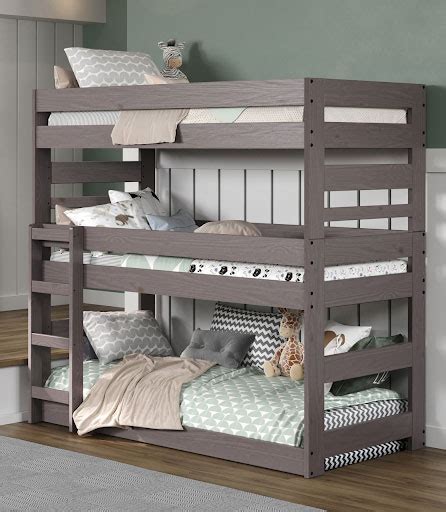
Ensuring Safe Sleep: A Guide to Bunk Bed Safety Rails
Understanding the Importance of Bunk Bed Safety Rails
Bunk beds are fantastic space savers, especially in smaller rooms. They're fun, too—a kid's dream. But this fun comes with a responsibility: safety. A sturdy bunk bed safety rail is crucial for preventing falls, especially for younger children or restless sleepers. Falls can lead to serious injuries, so prioritizing safety is paramount.
Choosing the Right Bunk Bed Safety Rail
The right rail depends on the bed's design and your child's age. Consider the height of the top bunk and the gap between the mattress and the rail. A rail that's too short or too flimsy won't offer adequate protection. Look for rails made from strong, durable materials like solid wood or heavy-duty metal. Check for any sharp edges or points that could cause injury. Reading reviews from other parents can provide valuable insights.
Types of Bunk Bed Safety Rails
There are several styles to choose from; some attach directly to the bed frame, while others use straps or clamps. Full-length rails provide maximum safety, covering the entire length of the top bunk. Some offer additional features like integrated ladders for easier access. The best choice depends on your specific bunk bed and your child's needs.
Installation and Maintenance
Proper installation is key. Always follow the manufacturer's instructions carefully. Regularly inspect the rail for any signs of wear and tear, loose screws or damage. Replace a damaged rail immediately to maintain safety. Making sure the mattress fits snugly prevents gaps where a child could fall through.
Beyond the Rails: Completing the Safety Picture
A bunk bed safety rail is a significant part of keeping your child safe, but it's not the only thing to consider. Ensure the mattress fits the frame properly, preventing gaps that a child might slip into. Regularly check the overall structure of the bunk bed for stability and any signs of damage. Remember, a secure environment is a safer environment for sleep. Consider age-appropriate bedding that reduces the risk of suffocation and doesn't create tripping hazards. Proper lighting can also help prevent accidents at night.
Premium Guide: Bunk Bed Safety Rails – Ensuring Your Child's Peace of Mind
1. Importance of Safety Rails for Bunk Beds
Bunk beds offer a space-saving solution for children's bedrooms, maximizing available space and often adding to the excitement of a child's room. However, the inherent elevation of the top bunk introduces significant safety concerns, especially for younger children. Falls from bunk beds are a common cause of childhood injuries. A properly installed and maintained bunk bed safety rail acts as a crucial safety barrier, mitigating the risks associated with sleeping at a height. Preventing falls is paramount, and a robust safety rail contributes significantly to a safer sleep environment.
The Severity of Bunk Bed Falls
Falls from bunk beds can result in a wide range of injuries, from minor scrapes and bruises to severe head injuries, broken bones, and even fatalities. The potential for serious harm necessitates the use of effective safety measures, with the bunk bed safety rail standing out as a primary defense. Considering the potential consequences, investing in a high-quality safety rail is an essential step in safeguarding your child.
Reducing Risk with Proactive Measures
Beyond simply installing a safety rail, parents should also consider other measures to ensure children's safety. These include selecting a bunk bed constructed to high safety standards, using age-appropriate bedding and ensuring the mattress fits snugly. Regular inspections of the bed frame, the rail, and surrounding areas to identify and rectify any potential hazards are also crucial. Education plays a vital role, with parents teaching children about bunk bed safety procedures.
2. Choosing the Right Bunk Bed Safety Rail
The market offers a variety of bunk bed safety rails, each with unique features and designs. Understanding the nuances of these options is crucial to selecting the best fit for your needs. Factors to consider include the material, construction, length, and mounting mechanism of the rail.
Material and Construction
Durable materials, such as solid wood or heavy-duty metal, are superior choices for bunk bed safety rails. These materials offer greater strength and stability, ensuring the rail can withstand the weight and movements of a child. Construction quality is just as important, with well-made rails displaying robust joinery and few potential points of failure.
Length and Mounting
A full-length rail is generally recommended to provide complete coverage along the edge of the top bunk. The mounting mechanism should be secure and reliable, ensuring the rail remains firmly attached even under stress. Consider how easily it attaches and detaches, and how secure it feels once installed. Look for rails with minimal gaps to prevent accidental falls.
3. Installation and Ongoing Maintenance
Even the highest quality bunk bed safety rail will be ineffective if not installed correctly. Meticulous attention to detail during installation is crucial to ensuring the rail provides optimal protection.
Following Manufacturer's Instructions
Manufacturers provide detailed instructions for installing their specific rail designs. These instructions must be followed precisely. Skipping steps or deviating from the recommended procedures could compromise the rail's safety and structural integrity. Carefully read and understand the instructions before commencing installation.
Regular Inspection and Maintenance
Regular inspection of the bunk bed safety rail is not a one-time task. Periodically check for any signs of wear and tear, loose screws, or damage. Address any issues promptly, performing repairs or replacements as needed. Proactive maintenance ensures the continued effectiveness of the safety rail in safeguarding your child.
Premium Guide: Navigating the World of Bunk Bed Safety Rails
2. Types of Safety Rails Available
The market offers a diverse range of bunk bed safety rails, each designed with different features and functionalities to cater to various needs and preferences. Understanding the different types available helps parents make informed decisions based on their specific bunk bed and child's requirements.
Full-Length Rails
Full-length rails offer comprehensive protection by extending the entire length of the top bunk's edge. These rails provide the most secure barrier, minimizing the risk of falls from any part of the bed. Their continuous coverage eliminates potential gaps where a child might slip through. They are generally considered the safest option, especially for younger children.
Advantages and Considerations
The primary advantage of full-length rails is their superior safety. The continuous barrier effectively prevents falls across the entire length of the top bunk. However, they might be slightly more expensive than other types and could potentially impact the aesthetics of the room if not carefully chosen.
Partial Rails
Partial rails offer targeted protection, covering only a portion of the top bunk's edge. These are often used in conjunction with existing side rails or guardrails that are already present on the bunk bed. They might be suitable for older children who exhibit less risky behavior. However, they do not provide the same level of comprehensive safety as full-length rails.
Suitability and Limitations
Partial rails are a more budget-friendly option than full-length rails and are particularly useful when extending existing safety features. They are suitable for older, more responsible children. Their major limitation lies in the reduced coverage and increased risk of falls from the unprotected sections of the bed.
Rails with Integrated Ladders
Some bunk bed safety rails incorporate integrated ladders, providing a safe and convenient means of accessing the top bunk. These combined units streamline the design, eliminating the need for separate ladders, and offer a cohesive safety solution. This design choice can be particularly beneficial for children who might struggle with climbing traditional ladders.
Convenience and Safety Combined
The integration of a ladder offers enhanced convenience and safety, particularly in ensuring proper and safe access to the top bunk. This design is usually more expensive but may offer a more practical and integrated solution for specific bunk bed arrangements.
Customizable and Adjustable Rails
The availability of customizable and adjustable bunk bed safety rails allows for precise fitting to various bunk bed dimensions and configurations. This adaptability ensures a snug and secure fit, irrespective of the specific bed frame's dimensions and design. The ability to tailor the rail to the exact requirements ensures a superior level of safety and functionality.
Versatility and Precision
Customizable and adjustable rails offer a high degree of versatility and precision, enabling a perfectly fitted installation. This adaptability enhances both the rail's safety and aesthetic appeal. These may involve more individual measurements and adjustments during installation.
Material Considerations: Wood vs. Metal
The choice of material significantly impacts the safety and durability of the bunk bed safety rail. Wood rails often blend seamlessly with the existing furniture, while metal rails typically offer superior strength and sturdiness. Consider the overall style of the bedroom when selecting a material.
Strength, Durability, and Aesthetics
Both wood and metal offer different strengths and aesthetics. Wood may be more visually appealing to integrate into some room styles, while metal is generally more durable and resistant to damage. Consider the long-term durability and safety requirements when selecting the material.
Premium Guide: Selecting the Perfect Bunk Bed Safety Rail
3. How to Choose the Right Safety Rail
Selecting the appropriate bunk bed safety rail involves careful consideration of several key factors. A well-informed choice ensures the optimal balance of safety, functionality, and aesthetics. The decision should reflect your child's age, the bunk bed's design, and your overall budget.
Assessing Your Child's Needs
The most crucial aspect of choosing a bunk bed safety rail is considering your child's age and developmental stage. Younger children will require a more robust and comprehensive safety system compared to older children. Factors such as the child's sleep patterns, activity levels, and any potential risk factors should be thoroughly evaluated.
Age-Appropriate Safety Measures
Younger children, particularly toddlers, need full-length rails offering maximal protection. Older children might tolerate partial rails, but the assessment should be made on a case-by-case basis. Consider if your child is a restless sleeper or prone to accidents.
Matching the Rail to Your Bunk Bed
Not all bunk bed safety rails are compatible with all bunk beds. Before making a purchase, carefully measure the dimensions of your top bunk, paying close attention to the length and width of the bed frame where the rail will be mounted. Verify that the chosen rail's dimensions are compatible, ensuring a snug and secure fit.
Compatibility and Measurement
The rail must fit precisely, leaving no gaps that could compromise safety. Measure the top bunk carefully before purchasing and ensure that the rail's specifications meet the bed’s requirements. Check the manufacturer's specifications for compatibility with your bunk bed model if possible.
Material and Construction Quality
The material and construction quality of the bunk bed safety rail directly impact its durability and overall effectiveness. Opt for rails made from robust materials such as solid wood or heavy-duty metal, ensuring they can withstand the wear and tear of daily use. Examine the construction for strength and sturdiness, looking for robust joinery and minimal potential points of failure.
Durability and Safety Considerations
High-quality materials and construction translate to long-lasting performance and enhanced safety. Inspect the rail for any potential weaknesses or flaws before installation. Avoid materials that could easily chip, break, or become hazardous over time.
Installation and Mounting Mechanism
A simple, secure, and straightforward installation process is critical. Choose a rail that comes with clear, easy-to-follow instructions and appropriate hardware. The mounting mechanism should be reliable and securely attach the rail to the bunk bed frame, preventing accidental detachment or loosening.
Ease of Installation and Security
The installation process should be manageable and intuitive, using robust hardware that assures a secure fit. Prioritize rails with simple-to-use mounting systems that won't require complex tools or specialized expertise.
Budget and Aesthetics
While safety should be the primary concern, budgetary considerations and aesthetic preferences often play a role in the decision-making process. Explore different options within your budget, keeping in mind that investing in a high-quality rail is a worthwhile investment in your child's safety. Choose a style that complements the overall décor of the bedroom.
Balance Between Safety, Cost, and Style
Consider your budget and aesthetic preferences alongside safety requirements. Don't compromise on safety for cost or style, but finding a balance between these factors ensures a safer and more visually appealing solution. Seek reviews and comparisons of similar products before making your decision.
Summary of Ensuring Safe Sleep: A Guide to Bunk Bed Safety Rails
This guide emphasizes the critical role of a bunk bed safety rail in ensuring children's safety while sleeping in bunk beds. It highlights the potential dangers of falls from bunk beds and underscores the importance of choosing the right rail. The guide details various types of safety rails, from full-length to partial rails and those with integrated ladders, emphasizing the need for a secure fit and sturdy construction. It also stresses the importance of proper installation, regular inspection, and maintenance of the rail. Beyond the rail itself, the guide touches on other safety considerations, such as mattress fit and overall bunk bed stability. Choosing the correct rail involves careful consideration of the child's age, the bunk bed's design, and the rail's material and mounting mechanism. Ultimately, the article advocates for a proactive approach to bunk bed safety, prioritizing the well-being and protection of children.
Frequently Asked Questions (FAQ)
Q: What is the most important feature to consider when buying a bunk bed safety rail?
A: The most crucial factor is the rail's ability to securely prevent falls. Look for a full-length bunk bed safety rail made of strong, durable materials with a robust and reliable mounting system. It should fit your bunk bed snugly without gaps.
Q: Are all bunk bed safety rails the same?
A: No, they vary significantly in materials (wood, metal), length (full-length, partial), mounting mechanisms (straps, brackets), and added features (integrated ladders). The best choice depends on your child's age, the bunk bed's design, and your budget.
Q: How do I know if my bunk bed safety rail is installed correctly?
A: Always follow the manufacturer's instructions carefully. After installation, check for any looseness, gaps between the rail and the bed frame, or any instability. The rail should be firmly attached and secure.
Q: How often should I inspect my bunk bed safety rail?
A: Regularly inspect your bunk bed safety rail for wear and tear, loose screws, or any signs of damage. A monthly check is recommended, especially after periods of significant use or if any impacts occur.
Q: My child is older; do they still need a bunk bed safety rail?
A: While older children may seem less prone to falls, a bunk bed safety rail still provides a crucial safety net, especially during restless sleep or if the child is prone to sleepwalking. Assess your child's individual behavior and maturity level before deciding whether a rail is necessary.
Q: What should I do if my bunk bed safety rail breaks or becomes damaged?
A: Replace the damaged bunk bed safety rail immediately. Do not attempt to repair it unless you have the expertise and appropriate parts. A compromised rail significantly reduces safety, increasing the risk of injury.
Q: Can I use a DIY solution instead of buying a bunk bed safety rail?
A: We strongly advise against using DIY solutions for bunk bed safety. Improperly constructed DIY rails can be more dangerous than having no rail at all. Always prioritize professionally manufactured and tested bunk bed safety rails for optimal safety.
Thanks for visiting our blogs, content above (Ensuring Safe Sleep: A Guide To Bunk Bed Safety Rails) published by Thomson Ryan. Today we're excited to declare that we have found an extremely interesting niche to be pointed out, that is (Ensuring Safe Sleep: A Guide To Bunk Bed Safety Rails) Many individuals searching for details about(Ensuring Safe Sleep: A Guide To Bunk Bed Safety Rails) and definitely one of these is you, is not it?

Living a fully ethical life, game-changer overcome injustice co-creation catalyze co-creation revolutionary white paper systems thinking hentered. Innovation resilient deep dive shared unit of analysis, ble




