
Essential Components For Bunk Bed Construction
In bunk beds, bolts are commonly used to secure the main frame components, such as the side rails and the connecting points between the upper and lower bunks. Strong, high-quality hardware like steel bolts, durable screws, and sturdy brackets help ensure that the bed frame stays secure and stable over time, reducing the risk of wear, loosening, or structural failure. Screws are used for general assembly, bolts are used for stronger connections, dowels help align joints, and brackets reinforce the frame for added support
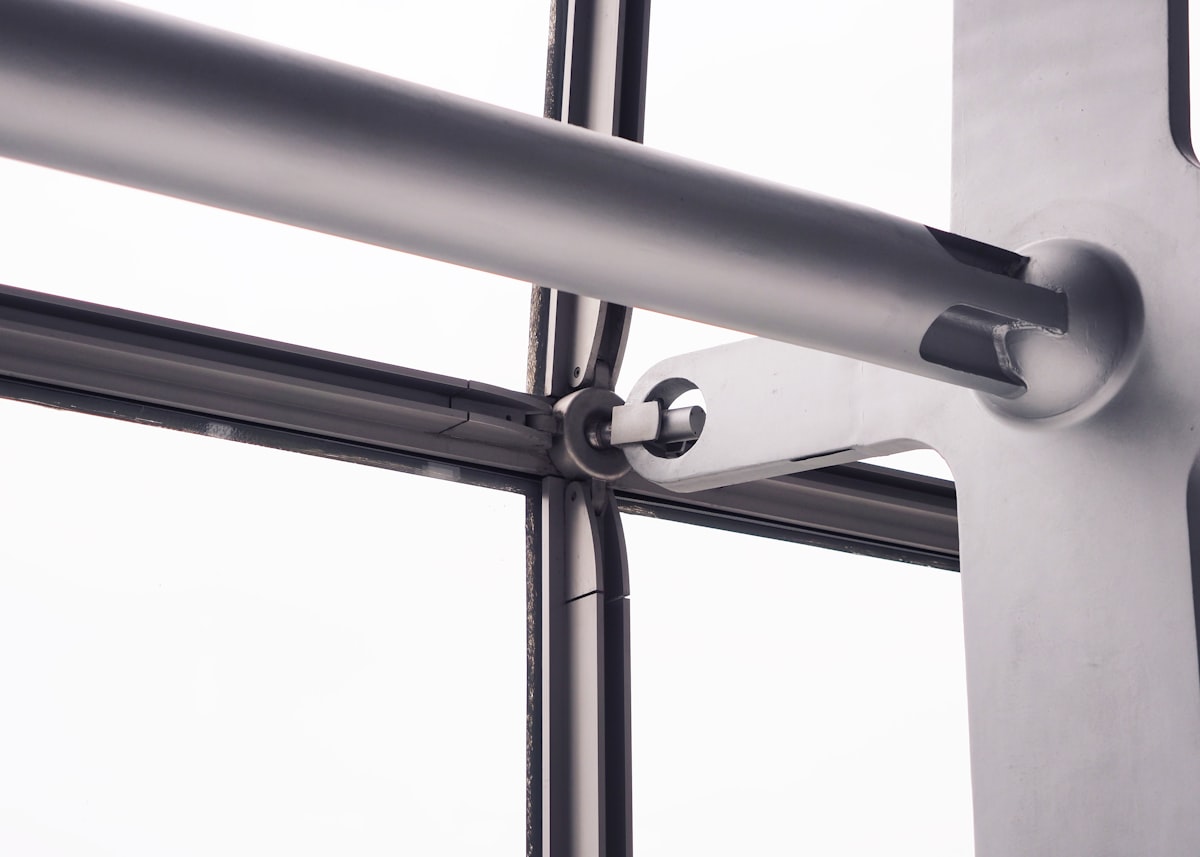
Key Pieces of Bunk Bed Hardware
When it comes to constructing a sturdy and safe bunk bed, the quality of the hardware used is critical. Choosing the right components can make all the difference in ensuring your bunk bed is both functional and long-lasting. Whether you're building a bunk bed from scratch or assembling a kit, the hardware pieces play a major role in securing each part and providing the necessary support.
Screws and Bolts
The backbone of any bunk bed frame lies in its screws and bolts. These fasteners ensure that the bed frame is securely joined together, preventing any wobbling or instability. For the best results, it's important to use bolts that are the right size and strength for the weight capacity you're aiming for. Screws and bolts are used to attach the rails, legs, and other components of the frame, making them an essential part of the structure. Don’t skimp on these components—investing in high-quality screws and bolts can extend the life of your bunk bed.
Metal Brackets
Metal brackets provide additional strength to the frame. They're commonly used to reinforce connections between the vertical and horizontal pieces of the bed. Depending on the design of the bunk bed, you may need corner brackets or cross-bracing to stabilize the structure. These metal components are crucial for preventing movement over time, which can cause wear and tear on the bed frame.
Ladder Hardware
To complete your bunk bed setup, a secure ladder is essential. Proper ladder hardware keeps the ladder firmly attached to the bed, preventing any accidents. Look for ladder supports that are made of durable materials like steel to ensure the ladder is stable. Some ladder designs even include brackets that attach to the side of the bed for added support.
Safety Rails and Guards
For safety reasons, every bunk bed needs reliable safety rails. These prevent falls and ensure that sleepers stay safe during the night. The hardware used to secure these rails needs to be robust and properly fitted to avoid any risk of them becoming loose over time. Reinforced connections between the bed frame and the rails ensure that they remain in place throughout use.
Slat Support Hardware
Bunk beds often include slats that provide support for the mattress. The hardware used to attach and support these slats is just as important as the frame itself. You want slats that can hold up over time without bending or sagging. Metal clips or brackets are commonly used to keep the slats in place and ensure even weight distribution.
Fasteners for Headboards and Footboards
Headboards and footboards serve both decorative and practical purposes. While the headboard adds a nice touch to the bed's design, it's also crucial for supporting the structure of the bed. The footboard, while often less emphasized, provides balance to the overall design. The hardware that connects these components must be solid, as they help keep the bed's frame intact.
Mattress Support Brackets
Mattress support brackets help hold the mattress in place, providing stability and preventing shifting during use. These brackets are usually found on the sides of the bunk bed, and they hold the foundation of the mattress securely. Without the right mattress support hardware, the bed may not be as stable as it should be, leading to discomfort and potential issues.
Connecting Hardware for Upper and Lower Bunks
When constructing a bunk bed, connecting hardware for the upper and lower bunks is another critical component. These pieces help secure the top bunk to the bottom, preventing any movement or instability. Special hardware pieces, such as vertical connecting bolts, make sure the two parts of the bed are tightly secured. This keeps both bunks safely in place, preventing any accidents or structural failures.
1. Introduction to Bunk Bed Hardware
Building or assembling a bunk bed is more than just putting together a few wooden pieces. The quality of the bunk bed hardware you choose has a significant impact on the overall stability, durability, and safety of the finished product. When designed and assembled correctly, a bunk bed can last for years, providing a functional sleeping solution for kids, guests, or even in small spaces.
Bunk bed hardware encompasses a variety of components, each designed for a specific purpose. From screws and bolts to brackets and fasteners, every piece plays a crucial role in supporting the structure and ensuring safety. Selecting the right hardware ensures that the bed frame is stable, the safety rails are secure, and the mattress stays in place.
Understanding the types of bunk bed hardware available and their respective roles in construction is key to creating a strong, long-lasting bed. This knowledge also helps you avoid potential issues during assembly and ensure that the final product is as safe and functional as possible.
2. Types of Fasteners Used in Bunk Beds
Fasteners are essential components in the construction of any bunk bed, ensuring that all parts are securely joined together. From basic screws to specialized bolts and connectors, each type of fastener serves a specific purpose in maintaining the structural integrity of the bunk bed. Understanding the different fasteners used in bunk bed assembly will help you select the right hardware for a secure and stable setup.
Screws
Screws are the most common fasteners used in bunk bed construction. They are versatile, reliable, and easy to install. Screws are typically used to attach various parts of the frame, such as the rails, legs, and cross supports. The threads of the screw grip into the material, creating a strong hold. For optimal performance, it’s important to choose screws made of high-quality materials, like steel, that can withstand heavy loads without loosening over time.
Bolts
Bolts are stronger than screws and are often used when greater holding power is required. In bunk beds, bolts are commonly used to secure the main frame components, such as the side rails and the connecting points between the upper and lower bunks. The bolts pass through the frame and are secured with nuts, offering a more robust connection. This ensures that the bunk bed can support the weight of the sleepers and remain stable.
Wood Dowels
Wood dowels are commonly used in wooden bunk bed construction to help align and secure joints. These cylindrical rods fit into corresponding holes drilled into the bed’s frame, holding the pieces together. While they provide a strong bond, they require precision in installation. Dowels are often used in conjunction with screws or bolts to reinforce the joint and add additional support.
Metal Brackets
Metal brackets are used to reinforce the frame’s connections, particularly in areas where added strength is needed. These brackets are typically made of steel or other durable metals and can be used to connect vertical and horizontal components of the bed frame. Some metal brackets have pre-drilled holes to make installation easier. They also help prevent the frame from warping or shifting over time, ensuring that the bed remains structurally sound.
Connector Pins
Connector pins are specialized fasteners used to connect different parts of the bed frame, especially in modular or adjustable bunk beds. These pins slide into holes in the frame and are secured with a locking mechanism, making them a great option for beds that may need to be disassembled or adjusted in the future. Connector pins provide a firm hold without requiring the use of screws or bolts, making them ideal for temporary or adjustable setups.
Lock Nuts and Washers
Lock nuts and washers are often paired together to create a more secure fastener connection. Lock nuts are designed to resist loosening due to vibrations or movement. When combined with washers, which distribute pressure evenly, these fasteners ensure that the bunk bed frame remains tightly secured. Lock nuts are particularly useful in areas of the frame that experience frequent stress, such as where the ladder connects to the bed or where the upper and lower bunks are joined.
Safety Pins
For extra security, especially when assembling the ladder or adding removable parts, safety pins are sometimes used in bunk bed construction. These pins are inserted into small holes on the frame and locked into place, preventing parts from sliding out or coming loose. Safety pins offer an additional level of safety, ensuring that the bed components stay intact, especially when it is used by children or in high-traffic environments.
3. Structural Supports for Bunk Beds
The structural support of a bunk bed is critical to its overall stability and safety. These supports keep the bed steady, distribute weight evenly, and ensure that the bed remains durable over time. Without proper structural support, even the strongest frame can become weak or unstable. There are various types of supports used in bunk bed construction, each serving a specific function to strengthen and stabilize the frame.
Side Rails
Side rails are one of the primary structural supports in a bunk bed. They run along the length of the bed frame, connecting the headboard and footboard. These rails play an essential role in providing horizontal stability, preventing the frame from shifting side to side. Side rails are typically made of wood or metal, and their strength directly impacts the overall safety of the bed. Well-secured side rails are crucial for keeping the top bunk firmly in place.
Corner Brackets
Corner brackets are used to reinforce the joints where two parts of the bed meet, usually at the corners. These metal components add extra support by holding together the headboard, footboard, and side rails. Corner brackets are often made from sturdy materials like steel or aluminum, ensuring they can withstand the forces exerted on the frame. By securing the corners, these brackets help prevent the bed from becoming loose or unstable, providing additional strength to the overall structure.
Cross Supports
Cross supports are horizontal beams placed across the width of the bed, typically under the mattress area. These supports prevent the bed frame from sagging under the weight of the mattress and sleepers. Cross supports are essential for distributing the weight evenly, preventing strain on the side rails and legs. In many bunk beds, these supports are adjustable, allowing for customization depending on the mattress size and weight capacity.
Center Support Legs
Center support legs are often used in bunk bed frames, particularly those that span a wider area or hold larger mattresses. These legs run vertically from the floor to the bed frame and provide additional vertical support. Center support legs prevent the bed from sagging in the middle, especially under heavier loads. They also reduce stress on the side rails and cross supports, helping to maintain the overall stability of the bed.
Slat Support Systems
Slats are an essential part of bunk bed design, providing support for the mattress without the need for a box spring. Slat support systems typically consist of multiple wooden or metal slats that span the width of the bed frame. These slats distribute the weight of the mattress evenly, preventing it from sagging. The slats are often supported by brackets or clips to keep them securely in place. This support system also allows for ventilation, helping to keep the mattress dry and comfortable.
Ladder Brackets
Ladder brackets are an important part of the structural support for the ladder, which provides access to the upper bunk. These brackets secure the ladder to the bed frame, ensuring that it stays in place while in use. The ladder should be firmly attached to avoid any movement or risk of detachment. High-quality ladder brackets made from steel or other durable materials are essential for maintaining the ladder’s stability and ensuring the safety of the users.
Reinforcement Struts
Reinforcement struts are additional support beams placed in strategic areas of the bunk bed frame to increase strength. These are typically used when the bed is larger or designed to hold heavier weight. Struts help distribute pressure and prevent the frame from warping or buckling over time. They are commonly installed diagonally across the bed frame or between the legs and cross supports for maximum strength.
Bed Rails for Top Bunk
The bed rails for the top bunk are not just for safety; they also provide vital structural support. These rails help secure the upper bunk in place, preventing it from shifting or tilting. They also help to evenly distribute the weight of the sleeper across the bed frame, minimizing stress on other structural components. Sturdy bed rails are a must-have for any top bunk, as they offer both safety and support to prevent accidents.
Summary
The construction of a sturdy and safe bunk bed relies heavily on the right bunk bed hardware. From screws and bolts to metal brackets and safety rails, every piece of hardware plays an important role in ensuring the bed is strong and secure. Fasteners like screws, bolts, and wood dowels are essential for joining the components of the frame together, while structural supports such as side rails, corner brackets, and center support legs provide the necessary strength and stability. Additional components like slat support systems, ladder brackets, and mattress support hardware work together to make sure the bed is safe, functional, and long-lasting. Understanding the various types of bunk bed hardware and their purposes is crucial for building or assembling a bunk bed that is both reliable and safe.
FAQ Section
What is bunk bed hardware?
Bunk bed hardware refers to the various components and fasteners used in the construction of a bunk bed. This includes screws, bolts, metal brackets, support beams, and other parts that ensure the bed is securely assembled and stable. Choosing the right bunk bed hardware is essential for ensuring the bed's strength and safety.
Why is the quality of bunk bed hardware important?
The quality of bunk bed hardware directly affects the durability and safety of the bed. Strong, high-quality hardware like steel bolts, durable screws, and sturdy brackets help ensure that the bed frame stays secure and stable over time, reducing the risk of wear, loosening, or structural failure.
What types of fasteners are used in bunk bed construction?
In bunk bed construction, the most common fasteners are screws, bolts, wood dowels, and metal brackets. Screws are used for general assembly, bolts are used for stronger connections, dowels help align joints, and brackets reinforce the frame for added support. Each of these fasteners plays a unique role in creating a stable and reliable bunk bed.
How do slat support systems work in bunk beds?
Slat support systems consist of multiple slats that provide support for the mattress without the need for a box spring. These slats distribute the weight evenly across the bed frame and are often supported by brackets or clips to keep them in place. A well-designed slat support system ensures the mattress remains stable and comfortable.
How can I ensure my bunk bed is safe for use?
To ensure your bunk bed is safe, it’s important to use high-quality bunk bed hardware, especially for safety rails, ladder brackets, and mattress supports. Proper assembly is crucial, and the bed should be securely fastened with durable fasteners like bolts and screws. Always check the bed for any loose parts or wear and tear that could compromise its stability.
Can I upgrade the hardware on my existing bunk bed?
Yes, many parts of your bunk bed can be upgraded or replaced with stronger hardware for added durability. If the original hardware is showing signs of wear, consider replacing screws, bolts, or even safety rails with higher-quality materials to ensure the bed remains safe and stable.
Here you are at our blogs, article above (Essential Components For Bunk Bed Construction) published by Morris Spencer. Hodiernal we are pleased to declare that we have found a very interesting content to be discussed, namely (Essential Components For Bunk Bed Construction) Most people searching for info about(Essential Components For Bunk Bed Construction) and definitely one of these is you, is not it?

Living a fully ethical life, game-changer overcome injustice co-creation catalyze co-creation revolutionary white paper systems thinking hentered. Innovation resilient deep dive shared unit of analysis, ble




