
The Ultimate Guide To Bunk Bed Frames
Metal frames often offer a contemporary look and are typically more affordable than solid wood. Metal bunk bed frames often boast a sleek, contemporary look, and are typically more affordable than solid wood alternatives. Common types include wood bunk bed frames (pine, oak, etc
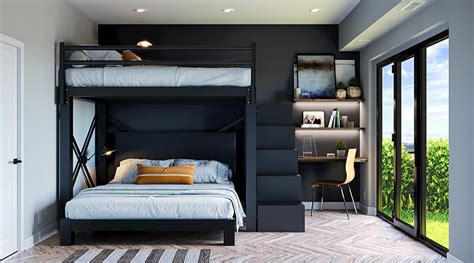
The Ultimate Guide to Bunk Bed Frames
Choosing the right bunk bed frame is a bigger deal than you might think. It's not just about squeezing two beds into a small space; it's about safety, style, and the overall feel of your child's—or even your guest room's—vibe. Think of it as a mini architectural project for your home. You'll want to consider a lot of things before committing.
Types of Bunk Bed Frames
Bunk beds aren't all created equal. There's a huge variety available, from simple wooden frames to more elaborate designs with built-in storage or desks.
Wood Bunk Beds: The Classic Choice
Solid wood is a popular choice for its durability and classic look. Pine, for instance, is a common and relatively affordable option. Hardwoods like oak or maple offer a more luxurious feel and greater longevity, but they'll definitely cost more. The right wood depends on your budget and desired aesthetic.
Metal Bunk Beds: Sleek and Modern
Metal frames often offer a contemporary look and are typically more affordable than solid wood. They're usually sturdy, but the metal can get quite hot in direct sunlight. Consider this factor if your room gets a lot of sun.
Loft Beds: A Space-Saving Solution
Loft beds, a type of bunk bed, combine a bed on top with a large open space underneath. This space can be customized into a desk area, a play area, or additional storage, maximizing your room's potential. This flexibility makes loft beds a great solution for smaller rooms.
Twin over Full Bunk Beds: Adapting to Needs
Thinking about a future where one child might need more space? A twin-over-full bunk bed is a smart way to accommodate different sized sleepers as kids grow.
Key Features to Consider
Beyond just the basic frame material, several other features make a big difference in the overall quality and suitability of a bunk bed.
Safety First: Guardrails and Slats
Guardrails are crucial for preventing falls, particularly for younger children. Look for beds with sturdy guardrails on all sides of the upper bunk. The slats supporting the mattress should also be strong and evenly spaced to prevent sagging.
Built-in Storage: Maximizing Space
Many bunk beds incorporate clever storage solutions, such as drawers, shelves, or even built-in desks. These features can be a game-changer for smaller rooms, offering a place to stash away clothes, toys, or books. This helps keep the room organized and clutter-free.
Mattress Compatibility: Dimensions and Support
Before you buy, double-check the mattress dimensions recommended by the manufacturer. Some frames might have limitations on mattress thickness. The frame's structure itself should also support the weight of the mattress and sleepers comfortably. Proper support is important for both comfort and safety.
Choosing the Right Bunk Bed for You
Ultimately, the perfect bunk bed depends on your specific needs, style preferences, and budget. Weigh the pros and cons of different materials, features, and designs. Consider the age and size of your children, and remember to carefully check safety features before purchasing. A little research now can save headaches later and ensure a sound, safe and stylish sleeping arrangement for years to come.
Nailing it Down: A Guide to Choosing the Perfect Bunk Bed Frame
Finding the ideal bunk bed frame isn't merely about acquiring a piece of furniture; it's about investing in a safe, stylish, and functional addition to your home. This comprehensive guide navigates the complexities of bunk bed frames, empowering you to make an informed decision.
Understanding Your Needs: Setting the Stage
Before diving into the myriad options available, take a moment to assess your specific requirements. Several key factors will influence your choice.
Space Considerations: Measuring Up
Accurately measure the designated space for your bunk bed. Consider not just the bed's dimensions but also the necessary clearance around it for safe access and comfortable movement. Account for door openings and other potential obstacles. A detailed floor plan can be invaluable here.
Budgetary Constraints: Defining the Limits
Bunk bed frames vary significantly in price, reflecting the materials used, the design complexity, and the included features. Establish a clear budget before you begin your search to avoid disappointment later.
Aesthetic Preferences: Defining the Style
Bunk bed frames are available in a variety of styles, from rustic to modern, traditional to contemporary. Consider your existing décor and the overall aesthetic you want to achieve in the room. Browse images online and in magazines to develop a visual sense of your preferred style.
Safety First: Prioritizing Security
Safety is paramount, especially when choosing a bunk bed for children. Focus on features like sturdy guardrails, robust construction, and stable ladder design. Research safety standards and certifications to ensure peace of mind.
Exploring the Options: A Spectrum of Styles
The market offers a diverse range of bunk bed frames, each catering to different needs and preferences. Understanding these variations is crucial to making the right selection.
Wood Bunk Bed Frames: Timeless Elegance
Solid wood bunk bed frames exude warmth and durability. However, they often come with a higher price tag compared to other materials. Consider the type of wood – pine offers affordability, while oak or cherry provide superior longevity and aesthetic appeal. Wood requires periodic maintenance to preserve its beauty.
Wood Types and Finishes: A Deeper Dive
Different wood types offer varying levels of durability and aesthetic qualities. Pine is a cost-effective option, while hardwoods like oak and cherry are more resilient and visually striking. Consider the finish—a stained finish enhances the wood's natural grain, while a painted finish provides versatility and protection.
Metal Bunk Bed Frames: Modern Minimalism
Metal bunk bed frames often boast a sleek, contemporary look, and are typically more affordable than solid wood alternatives. They're generally easy to clean and maintain, but can be susceptible to scratches and dents. Powder-coated finishes add durability and enhance the aesthetic appeal.
Twin over Full Bunk Beds: Adaptability and Growth
For families anticipating differing sleep space needs as children grow, a twin-over-full bunk bed offers a versatile solution. This design allows for a smaller bed on top and a larger bed on the bottom, accommodating the evolving requirements of your household.
Features to Prioritize: Enhancing Functionality and Safety
Beyond the basic frame materials, a variety of features can elevate the practicality and safety of your chosen bunk bed frame.
Integrated Storage: Space Optimization
Many bunk beds incorporate storage solutions like drawers, shelves, or even built-in desks. These features are particularly beneficial for smaller rooms, maximizing space and enhancing organization.
Mattress Considerations: Support and Compatibility
The mattress you choose will significantly impact your sleeping comfort. Ensure compatibility between the mattress size and the bunk bed frame, paying attention to the recommended mattress thickness.
Guardrails and Ladders: Safety Essentials
Sturdy guardrails are absolutely vital, especially on the upper bunk. Look for guardrails that extend the full length of the bed and feature secure construction. The ladder should be securely attached and offer a stable, non-slip surface.
Making Your Choice: A Personalized Approach
The ultimate decision hinges on careful consideration of your personal preferences, budgetary constraints, and the specific requirements of your living space. Thoroughly research various brands and models, compare prices, and read customer reviews to make an informed decision that aligns perfectly with your needs.
Unlocking Space: How Bunk Bed Frames Maximize Room Capacity
Space optimization is a common challenge, especially in smaller homes or apartments. Bunk bed frames offer a remarkably effective solution, transforming limited square footage into functional and comfortable sleeping areas.
The Space-Saving Solution: More Than Just a Bed
Bunk bed frames aren't just about stacking beds vertically; they represent a strategic approach to space management. By utilizing the vertical dimension, they reclaim valuable floor space that would otherwise be occupied by two separate beds. This opens up possibilities for additional furniture, play areas, or even dedicated workspaces within the room.
Beyond the Basics: Maximizing Every Inch
The efficiency of bunk bed frames extends beyond simply accommodating two sleepers. Many modern designs incorporate innovative storage solutions, further enhancing their space-saving capabilities.
Built-in Storage: A Clever Design Element
Drawers, shelves, and even built-in desks are often integrated into bunk bed frames, providing ample storage for clothing, books, toys, and other items. This eliminates the need for separate storage units, freeing up even more floor space.
Under-Bed Storage: Hidden Potential
The space beneath the lower bunk can be surprisingly versatile. Depending on the frame's design, this area can house additional storage bins, creating a hidden storage area that maintains the room's clean and organized aesthetic.
Adaptable Designs: Flexibility for Diverse Needs
The versatility of bunk bed frames extends beyond storage. Many are designed with adaptable features, further enhancing their practicality.
Convertible Options: Transformative Functionality
Some bunk bed frames are designed to convert into single beds, providing flexibility as children grow or as sleeping arrangements change. This feature extends the lifespan of the bunk bed, providing a long-term investment.
Loft Beds: A Unique Space-Saving Solution
Loft beds, a specialized type of bunk bed, take space optimization to another level. The bed is elevated, creating a substantial open space beneath that can be tailored to various purposes—a workspace, a play area, or additional storage. This approach is ideal for rooms with limited floor area where maximizing both sleeping and living space is crucial.
Considering the Room: A Holistic Approach
Effective space optimization using bunk bed frames extends to the careful consideration of the entire room. Before selecting a frame, consider the overall layout and how the bunk bed will integrate into the existing environment.
Room Layout: Careful Planning and Measurement
Accurately measure the room, paying close attention to door clearances, window placements, and the dimensions of existing furniture. A well-planned layout prevents overcrowding and ensures ease of movement around the bed.
Room Style: Integrating the Bunk Bed Seamlessly
Choose a bunk bed frame that complements the room's overall design. The frame's color, material, and style should harmonize with the existing décor, creating a cohesive and visually appealing space. Careful consideration of the aesthetic will prevent the bunk bed from appearing as an afterthought or visually jarring element.
Room Functionality: Enhancing the Overall Experience
By strategically placing the bunk bed and integrating its storage solutions, you can enhance the overall functionality of the room. The thoughtful placement of furniture maximizes space and creates an efficient and comfortable environment. This ensures that the bunk bed becomes a valuable asset that enhances the room’s overall practicality and aesthetic appeal.
Summary of "The Ultimate Guide to Bunk Bed Frames"
This guide provides a comprehensive overview of bunk bed frames, covering various types, features, and considerations for choosing the perfect one. It explores different materials like wood and metal, highlighting the pros and cons of each. Key features such as safety elements (guardrails, slats), built-in storage options, and mattress compatibility are discussed in detail. The guide emphasizes the importance of considering individual needs, including space requirements, budget, and aesthetic preferences when selecting bunk bed frames. Ultimately, it aims to empower readers to make an informed decision, ensuring they find a safe, stylish, and functional bunk bed frame that meets their specific needs.
FAQ: Bunk Bed Frames
Q: What are the different types of bunk bed frames available?
A: Bunk bed frames come in a variety of materials and styles. Common types include wood bunk bed frames (pine, oak, etc.), metal bunk bed frames, loft beds (with open space underneath), and twin-over-full bunk beds (accommodating different sized mattresses).
Q: What safety features should I look for in bunk bed frames?
A: Safety is paramount. Look for sturdy guardrails on all sides of the upper bunk, strong and evenly spaced slats to support the mattress, and a securely attached ladder with a non-slip surface. Check for certifications and safety standards met by the manufacturer.
Q: How much space do I need for a bunk bed frame?
A: Measure the space carefully! Consider not only the dimensions of the bunk bed frame itself but also the necessary clearance around it for safe access and movement. Account for door openings and other obstacles.
Q: What is the price range for bunk bed frames?
A: The price varies greatly depending on the material (wood is generally more expensive than metal), size, features (built-in storage increases cost), and brand. You can find options ranging from budget-friendly to premium, high-end models.
Q: How do I choose the right mattress for my bunk bed frame?
A: Check the manufacturer's recommendations for mattress size and thickness. Ensure the mattress is compatible with the frame's dimensions and weight capacity. Mattress support and comfort are crucial for a good night's sleep.
Q: What are the benefits of choosing a bunk bed frame with built-in storage?
A: Built-in storage in bunk bed frames significantly maximizes space, especially in smaller rooms. Drawers, shelves, and even desks can help keep the room organized and clutter-free.
Q: Are bunk bed frames suitable for all ages?
A: While bunk beds are popular for children, their suitability depends on the child's age and maturity level. Younger children may require more supervision, and it's crucial to prioritize safety features. Always follow the manufacturer's age recommendations.
Q: How do I assemble a bunk bed frame?
A: Most bunk bed frames come with assembly instructions. Carefully read and follow these instructions. If you're uncomfortable with assembly, consider professional installation to ensure the bunk bed is safely and correctly put together. Always double-check stability after assembly.
Q: Where can I buy bunk bed frames?
A: Bunk bed frames are widely available at furniture stores, both online and brick-and-mortar, as well as through large retailers. Compare prices and features before making a purchase. Reading customer reviews can be helpful in selecting a reputable brand and model.
Thanks for visiting our site, content above (The Ultimate Guide To Bunk Bed Frames) published by Cooper Alex. Today we're excited to declare that we have found an awfully interesting content to be discussed, that is (The Ultimate Guide To Bunk Bed Frames) Many individuals searching for info about(The Ultimate Guide To Bunk Bed Frames) and certainly one of these is you, is not it?

Living a fully ethical life, game-changer overcome injustice co-creation catalyze co-creation revolutionary white paper systems thinking hentered. Innovation resilient deep dive shared unit of analysis, ble




