
Choosing The Perfect Comforters For Your Bunk Bed
Twin-sized bunk beds usually mean twin-sized comforters. Here's a breakdown of the common types of bunk bed comforters you might encounter: These are your standard, widely available comforters. Consider these options to best suit your needs: Cotton is a popular choice for bunk bed comforters due to its breathability and softness
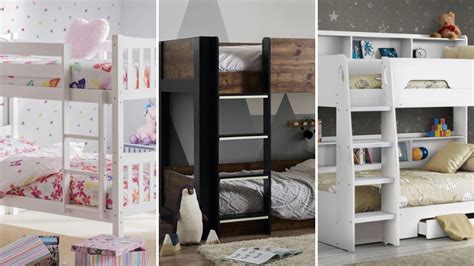
Choosing the Perfect Comforters for Your Bunk Bed
Size Matters: Finding the Right Fit
First things first: measuring your bunk bed's mattresses is crucial. Twin, full, or even custom sizes—they all need appropriately sized comforters. Buying too small leaves gaps, exposing kids to the cold. Too large, and they become a tripping hazard. A snug fit ensures cozy warmth and safety.
Twin Bunk Beds: A Simple Choice?
Twin-sized bunk beds usually mean twin-sized comforters. But consider the depth. Some twin mattresses are deeper than others. Check the measurements to avoid a comforter that’s too short.
Full-Size and Beyond: More Space, More Options
Full-sized bunk beds present more space, offering opportunities for extra layering or even different comforter styles for each bed. You might choose lighter summer-weight comforters and heavier options for the winter months.
Material Matters: Comfort and Care
Beyond size, the comforter material significantly impacts sleep quality and ease of care. Cotton is a classic choice—breathable, soft, and easy to wash. Microfiber is another popular option, often offering a plusher feel at a lower price point. Down comforters provide luxurious warmth, but require more careful cleaning. Consider your family's laundry habits and preferences when making your selection.
Durability: A Key Consideration for Bunk Beds
Kids can be tough on bedding. Look for durable materials that can withstand spills, stains, and roughhousing. A tightly woven cotton or a strong microfiber blend might be the best bet for long-lasting comfort.
Style and Aesthetics: Making Bunk Beds Fun
Don't underestimate the visual appeal! Colorful patterns and playful themes can make bunk beds a highlight of the room. Coordinating sets create a cohesive look, but mixing and matching allows for more individual expression.
Matching or Mismatching: A Question of Style
Identical comforters for each bunk create symmetry, especially effective in smaller rooms. If space permits, different styles can showcase unique personalities—perhaps a bold geometric print for one bed and a calming floral pattern for the other.
Additional Factors
Don't forget about things like washing instructions and the filling's overall warmth rating. These subtle details often influence the final decision. Also, you might think about purchasing a duvet cover, making cleaning much simpler.
Types of Comforters for Bunk Beds
Choosing the right bedding for a bunk bed can be a bit different than selecting for a standard bed. Space is limited, and comfort is key. Here's a breakdown of the common types of bunk bed comforters you might encounter:
Traditional Comforters
These are your standard, widely available comforters. They come in various materials like cotton, down, down alternative, and blends.
-
Pros:
- Wide variety of designs, colors, and patterns.
- Readily available in most retail stores.
- Different warmth levels can be found, suitable for different climates.
-
Cons:
- Can be bulky and cumbersome to maneuver on a top bunk.
- May hang down too far on the sides of the top bunk, posing a potential tripping hazard when getting in and out.
Quilted Comforters
Quilted comforters are known for their stitched patterns that secure the filling and prevent it from shifting.
-
Pros:
- Even distribution of fill, providing consistent warmth.
- Durable and can withstand frequent washing.
- Come in different styles and thicknesses.
-
Cons:
- May be slightly heavier than other types of comforters.
- Can still pose the same challenges as traditional comforters on bunk beds regarding bulk and length.
Lightweight Comforters
These comforters are designed to offer warmth without being too heavy. They are often made with lighter fills or fewer layers.
-
Pros:
- Easier to handle and manage on bunk beds, especially the top bunk.
- Less bulky, which is beneficial for limited space.
- Ideal for warmer climates or those who prefer a less heavy feel.
-
Cons:
- May not provide enough warmth during colder seasons.
- May lack the plush, luxurious feel of heavier comforters.
Comforter Sets for Bunk Beds
Some manufacturers offer complete bedding sets designed specifically for bunk beds, including comforters, sheets, and pillowcases.
-
Pros:
- Everything matches, creating a cohesive and polished look.
- Often come in the appropriate dimensions for bunk beds.
- Can simplify the shopping process.
-
Cons:
- May be more expensive than buying items separately.
- Limited options in terms of design and style.
Duvet Comforters
Duvet comforters consist of a duvet insert and a removable cover.
- Pros:
- The cover can be easily removed and washed while the insert is generally laundered less frequently. * Duvet covers can be interchanged for style. * Provides easy customization of warmth.
-
Cons:
- May be more prone to shifting if not properly secured in the cover.
- May need to be purchased as separate components.
Considerations for Bunk Bed Comforters
When choosing your bunk bed comforters, consider:
- Size: Ensure the comforter is the correct size for the bunk bed mattress to avoid excess fabric hanging over the edges.
- Material: Select a material that is comfortable and suitable for the climate and individual preferences.
- Warmth: Choose a comforter that provides the appropriate level of warmth for the sleeping environment.
- Maintenance: Consider how easy the comforter is to clean and maintain.
- Safety: Prioritize safety by choosing a comforter that doesn't pose a tripping or entanglement risk.
Material Options for Bunk Bed Comforters
When selecting bunk bed comforters, the material plays a significant role in comfort, durability, and maintenance. Consider these options to best suit your needs:
Natural Fiber Comforter Materials
Cotton
Cotton is a popular choice for bunk bed comforters due to its breathability and softness. It's a natural fiber that's gentle on the skin and relatively easy to care for. However, cotton comforters can sometimes be heavier and may require more frequent washing.
Down
Down comforters, filled with the soft plumage of ducks or geese, are incredibly warm and lightweight. This makes them a premium option for colder climates or individuals who prefer a very cozy feel. However, down comforters typically require professional cleaning and may be unsuitable for those with allergies.
Wool
Wool is another natural fiber known for its temperature-regulating properties. It provides warmth in the winter and can also help keep you cool in the summer. Wool comforters are also naturally resistant to dust mites and mildew, making them a good option for allergy sufferers. They tend to be heavier than down or cotton and might require specialized care.
Synthetic Fiber Comforter Materials
Polyester
Polyester is a widely used synthetic material that is durable, wrinkle-resistant, and affordable. It's a low-maintenance option that's often hypoallergenic. However, polyester comforters may not breathe as well as natural fibers and can sometimes feel less soft.
Microfiber
Microfiber is a finely woven polyester fabric that is exceptionally soft and often hypoallergenic. It's a great budget-friendly option that provides a similar feel to higher-end materials. Microfiber comforters are also lightweight and easy to care for. However, like other synthetics, they can sometimes lack breathability.
Alternative Down
Alternative down fills, typically made of synthetic materials like polyester, are designed to mimic the warmth and feel of natural down while being more affordable and hypoallergenic. This makes them a good option for those who want the benefits of down without the drawbacks.
Blended Materials
Cotton-Polyester Blends
Combining cotton and polyester offers a balance of breathability and durability. This blend tends to be more wrinkle-resistant than pure cotton and more breathable than pure polyester.
Other Blends
Various other blends combine different fibers to achieve specific benefits. These blends might incorporate bamboo, lyocell, or other materials to enhance softness, durability, or moisture-wicking capabilities. Choosing the right blend will depend on individual preferences.
Choosing the Right Size for Your Bunk Bed
Understanding Bunk Bed Dimensions
Before you dive into the world of bunk bed comforters, understanding the dimensions of your bunk bed is crucial. Different bed sizes correspond to different comforter sizes. Knowing the dimensions of the bottom and top bunk will guide you in selecting the right fit.
Matching Comforter Sizes to Bunk Bed Dimensions
-
Twin Bunk Beds: Twin-sized bunk beds are suitable for children and smaller spaces. Look for twin-size comforters to ensure a snug and comfortable fit.
-
Full Bunk Beds: Full-sized bunk beds offer more space for older children or teenagers. Full-size comforters will generally be a good match for these beds.
-
Queen Bunk Beds: Less common, queen bunk beds provide extra space. Queen-size comforters are the right choice for accommodating this larger space.
-
King Bunk Beds: Very large and usually reserved for larger spaces or extra-tall children. King-sized comforters would fit these bunk beds.
Considering Bedding Placement and Style
The placement of your bunk bed comforters also affects the overall look and feel of the room. Consider the design of your bunk bed and choose comforters in patterns or colors that complement it.
Beyond Size: Comfort and Quality
Look beyond size when choosing bunk bed comforters. Consider the material and fill of the comforter for optimal comfort and quality. A high-quality comforter will provide warmth and durability, enhancing the sleeping experience for your child.
Tips for Finding the Perfect Bunk Bed Comforter
Consider your child's preference in terms of color, pattern, and warmth when choosing. Browsing through various online retailers and local stores is a great way to compare sizes and find a suitable comforter for your specific bunk bed.
Here you are at our website, content above (Choosing The Perfect Comforters For Your Bunk Bed) published by Heath George. Today we are delighted to declare that we have found an awfully interesting topic to be reviewed, that is (Choosing The Perfect Comforters For Your Bunk Bed) Some people searching for details about(Choosing The Perfect Comforters For Your Bunk Bed) and certainly one of them is you, is not it?

Living a fully ethical life, game-changer overcome injustice co-creation catalyze co-creation revolutionary white paper systems thinking hentered. Innovation resilient deep dive shared unit of analysis, ble




