
Building A Raised Garden Bed
Building a raised garden bed is a rewarding project, but the success of your garden depends heavily on choosing the right materials. Building a raised garden bed offers numerous advantages, from improved drainage and soil quality to easier access for planting and harvesting. Remember that the weight of the soil and water can be substantial, so take into account the structural integrity of your design when making a large raised garden bed
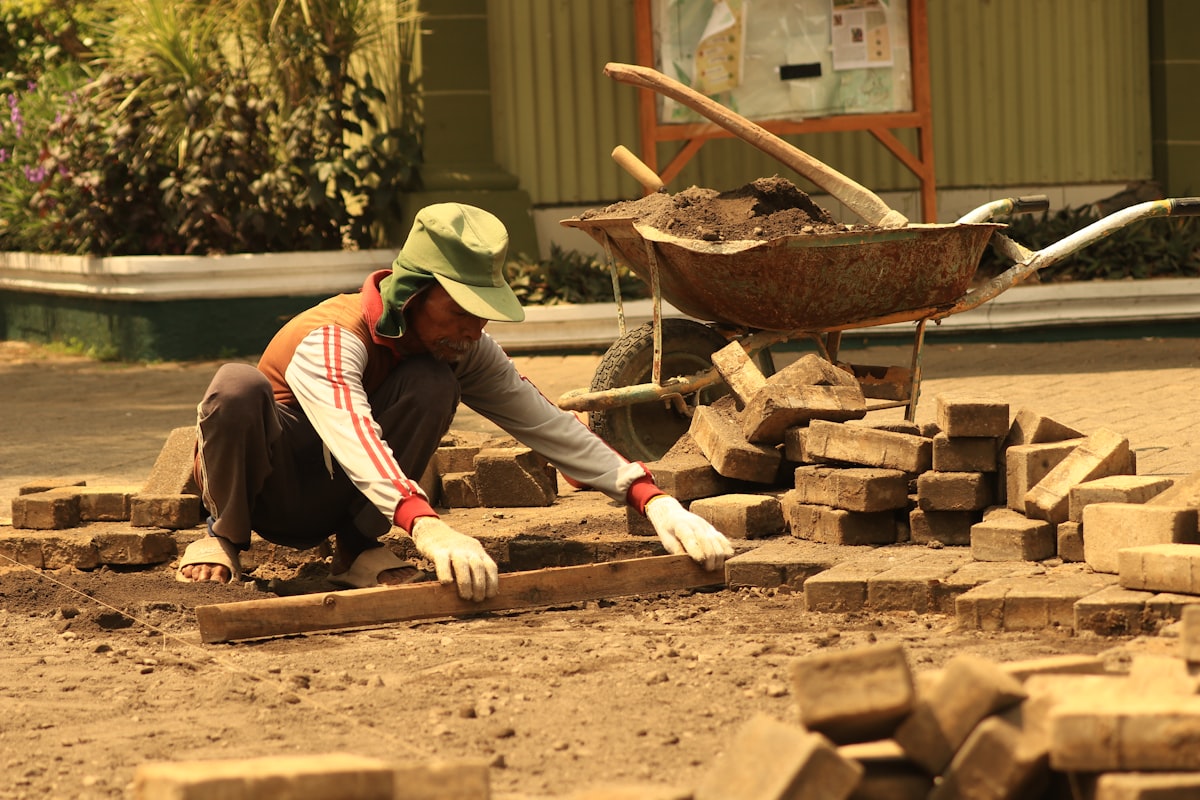
Building a Raised Garden Bed
Choosing Your Location
Sunlight's key, of course. Think at least six hours a day, preferably more. A spot sheltered from strong winds helps too, protecting your precious plants. Drainage is vital; soggy soil leads to unhappy roots. Consider proximity to a water source for convenient watering.
Materials You'll Need
The options are surprisingly diverse. Untreated lumber is a classic, offering a natural look. Cedar and redwood are naturally rot-resistant, extending the life of your bed. Recycled materials like pallets (ensure they're pesticide-free!) offer a budget-friendly alternative, though they may require more prep work. Concrete blocks provide a sturdy, long-lasting structure. You'll also need screws or other fasteners, depending on the material you choose. Don't forget landscape fabric to prevent weeds from sprouting up into your garden bed.
Essential Tools
A measuring tape is a must for accurate dimensions. A saw, whether circular or hand saw, is needed to cut the lumber to size. A drill with appropriate bits is essential for attaching the pieces together. Leveling your bed ensures proper drainage, so a level is crucial. A shovel makes digging easier, especially if you're incorporating existing soil.
Construction Time!
Building a square or rectangular bed is simplest. You'll need to cut your materials to length, making sure to have snug-fitting corners. Secure the sides with screws and check the corners to make sure they're square, using a level to ensure the structure is level before moving on. Circular beds offer a charming look, but require more precise cuts and careful assembly.
Dealing With Corners
Getting sharp, strong corners is key to a lasting bed. Consider using corner brackets for added strength, especially if you're using thinner lumber. Reinforce the joints with extra screws, as needed.
Adding a Little Height
Taller beds are great for deeper root systems and offer ergonomic benefits – less bending over. Experiment with the height that best suits your needs and physical capabilities. If you're making a taller bed, extra support may be needed.
Filling and Planting
Once your structure is complete, line the inside with landscape fabric. This prevents weeds from growing up into your garden and helps retain moisture. Next, fill with a good quality potting mix. This is different from garden soil and offers better drainage and nutrient content for your plants. Consider adding compost for extra nutrients. Plant your seedlings or seeds, following the spacing recommendations on the plant tags or seed packets.
Maintenance and Beyond
Regular watering is key, especially during dry spells. Mulching helps retain moisture, suppress weeds and regulate soil temperature. Regular fertilization provides essential nutrients to support strong growth. Over time, the wood may weather, requiring occasional repairs or replacement. Enjoy the fruits (and vegetables!) of your labor!
Designing Your Dream Garden
Planning Your Raised Garden Bed
Building a raised garden bed offers a wealth of benefits, from improved drainage to easier access for planting and harvesting. Before you even pick up a tool, however, careful planning is key to maximizing your garden's potential and ensuring it fits seamlessly into your outdoor space.
Size and Shape Considerations
The dimensions of your raised garden bed directly impact its functionality. Consider the available space, the types of plants you plan to grow, and your own physical capabilities. Larger beds might require more effort to manage, while smaller beds might limit the variety of plants you can cultivate. A simple rectangular shape is easy to build, while curved or circular beds offer a more aesthetic appeal.
Choosing the Right Height
The ideal height for your raised bed depends on personal preference and the types of plants you intend to grow. Taller beds are easier on your back, especially for those with mobility issues. Taller beds also provide more soil volume, beneficial for plants with deeper root systems.
Materials Selection: Form and Function
The materials you choose will influence both the aesthetics and longevity of your raised garden bed. Untreated lumber is a popular and readily available option. Cedar and redwood are naturally resistant to rot and decay, extending the lifespan of your bed. Recycled materials such as reclaimed pallets offer an eco-friendly choice (always check for pesticide treatment!). Consider the overall style of your garden and choose materials that complement the existing landscape.
Adding Aesthetic Touches
Beyond functionality, consider the visual impact of your raised garden bed. You can paint the structure, stain it for weather protection, or simply leave it natural. The choice depends entirely on personal taste and the overall aesthetic of your garden.
Soil and Planting Considerations
Even the best-designed raised garden bed needs the right soil to thrive. Don't just fill it with the soil you dig from your yard. A high-quality potting mix, enriched with compost and other organic matter, is crucial for healthy plant growth.
Choosing the Right Plants
The success of your raised garden bed depends heavily on choosing the right plants. Consider the amount of sunlight your location receives, the climate in your region, and the space available. Mix different plants for visual appeal and to maximize the use of available space.
Companion Planting Techniques
Consider the benefits of companion planting. Some plants, when grown together, can enhance the growth of others. Research which plant combinations work well together to maximize yield and deter pests.
Building Your Raised Garden Bed
Building a raised garden bed is a rewarding project that can be tailored to your specific needs and preferences. Remember to measure twice and cut once! Follow the steps carefully and don't hesitate to seek guidance if you encounter any unexpected challenges. Enjoy the process, and savor the satisfaction of tending your own bountiful harvest.
Choosing the Right Materials for Building a Raised Garden Bed
The Importance of Material Selection
Building a raised garden bed is a rewarding project, but the success of your garden depends heavily on choosing the right materials. The material you choose will impact the longevity, aesthetic appeal, and even the health of your plants. Let's delve into the key considerations when selecting the components for your raised garden bed.
Durability and Lifespan
The material's durability directly relates to how long your raised bed will last. Some materials naturally resist rot and decay, requiring less maintenance over time. Others may require more frequent repairs or even complete replacement after a few years. Consider the climate in your region and choose a material that can withstand the elements.
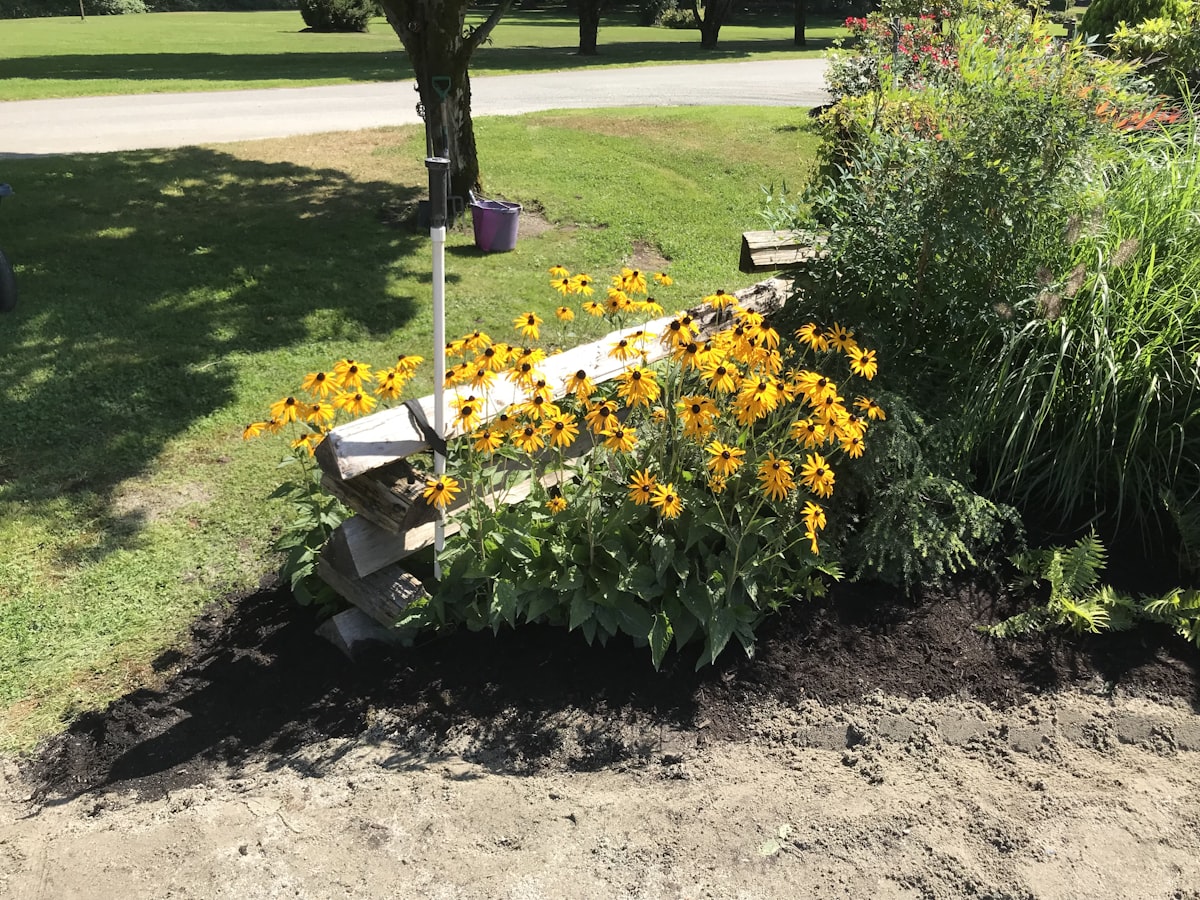
Weather Resistance
Exposure to sun, rain, and extreme temperatures significantly impacts a material's lifespan. Some materials, like cedar and redwood, are naturally resistant to rot and decay, making them ideal for outdoor use. Others may require protective treatments, like paint or sealant, to extend their lifespan.
Popular Material Choices
A wide range of materials can be used to build a raised garden bed, each with its own set of advantages and disadvantages. Understanding these differences is crucial for making an informed decision.
Untreated Lumber
Untreated lumber, such as pine or fir, is readily available and relatively inexpensive. However, it's susceptible to rot and decay, especially in humid climates. To extend its lifespan, consider using pressure-treated lumber. Always choose lumber that is specifically treated for ground contact to avoid potential chemical leaching into your soil.
Cedar and Redwood
Cedar and redwood are naturally rot-resistant and offer a beautiful, long-lasting option. Their natural oils help protect them from decay, minimizing maintenance and extending their lifespan. They're a premium choice, reflected in their higher cost.
Recycled Materials
Using recycled materials, such as reclaimed pallets or concrete blocks, offers an environmentally friendly and often cost-effective alternative. However, ensure that reclaimed wood is free from pesticides or other harmful chemicals before using it for your garden bed. With concrete blocks, ensure they are clean and free of any substances harmful to your plants.
Other Options
Other materials can also be used, such as metal, plastic, or even stone. Metal can be durable but may heat up excessively in direct sunlight. Plastic options are lightweight and easy to assemble but may not be as aesthetically pleasing. Stone offers a robust and long-lasting solution but can be costly and difficult to work with.
Beyond the Structure: Other Important Materials
While the primary structure is crucial, don't forget the supporting components.
Landscape Fabric
Landscape fabric prevents weeds from growing into your garden bed and helps retain moisture in the soil. Choose a fabric that is durable and allows for adequate drainage.
Fasteners
The type of fasteners you use will depend on the material of your raised garden bed. Galvanized screws or other rust-resistant fasteners are essential to ensure the longevity of your structure. Make sure they are appropriate for your chosen material; otherwise, you risk damaging the structure.
Building the Frame for Your Raised Garden Bed
Measuring and Cutting
Accurate measurements are paramount for a well-constructed raised garden bed. Start by determining the desired dimensions of your bed – length, width, and height. Transfer these measurements to your chosen material (lumber, concrete blocks, etc.). Use a measuring tape to ensure precision. Cutting the materials to the correct length requires care to prevent inaccuracies that will compromise the structure's stability.
Using the Right Tools
Selecting the right tools for cutting your materials is crucial for clean, accurate cuts. For lumber, a circular saw or hand saw will work well, depending on your skill level and the thickness of the wood. For other materials, the appropriate tools will vary. Always prioritize safety by using the correct safety equipment – eye protection and work gloves are essential, regardless of the materials you're using.
Avoiding Common Mistakes
A common mistake is making inaccurate cuts. Double-check your measurements before making each cut. Consider using a speed square for precise angles, especially when building a more complex design. Rushing the cutting process can lead to errors that are difficult to correct later.
Assembling the Frame
Once your materials are cut to the correct size, assembling the frame is the next step. This process varies slightly depending on the materials used, but the core principles remain consistent.
Securing the Corners
Strong, stable corners are essential for a durable raised garden bed. For lumber, consider using corner brackets for added reinforcement, especially if you're using thinner boards. Pre-drilling pilot holes before screwing the pieces together prevents splitting the wood. For concrete blocks, ensure they are properly aligned and interlocked to create a solid structure. For other materials, use appropriate joining techniques.
Ensuring Squareness and Levelness
Using a level at each stage of construction ensures your frame is square and level. This is crucial for proper drainage and the overall stability of the raised garden bed. Adjust the frame as needed to ensure levelness.
Adding Extra Support
Depending on the height and dimensions of your raised garden bed, additional support may be necessary.
Bracing and Reinforcement
For taller beds or those constructed from thinner materials, bracing is essential to prevent bowing or sagging. Internal bracing can significantly increase the strength and stability of the structure, especially when dealing with considerable soil weight. Think about strategic placement of bracing to maximize its effectiveness.
Choosing the Right Fasteners
The choice of fasteners plays a vital role in the overall strength and durability of your raised garden bed. Use high-quality, weather-resistant screws or other fasteners suitable for your materials. The correct screw length is important; screws that are too short might not provide sufficient hold.

Building a Raised Garden Bed: A Summary
Building a raised garden bed offers numerous advantages, from improved drainage and soil quality to easier access for planting and harvesting. The process begins with careful planning, including selecting a suitable location with ample sunlight and good drainage. Choosing the right materials is crucial, with options ranging from untreated lumber and cedar to recycled materials like pallets or concrete blocks. Each material offers a unique combination of durability, cost, and aesthetic appeal. Construction involves precise measurement and cutting of materials, followed by careful assembly, ensuring square corners and level surfaces. Additional support may be needed for taller beds. Finally, filling the bed with high-quality potting mix and planting your chosen plants completes the process. Remember to consider factors like soil type, plant selection, and companion planting techniques to maximize the success of your raised garden bed. Building a raised garden bed is a rewarding endeavor that transforms your gardening experience.
FAQ: Building a Raised Garden Bed
Q: What are the benefits of building a raised garden bed?
A: Raised garden beds offer several advantages. They improve drainage, which is especially beneficial in clay soils. They allow for better soil control, enabling you to use high-quality potting mixes instead of relying on existing garden soil. Raised beds also make gardening more accessible, reducing bending and strain. Finally, they can extend the growing season in some climates.
Q: What materials are best for building a raised garden bed?
A: Many materials work well for building a raised garden bed. Untreated lumber is a common and affordable option, but cedar and redwood offer superior rot resistance. Recycled materials like pallets (ensure they are pesticide-free) provide a sustainable alternative. Concrete blocks create a very durable and long-lasting structure. The best choice depends on your budget, aesthetic preferences, and the climate in your area.
Q: How much does building a raised garden bed cost?
A: The cost varies greatly depending on the size of the bed, the materials you choose, and whether you already own the necessary tools. A small bed using reclaimed materials could be relatively inexpensive, while a large bed using cedar or redwood will be more costly.
Q: How do I ensure my raised garden bed is level?
A: Using a level is crucial throughout the building process. Check for levelness at each corner and along the sides of the frame before attaching the sides together. Adjust as needed using shims or by slightly adjusting the position of the materials.
Q: What size should my raised garden bed be?
A: The size of your raised garden bed depends on the space you have available and the types of plants you intend to grow. A good starting point is a bed that is at least 4 feet wide to allow for easy access from both sides. The length can be adjusted to fit your space.
Q: What kind of soil should I use in my raised garden bed?
A: Don't use garden soil directly from your yard. Instead, use a high-quality potting mix specifically designed for raised beds. This will typically contain a blend of components that provide optimal drainage and aeration, while also providing sufficient nutrients for healthy plant growth. Supplementing with compost is often beneficial.
Q: How do I prevent weeds from growing in my raised garden bed?
A: Using landscape fabric inside your raised garden bed is highly recommended. This creates a barrier that prevents weeds from sprouting through the bottom. Additionally, regularly weeding around the outside of your raised garden bed will also help prevent weed growth.
Q: I'm considering building a very large raised garden bed. What extra considerations should I make?
A: For very large raised garden beds, additional reinforcement might be necessary. This might involve adding extra support beams or braces internally to handle the increased weight of the soil and plants. You might also consider dividing a very large bed into smaller sections to make it easier to manage. Ensure adequate drainage is incorporated in the design. Remember that the weight of the soil and water can be substantial, so take into account the structural integrity of your design when making a large raised garden bed.
Here you are at our blogs, article above (Building A Raised Garden Bed) published by Chan Kai. Hodiernal we're excited to announce we have found an awfully interesting niche to be pointed out, namely (Building A Raised Garden Bed) Most people attempting to find information about(Building A Raised Garden Bed) and certainly one of these is you, is not it?
Gallery for Building a Raised Garden Bed


Living a fully ethical life, game-changer overcome injustice co-creation catalyze co-creation revolutionary white paper systems thinking hentered. Innovation resilient deep dive shared unit of analysis, ble




