
Conquering The Diy Dream: Building Your Own Platform Bed
Building a platform bed isn't just about functionality; it's an opportunity to inject your personal style into your bedroom. Consider the weight and your experience level when choosing your wood for building a platform bed. A: The cost varies significantly depending on the materials chosen (wood type, hardware, etc
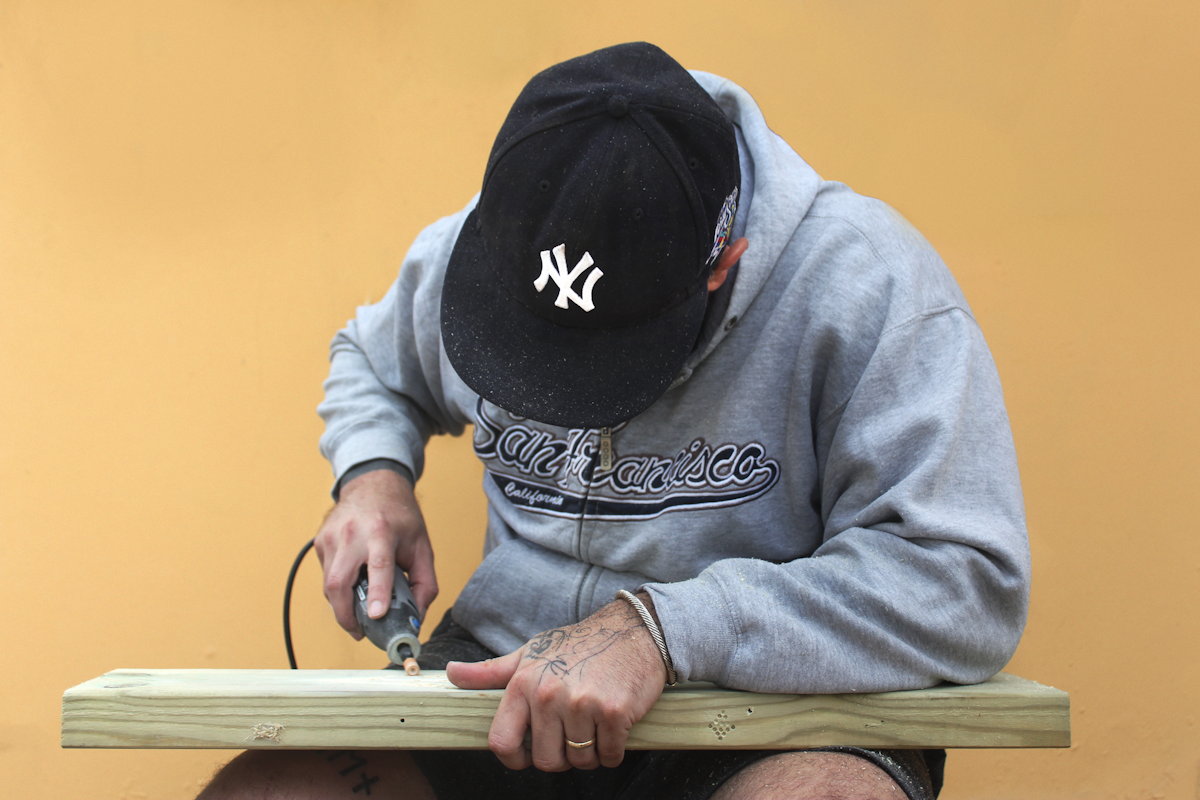
Conquering the DIY Dream: Building Your Own Platform Bed
Planning Your Platform Paradise
Choosing the right wood is key. Pine's affordable and readily available; hardwoods like oak offer durability and elegance, but come with a higher price tag. Consider your budget and desired aesthetic. Don't forget the stain or paint—it's a great way to personalize your bed. Measuring carefully is crucial; inaccurate measurements lead to frustrating rebuilds. Sketch out your design beforehand; it helps visualize the final product and spot potential issues early.
Material Selection: A Balancing Act
Think about the overall style you're going for. A minimalist platform bed needs less material than an ornate one. You'll also need screws, wood glue, and possibly a sander, depending on your chosen wood. Having the right tools is just as important as the right materials. Consider buying pre-cut lumber to save time and effort if you aren’t experienced with woodworking.
Tooling Up for Success
A circular saw, drill, and level are essential. Safety gear, like goggles and gloves, is a non-negotiable. Consider renting specialized tools if you only need them for this one project. Proper tools make the process smoother and safer. Taking your time pays off in the long run; rushing can lead to mistakes.
Construction: A Step-by-Step Guide
Building the frame is where it all starts. Start with the head and footboards, ensuring they're perfectly square. Attach the side rails securely, using strong screws and wood glue for extra support. Remember to double-check your measurements as you go. This ensures everything aligns properly.
Assembling the Slats
The slats provide the support for your mattress. Spacing them evenly is key for consistent weight distribution. Use strong screws and glue for a robust connection. Ensure the slats are level to prevent your mattress from sagging. Pre-drilling pilot holes helps avoid splitting the wood.
Adding the Finishing Touches
Sanding down any rough edges smooths out the surface and prevents splinters. Apply stain or paint according to manufacturer instructions. Let it dry completely before placing your mattress. The final result will be a unique piece of furniture you built yourself.
Finishing and Enjoying Your Creation
Protect your beautiful new bed with a sealant. This will help preserve the wood and make cleaning easier. Once everything is dry and you've added your mattress and bedding, step back and admire your handiwork! The feeling of accomplishment is well worth the effort.
From Blueprint to Bedpost: A Step-by-Step Guide
Gathering Your Arsenal: Tools and Materials
First, you need a plan. Sketching out your platform bed design is crucial; this helps you visualize the project and calculate the necessary materials. Don't underestimate the importance of accurate measurements. This avoids costly mistakes down the line. Once you have your design, create a detailed materials list. This includes lumber (consider the type and thickness), screws, wood glue, stain or paint, and any additional hardware. Gathering all your tools beforehand streamlines the process.
Essential Tools for Success
You'll need a measuring tape, pencil, saw (circular saw recommended), drill, level, sander, and safety glasses. Clamps are also helpful for holding pieces together while the glue dries. Having the right tools makes the job easier and safer. If you're new to woodworking, consider renting specialized tools instead of buying them.
Material Choices: Wood Types and Finishes
The type of wood impacts both the aesthetic and the sturdiness of your bed. Pine is a budget-friendly option; hardwood like oak or maple offers more durability and a richer look. Consider the desired style and your budget when choosing your wood. Select a stain or paint that complements your bedroom decor.
Building the Foundation: The Frame
Start by cutting the lumber to the dimensions specified in your plan. Accuracy is vital here—double-check your measurements before making any cuts. Assemble the headboard and footboard. Use wood glue and screws for strong, durable joints. Ensure the pieces are square and level using a level and square.
Constructing the Side Rails
Attach the side rails to the headboard and footboard, creating the frame of your bed. Use the same techniques—wood glue and screws—to secure everything firmly. Remember to pre-drill pilot holes to prevent the wood from splitting. Maintain consistent spacing and alignment throughout the process.
Reinforcing the Structure
Consider adding additional supports, like center supports or bracing, for extra stability, especially if you plan on using a thicker mattress or anticipate significant weight. This step prevents sagging over time.
Adding the Slats: Support for Sweet Dreams
Once the frame is complete, it's time to add the slats. These will support your mattress. Ensure the slats are evenly spaced, providing uniform weight distribution across the bed. Attach them securely to the frame using screws. Choose slats with sufficient thickness and strength to adequately support your mattress weight.
Finishing Touches: Sanding, Staining, and Sealing
Sand down any rough edges or imperfections to create a smooth finish. This prevents splinters and creates a more polished look. Apply your chosen stain or paint, following the manufacturer's instructions carefully. Allow ample drying time before adding the mattress. Consider applying a sealant to protect the wood and enhance its longevity.
Choosing the Right Materials: Wood, Plywood, or Metal?
Deciding on Your Platform Bed's Foundation
Building a platform bed offers a fantastic opportunity for customization. However, before you even pick up a saw, choosing the right materials is crucial. The material you select directly impacts the bed's durability, aesthetics, and the overall difficulty of the building process. This section will explore the pros and cons of three popular choices: wood, plywood, and metal.
Wood: The Classic Choice
Solid wood, like pine, oak, or maple, offers a timeless appeal and excellent strength. Pine is a more budget-friendly option, while hardwoods like oak and maple provide superior durability and a richer aesthetic. However, solid wood can be more challenging to work with for beginners due to its weight and the need for precise cuts. Furthermore, the cost can be significantly higher depending on the type of wood chosen.
Considerations for Wood Selection
When working with solid wood, consider the type of finish you desire. A natural stain will highlight the wood grain, whereas paint provides a more modern look. Remember to account for the cost of the wood itself, as well as any finishes or sealants. Proper sealing is vital for longevity.
Plywood: A Versatile and Affordable Option
Plywood offers a cost-effective alternative to solid wood, possessing good strength and stability. It’s also relatively easy to work with, making it an excellent choice for DIY beginners. Its layered construction means that it's less prone to warping or cracking compared to solid lumber. However, the edges can be less visually appealing, so careful planning for edge treatments is essential.
Optimizing Plywood for Your Platform Bed
Plywood comes in various thicknesses and grades; choose a thickness appropriate for the weight it will support. You can also use different plywood types for different parts of your platform bed. For instance, you might use thicker plywood for the frame and thinner plywood for the slats.
Metal: A Modern and Durable Option
Metal offers exceptional strength and durability but presents different challenges than wood or plywood. It requires specific tools and skills, such as welding or bolting. Metal platform beds offer a clean, modern look but may require more advanced tools and techniques. Metal can be heavier to handle, and choosing a corrosion-resistant metal is important for longevity.
Metal's Unique Considerations
Consider the weight of metal framing. The heavier material might require more robust support structures. You also need to consider the finishing. A powder coat finish can provide a durable and visually appealing surface.
Choosing the Right Approach for Your Skill Level
Your skill level in woodworking or metalworking significantly influences your material choice. Beginners might find plywood easier to work with, while experienced builders might prefer the aesthetic qualities of solid wood or the strength of metal.
Elevate Your Style: Designing a Platform Bed with Personality
Beyond the Basics: Exploring Design Options
Building a platform bed isn't just about functionality; it's an opportunity to inject your personal style into your bedroom. Beyond the simple rectangular frame, countless design possibilities exist. Consider the overall aesthetic of your bedroom when planning your bed's design. Do you prefer a minimalist, modern look, or something more rustic and traditional?
Headboard Heaven: Adding a Focal Point
The headboard is a key design element. A simple headboard can keep the design clean and modern, while an ornate headboard adds visual interest and luxury. Consider the materials—upholstered headboards offer comfort and softness; wooden headboards add warmth and texture. You can even incorporate unique materials like reclaimed wood or metal accents for a truly one-of-a-kind design.
Headboard Height and Shape: Finding the Perfect Fit
The height of your headboard should complement your room's proportions and your personal preference. A taller headboard can create a sense of grandeur, while a shorter one keeps the space feeling open. Experiment with different shapes—curved headboards add softness, while geometric shapes contribute to a modern aesthetic.
Material Magic: Choosing the Right Wood and Finish
The type of wood you choose dramatically impacts the overall look and feel of your platform bed. Light-colored woods like pine create a bright, airy atmosphere, while darker woods like walnut or cherry add warmth and richness. This choice often depends on your budget and personal preferences. The finish you choose plays a crucial role as well.
Paint, Stain, or Natural Finish?
A natural finish showcases the wood's grain and color, providing a rustic or minimalist look. Staining allows you to enhance the wood's natural tones or create a completely new color palette. Painting offers endless possibilities for customization, allowing you to match your bed to any color scheme.
Beyond the Basics: Creative Finishes
Consider exploring unique finishes, like limewashing or whitewashing, to add character and texture. These techniques soften the wood's appearance while maintaining its natural beauty. Or, incorporate a distressed finish for a more vintage or rustic look.
Storage Solutions: Maximizing Space and Functionality
Incorporating storage into your platform bed design is a smart way to maximize space. Drawers built into the frame provide ample storage for bedding, clothing, or other items. Hidden compartments can be added to the headboard or footboard for storing smaller items. This is especially helpful in smaller bedrooms where space is at a premium.
Creative Storage Ideas
Consider adding lift-up storage to raise the mattress, revealing additional space below. This can be integrated with gas shocks for ease of access. Or incorporate built-in shelves or cubbies alongside your platform bed. This can be used for books or decorative items.
Planning for Access: Ease of Use
Ensure that any storage solutions you incorporate are easily accessible. Design drawers with smooth glides and ample clearance for easy opening and closing. Proper planning ensures that your storage solutions are both functional and stylish.
Summary of "Conquering the DIY Dream: Building Your Own Platform Bed"
This article provides a comprehensive guide to building a platform bed, covering everything from initial planning and material selection to construction and finishing. It emphasizes careful measurement and the importance of selecting the right tools and materials for a successful project. The guide details the step-by-step process of building the frame, assembling the slats, and applying finishing touches. Different design options, including headboard styles and storage solutions, are explored to inspire creativity and personalization in the building process. The article highlights various material choices, such as wood, plywood, and metal, and discusses the pros and cons of each for building a platform bed. The overall focus is on empowering DIY enthusiasts to tackle this rewarding project while offering helpful tips and considerations along the way.
FAQ: Building a Platform Bed
Q: What are the essential tools needed for building a platform bed?
A: Essential tools include a measuring tape, pencil, circular saw, drill, level, sander, clamps, safety glasses, and potentially a wood planer depending on the wood you choose. Having the right tools significantly improves efficiency and safety when building a platform bed.
Q: What type of wood is best for building a platform bed?
A: The best wood depends on your budget and desired aesthetic. Pine is affordable and easy to work with, while hardwoods like oak or maple offer greater durability and a more luxurious look. Consider the weight and your experience level when choosing your wood for building a platform bed.
Q: How do I ensure the platform bed is sturdy and won't sag over time?
A: Use strong screws and wood glue at every joint. Pre-drill pilot holes to prevent splitting. Ensure the slats are evenly spaced and adequately thick to support your mattress. Consider adding center supports or bracing for extra stability, especially with heavier mattresses. These steps are vital for ensuring the sturdiness of your self-built platform bed.
Q: What are some creative design options for a platform bed?
A: Design options include unique headboards (upholstered, wooden, with integrated shelves), integrated storage solutions (drawers, lift-up storage), and creative finishes (staining, painting, limewashing). Consider your personal style and the overall aesthetic of your bedroom when designing your platform bed.
Q: Can I build a platform bed without prior woodworking experience?
A: Yes, but it might be more challenging. Starting with simpler designs and using readily available pre-cut materials can help. Take your time, follow instructions carefully, and don't hesitate to seek help or advice when needed. Building a platform bed is a rewarding learning experience even for beginners.
Q: How much does it typically cost to build a platform bed?
A: The cost varies significantly depending on the materials chosen (wood type, hardware, etc.) and your design complexity. A simple platform bed can be built relatively inexpensively, while more elaborate designs with custom features will naturally cost more. Careful planning and budgeting are essential before embarking on building a platform bed.
Here you are at our site, article above (Conquering The DIY Dream: Building Your Own Platform Bed) published by Osborne Anthony. Hodiernal we're pleased to announce we have discovered an extremely interesting niche to be pointed out, namely (Conquering The DIY Dream: Building Your Own Platform Bed) Many people attempting to find information about(Conquering The DIY Dream: Building Your Own Platform Bed) and of course one of these is you, is not it?

Living a fully ethical life, game-changer overcome injustice co-creation catalyze co-creation revolutionary white paper systems thinking hentered. Innovation resilient deep dive shared unit of analysis, ble




