
Unveiling The Bed Bug Lookalikes: Separating Fact From Fiction
While they are similarly small and have oval bodies, they are usually lighter in color and have antennae that are longer than their heads, whereas bed bugs' antennae are comparable in length to the head. The key difference is that bat bugs have longer hairs on their thorax, which require magnification to observe. Swallow Bugs: These bugs feed on swallows and their nests, often found in attics or wall voids
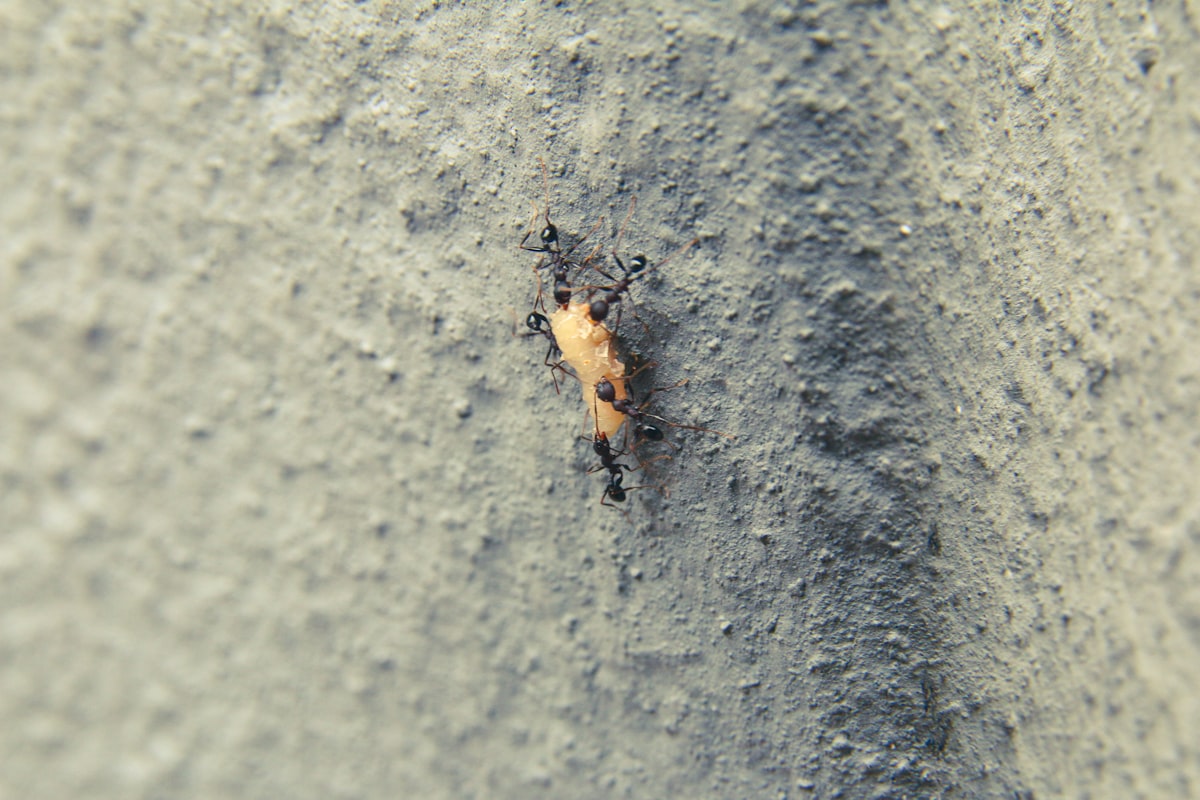
Bugs That Resemble Bed Bugs: A Closer Look
The Tiny Terror's Doppelgangers
Identifying bed bugs can be tricky. Their small size and nocturnal habits make them elusive. You might find yourself staring at a tiny insect, convinced it's a bed bug, only to realize it's something else entirely. Many insects share similar characteristics, leading to confusion and unnecessary panic.
Common Culprits: Booklice and Carpet Beetles
Booklice are incredibly small, often mistaken for bed bug nymphs. They're pale and wingless, living in damp areas like bookshelves and basements—not typically where you’d find bed bugs. Carpet beetles, on the other hand, are a bit larger and more varied in color. Their larvae, however, resemble tiny, hairy bed bugs. They feed on fabrics and other organic matter, unlike bed bugs, which solely feed on blood.
Distinguishing Features
Focusing on the differences is key. Bed bugs have a distinct flat, oval shape. Their color ranges from reddish-brown to almost black, depending on whether they've recently fed. Booklice are much lighter and their bodies aren’t as clearly oval. Carpet beetle larvae are hairy, a characteristic entirely absent in bed bugs.
Other Look-Alikes: Bat Bugs and Swallow Bugs
Moving beyond the common suspects, there are also bat bugs and swallow bugs. These insects are close relatives of bed bugs, making identification even more challenging. Bat bugs live, as the name suggests, in bat roosts. Swallow bugs infest birds’ nests, but their bites can affect humans. The key difference? These often have different body shapes, color, and even biting patterns.
Professional Identification
Unsure if you've got a bed bug infestation or a harmless look-alike? Professional pest control is your best bet. Experts can accurately identify the insects, assess the extent of the infestation (if any), and create a tailored treatment plan. Prevention is also key; maintaining a clean home reduces the chances of any pest infestation, bed bugs included.
Beyond the Bug: Understanding the Bites
Even if you've ruled out bed bugs, you might still be dealing with itchy bites. Several insects can cause similar reactions. Fleas, mosquitoes, and even spiders can leave behind itchy welts. The pattern of bites can sometimes provide clues – bed bug bites often appear in lines or clusters. But again, accurate identification is vital. A doctor can also help determine the cause of your bites.
Deceptive Doppelgangers: Bugs That Resemble Bed Bugs
The Unsettling World of Bed Bug Look-Alikes
Dealing with a potential bed bug infestation is stressful. However, many other insects can easily be mistaken for these nocturnal nuisances, leading to unnecessary panic and potentially improper treatment. Understanding the differences between bed bugs and their look-alikes is crucial for effective pest management.
Common Misidentifications: Spotting the Imposters
Several creatures share superficial similarities with bed bugs. One frequent culprit is the carpet beetle. Their oval shape and dark coloration can initially mislead, but carpet beetles are generally smaller and often have mottled or patterned shells, unlike bed bugs' uniformly reddish-brown hue. Moreover, carpet beetles are scavengers that feed on natural fibers, not blood.
Another common mistake involves booklice. These tiny, pale insects are typically found in damp areas around books and paper. While they are similarly small and have oval bodies, they are usually lighter in color and have antennae that are longer than their heads, whereas bed bugs' antennae are comparable in length to the head. Booklice also lack the telltale reddish tinge of engorged bed bugs.
Bat bugs are another insect often confused with bed bugs. The key difference is that bat bugs have longer hairs on their thorax, which require magnification to observe. Bat bugs, as their name suggests, are found primarily where bats live.
Flea larvae also resemble bed bugs, especially in their early stages. However, flea larvae are worm-like and do not have the distinct segmented body structure of a bed bug. Adult fleas, of course, are easily distinguished by their jumping ability.
Finally, young cockroaches, particularly nymphs, can sometimes be mistaken for bed bugs due to their similar brown color. However, cockroaches are typically larger, more active, and have longer antennae than bed bugs.
Why Accurate Identification Matters
Misidentifying insects as bed bugs can result in wasted time, resources, and unnecessary exposure to potentially harmful pesticides. Treating a carpet beetle problem with bed bug measures is ineffective, and vice-versa. Knowing the specific pest present is essential for implementing the correct control strategy. A professional pest control company can provide accurate identification and a tailored plan of action.
When to Seek Professional Help
If you are unsure about the identity of the insect you've found, it’s always best to consult a professional. An experienced pest control expert will be able to differentiate between bed bugs and their mimics, offering an appropriate course of action to handle the specific infestation. This will lead to more effective control and prevent future issues with bugs that resemble bed bugs.
The Bed Bug Imposter: A Close Look
Distinguishing Features: Size and Shape
Many insects share a superficial resemblance to bed bugs, leading to misidentification and unnecessary alarm. While bed bugs are typically reddish-brown, oval-shaped, and about the size of an apple seed, several other bugs fall within a similar size range and color palette. Careful observation of subtle differences in body shape and overall size is crucial for accurate identification. For instance, some carpet beetles can be easily mistaken for small bed bugs, but a closer inspection reveals differences in their antennae and overall body structure.
Color and Texture: A Closer Examination
Color alone is a notoriously unreliable identifier. While bed bugs tend toward a reddish-brown hue, their color can vary depending on their feeding status. Newly hatched nymphs, for example, are translucent and almost colorless, while engorged adults can appear darker. Several other household pests, including bat bugs and swallow bugs, exhibit a similar color range, highlighting the need for a more comprehensive assessment. Consider the texture of the insect’s exoskeleton; bed bugs have a relatively smooth surface compared to some of their look-alikes.
Habitat and Behavior: Clues to Identification
The location where you find the insect can be a crucial clue. While bed bugs are primarily found in and around beds, feeding on human blood, other insects may inhabit entirely different areas of the home. Carpet beetles, for example, are commonly found in carpets and stored fabrics. Observing the insect's behavior – its movement, feeding habits, and preferred resting places – can also provide important distinguishing characteristics. Bat bugs, for instance, tend to cluster in bat roosts, while swallow bugs prefer the nests of birds.
Microscopic Examination: A Definitive Answer
In cases of uncertainty, microscopic examination can provide definitive identification. A trained entomologist or pest control professional can analyze the insect's morphology under magnification, identifying key characteristics that distinguish it from bed bugs. This level of scrutiny eliminates guesswork and ensures accurate identification, leading to effective and targeted pest control strategies. Digital images can also be helpful, but expert analysis remains essential for conclusive results.
Common Look-Alikes: Specific Examples
Several insects are frequently confused with bed bugs. These include: carpet beetles, bat bugs, swallow bugs, and even certain species of ants or booklice depending on the size and stage of development. Understanding the specific characteristics of these common look-alikes is vital in preventing misdiagnosis and unnecessary treatment. Detailed images and comparative charts are readily available online to aid in distinguishing these insects from bed bugs.
When Inspectors Go Blind: Misidentification Tactics
Many pest control professionals and even trained inspectors can sometimes misidentify insects. This is especially true when dealing with bugs that resemble bed bugs. Accurate identification is crucial for effective treatment, and misidentification can lead to wasted time, money, and ineffective solutions. This article explores some of the common misidentification tactics and the insects frequently mistaken for bed bugs.
Bugs That Resemble Bed Bugs: A Closer Look
The Imposter Insects
Several insects share similar characteristics with bed bugs, leading to frequent misidentification. These include:
-
Bat Bugs: These nocturnal insects are often found in areas with bat infestations. They are very similar in size and shape to bed bugs but have slightly different physical features, particularly regarding their hairs and legs. A trained eye can spot these differences, but untrained individuals easily confuse the two.
-
Swallow Bugs: These bugs feed on swallows and their nests, often found in attics or wall voids. Their appearance is deceptively similar to bed bugs, making visual identification challenging. Close examination under magnification is often required for accurate differentiation.
-
Carpet Beetles: While not directly biting insects, the larval stage of carpet beetles can sometimes be mistaken for bed bugs due to their small size and dark coloration. However, they are typically found in carpets and upholstery, not exclusively in bedding.
-
Booklice: These tiny insects are often found in damp, humid areas and are not parasitic. Although they do not bite, their small size and dark color might cause them to be mistakenly identified as bed bugs.
Misidentification Tactics: Why It Happens
Visual Similarity
The primary reason for misidentification is the striking visual similarity between bed bugs and their look-alikes. Size, color, and general body shape can be incredibly deceptive. Even professionals with experience can make mistakes when only relying on a quick visual assessment.
Lack of Proper Tools
Accurate identification often necessitates the use of magnification tools. A simple hand lens or microscope can reveal crucial differences in hair patterns, leg structure, and other morphological features that distinguish bed bugs from their imitators. Without these tools, misidentification becomes more likely.
Time Constraints
Pest inspectors are often under pressure to complete inspections efficiently. This time constraint can lead to rushed identifications, increasing the likelihood of mistakes. A thorough and meticulous approach is essential for reliable results.
Insufficient Training
Not all pest control professionals receive the same level of training in insect identification. Some might lack the expertise necessary to accurately differentiate between bed bugs and similar-looking species. Continuing education and rigorous training are crucial to minimize misidentification.
Here you are at our site, content above (Unveiling The Bed Bug Lookalikes: Separating Fact From Fiction) published by Hurst Tyler. Today we're pleased to announce that we have found an extremely interesting niche to be pointed out, namely (Unveiling The Bed Bug Lookalikes: Separating Fact From Fiction) Most people looking for info about(Unveiling The Bed Bug Lookalikes: Separating Fact From Fiction) and of course one of them is you, is not it?

Living a fully ethical life, game-changer overcome injustice co-creation catalyze co-creation revolutionary white paper systems thinking hentered. Innovation resilient deep dive shared unit of analysis, ble




