
The Unseen Threat: Understanding Black Bed Bugs
When we talk about black bed bugs, it's easy to assume we're dealing with a different species entirely. Actually, what you're likely seeing are adult bed bugs that are engorged with blood or nymphs that have just molted. The misconception of black bed bugs often stems from seeing a very dark adult, especially in poor lighting
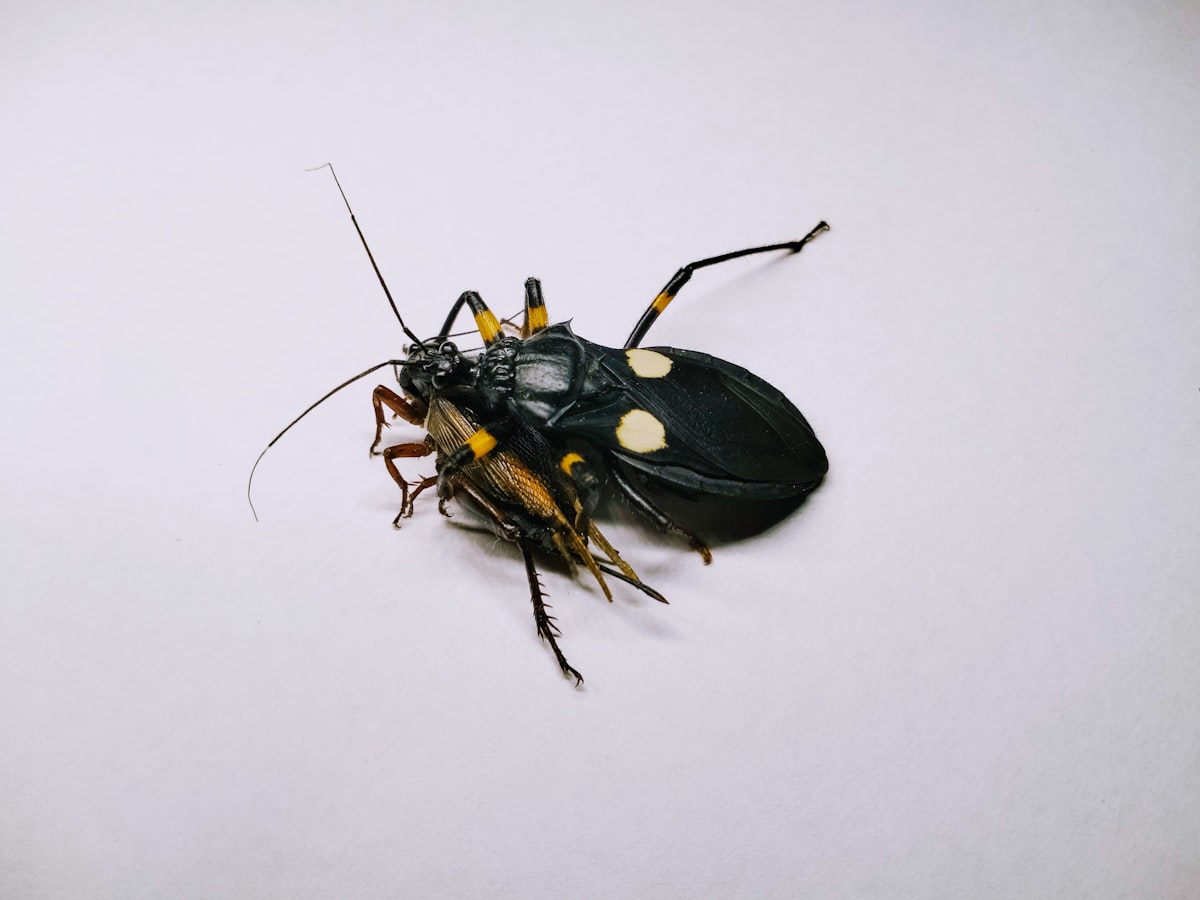
The color of a bed bug might seem like a minor detail, but it's often the first thing people notice. When we talk about "black bed bugs," it's easy to assume we're dealing with a different species entirely. Actually, what you're likely seeing are adult bed bugs that are engorged with blood or nymphs that have just molted. Their appearance, while startling, doesn't necessarily mean a new, more dangerous type has invaded your home.
The Color Spectrum of Bed Bugs
Bed bugs aren't born black. They start their lives as tiny, almost translucent nymphs. As they feed and grow, their color shifts. A newly fed bed bug appears reddish, and this color darkens over time as it digests its meal. The darkness of a bed bug also varies depending on its stage of development and how recently it's had a blood meal. The darkest specimens are usually adults that have recently fed, giving them a very dark, almost black look.
Why the Confusion?
The misconception of "black bed bugs" often stems from seeing a very dark adult, especially in poor lighting. It's understandable why people might assume they're facing something different or more problematic. Then there's the fact that nymphs, just after molting, can appear a darker shade before their exoskeletons harden. So, you're basically witnessing a natural progression of color, not a distinct subspecies.
Identifying Infestations
Regardless of the color they display, the signs of a bed bug infestation are pretty consistent. You might find shed exoskeletons, tiny dark fecal spots on bedding or furniture, and, of course, the bites. These bites often present as small, itchy red welts in a line or cluster, often on exposed skin. It’s key to remember that color isn't the best identifier. Instead, focus on the other evidence these pests leave behind.
What to Do If You Find Them
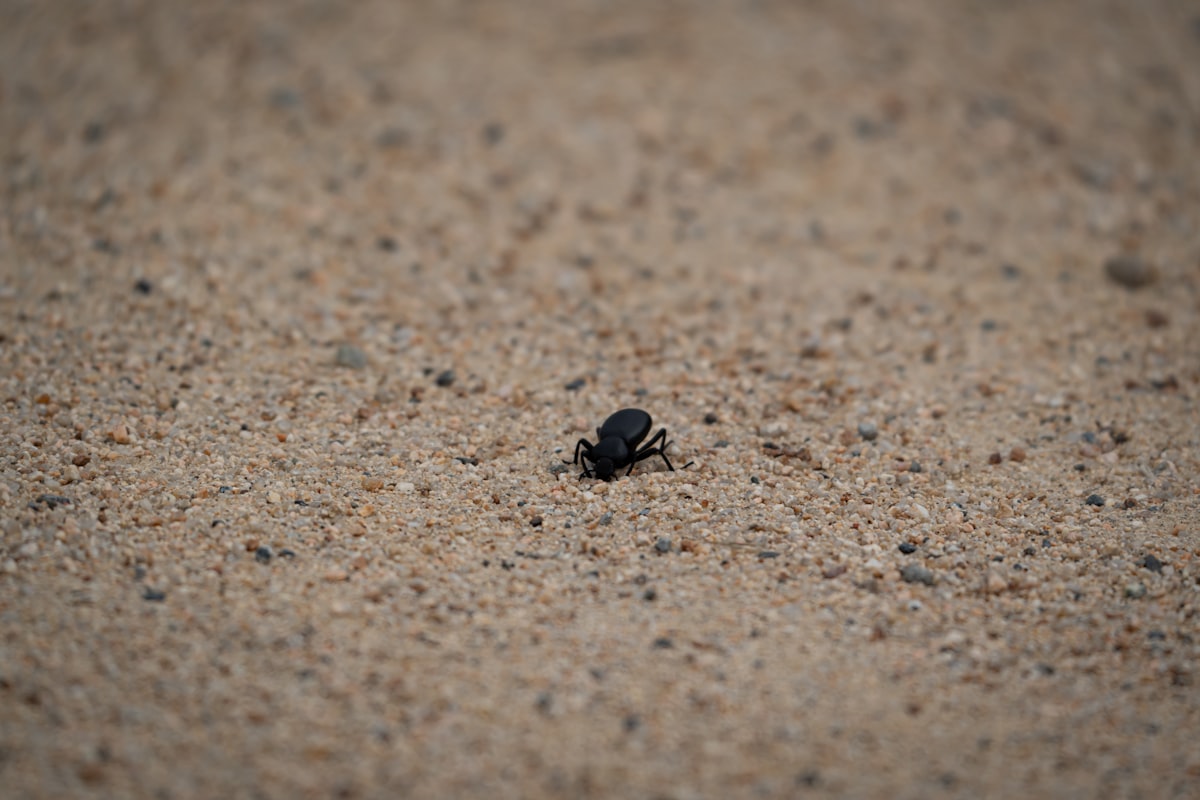
Discovering bed bugs can be unnerving, but reacting quickly is vital. Don't delay, whether the bugs you see are dark or lighter. Getting professional help is often the most effective way to deal with these pests. Pest control specialists know exactly what to look for and have the right tools to tackle infestations thoroughly. They can accurately identify what you are dealing with and come up with a proper treatment plan. DIY approaches sometimes fail, leading to prolonged issues, especially if you're not sure where the bugs are hiding.
Prevention is Key
Keeping bed bugs away is better than fighting them after they've moved in. When you’re traveling, inspect hotel rooms before settling in. Check the mattress seams and headboards. Consider keeping luggage off the floor and away from beds. When you are home, regularly vacuum and launder your bedding. These actions minimize the chances of unintentionally bringing in bed bugs and preventing infestations.
Thanks for visiting our website, content above (The Unseen Threat: Understanding Black Bed Bugs) published by Bull Edward. Nowadays we're delighted to announce that we have found a very interesting niche to be reviewed, that is (The Unseen Threat: Understanding Black Bed Bugs) Most people trying to find details about(The Unseen Threat: Understanding Black Bed Bugs) and definitely one of them is you, is not it?
Gallery for The Unseen Threat: Understanding Black Bed Bugs

Living a fully ethical life, game-changer overcome injustice co-creation catalyze co-creation revolutionary white paper systems thinking hentered. Innovation resilient deep dive shared unit of analysis, ble




