
The Itchy Truth: Bites From Bed Bugs
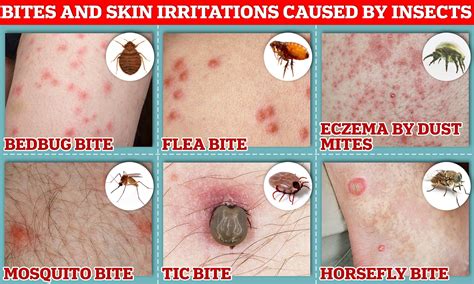
The tiny terror of bites from bed bugs can turn a peaceful night into a maddening scratch-fest. You might not even realize they've invaded your space until those telltale itchy welts appear. These little nocturnal hitchhikers are experts at hiding, making them a challenge to deal with. Imagine, you're sound asleep, completely unaware that these minuscule creatures are feasting on you. It's a scenario no one wants, yet it’s increasingly common.
Identifying Bed Bug Bites
The appearance of bites from bed bugs can vary. Some people develop small, red, raised bumps, often in a line or cluster. Others might not react at all, while some experience more significant inflammation. The level of itching also ranges dramatically. You might find yourself just slightly bothered, or consumed by an unrelenting need to scratch. This variation is due to individual allergic responses, not to differences in the bugs themselves. The bite itself is usually painless as bed bugs inject an anesthetic when they feed. The reaction is the body’s response.
Where Do They Bite?
Bed bugs aren't picky eaters, but they do tend to target areas of exposed skin while you sleep. Think arms, legs, neck, shoulders, and hands. These are the prime spots, since they are easier to access. Of course, if you sleep in pajamas with only your face exposed, you may find bites from bed bugs there. They’ll find the path of least resistance.
Differentiating From Other Bites
It can be tricky telling bed bug bites from other insect encounters. Mosquito bites often leave larger, rounder welts. Flea bites, usually more common in people with pets, can pop up around ankles and lower legs. Spiders, of course, will leave a more defined, singular mark if they bite at all. Knowing the signs of bed bugs really comes down to patterns and circumstance. The line or cluster, and the nighttime timing, points strongly to our unwanted roommates.
Why Are Bed Bugs Such a Problem?
These aren’t just an issue of uncleanliness. Bed bugs are opportunistic. They are excellent travelers, easily hitching rides on luggage, clothing, and furniture. They're equal opportunity invaders. A stay in a hotel, a seat on public transport, or even a visit from a friend, can result in an unexpected infestation at home. Once they're established, they are incredibly hard to get rid of. They can survive for months without feeding, so an empty room isn't necessarily a bug-free room.
Effective Control Measures
Dealing with bites from bed bugs isn't just about treating the symptoms – the itch. It's about eradicating the bugs. Professional pest control is often necessary, but there are things you can do yourself. Regularly inspect your bedding, mattress, and furniture for signs of the bugs, like tiny dark spots or shed skins. Washing your bedding in hot water and drying it on high heat can kill bed bugs and their eggs. Vacuuming diligently can help reduce their numbers. These are not a complete solution, however, so calling in experts is usually the most effective method.
Preventing Future Infestations
Prevention is better than cure, so make careful checks when you travel. Inspect hotel rooms before fully unpacking and keep your luggage off the floor. When you return home, wash your clothes immediately. Be equally cautious when acquiring used furniture. Understanding how these creatures get around can really minimize the chances of a repeat encounter, or another bout of bites from bed bugs.
The quest to understand bites from bed bugs often begins with an unsettling realization: you're waking up with itchy welts. These tiny invaders are masters of stealth, making identification a crucial first step in reclaiming your comfort. It's not always a straightforward process, however, as bed bug bites can mimic other skin reactions. So, what should you be looking for?
Sleuthing Out the Culprits: Identifying Bed Bug Bites
Understanding the characteristics of bites from bed bugs is key to distinguishing them from other insect encounters. The pattern, the timing, and your personal reaction all contribute to piecing together the puzzle. Remember, not everyone reacts the same way, which further complicates things.
What Do Bed Bug Bites Look Like?
Typically, bites from bed bugs appear as small, raised, red bumps or welts. They often show up in clusters or a line. This linear arrangement is a hallmark characteristic, hinting at the bugs having fed along an exposed area of skin. The bites themselves are usually painless initially; the itching and inflammation develop later, as an allergic response. Some people react mildly, while others develop more significant swelling and intense itching.
Timing and Location of Bites
These creatures are nocturnal, meaning their feeding typically occurs while you’re asleep. If you wake up with new bites, this is a strong indicator. Also, look to exposed areas – arms, legs, neck, shoulders, and hands – as prime targets. However, if you're completely covered in pajamas, they may bite areas that are open to the air, such as the face. Bed bugs are not picky about skin, but will always go for the easiest access point.
Similarities to Other Insect Bites
It's important to differentiate bites from bed bugs from those caused by other insects. Mosquito bites tend to be larger and more rounded. Flea bites, often appearing around the ankles, typically occur when you have pets. Spider bites are often singular, and the bite site itself can sometimes show a puncture mark. Being able to consider these other options is important when determining how to approach a potential bed bug problem.
Beyond the Bites: Confirming an Infestation
While identifying bites from bed bugs is helpful, it's crucial to seek further proof of an infestation. Bites are just one piece of the puzzle. Seeing the actual bugs, or their signs, is the true confirmation.
Searching for Bed Bug Evidence
Look for bed bugs themselves. They are small, oval, and reddish-brown in color, about the size of an apple seed. You might find them hiding in mattress seams, furniture crevices, or behind baseboards. Dark or rust-colored spots on your bedding, which are fecal matter, can also be an indication. Shed exoskeletons are another sign, further supporting the presence of bed bugs. A thorough search is your best bet for catching these critters.
When to Seek Professional Help
Confirming a bed bug infestation warrants immediate action. DIY treatments are rarely effective, due to their ability to hide and survive for long periods. Professional pest control services have the knowledge and tools to completely eliminate bed bugs. If you suspect you have a problem, reaching out to an expert is highly recommended, to ensure proper treatment and prevent future occurrences of bites from bed bugs.
The vexation of bites from bed bugs extends far beyond the surface itch; it's a complex interaction between a tiny pest and your body’s immune system. Understanding what transpires beneath the skin can shed light on why these bites are so bothersome, and why reactions vary so wildly from person to person. This insight is invaluable in both managing the immediate discomfort and taking steps to prevent future encounters.
The Bite Stuff: What's Really Happening Under Your Skin
The seemingly simple act of a bed bug taking a blood meal is anything but simple when you consider the biological mechanisms at play. It’s a finely tuned process, from the initial puncture to the body’s response. This understanding goes a long way in knowing how to combat the effects of bites from bed bugs.
The Bed Bug's Feeding Process
Bed bugs are equipped with a specialized mouthpart called a proboscis. They use this to pierce the skin and extract blood. As they do this, they inject saliva, which acts as an anesthetic to dull any pain, and also contains anticoagulants to keep the blood flowing. This complex cocktail of chemicals enables the bed bug to feed unnoticed, leading to that delayed and unwelcome surprise of itchy welts. This is a key element of why bites from bed bugs can seem so insidious.
The Body's Response to Bites
The true cause of that relentless itching after bites from bed bugs is not from the bite itself, but rather from your immune system. The injected saliva is foreign to your body, triggering an immune reaction. Histamine, a chemical released during this process, causes inflammation, redness, and, of course, that all-too-familiar itching sensation. The severity of this reaction varies, based on an individual’s sensitivity, making the experience of bites from bed bugs highly personal.
Why Reactions Vary
Not everyone reacts the same way. Some people develop significant swelling and itching, while others might only notice a small, fleeting red mark. Genetics, prior exposure, and an individual's immune response all contribute to this variability. Individuals can even experience a change in reactivity over time. Repeated bites from bed bugs might lead to an increase in the severity of reactions. This also means that someone can suddenly find themselves having a reaction, when they never did before.
Managing the Itch and Discomfort
While understanding the biology behind the itch can be interesting, managing the discomfort is equally important. There are various methods available to soothe the effects of bites from bed bugs.
Over-the-Counter Remedies
Topical creams or ointments containing corticosteroids can help reduce inflammation and itching, and are often the first step in seeking relief. Antihistamines, whether topical or oral, can also ease the symptoms by blocking the release of histamine. These options can bring a degree of respite, making the experience less intense. Be certain to follow any product directions carefully.
When to Seek Medical Attention
In most cases, bites from bed bugs resolve on their own with proper home care. However, if you experience signs of an allergic reaction, such as severe swelling, hives, or difficulty breathing, it's crucial to seek medical attention. Secondary infections from excessive scratching are also a risk, so keeping the affected area clean is essential. These situations need prompt medical intervention.
The Importance of Treating the Source
While these remedies will help manage the symptoms, they do nothing to eliminate the underlying problem of the bites from bed bugs themselves. Getting rid of the bugs is the most important action you can take, to truly deal with the situation. Contacting professionals who specialize in this area, is a smart move in getting back your comfortable nights of sleep.
The physical discomfort of bites from bed bugs is just one aspect of dealing with these unwelcome house guests. The persistent itching, the disrupted sleep, and the very thought of these tiny creatures feasting on you can take a significant toll on your emotional well-being. Learning to cope with these feelings is as important as addressing the physical symptoms. It’s about reclaiming your comfort and sanity.
Don't Let the Bed Bugs Bite...Your Sanity: Coping with the Itch
The psychological impact of bites from bed bugs is often underestimated. It’s not simply about the itch. The feeling of being invaded in your own home, the worry about spreading the problem, and the sheer frustration of the situation can lead to increased stress and anxiety. Acknowledge these feelings, and then take action.
The Emotional Toll of Bed Bug Infestations
The constant awareness of bites from bed bugs can cause significant sleep disruption. The itching can keep you up, and the feeling of being "hunted" can leave you tense and unable to relax, making sleep feel unattainable. This lack of sleep only exacerbates stress, creating a vicious cycle. This constant vigilance and heightened awareness can lead to feelings of being on edge.
Validating Your Feelings
It's vital to recognize that your feelings are valid and understandable. Feeling anxious, stressed, or even disgusted by the presence of bites from bed bugs is normal. This isn't simply a matter of being "too sensitive" – it’s a very real experience that can have a real impact on your mental health. By giving yourself permission to feel these things, you create space to manage them more effectively.
Seeking Support and Understanding
Talking to friends, family, or support groups can provide an outlet for your frustrations and anxieties, as talking always helps you feel less alone. Sometimes just knowing others have faced similar issues can be immensely comforting. Also, connecting with professionals who work with these situations may bring additional insights into coping strategies. Never hesitate to seek out this assistance.
Practical Strategies for Regaining Control
Beyond dealing with the emotional distress, taking practical steps to manage the itch and your environment can provide a sense of control over the situation caused by bites from bed bugs. It’s about shifting from feeling victimized to feeling empowered.
Managing the Physical Discomfort
While you're taking steps to eliminate the bed bugs, focus on managing the symptoms. Use over-the-counter remedies to relieve itching and swelling. Try cool compresses to reduce irritation. Keeping fingernails short can help prevent skin damage from scratching. These are small things, but they can have a considerable impact on reducing the intensity of the experience.
Creating a Safe and Clean Environment
Focus on creating a clean and safe environment to promote sleep and reduce stress. Wash your bedding and pajamas in hot water frequently, and vacuum regularly. Clear out any clutter that can provide more hiding places for bed bugs. A sense of order and cleanliness in your space can help with your feelings of anxiety and restore a sense of control. The feeling of doing something positive helps to counteract the negative emotions.
Focus on the Long-Term Solution
Dealing with bites from bed bugs can be draining, but it's important to remain hopeful and focused on the long-term solution: eradication of the infestation. This mindset helps reduce the intensity of the moment, and allows you to see beyond the short-term discomfort. By focusing on the actions you are taking, you can find yourself feeling much more grounded and secure.
Summary of "The Itchy Truth: Bites from Bed Bugs"
This collection of articles delves into the multifaceted problem of bed bug infestations, focusing on the experience of bites from bed bugs and how they impact individuals both physically and emotionally. The initial piece introduces the commonality of bed bug encounters, highlighting their stealthy nature and the variable reactions they cause, and emphasizes the importance of proper identification of their bites. It details how these bites often appear as red, raised bumps in clusters or lines, usually targeting exposed skin areas. It further differentiates these bites from those of other insects, such as mosquitoes and fleas, emphasizing the nocturnal nature of bed bug activity and the patterns of their bites. The articles discuss the reasons behind infestations, noting their opportunistic travel habits, and provide advice on effective control measures, including professional pest control and practical steps for prevention. Another section elaborates on the biological mechanisms behind bites from bed bugs, detailing the feeding process and the body's immune response, which triggers the inflammation and itching. It further explains the variability of individual reactions to bites from bed bugs and suggests over-the-counter remedies for managing the immediate discomfort. The final section addresses the psychological impact of dealing with bed bugs and their bites, focusing on the stress and anxiety associated with infestations, and the importance of emotional support and strategies for regaining a sense of control over the situation. The emphasis here is on combining practical remedies with proactive mental health management, including a long-term view toward successful eradication of these pests.
Frequently Asked Questions (FAQ)
Q: What exactly do bites from bed bugs look like? A: Bites from bed bugs usually appear as small, raised, red bumps or welts. They often occur in a line or cluster on exposed skin, especially where the body rests on a surface. The welts can range from very minor to more noticeable swelling depending on individual sensitivity.
Q: Are bites from bed bugs painful? A: No, the actual bite is usually painless. Bed bugs inject an anesthetic when they feed, so you typically won't feel them biting. The itching and inflammation that follow are your body's reaction to the bug's saliva.
Q: How can I tell the difference between bites from bed bugs and other insect bites? A: Bites from bed bugs tend to appear in lines or clusters, often in exposed areas. Mosquito bites are usually larger and rounder, while flea bites are more common around the ankles. Spider bites are often a single, distinct puncture mark. The timing also matters; bed bugs are mostly active at night.
Q: Why do bites from bed bugs itch so much? A: The itching is a result of your body's immune response to the bed bug's saliva. The saliva contains chemicals that trigger an inflammatory reaction, leading to the release of histamine, which causes redness and intense itching.
Q: Can bites from bed bugs transmit diseases? A: There is no evidence that bites from bed bugs transmit diseases to humans. However, the intense itching can lead to secondary infections if you scratch too much.
Q: What should I do if I suspect I have bites from bed bugs? A: First, thoroughly inspect your bedding, mattress, and furniture for signs of bed bugs, like tiny dark spots or shed skins. If you find evidence of bed bugs, consider contacting professional pest control services, since home remedies are usually not enough to fully eradicate an infestation.
Q: Are bites from bed bugs a sign of poor hygiene? A: No, bed bugs aren't attracted to dirt or poor hygiene. They are opportunistic pests that can easily travel on clothing, luggage, and furniture. You can pick them up in hotels, on public transport, or from used items.
Q: How can I prevent bites from bed bugs when I travel? A: When you travel, inspect your hotel room before fully unpacking and keep your luggage off the floor. Upon returning home, immediately wash your clothes and consider vacuuming your luggage. These steps can minimize the chances of bringing bed bugs home with you.
Q: Are there any home remedies that work for getting rid of bed bugs? A: Home remedies, such as washing bedding in hot water and vacuuming, can help, but they are typically not enough to completely eliminate a bed bug infestation. Professional pest control is usually required for effective eradication of the bugs.
Q: How long does it take for bites from bed bugs to heal? A: The duration of the reaction to bites from bed bugs varies. In most cases, the welts and itching will subside within one to two weeks if left alone. Topical creams or ointments and antihistamines may also help alleviate the itching more quickly. If they last longer or increase in severity, it may be wise to seek additional medical assistance.
Thanks for visiting our website, article above (The Itchy Truth: Bites From Bed Bugs) published by Reid Isaac. Nowadays we are delighted to declare that we have discovered an incredibly interesting topic to be pointed out, that is (The Itchy Truth: Bites From Bed Bugs) Many people searching for details about(The Itchy Truth: Bites From Bed Bugs) and definitely one of these is you, is not it?

Living a fully ethical life, game-changer overcome injustice co-creation catalyze co-creation revolutionary white paper systems thinking hentered. Innovation resilient deep dive shared unit of analysis, ble




