
Choosing The Optimal Soil For Raised Bed Gardening
Creating the best soil for raised beds involves understanding its key components and tailoring the mix to meet the specific needs of your garden. The best soil for raised beds typically consists of a blend of one-third compost, one-third aeration material (like vermiculite or perlite), and one-third moisture-retentive material (such as peat moss or coconut coir). Mixing garden soil with compost and aeration materials can improve its quality, making it more suitable for raised beds
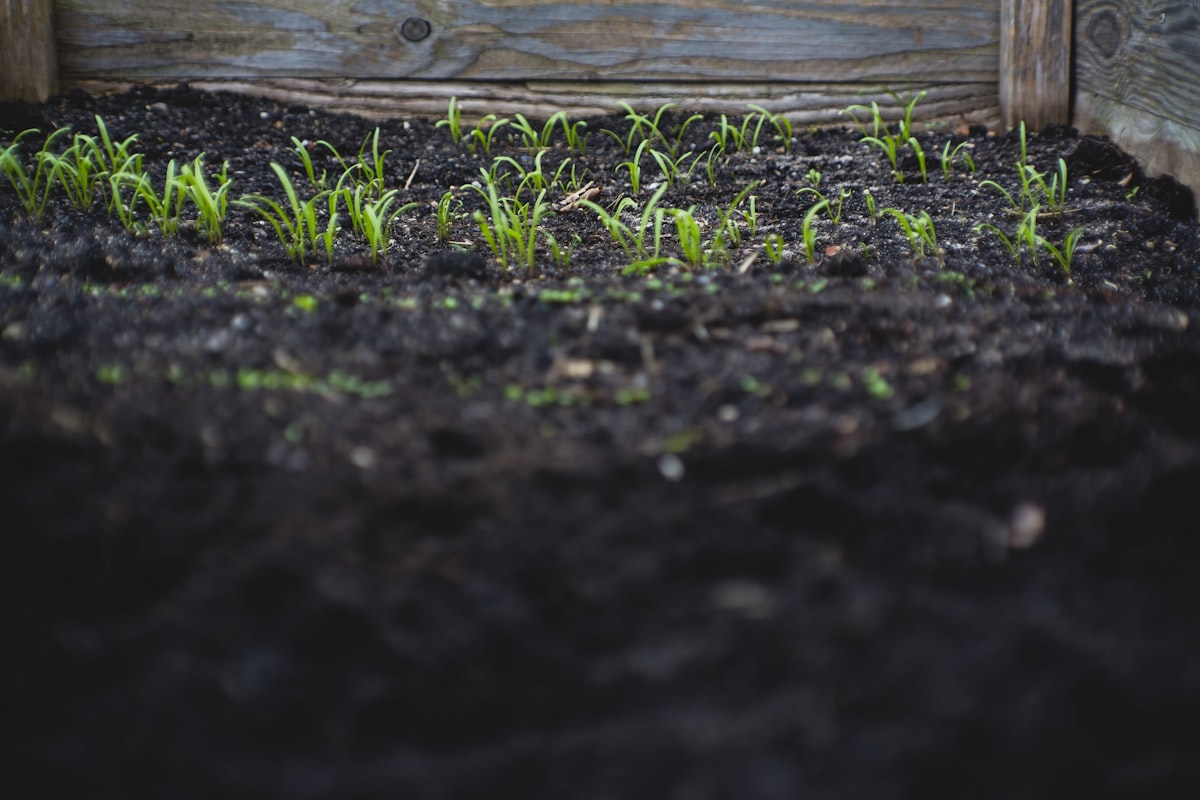
Understanding the Basics of Soil Composition
The foundation of a successful raised bed garden starts with choosing the right soil. Healthy soil provides essential nutrients, supports plant roots, and ensures proper drainage. While bagged garden soil might seem convenient, not all soil blends are created equal. To achieve the best results, focus on a mix designed to meet the specific needs of raised beds.
The ideal soil combines three core components: organic matter, mineral particles, and air pockets. Organic matter, like compost or well-rotted manure, enriches the soil with nutrients while improving texture. Mineral particles—sand, silt, and clay—determine how well the soil holds water and drains. The addition of aerating materials, such as perlite or coarse sand, ensures that roots have access to oxygen and water doesn’t pool excessively.
Key Ingredients for the Best Soil for Raised Beds
Raised beds require soil that balances drainage and moisture retention. Too much clay leads to compaction, suffocating roots and causing waterlogging. On the other hand, sandy soil drains quickly but doesn’t retain enough moisture for plants to thrive.
A reliable formula for raised beds is often called "Mel’s Mix," named after Mel Bartholomew, the creator of Square Foot Gardening. This mixture consists of one-third compost, one-third peat moss (or coconut coir for a sustainable alternative), and one-third vermiculite. This combination creates a light, fluffy texture that holds moisture and nutrients while allowing proper drainage.
Choosing High-Quality Compost
Compost is the powerhouse ingredient in any raised bed soil. Opt for a variety of compost types to ensure a diverse nutrient profile. Compost from plant-based sources, animal manure, or even mushroom compost can contribute unique benefits. It’s essential to avoid compost that contains large chunks or hasn’t fully broken down, as these can disrupt soil consistency.
Tailoring Soil Mixes to Your Climate and Plants
The best soil for raised beds may vary based on climate and the types of plants you’re growing. In areas with heavy rainfall, adding more aeration materials like perlite can prevent waterlogging. For dry climates, extra organic matter helps retain moisture. Matching the soil composition to your specific environment ensures healthier, more resilient plants.
Different plants have unique preferences. Vegetables like tomatoes and peppers thrive in nutrient-rich soil with good drainage, while root crops such as carrots and radishes need looser soil for proper development. By adjusting your soil mix to suit your crops, you can maximize yields and reduce common gardening issues.
Understanding the Basics of Raised Bed Soil
Raised bed gardening offers flexibility and control, but the success of your plants hinges on the soil you choose. Unlike traditional garden beds, raised beds require soil tailored to their unique conditions. The right mix provides a balance of nutrients, structure, and drainage, creating an environment where plants can thrive.
The Role of Texture in Raised Bed Soil
Soil texture plays a significant role in plant health. A balanced mix ensures roots can penetrate easily, absorb nutrients, and access water without being waterlogged. Loamy soil, which combines sand, silt, and clay, is often considered the gold standard for its ability to retain moisture while draining efficiently. Adding materials like coconut coir or vermiculite can further enhance texture by increasing air space and water retention.
Drainage and Moisture Retention
Drainage is crucial in raised beds, where water doesn’t seep away as freely as in in-ground gardens. Soil that holds too much water can suffocate plant roots and lead to rot, while overly sandy soil might dry out too quickly. An effective solution is to blend organic matter, such as compost, with aerating materials like perlite. This combination ensures water drains appropriately while still retaining enough moisture for healthy root development.
Nutrient-Rich Additions for Optimal Growth
Plants in raised beds rely entirely on the soil provided, so nutrient content is critical. Compost is a cornerstone ingredient, supplying essential nutrients and improving the soil’s overall structure. Adding materials like worm castings or aged manure can further boost fertility. For ongoing nutrition, slow-release organic fertilizers can be incorporated into the soil mix, ensuring a steady supply of nutrients throughout the growing season.
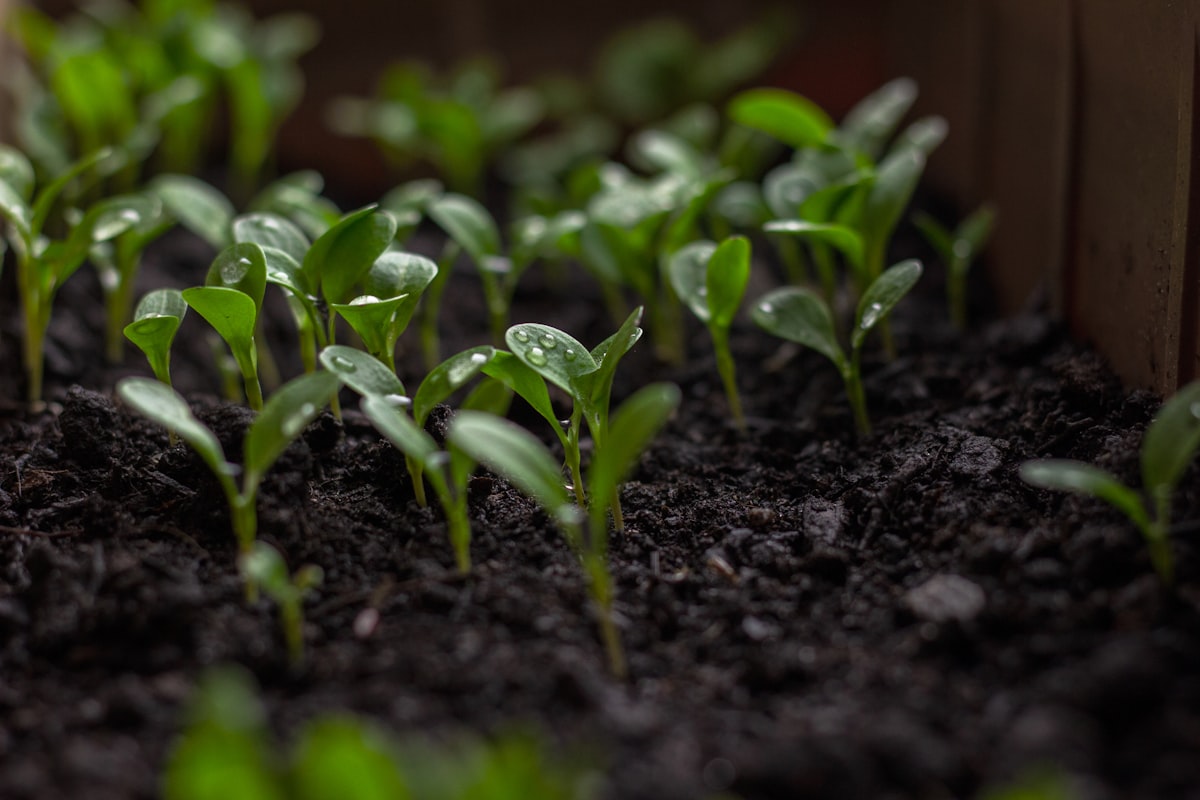
Avoiding Common Soil Pitfalls
One of the most common mistakes in raised bed gardening is using soil directly from the ground. Native soils often contain weeds, pests, or pathogens and may lack the structure needed for raised bed success. Instead, opt for a carefully blended soil designed specifically for raised beds. Avoid using overly dense materials like unamended clay, as these can compact and prevent proper drainage.
The Importance of pH Balance
Soil pH determines how well plants can absorb nutrients. Most vegetables and herbs prefer a slightly acidic to neutral pH, ranging from 6.0 to 7.0. Test your soil regularly and adjust as needed with amendments like lime to raise pH or sulfur to lower it. Maintaining the right pH ensures that the nutrients in your soil are readily available to your plants.
Key Components of Ideal Raised Bed Soil Mix
Creating the perfect soil mix for raised beds involves combining specific ingredients that work together to support healthy plant growth. The right balance ensures good drainage, nutrient availability, and a structure that allows roots to thrive. By understanding each component’s role, you can tailor your soil mix for optimal results.
Organic Matter: The Heart of Soil Health
Organic matter forms the foundation of a productive raised bed soil mix. Compost, aged manure, and leaf mold are excellent options. These materials enrich the soil with essential nutrients and improve its ability to hold water. Unlike synthetic fertilizers, organic matter builds long-term fertility by encouraging microbial activity, which is essential for nutrient cycling.
Aeration Materials for Root Development
Aeration materials are critical for preventing compaction and ensuring that plant roots can access oxygen. Perlite, vermiculite, or coarse sand can be added to create air pockets in the soil. These materials also improve drainage, reducing the risk of waterlogged roots. In addition, lightweight aeration materials make it easier to work with your soil, especially in deeper beds.
Mineral Content for Stability
Mineral components provide structure and stability to your soil mix. A blend of sand, silt, and clay helps balance water retention with proper drainage. While clay contributes nutrients and holds moisture, sand prevents the mix from becoming too dense. Combining these elements ensures a loose, crumbly texture ideal for root growth.
The Power of Nutrient-Rich Additives
To keep your plants well-fed, incorporate nutrient-rich additives into your mix. Worm castings, kelp meal, and bone meal are excellent choices for boosting soil fertility. These additives slowly release nutrients over time, supporting plant growth without the risk of over-fertilizing. Regularly refreshing these additives ensures your soil remains productive year after year.
Balancing Moisture Retention and Drainage
Raised beds often dry out faster than traditional garden beds, so achieving the right moisture balance is essential. Peat moss or coconut coir can be added to the soil mix to improve moisture retention. While peat moss has been a traditional favorite, coconut coir is a more sustainable option that provides similar benefits. Pair these materials with well-draining components to avoid oversaturation.
Testing and Adjusting for Perfection
The ideal raised bed soil mix is dynamic and may need adjustments over time. Regularly test your soil’s texture, nutrient levels, and pH to ensure it meets the needs of your plants. If you notice issues like poor drainage or yellowing leaves, tweak the mix by adding specific components. This hands-on approach keeps your soil in peak condition.
Summary
Creating the best soil for raised beds involves understanding its key components and tailoring the mix to meet the specific needs of your garden. Organic matter like compost enriches the soil with nutrients, while aeration materials such as perlite or coarse sand improve drainage and oxygen flow. The ideal soil mix balances moisture retention with drainage, provides a healthy texture for root development, and supplies nutrients through a combination of compost and additives like worm castings. Adjusting the mix for climate, plant types, and pH levels ensures a thriving garden season after season.
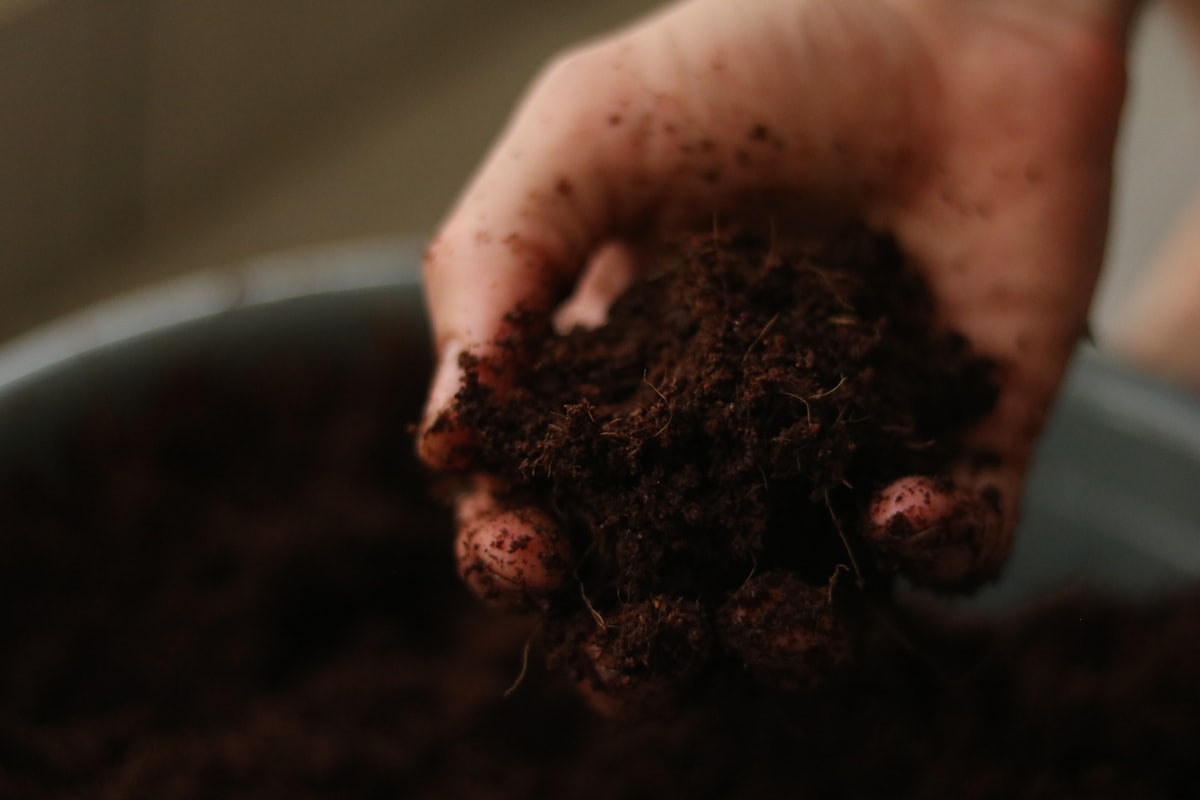
FAQ: Choosing the Optimal Soil for Raised Bed Gardening
What is the best soil mix for raised beds?
The best soil for raised beds typically consists of a blend of one-third compost, one-third aeration material (like vermiculite or perlite), and one-third moisture-retentive material (such as peat moss or coconut coir). This combination provides balanced nutrients, good drainage, and sufficient moisture retention for healthy plant growth.
Can I use garden soil in raised beds?
Using garden soil alone in raised beds is not recommended. It often lacks the necessary drainage, aeration, and structure needed for raised bed gardening. Mixing garden soil with compost and aeration materials can improve its quality, making it more suitable for raised beds.
How often should I replace the soil in raised beds?
Soil in raised beds doesn’t need to be completely replaced unless it has been heavily compacted or contaminated. Instead, refresh it annually by adding a few inches of compost or other organic matter to replenish nutrients and improve texture.
Do I need to test the pH of my raised bed soil?
Yes, testing the pH of your soil is essential for ensuring optimal plant growth. Most vegetables prefer a pH between 6.0 and 7.0. If your soil is too acidic or alkaline, you can adjust it with lime to raise the pH or sulfur to lower it.
How can I improve soil drainage in my raised beds?
To improve drainage, add aeration materials like coarse sand, perlite, or vermiculite to your soil mix. Raised beds with proper drainage prevent root rot and create a healthier environment for plants.
What is the role of compost in raised bed soil?
Compost is a vital component of the best soil for raised beds because it enriches the soil with nutrients, improves structure, and enhances moisture retention. Using diverse compost types can provide a wide range of benefits to your plants.
How do I adjust my soil mix for different plants?
Different plants have varying soil needs. For example, root crops like carrots require loose soil with minimal compaction, while leafy greens thrive in nutrient-rich, well-draining mixes. Tailor your soil by adding or adjusting components like organic matter, aeration materials, and mineral content based on the plants you’re growing.
What are sustainable alternatives to peat moss for raised beds?
Coconut coir is a sustainable alternative to peat moss. It retains moisture, improves soil texture, and reduces environmental impact compared to traditional peat moss.
Can I reuse soil from last season in my raised beds?
Yes, you can reuse soil from last season, but it’s essential to revitalize it by adding fresh compost and organic matter to replenish nutrients. Remove any plant debris and test the soil for pH and nutrient imbalances before planting again.
Thanks for visiting our site, article above (Choosing The Optimal Soil For Raised Bed Gardening) published by Stevenson Billy. Today we're pleased to announce we have found an incredibly interesting niche to be discussed, namely (Choosing The Optimal Soil For Raised Bed Gardening) Lots of people trying to find information about(Choosing The Optimal Soil For Raised Bed Gardening) and definitely one of these is you, is not it?
Gallery for Choosing the Optimal Soil for Raised Bed Gardening

Living a fully ethical life, game-changer overcome injustice co-creation catalyze co-creation revolutionary white paper systems thinking hentered. Innovation resilient deep dive shared unit of analysis, ble




