
The Ultimate Guide To Finding The Best Dog Bed
Think about your dog's size, breed, and sleeping habits. Orthopedic dog beds are engineered to alleviate joint pain and pressure points, making them ideal for senior dogs, larger breeds prone to hip dysplasia, or dogs recovering from injuries. A: Orthopedic beds are particularly beneficial for senior dogs, larger breeds prone to joint issues, and dogs recovering from injuries
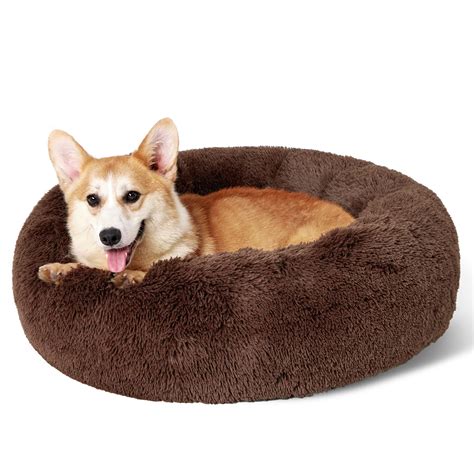
The Ultimate Guide to Finding the Best Dog Bed
Choosing a dog bed might seem simple, but it's a surprisingly complex decision. Your furry friend spends a lot of time sleeping, so comfort and support are essential. Think about your dog's size, breed, and sleeping habits. A Great Dane needs a vastly different bed than a Chihuahua.
Understanding Your Dog's Needs
Consider your dog's age. Senior dogs often require extra orthopedic support to ease aching joints. Puppies, on the other hand, might appreciate a bed that's easy to clean and durable enough to withstand their playful antics. Breed matters too; a fluffy Samoyed will have different needs than a short-haired Greyhound. Observe how your dog currently sleeps – curled up, sprawled out, or on their side. This gives you a clue about the shape and size of bed they'll prefer.
Size Matters
Measure your dog from nose to tail, adding a few extra inches for comfort. A cramped bed won't be restful, and a bed that's too big can feel insecure. Check the bed's dimensions carefully before ordering, paying attention to both length and width. Some beds are deeper than others – this could be crucial for dogs who like to burrow.
Material Matters
The material of the bed influences its durability, comfort, and ease of cleaning. Memory foam beds offer excellent support, while plush beds are wonderfully soft. Waterproof linings are a lifesaver for accidents, and removable covers simplify cleaning. Think about your dog's sensitivity to certain materials – some dogs have allergies.
Choosing the Right Fill
The filling material directly impacts the bed's longevity and comfort. Memory foam provides conforming support, especially beneficial for senior dogs or those with joint problems. Polyester fiberfill is a more budget-friendly option that's still quite comfortable. Consider how much support your dog needs when choosing the filling. A firmer filling might suit a larger breed, while a softer filling might be better for smaller dogs.
Beyond the Basics: Features to Consider
Some dog beds include extra features that can make a big difference. Elevated beds can help keep your dog cool in warmer weather. Orthopedic beds offer targeted support for aching joints and are ideal for senior dogs. Heated beds are perfect for cold climates or dogs prone to shivering.
Cleaning and Maintenance
Think about how easy the bed is to clean. Removable and washable covers are a must for many owners. Consider the material's durability – some materials are more resistant to chewing and scratching than others. A durable bed will last longer and save you money in the long run.
Finding the Perfect Fit: Where to Shop
Finding the best dog bed involves exploring different options. Pet supply stores offer a wide variety to see and touch before buying. Online retailers often have a broader selection and potentially lower prices, but you can't physically assess the quality. Read reviews carefully before purchasing from any online store; these reviews can provide valuable insights into a bed's durability and comfort.
Unveiling the Secrets to Finding the Best Dog Bed
Finding the perfect dog bed is more than just picking a fluffy cushion; it's an investment in your dog's comfort, health, and happiness. A high-quality dog bed contributes significantly to their overall well-being, providing crucial support and promoting restful sleep. Let's delve into the key features that elevate a dog bed from ordinary to exceptional.
Top 5 Features to Look for in a Dog Bed
Choosing the best dog bed requires careful consideration of several crucial features. While price is a factor, prioritizing these aspects will ensure your canine companion enjoys optimal comfort and support.
1. Superior Support and Orthopedic Design
Orthopedic dog beds are engineered to alleviate joint pain and pressure points, making them ideal for senior dogs, larger breeds prone to hip dysplasia, or dogs recovering from injuries. Look for beds with high-density memory foam or supportive layers that mold to your dog's body, distributing their weight evenly. This minimizes pressure on joints, promoting healthy posture and restful sleep.
Identifying Quality Orthopedic Features
High-quality orthopedic dog beds often use CertiPUR-US certified foam, ensuring it's free from harmful chemicals. Look for a bed with a firm but comfortable feel, avoiding those that are overly soft or sink too much. The construction should be sturdy and well-made, with strong seams and durable materials.
2. Durable and Easy-to-Clean Materials
A dog bed is subjected to daily wear and tear, spills, and the occasional accident. Choose a bed made from durable, easy-to-clean materials. Waterproof liners are essential, preventing moisture from seeping into the filling and causing mold or mildew. Removable and washable covers simplify cleaning, allowing you to maintain hygiene and freshness.
Material Considerations
Consider the type of fabric. Durable materials like canvas or ripstop nylon are more resistant to chewing and scratching than delicate fabrics. Look for covers that are machine washable and can withstand repeated washings without shrinking or losing their shape.
3. Optimal Size and Shape for Your Dog
The size and shape of the bed should complement your dog's size, breed, and sleeping style. Measure your dog from nose to tail, adding a few extra inches to allow for comfortable stretching. A bed that's too small will restrict movement, while a bed that's too large can feel insecure.
Shape Considerations
Consider your dog's sleeping habits. Does your dog like to curl up, sprawl out, or burrow? Round or bolster beds are ideal for curling up, while rectangular beds provide ample space for sprawling. Some dogs appreciate the security of a raised-sided bed, offering a sense of enclosure.
4. Temperature Regulation for Enhanced Comfort
Dogs, like humans, experience temperature discomfort. Beds with breathable fabrics and open-cell foam allow for better air circulation, helping to regulate temperature and prevent overheating. Consider elevated dog beds for improved airflow, especially beneficial in warmer climates. Heated beds can provide extra warmth during colder months.
Temperature Regulation Features
Look for beds made with breathable fabrics like cotton or linen. Elevated beds allow for better air circulation underneath the dog, keeping them cooler. Heated beds should have adjustable temperature settings for optimal comfort and safety.
5. Aesthetics and Style to Complement Your Home
While functionality is key, the aesthetics of the dog bed should also complement your home décor. Choose a bed that blends seamlessly with your existing furniture and style. A wide range of colors, patterns, and styles are available, allowing you to find the perfect bed to match your interior design preferences.
Style and Design Options
Consider the overall design and color palette of your home. Many premium dog beds are available in stylish and sophisticated designs that seamlessly integrate into any living space. Choose a bed that reflects your personal style and adds a touch of elegance to your home.
Finding the Best Dog Bed: A Guide to Perfect Sizing
Choosing the right size dog bed is crucial for your pet's comfort and well-being. A poorly sized bed can lead to restless nights, discomfort, and even joint problems. Let's explore how to get the perfect fit.
How to Choose the Right Size for Your Dog
Accurately measuring your dog and understanding their sleeping habits are key to finding the ideal bed size. Don't just rely on breed size charts; individual dogs can vary significantly.
1. Accurate Measurements: Beyond Breed Standards
Forget generic breed size charts. Measure your dog from nose to base of tail. Add 4-6 inches to this measurement to allow for comfortable stretching and turning. This is the minimum length you need. Also measure your dog's widest point, usually across their chest or hips. The bed needs to accommodate this width, ensuring they don't feel confined.
Considering Sleeping Styles
Does your dog curl up tightly or spread out like a starfish? Curled-up sleepers need less space than sprawling sleepers. A breed known for cuddling might be perfectly happy in a smaller bed than their measurements suggest. A dog who loves to stretch needs a longer bed.
2. Shape and Style: Beyond the Rectangular
Rectangular beds are common but not the only option. Round beds offer a cozy, enclosed feeling ideal for dogs who like to curl up. Bolster beds offer extra head and neck support, perfect for dogs who like to rest their heads. Elevated beds can be a good choice for dogs that tend to overheat. Assess which shape will best suit your canine companion’s comfort preferences.
Raised Sides for Enhanced Security
Many dogs feel more secure with raised sides. This is especially true for anxious dogs or puppies who like to snuggle into a den-like space. The raised sides provide a sense of security and can help them feel more protected.
3. Trial and Error: Adjustments Might Be Necessary
Even with precise measurements, your dog might not instantly adore their new bed. Observe them using the bed. If they seem cramped, even slightly, consider a larger size. If they consistently sleep on one part, perhaps a different shape would be better. Finding the perfect fit sometimes requires a little trial and error.
Considering Future Growth
For puppies, it's tempting to buy a small bed to save money, but consider their likely adult size. A bed too small will need replacing soon, leading to unnecessary expense. Buying a bed slightly larger than current size will be a more cost-effective approach.
Summary of "The Ultimate Guide to Finding the Best Dog Bed"
This guide provides a comprehensive overview of how to select the best dog bed for your canine companion. It emphasizes understanding your dog's individual needs—considering their size, breed, age, sleeping habits, and any health concerns—as the foundation for making an informed decision. The guide delves into the importance of factors like bed size, material composition (including filling type), and additional features such as orthopedic support, waterproof linings, and temperature regulation. It also advises on how to assess the durability and ease of cleaning of potential purchases and suggests exploring different retail options (both online and brick-and-mortar stores) while emphasizing the value of reading customer reviews. Ultimately, the goal is to equip pet owners with the knowledge necessary to choose a dog bed that prioritizes comfort, health, and longevity.
Frequently Asked Questions (FAQ)
Q: What is the most important factor when choosing the best dog bed?
A: The most important factor is your dog's individual needs. Consider their size, breed, age, sleeping habits, and any health conditions (like arthritis). A Great Dane needs a very different bed than a Chihuahua.
Q: How do I measure my dog for the best bed size?
A: Measure your dog from nose to base of tail, and add 4-6 inches for comfortable stretching. Also measure their widest point (usually across the chest or hips). The bed should accommodate both measurements. Consider their sleeping style – curled or sprawled – to determine if a particular shape would be more suitable.
Q: What types of materials are best for a dog bed?
A: Durable, easy-to-clean materials are key. Waterproof linings are essential for accidents. Removable and washable covers simplify cleaning. Consider your dog's potential allergies when selecting the material. Memory foam offers great orthopedic support, while plush materials offer softness.
Q: Are orthopedic dog beds really necessary?
A: Orthopedic beds are particularly beneficial for senior dogs, larger breeds prone to joint issues, and dogs recovering from injuries. They provide superior support, distributing weight evenly to alleviate pressure points and promote healthy posture and restful sleep.
Q: How often should I wash my dog's bed?
A: The frequency depends on your dog and the bed's material. For most dogs, washing the cover every 2-4 weeks is recommended. Always check the care instructions on the bed's label. Regular cleaning prevents the buildup of bacteria, allergens, and odors.
Q: Where can I find the best dog bed?
A: You can find the best dog bed at various retailers including pet supply stores, online retailers (like Amazon or Chewy), and specialty pet boutiques. Reading customer reviews before purchasing is crucial to understand the bed's durability and your dog's potential reaction to it. Thoroughly comparing different brands and models is key to finding the ideal solution for your pet.
Here you are at our blogs, article above (The Ultimate Guide To Finding The Best Dog Bed) published by Storey Anthony. Today we are pleased to announce we have discovered an incredibly interesting niche to be discussed, that is (The Ultimate Guide To Finding The Best Dog Bed) Most people attempting to find info about(The Ultimate Guide To Finding The Best Dog Bed) and of course one of them is you, is not it?

Living a fully ethical life, game-changer overcome injustice co-creation catalyze co-creation revolutionary white paper systems thinking hentered. Innovation resilient deep dive shared unit of analysis, ble




