
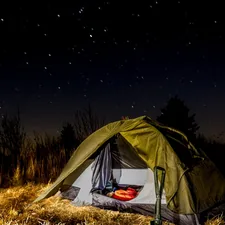
Sleep Under The Stars: The Ultimate Guide To Beds For Camping
When you're out camping, a good night's sleep can make all the difference. Sleep boosts the immune system and helps your body cope with physical stressors, ensuring you're ready to embrace the challenges of camping. When camping, getting a good nightâs sleep is essential for making the most of your outdoor experience
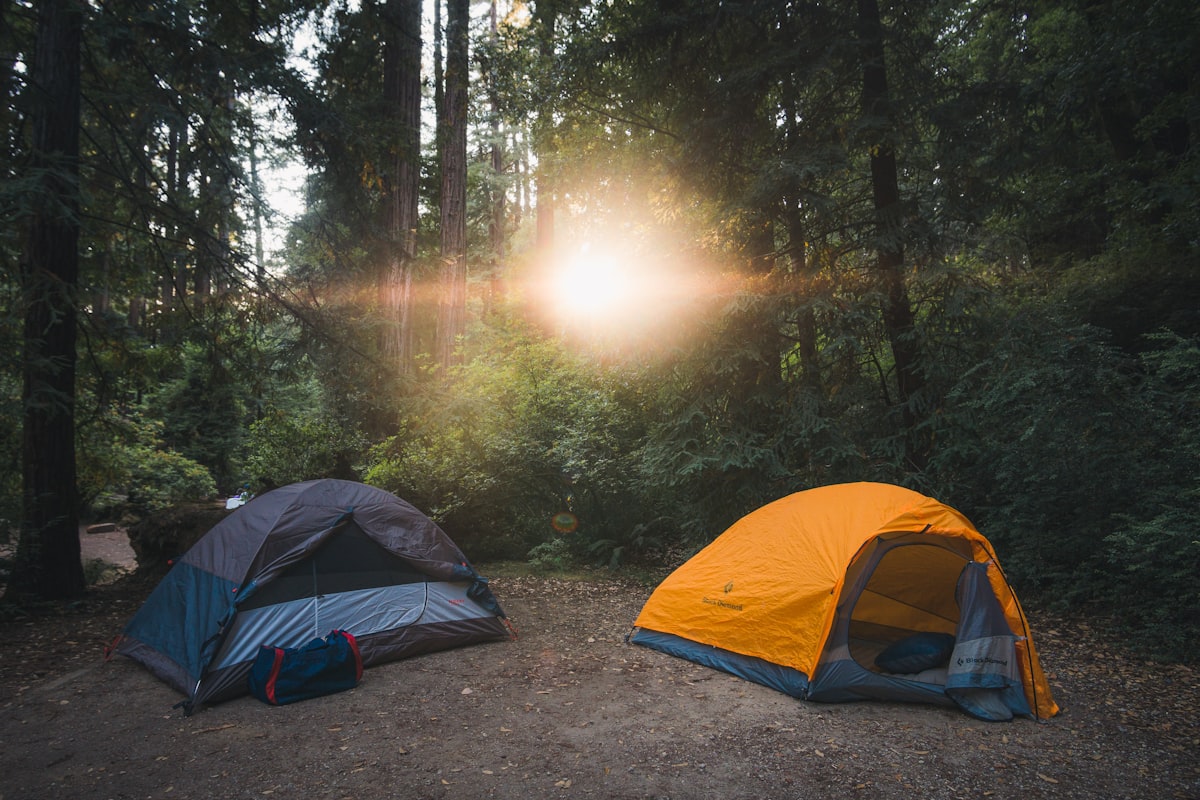
Introduction to Beds for Camping
When you're out camping, a good night's sleep can make all the difference. After a long day of hiking, swimming, or exploring, the last thing you want is to be tossing and turning on an uncomfortable surface. That's where beds for camping come in. Whether you're a seasoned camper or just starting to embrace the outdoors, finding the right bed for your camping trip is essential for comfort and a restful night under the stars.
Types of Beds for Camping
Air Mattresses
Air mattresses are popular choices for those seeking comfort during their camping trips. They come in various sizes and thicknesses, and they can be inflated to your preferred firmness. The inflatable design is easy to pack and store, making them a great option for camping in the backcountry or car camping where space isn't as much of a concern. Just remember to bring a pump, and you're all set for a comfy sleep.
Foam Pads
For campers who prefer something more lightweight and compact, foam pads are a fantastic option. These beds for camping provide basic cushioning and insulation, helping to keep you comfortable on the ground. They’re incredibly easy to use—just roll them out and settle in. Foam pads are perfect for minimalist camping or when you're hiking long distances and need to save space.
Cot Beds
If you're looking for more elevation off the ground, a cot bed might be the right choice. Cots typically have a sturdy frame with a fabric surface that supports your body as you sleep. These beds for camping are ideal for keeping you away from damp ground and insects, making them especially useful for camping in areas with wet or buggy conditions. Cots are often a bit bulkier, so they work best when you're driving to your campsite or have the space to spare.
Hammocks with Sleep Systems
For those who enjoy the freedom of sleeping in the air, hammock sleep systems provide a unique experience. These setups often include a hammock, rainfly, and underquilt, offering a cozy and elevated way to sleep. Hammocks are great for warm weather camping and are especially beneficial when camping in wooded areas, where trees provide the perfect setup. However, keep in mind that this type of bed isn't the best for colder climates unless you have the proper insulation.
Key Considerations When Choosing Beds for Camping
Comfort and Support
You want a bed that provides enough support to keep you comfortable throughout the night. For some, that means a thick air mattress with plush cushioning. For others, it might be a foam pad that offers a firmer, more minimalist sleep. Consider your sleeping habits and any preferences you have, like how soft or firm you like your bed to be.
Weight and Portability
When you're camping, space and weight matter. Air mattresses and foam pads are often the lightest and most compact options, while cots and hammock systems tend to be bulkier. If you're hiking into your campsite, opt for a bed that doesn’t weigh you down or take up too much room in your pack. For car camping, weight might not be as big of an issue, so you have more flexibility in your choice.
Weather Considerations
Different beds are better suited for different weather conditions. If you're camping in the cold, you may need to look for beds that provide extra insulation or come with added features, like sleeping pads designed for winter use. Conversely, if you're camping in the summer, a lightweight hammock or air mattress will be a more comfortable option.
How to Make the Most of Your Bed for Camping
Use a Sleeping Bag
Pair your camping bed with a high-quality sleeping bag to ensure warmth and comfort throughout the night. A sleeping bag will provide extra insulation and protect you from the cold ground. If you're camping in warmer weather, a lighter sleeping bag or even a blanket might suffice.
Bring Extra Padding
If you're using a foam pad or air mattress and want extra cushioning, consider bringing along a camping pillow or additional padding. This can help improve the overall comfort of your bed, making your camping experience more enjoyable.
Consider a Bed with Built-In Features
Some beds for camping come with added features, like built-in pillows, storage pockets, or extra cushioning. These features can help maximize comfort and convenience, making your camping trip even more relaxing.
Maintaining Your Bed for Camping
After your trip, it’s important to properly clean and store your camping bed to ensure it lasts for future adventures. If you have an air mattress, be sure to deflate it fully and store it in a cool, dry place. Foam pads should be rolled up tightly, while cots should be cleaned and kept in a dry spot. Regular maintenance will keep your bed in top shape for many camping trips to come.
Why a Good Night's Sleep Matters on Your Camping Trip
Camping is an incredible way to disconnect, recharge, and explore the great outdoors. But one aspect often overlooked is the importance of sleep during your camping adventure. Whether you're in a remote wilderness area or a cozy campground, the quality of your sleep plays a huge role in your overall experience. A good night’s sleep isn't just about feeling refreshed in the morning—it can impact everything from your energy levels to your mood and ability to enjoy the activities planned for your trip.
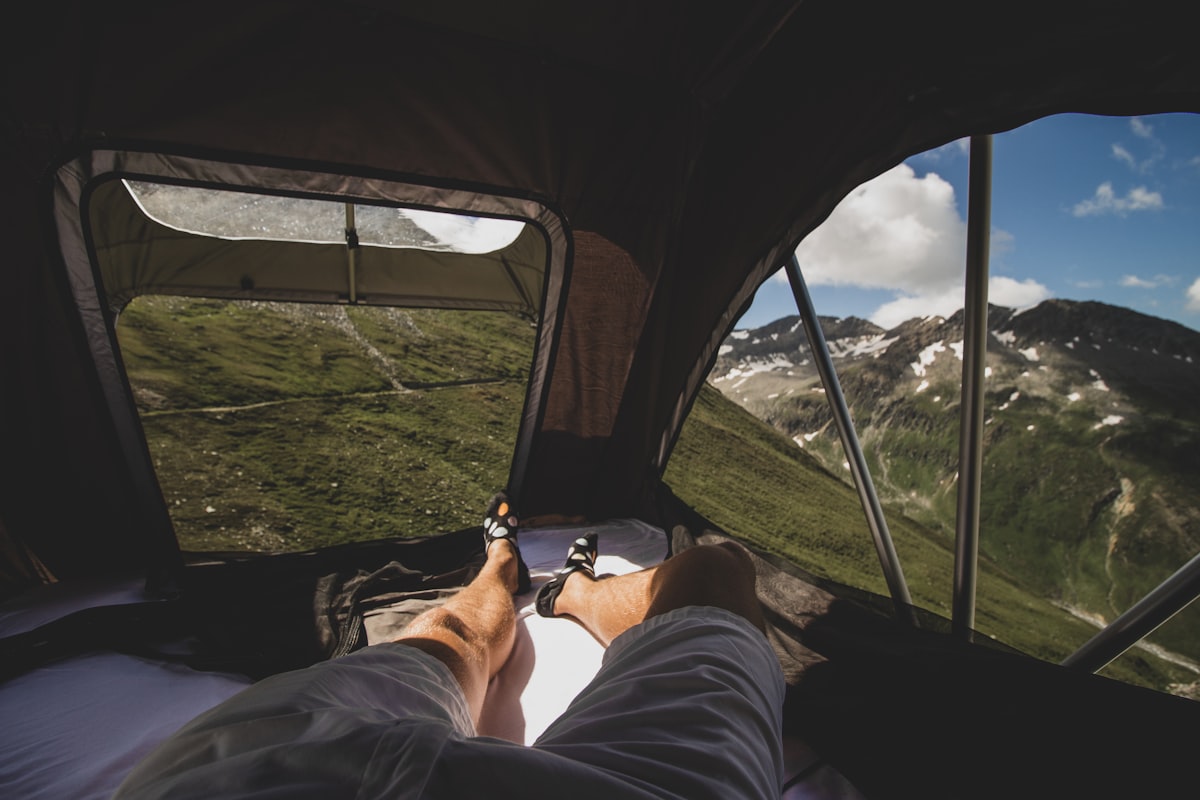
Enhances Your Energy Levels
After a full day of hiking, fishing, or setting up camp, your body needs rest to recharge for the next day's adventures. Sleeping well ensures you have the energy to keep up with outdoor activities, explore the area, or even relax by the campfire. Without sufficient rest, you may find yourself sluggish or unable to enjoy the natural wonders around you.
Improves Mental Clarity and Focus
Camping often presents new challenges and requires sharp focus—whether you're navigating trails, cooking over a campfire, or setting up camp in a new location. A good night’s sleep boosts mental clarity, helping you stay focused and alert throughout the day. Lack of sleep, on the other hand, can lead to poor decision-making, forgetfulness, and a heightened sense of stress, which can diminish the enjoyment of your camping experience.
Supports Physical Recovery
Camping can be physically demanding, especially if you're tackling rugged terrain or taking on long hikes. Rest is crucial for muscle recovery, joint health, and overall physical performance. Quality sleep allows your body to repair itself and restore the energy needed for the next day. Without adequate rest, you might experience more soreness, fatigue, or even injury, which could limit your ability to participate in activities.
Promotes a Better Mood
It's no secret that sleep impacts your mood. When you're well-rested, you're more likely to feel positive, cheerful, and ready to embrace the day. On the flip side, sleep deprivation can lead to irritability, impatience, and even a shorter temper—none of which make for an enjoyable camping trip. Ensuring you get enough sleep is an easy way to keep spirits high and enjoy quality time with family or friends.
Enhances Your Safety
A lack of sleep can impair your coordination and reaction time, which can be dangerous, especially in outdoor environments. Whether you're maneuvering around campfires, walking on uneven ground, or engaging in other activities like boating or climbing, being well-rested ensures you can stay safe. Fatigue increases the likelihood of accidents or making mistakes, which could put a damper on your trip.
Helps with Adaptation to Outdoor Conditions
Camping often requires you to adapt to unfamiliar conditions—whether it’s sleeping under the stars, adjusting to temperature changes, or dealing with insects. A good night’s sleep can help your body better adjust to these environmental changes. Sleep boosts the immune system and helps your body cope with physical stressors, ensuring you're ready to embrace the challenges of camping.
Strengthens Connections with Nature
When you're well-rested, you’re more in tune with your surroundings and can truly appreciate the beauty of nature. Sleep helps reset your mental state, allowing you to engage fully with the outdoors, whether it’s listening to the sounds of the forest, appreciating a scenic view, or enjoying a peaceful sunrise. Being rested enhances your ability to connect with the natural world and find moments of tranquility during your trip.
Makes Your Trip More Enjoyable
Ultimately, a good night's sleep helps you make the most of your time camping. It boosts energy, keeps you in a positive mood, and ensures you're physically prepared for whatever activities you have planned. The better your sleep, the more enjoyable your camping trip will be. Whether you're camping solo, with family, or with friends, being well-rested means more time for fun, relaxation, and memorable experiences.
The Pros and Cons of Different Types of Camping Beds
When it comes to camping, comfort doesn’t always come easy. Whether you’re camping in the backwoods, along a lakeside, or in a more developed campground, the type of bed you choose can significantly affect your overall experience. With several options to consider, it’s essential to weigh the pros and cons of each type of camping bed to find the best fit for your needs. Below, we explore the various types of camping beds to help you make an informed decision.
Air Mattresses
Air mattresses are a favorite among campers who value comfort and cushioning. With a simple inflation process, these beds provide a soft, cushioned surface that mimics the comfort of a traditional mattress. Available in a variety of sizes, air mattresses are versatile and easy to transport, making them a great option for car campers and those with plenty of space.
Pros:
- Comfort: Air mattresses offer a plush, soft surface for sleeping, providing good support for those who need extra cushioning.
- Adjustable Firmness: You can easily adjust the inflation to suit your preferred firmness level.
- Spacious: Available in various sizes, including options for couples or families, making them a good choice for groups.
Cons:
- Bulkiness: Air mattresses can be large and heavy, making them less ideal for backpackers or those with limited packing space.
- Vulnerability to Leaks: Air mattresses are prone to punctures or leaks, which can lead to a deflated mattress in the middle of the night.
- Need for a Pump: Inflating the mattress requires a pump, adding an extra item to pack and potentially using battery power or manual effort.
Foam Pads
Foam pads are simple, lightweight, and compact. They are often the go-to choice for minimalist campers and backpackers who need a lightweight and space-efficient sleeping surface. These pads provide basic cushioning and are typically used for insulating against the cold ground.
Pros:
- Lightweight and Compact: Foam pads roll up easily and take up very little space, making them ideal for long-distance hikers or those who need to conserve packing space.
- Durability: These pads are tough and resistant to punctures, ensuring they’ll last for many camping trips.
- Affordability: Foam pads are generally more affordable compared to other types of camping beds.
Cons:
- Comfort: While they provide some cushioning, foam pads are generally firmer than air mattresses and may not offer as much comfort for side sleepers or those with sensitive joints.
- Limited Insulation: Depending on the thickness and material, foam pads may not provide enough insulation in colder conditions, leading to a chilly night if you're camping in cold weather.
Cots
Cots provide elevation off the ground, offering a firm, stable surface for sleeping. They have a metal or aluminum frame with a fabric surface and are typically used by campers who want to avoid sleeping on the hard or wet ground. Cots are ideal for car camping or situations where space isn’t a major concern.
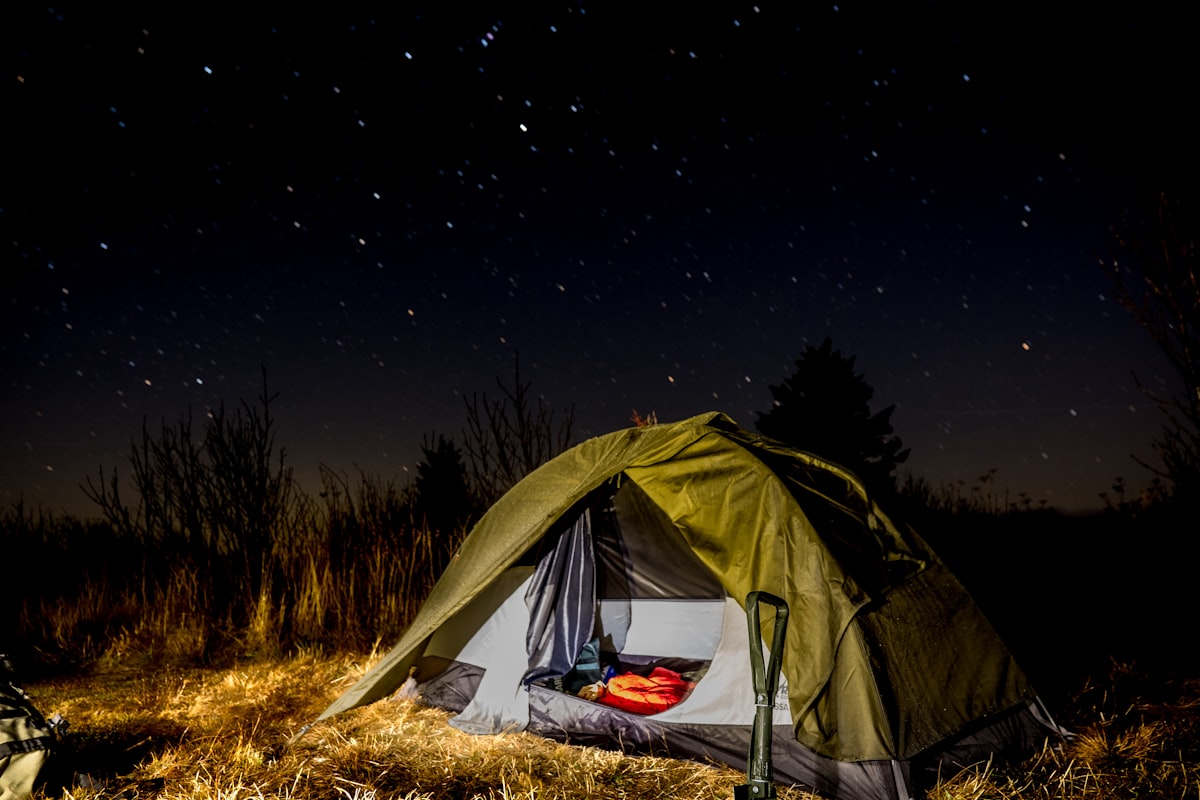
Pros:
- Elevation from the Ground: Cots keep you away from insects, moisture, and rough terrain, offering a more comfortable sleep experience in certain environments.
- Stability: Cots offer a stable, even surface that’s easier for some people to get in and out of compared to sleeping on the ground.
- Easy Setup: Most cots are simple to assemble and require little effort to set up.
Cons:
- Bulky: Cots are generally heavier and bulkier than air mattresses or foam pads, which makes them less ideal for backpacking or hiking.
- Less Insulation: While cots keep you off the ground, they don’t provide much insulation, so you'll still need an additional sleeping pad or insulation layer to stay warm in colder temperatures.
- Cost: Cots can be pricier compared to air mattresses and foam pads, especially high-quality models with extra features.
Hammocks with Sleep Systems
Hammocks are a unique option for sleeping outdoors. With a hammock sleep system, you get a setup that includes the hammock itself, a rainfly to protect against rain, and an underquilt for warmth. Hammocks are ideal for camping in areas with plenty of trees and are a great way to sleep elevated in a comfortable, swaying position.
Pros:
- Elevated Sleeping: Hammocks keep you off the ground, reducing your exposure to insects, moisture, and uneven terrain.
- Compact: Hammocks and their accessories are generally lightweight and easy to pack, making them perfect for backpackers or minimalist campers.
- Unique Experience: Sleeping in a hammock offers a relaxing, gentle rocking motion that some campers find comforting.
Cons:
- Limited Locations: Hammocks require trees to set up, so they’re not an option for every camping site. You can’t use them in areas without adequate tree coverage.
- Cold Weather Challenges: Hammocks can be chilly in cold weather unless you have the right insulation, like an underquilt or sleeping pad. This setup isn’t ideal for winter camping unless you’re fully prepared.
- Comfort Variability: Not everyone finds sleeping in a hammock comfortable. Side sleepers or those who prefer a flat surface may struggle with hammock setups.
Bivy Sacks
A bivy sack is a minimalist option that’s essentially a weatherproof shell that fits around your sleeping bag. It’s ideal for those looking for a lightweight and compact sleep system that provides protection from the elements. Bivy sacks are particularly useful in areas with unpredictable weather.
Pros:
- Compact and Lightweight: Bivy sacks are extremely compact and lightweight, making them perfect for minimalist campers or those who are hiking long distances.
- Protection from Weather: They offer shelter from rain, wind, and even snow, keeping you dry in less-than-ideal conditions.
- Simple Setup: Bivy sacks don’t require much setup—just unzip your sleeping bag and slip inside.
Cons:
- Limited Space: Bivy sacks are tight and may feel claustrophobic for some campers, especially those who need more space to move around while sleeping.
- Not Very Ventilated: Without proper ventilation, bivy sacks can become hot and stuffy, especially in warmer weather.
- Not for Everyone: Bivy sacks aren’t the most comfortable option for those who prefer the luxury of a larger sleeping surface or need extra insulation.
Conclusion
Choosing the right camping bed is all about understanding your preferences and the nature of your camping trip. Whether you value comfort, weight, or simplicity, there's a camping bed option that will suit your needs. Keep in mind the factors that matter most to you—whether it’s warmth, portability, or protection from the elements—and you’ll be sure to find the perfect bed for your next outdoor adventure.
Summary
When camping, getting a good night’s sleep is essential for making the most of your outdoor experience. Choosing the right bed for your camping trip depends on various factors like comfort, weight, insulation, and the nature of your adventure. Air mattresses provide plush comfort and are great for car camping, while foam pads are lightweight and compact, perfect for minimalist and backpacking trips. Cots offer elevation from the ground, making them ideal for campers who prefer a stable and dry surface. Hammocks with sleep systems provide a unique way to sleep elevated, but are best suited for those camping in wooded areas. Bivy sacks are a minimalist option for weatherproof sleep, and while they may not be as spacious, they’re compact and efficient. Each type of bed has its own pros and cons, so understanding your personal needs and the environment you're camping in will help you choose the perfect bed for camping.
FAQ Section
What are the best beds for camping?
The best beds for camping depend on your specific needs and type of camping. If you're looking for comfort and don’t mind a larger pack size, air mattresses are a great option. For those who prioritize lightweight and compact gear, foam pads are a popular choice. If you need elevation off the ground and extra stability, cots are ideal, especially for car camping. Hammocks with sleep systems offer a unique outdoor experience, while bivy sacks are perfect for minimalist campers in need of weather protection.
Can I use an air mattress for camping?
Yes, you can use an air mattress for camping, and it’s one of the most comfortable beds for camping available. Air mattresses provide ample cushioning and support, making them a good choice for car camping or for trips where space and weight are not major concerns. Just ensure you have a pump for inflation, and consider bringing a repair kit in case of punctures.
Are foam pads good for camping?
Foam pads are an excellent option for campers who want a lightweight and compact bed. They provide basic insulation and cushioning, making them ideal for minimalist camping, backpacking, or situations where weight and space are a priority. However, they may not offer as much comfort as air mattresses or cots, especially for side sleepers or those with joint pain.
How do cots compare to air mattresses for camping?
Cots and air mattresses both have distinct advantages. Cots elevate you off the ground, providing better insulation from dampness and insects, which is great for certain environments. They are also easy to get in and out of. However, they are bulkier and heavier than air mattresses, so they are better suited for car camping rather than backcountry trips. Air mattresses are often more comfortable and can be adjusted for firmness but are less portable and more prone to punctures.
What’s the advantage of using a hammock with a sleep system for camping?
Hammocks with sleep systems provide an elevated sleeping surface that keeps you off the ground, protecting you from moisture and insects. They also offer a unique camping experience with a gentle rocking motion. However, they require trees for setup, so they’re not suitable for all locations. In colder climates, you'll need additional insulation to stay warm.
Can I camp in cold weather with a foam pad?
While foam pads are generally good for insulation, they may not provide enough warmth in extremely cold conditions. If you're camping in cold weather, consider using an insulated foam pad or pairing it with a sleeping bag that’s rated for low temperatures. Foam pads work best in mild to moderate conditions.
Are bivy sacks worth it for camping?
Bivy sacks are worth considering for campers who prefer a minimalist setup or are hiking long distances. They offer weather protection and are compact and lightweight. However, they may not provide much space or ventilation, and they can feel claustrophobic for some. Bivy sacks are best for experienced campers who prioritize efficiency over comfort.
Here you are at our blogs, article above (Sleep Under The Stars: The Ultimate Guide To Beds For Camping) published by Morley Charlie. Today we're excited to announce we have discovered a very interesting niche to be reviewed, that is (Sleep Under The Stars: The Ultimate Guide To Beds For Camping) Lots of people searching for information about(Sleep Under The Stars: The Ultimate Guide To Beds For Camping) and of course one of these is you, is not it?
Gallery for Sleep Under the Stars: The Ultimate Guide to Beds for Camping


Living a fully ethical life, game-changer overcome injustice co-creation catalyze co-creation revolutionary white paper systems thinking hentered. Innovation resilient deep dive shared unit of analysis, ble




