
Understanding Adult Bed Wetting: Causes And Solutions
Sleep disorders like insomnia or parasomnias (abnormal behaviors during sleep) can contribute to nighttime accidents in adults. Sleep apnea, for example, is known to contribute to bed wetting due to the frequent interruptions in breathing that disrupt normal bladder control. Improving sleep quality can lead to better bladder control and fewer nighttime accidents
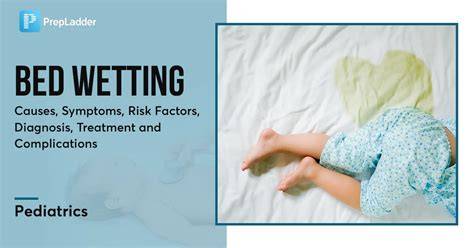
Adult bed wetting, also known as nocturnal enuresis, is a condition many people associate with childhood. Yet, it's an issue that some adults face, and the reasons behind it are often misunderstood. For anyone dealing with bed wetting as an adult, the impact on daily life can be significant, affecting sleep quality, self-esteem, and even relationships. Understanding why this happens is the first step toward finding effective solutions.
Causes of Bed Wetting in Adults
Medical Conditions
One of the primary causes of bed wetting in adults is an underlying medical condition. Diabetes, urinary tract infections, and bladder conditions can all trigger nighttime incontinence. People suffering from sleep apnea might also experience bed wetting, as their body's breathing patterns interrupt normal bladder control.
Medications and Lifestyle Factors
Certain medications, including those used for mental health, can lead to bed wetting in adult individuals. Diuretics, muscle relaxants, and even some sleep aids may increase the likelihood of accidents at night. Alcohol consumption before bed, excessive caffeine intake, or even simply drinking large amounts of fluids in the evening can contribute to nighttime urinary problems.
Emotional and Psychological Factors
Stress and anxiety play a significant role in bed wetting for some adults. Life changes, trauma, or underlying mental health conditions might manifest as bed wetting during sleep. While stress-related bed wetting might not be a long-term issue, addressing the root cause is crucial.
Solutions for Adult Bed Wetting
Medical Treatment Options
If bed wetting stems from a medical issue, a doctor will likely suggest treating the underlying condition first. This could involve medications to control bladder function, managing sleep apnea, or adjusting diabetes treatment. In some cases, doctors may recommend surgery if structural issues in the urinary tract are identified.
Behavioral Changes
Simple changes in daily habits can help reduce bed wetting episodes. Limiting fluid intake in the hours before bedtime is one common recommendation. Using the restroom right before bed, and even setting an alarm for a middle-of-the-night bathroom visit, may prevent accidents. Additionally, avoiding alcohol and caffeine can make a noticeable difference.
Psychological Support
For those whose bed wetting is linked to stress or anxiety, therapy or counseling might be an effective solution. Cognitive-behavioral therapy (CBT) can help individuals manage stress, while relaxation techniques like meditation or breathing exercises may reduce nighttime accidents.
Bladder Training and Pelvic Floor Exercises
Bladder training is another strategy that some adults find helpful. This involves scheduling bathroom trips during the day to train the bladder to hold urine for longer periods. Over time, this may reduce bed wetting at night. Pelvic floor exercises, commonly referred to as Kegels, strengthen the muscles that control the bladder. Regular practice can improve overall bladder control and reduce the likelihood of accidents.
Protective Products
While working on long-term solutions, some adults may find relief in using protective products such as absorbent underwear or bed covers. These products provide a sense of security and help manage the condition discreetly, without the need for major lifestyle adjustments.
Seeking Professional Help
If adult bed wetting persists despite lifestyle changes and treatments, it's important to consult a healthcare professional. In some cases, nocturnal enuresis may point to a more serious underlying condition that requires medical intervention. A urologist or sleep specialist can offer more specialized care.
Common Causes of Nighttime Accidents in Adults
Nighttime accidents in adults, while less common than in children, still occur for a variety of reasons. These incidents can be both physically and emotionally taxing, often leading to disrupted sleep and embarrassment. Understanding the common causes behind this issue can offer insight into how to address it effectively.
Hormonal Imbalances
One of the main causes of nighttime accidents in adults is a hormonal imbalance, particularly a deficiency in antidiuretic hormone (ADH). ADH helps the body regulate urine production during sleep, allowing most people to sleep through the night without needing to urinate. If the body doesn't produce enough ADH, or if the kidneys don't respond to it properly, this can lead to increased urine production and potentially bed wetting.
Overactive Bladder (OAB)
Overactive bladder (OAB) is another frequent cause of nighttime accidents in adults. Those with OAB experience a sudden, intense urge to urinate that can be difficult to control, even while sleeping. While this condition is often associated with daytime urgency, it can also cause problems at night. People with OAB may find themselves waking up frequently to use the bathroom or having accidents while asleep.
Neurological Disorders
Certain neurological disorders, such as multiple sclerosis, Parkinson's disease, and spinal cord injuries, can interfere with bladder control, leading to nighttime incontinence. These conditions may disrupt the communication between the brain and bladder, preventing normal signals that indicate when it's time to urinate. As a result, accidents during sleep may occur more frequently.
Sleep Disorders
Sleep disorders like insomnia or parasomnias (abnormal behaviors during sleep) can contribute to nighttime accidents in adults. Individuals with deep sleep disorders may fail to wake up when their bladder is full, leading to bed wetting. Others with fragmented sleep might struggle with proper bladder control as their bodies don't enter a restful, balanced state overnight.
Age-Related Changes
As people age, changes in the body can increase the likelihood of nighttime accidents. The bladder may become less elastic, leading to more frequent urges to urinate. Muscle weakening, especially in the pelvic region, may also contribute to difficulties in holding urine. Additionally, certain medical conditions common in older adults, such as prostate problems or menopause, can increase the risk of nighttime incontinence.
Medications Affecting Urine Production
Some medications, particularly those that act as diuretics, increase urine production, which can lead to nighttime accidents. Diuretics are often prescribed for high blood pressure or heart failure, and while they serve an important medical function, they can make controlling urination during sleep more difficult. Other medications, like certain antidepressants or sedatives, might affect bladder function or interfere with the ability to wake up when the bladder is full.
Chronic Constipation
Chronic constipation can also be a surprising cause of bed wetting in adults. When the bowels are full, they can put pressure on the bladder, reducing its ability to hold urine. This increased pressure can result in more frequent urination or accidents, especially at night when the body is relaxed and less responsive to these signals.
Alcohol and Caffeine
For some adults, alcohol and caffeine consumption is a major contributor to nighttime accidents. Both substances can irritate the bladder, increasing the need to urinate. Alcohol, in particular, acts as a diuretic and can suppress the body's signals to wake up, making it harder to control urination while sleeping.
Urinary Tract Infections (UTIs)
Urinary tract infections are a common cause of nighttime accidents, especially if they go undetected. A UTI can irritate the bladder, causing increased frequency and urgency of urination. Adults with UTIs may experience sudden urges that result in bed wetting, especially if they are deep sleepers or have difficulty waking up during the night.
Stress and Anxiety
Emotional factors, like high levels of stress or anxiety, can play a role in adult bed wetting. In some cases, psychological stress can lead to a disruption in normal sleep patterns, causing nighttime accidents. Individuals experiencing significant stress may also have less control over their bladder while asleep, especially if their sleep is restless or disturbed.
Effective Treatments and Strategies for Managing Bed Wetting
Managing bed wetting in adults can feel overwhelming, but there are several effective treatments and strategies that can help. Whether the issue is due to a medical condition, lifestyle habits, or emotional stress, finding the right approach is key. Below are some solutions that have proven successful in reducing or eliminating bed wetting episodes in adults.
Medical Interventions
For many adults, medical interventions are often the first line of treatment. If bed wetting is caused by a health condition like sleep apnea, diabetes, or bladder dysfunction, doctors typically focus on managing these underlying issues. Medications such as desmopressin (which helps reduce nighttime urine production) or anticholinergics (which relax the bladder) are frequently prescribed to control symptoms. In cases where physical abnormalities are involved, surgical options might be considered, though this is less common.
Lifestyle Modifications
Adjusting daily routines can significantly reduce nighttime accidents. One of the most straightforward strategies is to monitor fluid intake, especially in the hours leading up to bedtime. Reducing the consumption of diuretic drinks like coffee, tea, or alcohol in the evening is often helpful. It's also important to establish a habit of emptying the bladder right before going to bed. Additionally, some people benefit from setting an alarm to wake up and use the bathroom at regular intervals during the night, helping them stay dry until morning.
Dietary Adjustments
Making small changes to diet can also play a role in managing bed wetting. Spicy foods, artificial sweeteners, and acidic foods like tomatoes and citrus fruits may irritate the bladder and contribute to incontinence. By identifying and avoiding trigger foods, many individuals see improvements in their symptoms. Keeping a food and drink diary can help pinpoint specific culprits that worsen the condition.
Bladder Retraining
Bladder retraining is a technique that involves gradually increasing the time between bathroom visits during the day to stretch the bladder's capacity. This helps individuals learn to control their urge to urinate more effectively. Over time, the bladder becomes better at holding larger amounts of urine, reducing the likelihood of nighttime accidents. It can take a few weeks to notice significant improvement, but this method is a proven, non-invasive strategy for many.
Pelvic Floor Exercises
Strengthening the muscles that control bladder function is another key strategy. Pelvic floor exercises, commonly known as Kegel exercises, target the muscles used to stop and start the flow of urine. Performing these exercises regularly can lead to better bladder control over time. For individuals who are unsure how to properly perform Kegels, consulting with a physical therapist who specializes in pelvic floor health can be helpful.
Use of Moisture Alarms
Moisture alarms are devices designed to alert an individual as soon as bed wetting begins, giving them the opportunity to wake up and use the bathroom. These alarms are particularly useful for people who have difficulty waking up in response to the need to urinate. Over time, the body learns to associate the sensation of a full bladder with waking up, reducing or eliminating bed wetting. Moisture alarms are non-invasive and can be an effective long-term solution.
Addressing Sleep Disorders
For individuals whose bed wetting is linked to sleep disorders, treating the sleep issue can be an important step toward resolution. Sleep apnea, for example, is known to contribute to bed wetting due to the frequent interruptions in breathing that disrupt normal bladder control. Treatment for sleep apnea typically involves the use of a CPAP machine, which helps maintain steady breathing throughout the night. Improving sleep quality can lead to better bladder control and fewer nighttime accidents.
Stress Management Techniques
Stress and anxiety are common triggers for adult bed wetting, and finding ways to manage these emotions can reduce symptoms. Practices like mindfulness meditation, yoga, or deep breathing exercises can help individuals relax and improve their sleep quality, indirectly reducing bed wetting episodes. Therapy, especially cognitive-behavioral therapy (CBT), can also be an effective tool for individuals who struggle with chronic stress or anxiety.
Protective Bedding and Clothing
While working on long-term solutions, using protective products can provide immediate relief and peace of mind. Absorbent bed pads, waterproof mattress protectors, and adult incontinence underwear are all widely available and designed to discreetly manage nighttime accidents. These products help minimize the impact of bed wetting on daily life, allowing individuals to sleep more comfortably while addressing the root cause of the issue.
Consultation with a Specialist
For those who have tried several treatments without success, consulting with a specialist such as a urologist or sleep expert can be beneficial. Specialists can perform more in-depth evaluations to uncover less obvious causes of bed wetting and recommend advanced treatment options tailored to the individual’s needs. In some cases, testing for neurological or structural abnormalities may be necessary to get a clearer picture of what’s causing the problem.
Summary
Adult bed wetting, or nocturnal enuresis, is a condition that affects many individuals and can be linked to various causes such as medical conditions, lifestyle habits, stress, or even sleep disorders. Understanding the root cause is crucial for determining the most effective treatment. Causes include conditions like diabetes, urinary tract infections, neurological disorders, and overactive bladder. Emotional factors like stress and anxiety can also contribute to nighttime accidents. Treatments range from medical interventions, lifestyle changes, and bladder retraining to the use of protective products. Seeking professional help is essential if bed wetting persists, as it may indicate a more serious issue. Addressing bed wetting in adults involves a combination of medical care, behavioral strategies, and stress management techniques.
Frequently Asked Questions
1. What are the common causes of bed wetting in adults?
Bed wetting in adults can be caused by a variety of factors, including underlying medical conditions like diabetes, urinary tract infections, or bladder issues. Stress, anxiety, and emotional disturbances are also common triggers. Additionally, lifestyle habits such as drinking excessive fluids before bed, caffeine consumption, or alcohol use can contribute to bed wetting in adults. Sometimes, medications or sleep disorders like sleep apnea may also play a role.
2. Is bed wetting in adults always a sign of a serious health problem?
Not necessarily. While bed wetting in adults can sometimes be a sign of a medical condition, such as a urinary tract infection or diabetes, it can also result from less serious factors like stress or consuming too many liquids before bed. It’s important to consult a healthcare professional if the problem persists, as they can help identify any underlying causes and recommend appropriate treatments.
3. How can I stop bed wetting as an adult?
Stopping bed wetting as an adult often involves addressing the root cause. Simple changes like limiting fluid intake in the evening, using the bathroom before bed, and avoiding diuretics like caffeine and alcohol can help. In cases related to medical conditions, medications or treatments targeting the underlying issue may be necessary. Bladder training exercises, pelvic floor strengthening, and even the use of moisture alarms can help regain bladder control.
4. Can stress and anxiety cause bed wetting in adults?
Yes, stress and anxiety are known contributors to bed wetting in adults. High levels of emotional distress can interfere with normal sleep and bladder function, leading to accidents during the night. Relaxation techniques, therapy, or addressing the root cause of stress may help in managing or eliminating stress-related bed wetting.
5. What treatments are available for bed wetting in adults?
There are several treatment options available for adult bed wetting. These include medical treatments, such as medications to reduce urine production or relax the bladder, as well as behavioral approaches like bladder retraining and pelvic floor exercises. Moisture alarms can help with nighttime awareness. In some cases, managing lifestyle habits like fluid intake and addressing stress or anxiety are effective solutions.
6. When should I see a doctor about bed wetting as an adult?
If bed wetting as an adult is a recurring issue and doesn't respond to simple lifestyle changes, it’s a good idea to see a doctor. Persistent bed wetting may indicate a more serious underlying condition, such as a urinary tract infection, sleep disorder, or neurological issue. A healthcare professional can help diagnose the cause and recommend the most effective treatments.
7. Are there any protective products I can use while managing adult bed wetting?
Yes, there are several protective products available to help manage bed wetting in adults. Absorbent underwear, waterproof mattress protectors, and bed pads can all offer immediate relief while you work on long-term solutions. These products are discreet and can help reduce the impact of nighttime accidents on daily life.
Thanks for visiting our blogs, article above (Understanding Adult Bed Wetting: Causes And Solutions) published by Dickinson Charles. Nowadays we are delighted to announce that we have found an incredibly interesting content to be pointed out, that is (Understanding Adult Bed Wetting: Causes And Solutions) Most people trying to find info about(Understanding Adult Bed Wetting: Causes And Solutions) and of course one of them is you, is not it?

Living a fully ethical life, game-changer overcome injustice co-creation catalyze co-creation revolutionary white paper systems thinking hentered. Innovation resilient deep dive shared unit of analysis, ble




