
Ultimate Guide To Bed Size Comparisons
On the other hand, the Full bed, also known as a double, offers more space at 54 inches wide and 75 inches long. A Full bed, on the other hand, measures 54 inches wide by 75 inches long, offering more space for comfort. A Queen bed, measuring 60 inches wide by 80 inches long, provides ample space without overwhelming a room
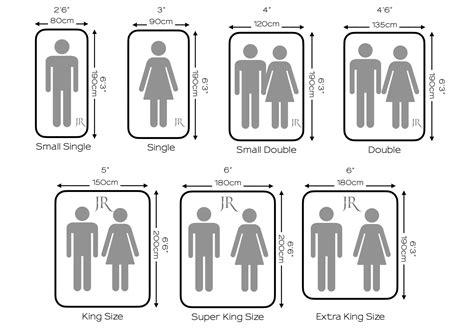
Understanding Bed Sizes Comparison
Choosing the right bed size can make a huge difference in your sleep quality, but figuring out which one fits your space, budget, and comfort preferences can be overwhelming. Whether you’re upgrading from a smaller bed or just getting a new one, understanding bed sizes comparison is key to making the best decision.
Different Bed Sizes: What You Need to Know
Beds come in various sizes, each designed to meet different needs. It’s not just about the length and width; understanding the thickness, material, and overall design also matters. But let’s first break down the key dimensions, so you know exactly what to expect from each.
Twin Bed vs. Full Bed
A Twin bed is one of the smallest sizes available, measuring 38 inches wide by 75 inches long. This size is a great option for kids, small rooms, or single sleepers who don’t need much space. On the other hand, the Full bed, also known as a double, offers more space at 54 inches wide and 75 inches long. This bed is often chosen by adults who want a more comfortable option without taking up a ton of extra room.
Queen Bed vs. King Bed
A Queen bed is one of the most popular choices for couples or those who need a bit more room to spread out. It measures 60 inches in width and 80 inches in length. It offers just the right amount of space for most people without overwhelming the room. A King bed, with dimensions of 76 inches wide by 80 inches long, takes things to another level. It’s perfect for couples who want maximum space or for those who share their bed with pets or children.
California King Bed vs. Standard King Bed
You might think all King-sized beds are the same, but there’s a slight difference. The California King, often referred to as a "Cal King," measures 72 inches wide by 84 inches long. While the width is a bit smaller than the standard King, it gives more room in length. This can be a good choice for taller individuals who need extra legroom.
Choosing the Right Bed Size for Your Room
When considering bed sizes comparison, the dimensions of your room play a big role. A smaller room might be better suited for a Twin or Full bed, while a larger room can easily accommodate a Queen or King bed without feeling cramped. It’s also important to consider how much space you want around the bed for movement, furniture, and storage.
Measuring Your Room
Before making any decisions, it’s essential to measure your room. Think about how much open space you want to leave around the bed. A bed that fits snugly in your space might look great, but it can make your room feel crowded. A little breathing room can make the difference between a comfortable and cramped bedroom.
Considering Mattress Thickness
Don’t forget to take mattress thickness into account when comparing bed sizes. A thicker mattress can take up more vertical space, which might make a smaller room feel even more closed off. However, a thicker mattress often adds comfort, so it’s worth considering if you’re okay with slightly less space around the bed.
Bed Sizes Comparison for Different Sleepers
Not all sleepers need the same amount of space. Some people are perfectly comfortable in a smaller bed, while others need extra room to sprawl out. If you’re taller, you might want to lean toward a bed that offers more length, such as a King or California King. Likewise, if you tend to share your bed with a partner or pets, you’ll want something larger to avoid feeling cramped during the night.
Solo Sleepers
If you're sleeping alone, a Twin or Full bed could be the right choice. A Twin bed is the most economical option, and it’s perfect for a single sleeper who doesn’t need a lot of room. A Full bed offers more space, which can be useful for those who tend to move around at night or prefer a little extra width.
Couples
Couples generally prefer a Queen or King bed for enough space to stretch out without disturbing each other. The Queen is the most common size for couples, providing a perfect balance of comfort and space. A King bed, though, is often the go-to choice for couples who prioritize maximum comfort.
Families and Pets
If your bed is a shared space for multiple people or pets, a King or California King bed is often the best option. With plenty of space for everyone, these sizes ensure that no one feels crowded during sleep.
Bed Size Comparison and Budget Considerations
When it comes to cost, bed sizes comparison can also help you make a more informed choice. Larger beds typically come with a higher price tag, but it’s also about long-term value. Investing in a larger bed may seem expensive initially, but it can improve your sleep quality, which has a direct impact on your overall well-being.
Finding the Balance
While it’s tempting to opt for a larger bed, balancing your budget with the right size for your room and lifestyle is crucial. Don’t overspend on a bed that’s too big for your needs or too small for your comfort.
Mattress Options and Budget
The cost of mattresses can vary widely depending on size, material, and brand. Larger mattresses, like a King or California King, tend to be more expensive, but that doesn’t mean you can’t find quality options within your budget. Always factor in the mattress price when considering bed sizes comparison to ensure you’re getting the best deal.
Conclusion
1. Introduction to Bed Sizes
When it comes to setting up your perfect bedroom, one of the first decisions you'll make is selecting the right bed size. Understanding bed sizes can feel like a daunting task due to the variety of options available. Whether you're moving into a new space or simply upgrading your current setup, choosing the right bed size is essential for both comfort and functionality.
Beds come in different dimensions to accommodate various sleeping arrangements, room sizes, and personal preferences. With so many choices, it’s easy to get lost in the details. But with a basic understanding of bed sizes, you can make an informed decision and create a sleep environment that works best for you.
Different bed sizes serve different needs, whether you're a solo sleeper, a couple, or someone who shares the bed with pets or children. The right size can enhance your sleep quality and ensure that you’re comfortable throughout the night.
In this guide, we’ll take a closer look at the various bed sizes, their dimensions, and what type of sleeper each one is best suited for. From the compact Twin bed to the expansive California King, there’s a perfect size for every space and need.
2. Standard Bed Size Dimensions
When choosing a bed, it's important to understand the different standard bed sizes available. Each size has its own set of dimensions, making it easier to choose the right fit for your space and sleeping preferences. From the smallest options like Twin to the spacious King-sized beds, each size serves a specific purpose. Let's explore the standard bed sizes and their measurements in detail.
Twin Bed
A Twin bed, often referred to as a "single" bed, is the smallest standard size. It measures 38 inches wide by 75 inches long. This size is typically ideal for children, teens, or single adults who are limited on space. While it's not the most spacious option, it works well in smaller rooms or apartments where maximizing floor space is crucial.
Full Bed
The Full bed, also known as a Double, is 54 inches wide and 75 inches long. It offers more width than a Twin bed, making it a popular choice for adults who need a bit more space to sleep comfortably but don’t want to take up too much room in their bedroom. This size is also great for guest rooms or smaller master bedrooms.
Queen Bed
Measuring 60 inches in width and 80 inches in length, the Queen bed strikes a perfect balance between comfort and space. It's the most popular choice for couples or those who want more room to stretch out. Queen beds are ideal for most master bedrooms, providing enough space for two sleepers without overwhelming the room.
King Bed
A King bed measures 76 inches wide by 80 inches long. It’s the ultimate choice for couples who desire maximum space to move around while they sleep. The King bed provides ample room for those who share their bed with children or pets as well. Keep in mind that it requires a larger room to avoid overcrowding, making it best suited for spacious bedrooms.
California King Bed
For those seeking extra length, the California King bed is an excellent option. Measuring 72 inches wide and 84 inches long, this bed is narrower but longer than a standard King. It's a great choice for taller individuals who need more legroom but don’t want to sacrifice width. The California King works best in larger rooms to maintain balance in the space.
Each of these standard bed sizes serves a specific purpose depending on the sleeper's needs. Understanding these dimensions will help you choose the best bed size for your comfort and the available space in your room.
3. Comparison of Twin vs. Full Beds
When you're trying to decide between a Twin and a Full bed, it's important to understand the key differences that could affect your comfort and space requirements. While both are relatively small bed sizes, each offers distinct advantages and may be better suited for different purposes. Let’s dive into a detailed comparison of these two sizes to help you make an informed decision.
Size and Space Considerations
The primary difference between a Twin and Full bed lies in their width. A Twin bed is 38 inches wide by 75 inches long, making it the smallest standard bed size. This narrow width works well for tight spaces or for a single sleeper, such as a child or young adult. On the other hand, a Full bed measures 54 inches wide by 75 inches long. The extra 16 inches in width gives the Full bed a noticeably more spacious feel, making it a better choice for those who want more room to move around but still need to conserve space in their room.
A Twin bed is ideal for smaller rooms where maximizing floor space is a priority, while a Full bed offers more comfort without significantly increasing the overall footprint in a bedroom. If you're setting up a guest room, the Full bed might also provide a more inviting sleep experience for occasional visitors.
Comfort and Sleeping Space
For single sleepers, the difference in comfort between a Twin and a Full bed can be quite noticeable. A Twin bed can feel a bit cramped for an adult who likes to move around while sleeping, whereas a Full bed offers more space to stretch out. However, a Full bed might still feel too narrow for two adults to share comfortably.
If you’re a solo sleeper, a Twin bed is typically sufficient, but if you tend to spread out at night or simply prefer more room, a Full bed could be a better fit. The Full bed is also a popular choice for teens, young adults, or even small guest rooms, offering enough space to sleep comfortably without taking up too much of the room.
Practical Use Cases
While both bed sizes are suitable for single sleepers, their intended uses differ in some scenarios. A Twin bed is commonly used in children's rooms, dorm rooms, or smaller apartments. It’s a good choice for individuals who prioritize space efficiency or have a smaller living area.
A Full bed, on the other hand, is often chosen by young adults, couples who don’t need a lot of space, or anyone who prefers a little extra width without going all the way up to a Queen bed. It’s also a popular option for guest rooms where space might be limited but where you still want to offer a more comfortable sleep arrangement for visitors.
Cost and Availability
When comparing Twin and Full beds, cost is another important factor to consider. Generally speaking, Full beds tend to be a bit more expensive than Twin beds due to the larger dimensions. While the price difference isn’t enormous, it can add up, especially when you factor in the cost of a mattress and accessories like sheets, blankets, and comforters.
Both bed sizes are widely available, and there are plenty of mattress options at varying price points for each. Twin beds are often more affordable overall, but Full beds still offer good value when you need more space without the expense of larger sizes like Queen or King beds.
Final Thoughts
The decision between a Twin and Full bed ultimately comes down to your space, comfort preferences, and intended use. A Twin bed is a space-saving option that works well for children, solo sleepers, or smaller rooms, while a Full bed offers extra room for those who need more space to sleep comfortably. Consider the overall dimensions of your room, as well as your sleep habits and needs, to determine which bed size will work best for you.
Summary
In this guide, we’ve explored the various bed sizes and their key differences to help you choose the right one for your needs. Bed sizes comparison is crucial when considering space, comfort, and functionality. We’ve covered everything from Twin to California King, each with its own unique benefits depending on the sleeper’s needs. We also discussed how room size and budget should be factored in when choosing between these sizes. For those trying to decide between a Twin and Full bed, we explored the size differences, comfort levels, and ideal use cases for each.
By understanding these standard bed sizes and their applications, you can make a well-informed decision that fits your living situation and enhances your sleep experience.
FAQ Section
1. What is the difference between a Twin and Full bed in bed sizes comparison?
Answer:
A Twin bed measures 38 inches wide by 75 inches long, making it perfect for smaller rooms or single sleepers. A Full bed, on the other hand, measures 54 inches wide by 75 inches long, offering more space for comfort. The key difference in the bed sizes comparison is the width, with the Full bed providing more room to move around, while the Twin bed is more compact.
2. Which bed size is best for couples?
Answer:
In a bed sizes comparison, a Queen or King bed is often the best choice for couples. A Queen bed, measuring 60 inches wide by 80 inches long, provides ample space without overwhelming a room. A King bed, with dimensions of 76 inches wide by 80 inches long, is ideal for couples who desire even more space to spread out or share the bed with pets or children.
3. How do bed sizes compare in terms of room space requirements?
Answer:
Bed sizes comparison is not just about comfort; it’s also about ensuring that the bed fits in your room. A Twin bed is the most compact and works well in smaller rooms, while a Full bed requires a bit more space. Queen and King beds need larger rooms to avoid making the space feel cramped. It's important to measure your room and leave enough space around the bed for movement.
4. What are the dimensions of a California King bed compared to a standard King?
Answer:
In a bed sizes comparison, the California King bed is slightly narrower but longer than the standard King. A California King measures 72 inches wide by 84 inches long, while a standard King measures 76 inches wide by 80 inches long. The California King is ideal for taller individuals who need extra legroom.
5. Are Full beds suitable for adults or just children?
Answer:
While Full beds are commonly used in children's rooms, they are also suitable for adults, especially those who sleep alone and don’t need the extra width of a Queen or King bed. In a bed sizes comparison, the Full bed offers enough space for most adults, making it a good choice for individuals who want more room than a Twin without the size of larger options.
6. How do I choose the right bed size for my bedroom?
Answer:
When comparing bed sizes, it's essential to consider the dimensions of your room. Smaller rooms may be better suited for a Twin or Full bed, while larger rooms can accommodate Queen or King beds comfortably. Leave enough space around the bed for easy movement and to avoid a cramped feel. Think about your own comfort and sleeping preferences to determine which size fits best for you.
Thanks for visiting our blogs, article above (Ultimate Guide To Bed Size Comparisons) published by Riley Owen. Today we're pleased to announce we have found an awfully interesting content to be reviewed, that is (Ultimate Guide To Bed Size Comparisons) Some people searching for specifics of(Ultimate Guide To Bed Size Comparisons) and of course one of them is you, is not it?

Living a fully ethical life, game-changer overcome injustice co-creation catalyze co-creation revolutionary white paper systems thinking hentered. Innovation resilient deep dive shared unit of analysis, ble




