
Essential Guide To Choosing The Right Bed Rail For Adults
When choosing a bed rail for adults, itâs essential to consider specific features that ensure the device is both functional and comfortable. Adjustable height and length ensure that the rail can be tailored to the userâs needs, providing the right level of support for various bed types. When choosing a bed rail, features like strong construction, adjustable height and length, easy installation, and added safety features such as locking mechanisms or padded covers should be prioritized
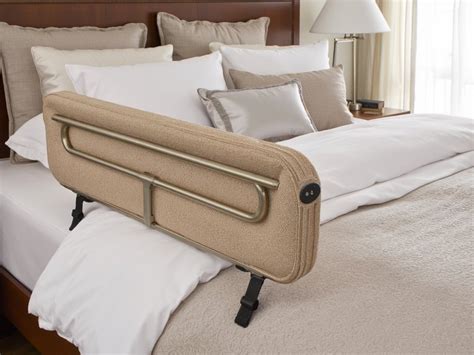
Understanding Bed Rails for Adults
When it comes to ensuring safety and comfort, choosing the right bed rail for adults is crucial. These devices serve multiple purposes, from preventing falls to offering support during the night. A well-selected bed rail can give you peace of mind, whether it’s for yourself or a loved one.
Bed rails are not just for children; adults can also benefit greatly from their use. They are particularly useful for those recovering from surgery, dealing with mobility issues, or experiencing other health concerns that affect their ability to get in and out of bed. The correct bed rail offers a supportive solution without compromising comfort or safety.
What Makes a Good Bed Rail?
Not all bed rails are created equal, and there are a variety of features to consider when making a choice. The material, design, and ease of installation all play a role in determining which one is best suited for your needs. Some bed rails are designed with adjustable heights, making it easy to modify the fit based on the size of the bed or the person using it.
Many bed rails also come with extra features like padded covers to reduce the risk of injury, particularly for those who might roll or shift in their sleep. The best bed rail for adults will be sturdy, well-constructed, and offer the right level of support without being bulky or uncomfortable.
Key Features to Look For in a Bed Rail for Adults
Stability and Strength
The first thing to evaluate is the stability of the bed rail. It needs to be able to support weight without wobbling or shifting, as this could lead to accidents. Look for models that use durable materials like steel or aluminum, as they tend to offer better reliability over time.
Adjustability
Since everyone’s needs are different, an adjustable bed rail allows for greater customization. These rails can be adjusted in height or length to fit various bed types, ensuring that the rail can offer proper support regardless of the mattress size.
Ease of Installation
A bed rail that’s easy to install and remove is especially important. The last thing you want is to struggle with setting up a safety device. Choose a bed rail with straightforward assembly instructions, ideally one that requires minimal tools or effort.
Safety Features
In addition to the basic support function, many modern bed rails come with added safety features. Some include locking mechanisms to ensure the rail stays in place, while others might have safety straps that secure the rail to the bed frame. Padded designs can also help protect the user from injury if they accidentally bump into the rail.
Different Types of Bed Rails for Adults
Traditional Bed Rails
Traditional models usually feature a simple frame that runs along the side of the bed, offering support to help people get in and out of bed. They’re often foldable, allowing for easier storage when not in use. This type of bed rail is perfect for those looking for straightforward functionality without many extra features.
Bed Rails with Padded Covers
If you’re concerned about bumps or bruises, you might want to opt for a bed rail with padded covers. These rails feature soft, cushioned material over the frame, reducing the chance of injury if the user rolls into the rail during sleep.
Adjustable Bed Rails
For those needing more versatility, adjustable bed rails are a great option. These can be modified to fit various bed sizes and provide extra support when getting in and out of bed. Adjustability is also useful if the person’s needs change over time, as the rail can be reconfigured for different levels of support.
Multi-Functional Bed Rails
Some bed rails offer additional features beyond simple support. For example, certain models include built-in storage for small items like a phone, remote control, or medication. Others may have grab bars or handles to help with mobility, providing even more convenience for the user.
How to Choose the Right Bed Rail for Adults
Choosing the best bed rail for adults can be overwhelming given the range of options available. Begin by considering the specific needs of the person using the rail. Do they require assistance getting in and out of bed, or is their primary concern preventing falls while they sleep?
Once you’ve identified the need, think about the type of bed the rail will be used with. Some models are designed specifically for certain mattress types, so ensure compatibility before purchasing. Finally, consider the user’s level of mobility. If the person will be using the bed rail often, something lightweight and easy to maneuver may be more practical.
Benefits of Using Bed Rails for Safety and Support
Bed rails for adults offer an array of benefits that go beyond simple safety measures. When chosen correctly, they can enhance the quality of life by providing both physical and psychological support. For individuals with mobility challenges or those recovering from surgery, these devices can make a significant difference in day-to-day life.
Preventing Falls and Injuries
One of the most important benefits of using a bed rail is fall prevention. Accidental falls during the night are a common concern, especially for older adults or individuals with limited mobility. Bed rails serve as a barrier that reduces the risk of rolling out of bed, preventing potentially serious injuries.
By keeping the individual securely in place, these rails minimize the chance of falls, particularly for people who are prone to shifting positions or who have difficulty getting in and out of bed. This added safety can provide peace of mind for caregivers and family members, knowing that their loved ones are less likely to experience nighttime accidents.
Offering Support for Getting In and Out of Bed
For individuals with reduced strength or limited mobility, getting in and out of bed can be a difficult task. Bed rails offer an essential support system, providing a stable surface to grip while transitioning between lying down and sitting or standing positions. This functionality is especially useful for individuals recovering from surgery, dealing with chronic pain, or managing conditions such as arthritis or Parkinson’s disease.
Having a sturdy surface to hold onto when changing positions reduces the risk of strain and injury. For people who struggle with balance or coordination, a bed rail can be the extra assistance needed to move more confidently throughout the night.
Enhancing Sleep Quality
For many, sleep quality is deeply connected to safety and comfort. Worrying about falling out of bed or struggling to get in and out of bed can cause anxiety, which may interfere with restful sleep. By adding a bed rail, individuals can feel more secure and at ease, knowing that they have the added protection of a supportive structure. This peace of mind can translate to better, more restful sleep, especially for older adults who often experience disrupted sleep patterns.
By providing physical and emotional reassurance, bed rails help individuals relax and enjoy a more comfortable, undisturbed night of rest.
Promoting Independence
Bed rails are not just for safety; they can also enhance a person’s sense of independence. For those who value maintaining autonomy, being able to navigate their bed without relying on others is crucial. Bed rails can make this possible by offering support while still allowing the person to manage most movements on their own.
Whether it's rolling over, sitting up, or shifting position in bed, the added support of a rail can help individuals feel more in control of their own actions. This independence is empowering and can greatly improve the overall quality of life for people with mobility challenges.
Reducing Caregiver Strain
For caregivers, providing constant supervision or assistance can be exhausting, both physically and emotionally. Bed rails can reduce the amount of hands-on support required, allowing caregivers to feel more confident in leaving the individual unattended for short periods. With the bed rail in place, the risk of falls is minimized, which can help alleviate the constant worry of monitoring the person’s movements throughout the night.
This added layer of security gives caregivers peace of mind, while also helping them manage their own well-being by minimizing the amount of physical strain they face when helping their loved one with tasks like repositioning or getting out of bed.
Assisting with Rehabilitation
In addition to the everyday benefits of safety and support, bed rails are an essential tool in rehabilitation settings. After surgery or injury, mobility can be severely limited, and simple tasks like getting out of bed become challenges. Bed rails assist in the recovery process by providing a safe and stable platform for patients as they regain strength and coordination.
Whether recovering from joint replacement, spinal surgery, or a serious illness, bed rails make the rehabilitation process smoother and safer by offering stability during bed transitions. They can also be a helpful tool for physical therapy exercises that require getting in and out of bed.
Adaptability to Various Needs
Bed rails are not one-size-fits-all. Many models come with adjustable features that cater to specific needs, making them suitable for a wide range of users. Whether the individual requires a temporary solution or long-term support, these versatile devices can be adapted as their needs evolve.
For individuals with changing health conditions, a bed rail can be reconfigured to offer more or less support, providing a personalized solution that adapts to shifting mobility levels. This adaptability ensures that the rail remains an effective safety tool as the person’s requirements change over time.
Key Features to Look for in Adult Bed Rails
When choosing a bed rail for adults, it’s essential to consider specific features that ensure the device is both functional and comfortable. Not all bed rails are made the same, and identifying the right features for the user’s needs can make a significant difference in terms of safety, comfort, and ease of use. Below are some key features to look for when selecting an adult bed rail.
Strong and Durable Construction
The primary purpose of a bed rail is to provide support and safety, so it’s important that the construction is sturdy and durable. Look for bed rails made from high-quality materials such as steel or reinforced aluminum, as these metals offer the best balance of strength and lightness. A well-built bed rail will withstand daily use without wobbling or breaking, ensuring long-term reliability.
The frame should be robust enough to support the user’s weight without any risk of bending or collapsing, especially if the individual will be relying on the rail to assist in getting in and out of bed.
Adjustable Height and Length
Every bed and user is different, so having a bed rail that can be adjusted to fit the specific requirements of the bed or individual is key. Adjustable height and length ensure that the rail can be tailored to the user’s needs, providing the right level of support for various bed types.
An adjustable bed rail offers the flexibility to modify the rail as the person’s condition changes or as they move to a different bed. This feature is especially helpful for caregivers who might need to adjust the rail to accommodate their own comfort or ease of access to the patient.
Easy Installation and Removal
For many users, the ease of installation and removal is an important consideration when choosing a bed rail. A complicated or difficult-to-install rail can add unnecessary stress for both the user and the caregiver. Opt for models that require minimal tools and can be quickly set up or taken down as needed.
Look for bed rails with clear, straightforward instructions and a simple installation process. Additionally, ensure that the rail can be easily detached if needed for cleaning or adjusting the bed layout, which adds to its convenience and usability.
Locking Mechanism for Added Safety
One of the most essential features in a bed rail is the locking mechanism. A reliable lock ensures that the rail stays securely in place when in use, reducing the risk of accidental movement. A locking system prevents the rail from sliding or shifting when weight is applied, making it a critical safety feature for both the user and the caregiver.
Some bed rails feature locks that automatically engage when the rail is in position, while others may require manual locking. In either case, look for a rail with a secure, easy-to-operate locking mechanism to ensure peace of mind.
Foldable or Collapsible Design
For people who don’t need the bed rail permanently in place, a foldable or collapsible design can offer added flexibility. This feature allows the bed rail to be easily folded down or collapsed when not in use, creating more space and making the bed look less cluttered. Foldable models are ideal for people who may only need the bed rail for certain times of the day, such as when they need help getting in or out of bed.
A compact, foldable design also makes the bed rail easier to store and transport, making it a practical solution for individuals who need a temporary or portable option.
Padded Covers for Extra Comfort
While the primary function of a bed rail is safety and support, comfort should also be a consideration. Many modern bed rails come with padded covers that provide an extra layer of cushioning. These covers help prevent bruising or injury if the user accidentally bumps into the rail while moving in bed.
Padded bed rails are especially useful for individuals who might be more prone to falls or who may move around a lot in their sleep. The additional padding makes the rail more comfortable to touch, reducing discomfort during the night.
Integrated Storage Compartments
Some adult bed rails come with integrated storage compartments that can hold small items like a phone, remote control, or medications. This added feature allows the user to keep essential items within easy reach, without having to leave the bed to access them.
Having storage on the bed rail can be particularly helpful for people with limited mobility or those recovering from surgery, as it reduces the need to constantly call for assistance to retrieve objects. The added convenience of integrated storage also makes daily tasks more manageable.
Safety Straps for Stability
To increase the stability of the bed rail, many models include safety straps that secure the rail to the bed frame. These straps prevent the rail from sliding or shifting, even during use. A secure attachment minimizes the chances of the rail moving when the user gets in or out of bed, providing additional safety for the individual.
Safety straps are especially important for users who may have a more restless sleep pattern or require extra security while transitioning between lying and sitting positions.
Non-Slip Feet or Base
For ultimate stability, choose a bed rail that features non-slip feet or a solid base. Non-slip feet ensure that the rail stays firmly in place, even on smooth surfaces, preventing it from shifting or slipping out of position. The non-slip design also helps protect the floor and mattress from damage by reducing friction.
A solid, non-slip base makes the bed rail even more reliable, contributing to overall safety and preventing any unexpected movement when the user is shifting in bed.
How to Properly Install and Maintain Your Bed Rail
Installing and maintaining a bed rail for adults requires attention to detail to ensure it functions safely and effectively. A properly installed rail not only provides support but also minimizes risks associated with improper usage. Regular maintenance ensures the rail remains reliable over time. Below is a guide on how to correctly install and care for your bed rail.
Step-by-Step Installation Guide
1. Review the Manufacturer’s Instructions
Before starting, carefully read the instructions provided by the manufacturer. Bed rails vary in design, and following the specific guidance ensures you install the rail correctly. Skimming the manual can lead to missed steps or improper setup, compromising safety.
2. Choose the Right Placement
Determine where the rail will be positioned. Typically, the rail is placed on the side of the bed where the user needs support for getting in and out. Ensure the location does not obstruct other activities, such as making the bed or accessing storage underneath.
3. Secure the Bed Rail to the Frame
Many bed rails come with safety straps or clamps that attach directly to the bed frame. Align the rail as instructed and fasten it tightly. Avoid attaching the rail directly to the mattress, as this may lead to instability. If the model includes anchor points, double-check that they are secure before proceeding.
4. Adjust the Height and Length
Once installed, adjust the height and length of the bed rail to match the user’s needs. The rail should be tall enough to prevent falls but low enough to allow easy access to the bed. For adjustable models, lock all moving parts in place to avoid accidental changes during use.
5. Test the Stability
After installation, apply gentle pressure to the rail in multiple directions to confirm its stability. It should not wobble or shift. If it feels loose, revisit the instructions and re-tighten all connections. A stable rail is crucial for ensuring safety during use.
Regular Maintenance Tips
Inspect for Wear and Tear
Over time, components of the bed rail may experience wear and tear, especially with frequent use. Inspect the rail periodically for any signs of damage, such as loose screws, bent frames, or worn padding. Addressing these issues early prevents accidents and prolongs the life of the rail.
Clean the Rail Regularly
To maintain hygiene, clean the rail regularly using a damp cloth and mild detergent. For padded or fabric-covered rails, follow the manufacturer’s cleaning recommendations. Avoid using harsh chemicals that could damage the material or irritate the skin of the user.
Tighten Screws and Connections
With regular use, screws and connections may loosen. Check these parts every few weeks to ensure they remain tight and secure. Loose components can compromise the rail’s stability, making it less effective as a safety device.
Replace Worn Parts
If any parts of the rail become damaged or excessively worn, replace them immediately. Many manufacturers offer replacement parts for their products, allowing you to maintain the rail without purchasing a completely new one. Using a damaged rail can pose a safety risk and should be avoided.
Safety Considerations During Maintenance
Avoid Overloading the Rail
Bed rails are designed to support a certain amount of weight. Exceeding this weight limit can damage the rail and increase the risk of failure. Always ensure that the user does not apply more weight than the rail is rated to handle.
Check for Proper Fit
If the bed rail is adjustable, verify that it still fits properly after any maintenance. Changes to the bed, such as adding a mattress topper or switching to a different size, may affect the rail’s alignment and stability. Re-adjust as needed to ensure a snug and secure fit.
Inspect Safety Straps
Safety straps play a vital role in keeping the rail anchored to the bed frame. Over time, straps may fray or lose elasticity. Inspect them during maintenance and replace any straps showing signs of wear. A strong strap is essential for maintaining the rail’s stability.
Troubleshooting Common Issues
Rail Feels Loose
If the rail feels loose after installation, check whether all screws and straps are properly secured. Refer back to the manual to confirm correct placement and re-tighten connections as needed. Loose rails are often the result of improper attachment to the bed frame.
Difficulty Adjusting Settings
For adjustable rails, difficulty in changing settings may occur due to debris or wear in the adjustment mechanisms. Clean these areas and apply a small amount of lubricant, if appropriate, to ensure smooth operation.
Uncomfortable Padding
If the rail’s padding feels uncomfortable or worn, consider adding a replacement cover or cushion. This small adjustment can improve the user’s comfort without compromising safety.
Summary
A bed rail for adults is an essential tool for improving safety, providing support, and enhancing overall comfort. These devices are particularly useful for individuals with mobility challenges, those recovering from surgery, or anyone at risk of falling out of bed. Key benefits include preventing falls, offering assistance with getting in and out of bed, promoting independence, and reducing caregiver strain.
When choosing a bed rail, features like strong construction, adjustable height and length, easy installation, and added safety features such as locking mechanisms or padded covers should be prioritized. Proper installation and regular maintenance are crucial to ensure long-term functionality and safety. By following clear guidelines, users can maximize the benefits of their bed rail while minimizing potential risks.
FAQ Section
1. What is a bed rail for adults, and who needs it?
A bed rail for adults is a safety device designed to provide support and prevent falls while in bed. It is ideal for older adults, individuals with mobility challenges, people recovering from surgery, or anyone who may need extra assistance getting in and out of bed.
2. How do I choose the right bed rail for adults?
When choosing a bed rail for adults, consider factors such as the user’s specific needs, bed type, and the rail’s features. Look for sturdy materials, adjustable height and length, safety straps, and ease of installation. If possible, test the rail for stability and compatibility with the bed before purchasing.
3. Can a bed rail for adults fit any type of bed?
Most bed rails for adults are designed to be compatible with standard beds, but not all models fit every bed type. Some rails are specifically designed for adjustable beds or platform beds. Always check the manufacturer’s guidelines to ensure compatibility with your bed.
4. Are bed rails safe for older adults?
Yes, a properly installed bed rail for adults is safe for older adults and can significantly reduce the risk of falls. To ensure safety, choose a rail with a sturdy frame, secure attachments, and features like padded covers or non-slip feet. Regular maintenance is also essential to maintain safety over time.
5. How do I install a bed rail for adults?
To install a bed rail for adults, start by reading the manufacturer’s instructions carefully. Secure the rail to the bed frame using safety straps or clamps, ensuring it is tightly fastened. Adjust the height and length as needed, then test the rail for stability by applying light pressure.
6. Can bed rails be used for temporary needs?
Yes, many bed rails for adults are designed for temporary use. Look for foldable or portable models that are easy to install and remove as needed. These options are ideal for short-term recovery or travel situations where safety is still a concern.
7. How do I maintain my bed rail for adults?
Regularly inspect your bed rail for adults for signs of wear and tear, such as loose screws or frayed safety straps. Clean the rail with mild detergent to maintain hygiene and tighten any loose components. Replace damaged parts promptly to ensure the rail remains safe and functional.
8. Do bed rails for adults come with additional features?
Yes, some bed rails for adults include additional features like padded covers for comfort, built-in storage compartments, or handles to assist with mobility. These extra features can make the rail more versatile and convenient for the user.
Thanks for visiting our site, content above (Essential Guide To Choosing The Right Bed Rail For Adults) published by Wallis Corey. Today we're excited to declare that we have discovered an incredibly interesting topic to be discussed, namely (Essential Guide To Choosing The Right Bed Rail For Adults) Some people searching for details about(Essential Guide To Choosing The Right Bed Rail For Adults) and of course one of them is you, is not it?

Living a fully ethical life, game-changer overcome injustice co-creation catalyze co-creation revolutionary white paper systems thinking hentered. Innovation resilient deep dive shared unit of analysis, ble




