
The Ultimate Guide To Bed Frame Sizes: Choosing The Right Fit For Your Space
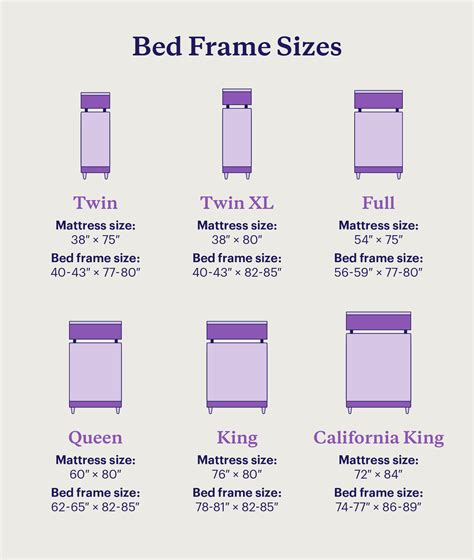
The Ultimate Guide to Bed Frame Sizes: Choosing the Right Fit for Your Space
Let’s talk about beds. Finding the right one is more than just picking a style; it's about size, and that’s where understanding bed frame sizes becomes crucial. Think of it like finding the perfect pair of shoes - too small and it's uncomfortable, too big and it feels awkward. Bed frames are no different.
Navigating Standard Bed Frame Dimensions
So, where do we begin? The world of bed frames operates within a set of standard dimensions. These help ensure that mattresses and frames pair seamlessly. Let’s look at some common options.
Twin Bed Frames
The twin, often the first bed size for many, measures about 38 inches wide by 75 inches long. This makes it perfect for solo sleepers, especially in smaller rooms or kids' spaces. They are compact, making them great space-savers.
Twin XL Bed Frames
Twin XL frames add extra legroom, measuring around 38 inches wide but stretching to 80 inches long. College dorms and taller individuals often find these a great fit. If you've ever found your feet hanging off a twin, this might be your solution.
Full Bed Frames
Full size, sometimes called a double, is about 54 inches wide and 75 inches long. It’s a good option for solo sleepers looking for extra space, or couples with a smaller living area. Think of it as a cozy step up from the twin.
Queen Bed Frames
The queen, a popular choice, measures approximately 60 inches wide and 80 inches long. It balances space and comfort, making it a good option for most couples and individuals who like to stretch out. You'll find this size frequently in many bedrooms.
King Bed Frames
King size frames are a grand 76 inches wide and 80 inches long. This option is ideal for couples who like maximum space, and is often seen in larger master bedrooms. The extra width provides space for everyone.
California King Bed Frames
California kings are long and lean, measuring about 72 inches wide and 84 inches long. Think of it as a king with extra length, perfect for those who need a few more inches at the foot of the bed.
Beyond the Basics: Considering Your Space
Beyond the standard bed frame sizes, consider your space. A large frame in a small bedroom can overwhelm the area, while a small frame in a large room might appear insignificant. Before making a choice, measure your room and think about furniture placement. You don't want to end up with a bed that takes up all the walking space.
Room Size and Layout
Take a good look at the room's dimensions and layout. Factor in doors, windows, and other furniture. Walkways need to be clear and unobstructed, for comfort and safety. Use painter's tape on the floor to visualize the dimensions before buying.
Personal Preferences
Consider how you prefer to sleep. Are you a sprawler? Do you like to sleep close to your partner? Your preferences will heavily influence the best bed frame size for you. Someone who tosses and turns at night likely needs more space than someone who sleeps still.
Choosing Your Perfect Bed Frame Size
Choosing the correct size is a personal process. It is a journey between what space you have, who is sleeping on it, and what are their sleeping styles. The mattress, frame, and room work together, not separate entities. Pick carefully and you'll enjoy many good nights of sleep.
Understanding Standard Bed Frame Sizes: What You Need to Know
Navigating the world of bedding can be tricky, especially when it comes to choosing the right bed frame. The sheer variety of options available, coupled with varying terminologies, can quickly become overwhelming. This article aims to simplify the process by outlining standard bed frame sizes and offering insights to help you make an informed decision.
Why Knowing Bed Frame Sizes Matters
Before we delve into specific measurements, understanding why bed frame size is crucial is important. The wrong size can lead to discomfort, instability, and even damage to your mattress. A frame that’s too small won’t properly support your mattress, causing it to sag or wear unevenly. Conversely, a frame that’s too large will leave gaps, creating an unsightly look and potentially posing a safety hazard. Matching your mattress to the correct bed frame sizes ensures optimal support, longevity of your bedding, and ultimately, a better night’s sleep.
Common Bed Frame Sizes Explained
Let's break down the most common bed frame sizes you’ll encounter:
-
Twin (Single): Typically measuring around 38 inches wide and 75 inches long, a twin size is ideal for children's rooms, single sleepers, and smaller spaces. It’s the smallest standard size and often used in bunk beds and guest rooms.
-
Twin XL: Extending the length of a standard twin, the Twin XL is usually 38 inches wide and 80 inches long. The added length makes it a popular choice for college dorms and taller individuals.
-
Full (Double): Offering more space than a twin, the full size measures approximately 54 inches wide and 75 inches long. It can comfortably accommodate one adult or two small children, but may feel cramped for two adults.
-
Queen: A very common choice, the queen size bed frame measures about 60 inches wide and 80 inches long. It provides ample space for two adults and is a versatile option for most bedrooms.
-
King: Known for its spacious dimensions, a king size frame is generally around 76 inches wide and 80 inches long. Ideal for couples who prefer extra sleeping room and is particularly well-suited to master bedrooms.
-
California King: This option offers more length and slightly less width than a standard king. Usually measuring 72 inches wide and 84 inches long, the California King is ideal for taller individuals, particularly those with a narrower bedroom.
Beyond Standard Sizes: Considerations
While the above outlines standard bed frame sizes, there are a few additional factors to consider:
- Platform Beds: Platform bed frames may have slightly different dimensions as they often don't require a box spring. Make sure the frame dimensions match your mattress precisely.
- Headboards and Footboards: The addition of headboards and footboards can increase the overall length of the bed frame. Always factor these in when assessing space needs.
- Bed Frame Style: Different styles, from minimalist to elaborate designs, will also affect the overall dimensions of the frame.
- Room Size: Don't underestimate the impact of room size. Always measure your space carefully to ensure the bed frame you choose fits comfortably without making the room feel cramped.
Measuring Your Space and Mattress
Before purchasing any frame, always measure both your mattress and the room where it will be placed. This will allow you to make an informed decision about the bed frame sizes that will be the best fit for your specific situation. Consider leaving ample space for walkways and other furniture to prevent overcrowding. Taking these steps ensures comfort, functionality, and a cohesive look for your bedroom.
Custom Bed Frames: Tailoring Sizes to Your Unique Needs
Understanding Standard Bed Frame Sizes
Before venturing into the world of custom creations, it’s essential to grasp the common bed frame sizes. These generally include twin, full (or double), queen, king, and California king. Each offers a specific sleeping surface dimension and caters to different room sizes and occupant needs. Twin beds are often the choice for children or single adults, while full beds provide a slightly larger sleeping area. Queen beds are popular for couples and offer a balance of space and cost-effectiveness. King and California king beds, being the largest, are favored for those who value extra sleeping room or have larger master bedrooms. Understanding these standard dimensions provides a useful point of reference.
Why Consider Custom Bed Frame Sizes?
While standard bed frame sizes work for many, they can sometimes fall short of addressing individual requirements. You might find yourself needing a different length for exceptionally tall individuals, a narrower frame to accommodate a tight space, or perhaps a slightly wider frame for additional comfort. Custom bed frame sizes provide the perfect solution to these challenges. They allow you to break free from limitations and create a bed that fits your body, your room, and your lifestyle seamlessly. The benefits extend beyond pure functionality, adding a touch of personalized luxury and design to your sleeping space.
Defining Your Custom Bed Frame Size
The process of defining your custom bed frame size requires careful planning. First, accurately measure your mattress's dimensions if you're not buying a custom mattress to go with your frame. Second, assess your bedroom space, considering the existing furniture and circulation areas. Determine the ideal length, width, and height of your bed frame that would provide optimal comfort and spatial balance. Consider whether you need storage space beneath the frame and how this will impact the overall height. It’s best to sketch out your ideas on paper or using design software. When choosing, remember the bed frame sizes that fit your need.
Materials and Construction Considerations
Once you have your ideal size for your bed frame, consider the materials and construction. Wood, metal, upholstered fabric, and even reclaimed materials are all popular options for custom frames. Solid wood, such as oak or maple, provides durability, while metal offers a more modern or industrial aesthetic. The construction method will also impact the sturdiness and longevity of your frame. Well-crafted joinery and quality hardware are crucial factors to consider for durability when making this type of investment. Remember when deciding the materials, take into account the style you are aiming for and how it will fit your home.
Working with a Craftsman or Manufacturer
Commissioning a custom bed frame usually involves working with a skilled craftsman or manufacturer. Do your research and choose someone with experience in creating custom furniture, who has positive customer reviews, and who has a portfolio that aligns with your style. Be prepared to discuss your requirements in detail and communicate your design vision effectively. Expect a consultation and potential design iterations before the construction phase. Ask questions about the building process, materials, and expected completion time. Discuss any adjustments that might be necessary along the way. The final result will be a uniquely sized bed tailored to you.
Space Considerations: How to Choose the Right Bed Frame for Your Room
Understanding Bed Frame Sizes
Choosing the right bed frame is crucial for maximizing your bedroom space and creating a comfortable sleeping environment. Knowing the dimensions of different bed frame sizes is the first step. Common sizes vary significantly, impacting the overall feel and functionality of your room. Understanding these differences is key to making the perfect choice.
Twin, Full, Queen, and King: A Deep Dive into Dimensions
- Twin: Typically 39 inches wide by 75 inches long. Ideal for smaller bedrooms or single sleepers.
- Full: 54 inches wide by 75 inches long. Offers more space than a twin, suitable for a growing child or a cozy couple.
- Queen: 60 inches wide by 80 inches long. A popular choice for single sleepers needing more room or a couple who value extra space.
- King: 76 inches wide by 80 inches long. Provides maximum space for two adults and offers a luxurious feel.
Measuring Your Room: Crucial for Bed Frame Selection
Before you even consider specific bed frame sizes, it's essential to accurately measure your bedroom. Don't just estimate; get precise measurements for both width and length. Allow space for nightstands, dressers, and other furniture that you intend to place in the room, ensuring that the bed frame will comfortably fit without overcrowding.
Considering Your Lifestyle and Preferences
While dimensions are important, the style and features of a bed frame play a significant role. Consider the overall aesthetics you desire. Will it complement the existing decor? Look for features like storage options that can maximize your space or different frame heights for optimal comfort.
Beyond Size: Platform Beds, Storage Beds, and More
- Platform Beds: Often a space-saving solution, typically low-profile and providing a clean aesthetic. Their compact design often lends itself to smaller rooms.
- Storage Beds: A clever way to maximize your room's storage capacity. These offer drawers, lift-up mechanisms, and other features to stow away bedding, clothes, or other items.
Finding the Right Bed Frame Sizes for Your Space
Match the size of the bed frame to the size of your room, accounting for walkway space and room for furniture arrangement. Remember, smaller bed frames in a large room can feel awkward, while larger frames in a small room can feel overwhelming. Carefully plan the arrangement of other furniture to maintain a sense of openness and flow.
Here you are at our blogs, article above (The Ultimate Guide To Bed Frame Sizes: Choosing The Right Fit For Your Space) published by Carr Owen. Nowadays we're pleased to announce we have found an incredibly interesting content to be discussed, namely (The Ultimate Guide To Bed Frame Sizes: Choosing The Right Fit For Your Space) Many individuals looking for info about(The Ultimate Guide To Bed Frame Sizes: Choosing The Right Fit For Your Space) and definitely one of these is you, is not it?

Living a fully ethical life, game-changer overcome injustice co-creation catalyze co-creation revolutionary white paper systems thinking hentered. Innovation resilient deep dive shared unit of analysis, ble




