
The Ultimate Guide To Bed Frame Hardware: Types, Installation, And Maintenance
Bed frame hardware refers to the various components and materials used to construct and assemble a bed frame. Brass is a durable and corrosion-resistant material used in bed frame hardware. Aluminum is a lightweight and corrosion-resistant material used in bed frame hardware
Bed Frame Hardware: An Overview
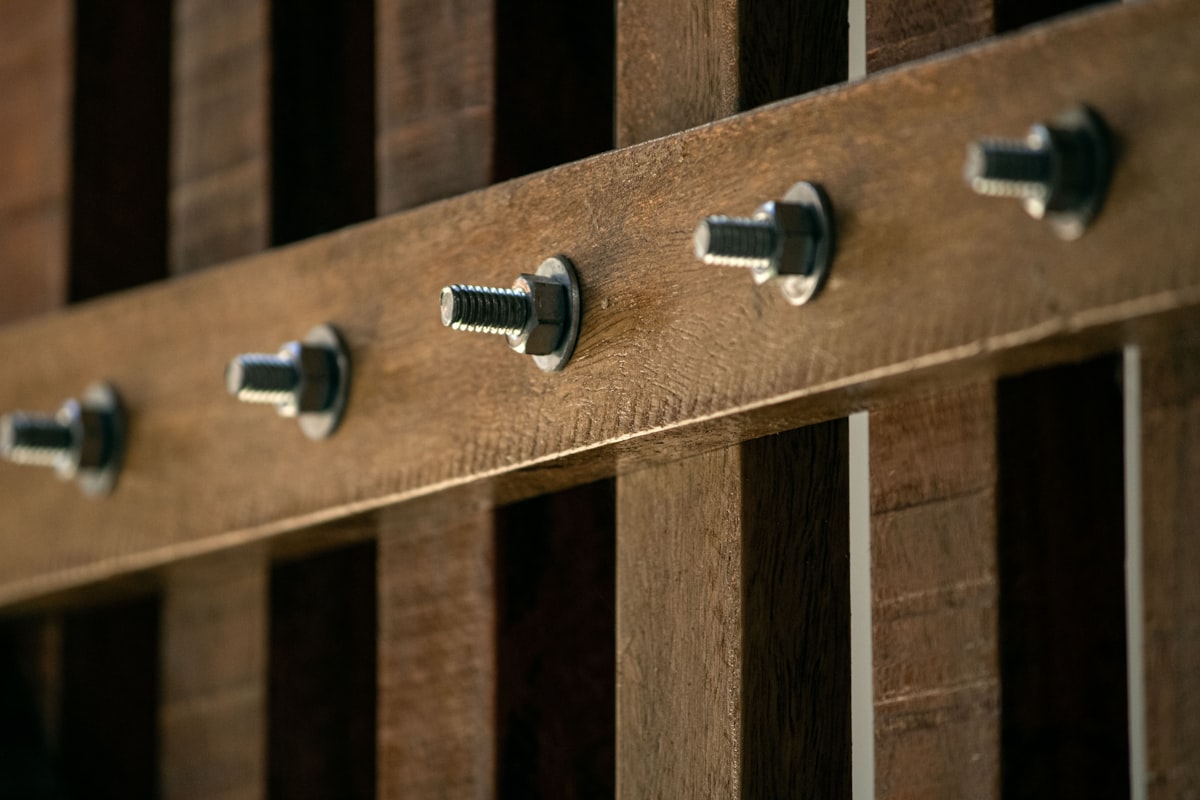
Bed frame hardware refers to the various components and materials used to construct and assemble a bed frame. These parts can include slats, brackets, bolts, screws, and other fittings that provide stability and support to the bed frame.
Types of Bed Frame Hardware
There are several types of bed frame hardware, each with its unique function:
Slats
Slats are long, thin pieces of wood, metal, or plastic that run across the width of the bed frame. They support the mattress and provide airflow, preventing the mattress from sagging or getting too hot.
Brackets
Brackets are metal pieces that connect the slats to the bed frame. They provide additional support and stability to the bed frame.
Bolts and Screws
Bolts and screws are used to secure the various components of the bed frame together. They ensure that the bed frame is sturdy and safe to use.
Other Fittings
Other fittings may include bed frame corners, center supports, and bed rails. These components provide additional support and stability to the bed frame, ensuring that it can withstand the weight of the mattress and the users.
Installation of Bed Frame Hardware
Installing bed frame hardware can be a straightforward process, but it is essential to follow the manufacturer's instructions carefully:
- Lay out the bed frame components according to the instructions.
- Attach the brackets to the slats using screws or bolts.
- Attach the slats to the bed frame using brackets or other fittings.
- Secure the various components of the bed frame together using bolts and screws.
- Test the bed frame for stability and adjust any loose components as necessary.
Maintenance of Bed Frame Hardware
Proper maintenance of bed frame hardware can prolong the life of the bed frame:
- Regularly inspect the bed frame for loose or damaged components.
- Tighten any loose screws or bolts as necessary.
- Replace any damaged or worn-out components promptly.
- Clean the bed frame regularly using a damp cloth and mild detergent.
- Avoid exposing the bed frame to excessive moisture or heat.
Bed Frame Hardware: A Comprehensive Guide
Understanding the Importance of Bed Frame Hardware
Bed frame hardware plays a crucial role in ensuring the stability and durability of a bed frame. It refers to the screws, nuts, bolts, and other metal fasteners used to assemble and secure the various components of a bed frame.
Types of Bed Frame Hardware
Bed frame hardware can be broadly classified into several types, each serving a specific purpose.
Wood Screws
Wood screws are the most common type of bed frame hardware used in assembling bed frames made of wood. They come in different sizes and gauges, and are usually coated with a durable finish to prevent rust and corrosion.
Bolts and Nuts
Bolts and nuts are used to secure heavy components of the bed frame, such as the headboard and footboard. They provide a strong and stable connection, and are often used in combination with washers to prevent damage to the surrounding material.
Cam Locks
Cam locks are a type of bed frame hardware used in modern bed frames. They consist of a cam and a screw, which work together to create a secure and sturdy connection.
Drawer Glides and Slides
Drawer glides and slides are used to attach drawers to the bed frame. They provide smooth movement and support, and are often used in storage beds and platform beds.
Bed Frame Hardware Materials
Bed frame hardware can be made from various materials, each with its own strengths and weaknesses.
Steel
Steel is a popular material for bed frame hardware due to its strength and durability. It is often coated with a rust-resistant finish to prevent corrosion.
Brass
Brass is a durable and corrosion-resistant material used in bed frame hardware. It is often used in high-end bed frames due to its attractive appearance.
Aluminum
Aluminum is a lightweight and corrosion-resistant material used in bed frame hardware. It is often used in modern bed frames due to its sleek and modern appearance.
Bed Frame Hardware Considerations
When selecting bed frame hardware, there are several factors to consider.
Compatibility
The hardware should be compatible with the bed frame material and design.
Durability
The hardware should be durable and long-lasting to withstand regular use.
Rust and Corrosion Resistance
The hardware should be resistant to rust and corrosion to prevent damage.
Ease of Assembly
The hardware should be easy to assemble and disassemble for maintenance and repairs.
Installation and Maintenance
Proper installation and maintenance of bed frame hardware is crucial to ensure the stability and durability of the bed frame.
Following Instructions
It is essential to follow the manufacturer's instructions for assembly and installation.
Regular Checks
Regular checks should be performed to ensure that the hardware is secure and tightened.
Lubrication
Lubrication of moving parts, such as drawer slides, can improve smooth movement and reduce wear and tear.
Tightening
Loose hardware should be tightened regularly to prevent damage and instability.
Choosing the Right Bed Frame Hardware
Understanding the Importance of Hardware
Types of Bed Frame Hardware
- Headboard Mounting Hinges: These are designed specifically for headboards and come with a sturdy hinge system to provide unrestricted movement.
- Sliding Headboard Glides: Ideal for bedroom designs that necessitate a slide-out function for maximum space-saving potential.
- Adjustable Bed Frames: Equipped with an adjustable system that can accommodate different mattress sizes and adjust to different positions.
Measuring and Planning
Taking Measurements
- Measure the width of your bed: measure the mattress width to determine the ideal size of the frame.
- Measure the depth of your bed: measure the gap between the mattress and the wall to determine the end cap size.
Identifying the Right Fit
- Determine the type of bed frame you have (e.g., platform, frame, or storage bed): Different types of bed frames may require different hardware configurations.
- Consider the shape and style of your room: if you have a small room, you may prefer a more compact or minimalist bed frame hardware setup.
Choosing the Right Material
- Wood: a classic choice, often available in a variety of wood types and finishes to complement your room decor.
- Metal: provides added strength and support, often coated with a powder or chrome finish.
- Plastic: lightweight, easy to install, and durable, often powder-coated for added protection.
The Installation Process
Removing Old Hardware (If Applicable)
- Locate the old hardware (e.g., screws, brackets) on the headboard and break them loose using an Allen wrench or screwdriver.
Installing New Hardware
Step 1: Attach Headboard Brackets
- Locate the headboard bracket installation guide and follow it to position and secure the brackets to the wall.
- Attach the brackets to the headboard using the provided screws or bolts.
Step 2: Slide Glides Installation
- Slide glides are typically installed using a rod or rail system.
- Attach the rod or rail to the wall, then place the slide glide unit onto the end of the bed frame.
- Secure the glide with the attached brackets.
Step 3: Headboard Mounting Hinges
- Attach the hinges to the back of the headboard, then secure them to the wall bracket.
- Hang the headboard with the hangers to test the hinge mechanism.
Step 4: Platform Support Installation
- Attach the platform support brackets to the floor using the screws provided.
- Install the bed frame onto the platform support brackets.
Step 5: Safety Checks
- Double-check that the bed frame is level and stable.
- Test all rails, brackets, and glides to ensure smooth movement.
- Replace any old or damaged hardware, as necessary.
Troubleshooting
- If a rail or bracket is sticking or won't slide smoothly, inspect it for any visible obstructions or debris.
- Consult a professional for difficult installations or problems requiring advanced hardware.
Warranties and Replacement
- Always ensure warranty coverage and obtain required documentation before installation.
- Review the installation manual provided with the bed frame hardware.
- Schedule replacement, if necessary, or contact the manufacturer for assistance.
Thanks for visiting our site, article above (The Ultimate Guide To Bed Frame Hardware: Types, Installation, And Maintenance) published by Webster Archie. Nowadays we're excited to declare we have discovered an awfully interesting niche to be reviewed, namely (The Ultimate Guide To Bed Frame Hardware: Types, Installation, And Maintenance) Many individuals attempting to find specifics of(The Ultimate Guide To Bed Frame Hardware: Types, Installation, And Maintenance) and definitely one of them is you, is not it?
Gallery for The Ultimate Guide to Bed Frame Hardware: Types, Installation, and Maintenance


Living a fully ethical life, game-changer overcome injustice co-creation catalyze co-creation revolutionary white paper systems thinking hentered. Innovation resilient deep dive shared unit of analysis, ble




