
The Ultimate Guide To Choosing The Best Bed For Your Dog
Comfort and support are paramount for your dog's well-being, particularly for senior dogs or those with joint issues. Size (matching your dog's size and shape), material (durability, comfort, and ease of cleaning), comfort/support (firmness, cushioning, and joint support, especially for senior dogs or those with health issues), and style (consider your dog's personality and preferences, like open versus enclosed spaces) are all key considerations when selecting the perfect bed for dog. They are beneficial for senior dogs, dogs with arthritis, hip dysplasia, or other joint issues, as they provide targeted support and cushioning to alleviate pressure points and reduce pain
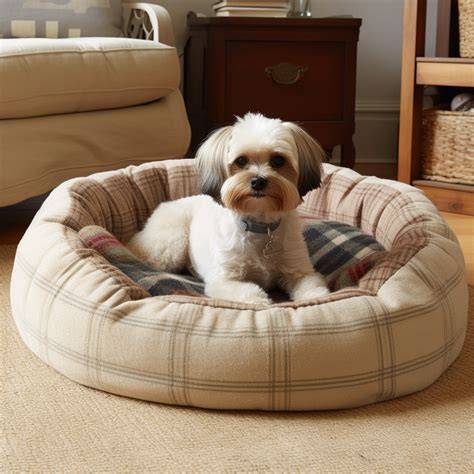
The Ultimate Guide to Choosing the Best Bed for Your Dog
Finding the perfect bed for your furry friend isn't just about comfort; it's about their overall well-being. Dogs, like humans, need a cozy and supportive space to relax and recharge. Consider their breed, size, and individual needs. This guide will help you navigate the world of dog beds and pick the ideal one for your canine companion.
Factors to Consider When Choosing a Dog Bed
Dogs have distinct needs when it comes to bedding. Think about your dog's size and breed. A small dog might prefer a compact, cozy bed, while a large dog needs something more substantial and supportive. A senior dog or a dog with joint issues may benefit from an orthopedic bed.
Size Matters
Matching the bed size to your dog's size is crucial. A bed that's too small might feel confining and uncomfortable. A bed that's too large could lead to a dog feeling lost and anxious. Measure your dog's length and width to ensure a perfect fit. This ensures optimal comfort and safety.
Material Matters
Different materials offer various benefits. Some dogs prefer soft fabrics, while others might prefer something firmer and more durable. Think about the material's warmth and breathability, especially for different weather conditions. Consider the dog's age and health conditions when choosing the fabric.
Comfort and Support
Comfort and support are essential for a good night's rest. Orthopedic beds provide exceptional support for joints and muscles. If your dog has mobility issues, this could be a lifesaver. Examine the firmness and padding of the bed to see if it aligns with your dog's needs.
Types of Dog Beds: A Comprehensive Overview
Understanding the different types of dog beds can help you find the perfect fit for your best friend.
Orthopedic Beds
These beds are designed with extra cushioning and support, often featuring a firmer base. They are excellent for senior dogs, dogs with arthritis, and those recovering from injuries. Orthopedic beds often have memory foam or high-density foam to provide targeted support.
Cuddler Beds
A cuddler bed is perfect for dogs who love to snuggle. These are usually made from soft, plush materials and are often designed to be shaped like a cave or a nest. Some dogs feel more secure in a more enclosed space.
Bolster Beds
Bolster beds often have raised edges, providing a sense of security and support. The raised sides often help dogs feel more contained.
Memory Foam Beds
Memory foam beds conform to your dog's body, cradling them in comfort. They're great for dogs with joint issues or those who simply love to sink into a bed. Memory foam is known to maintain its shape even after use.
Cleaning and Maintenance Tips
Easy cleaning and maintenance are equally important. Choose a material that's easy to wipe down or wash. A washable cover can make a world of difference. Regular cleaning will prevent the growth of bacteria and keep your dog's bed fresh and hygienic.
Where to Buy a Dog Bed
Don't settle for anything less than the best. Explore different online retailers and local pet stores to compare options and prices. Read reviews and consider what other dog owners are saying. Check for reliable brands that offer good customer support.
Additional Considerations
Consider your dog's personality and preferences when choosing a bed. Does your dog like to curl up? Does it prefer a crate-style bed or a more open space?
Why Your Dog Deserves a Comfy Bed
A dog's bed isn't just a place to sleep; it's a sanctuary, a personal space, and a reflection of your love and care. Providing a comfortable bed for your dog is more than just a luxury – it's an investment in their overall health and well-being. From joint support to stress reduction, a good dog bed can dramatically improve your furry friend's quality of life.
The Importance of Comfort for Canine Companions
A proper bed for dog is crucial for several reasons. Dogs, like people, need a place to unwind and recharge. Providing a supportive and cozy bed fosters relaxation and allows your dog to retreat into their own space. Think about the pressures of their daily life – walks, playtime, and interactions with the family. A comfortable haven promotes calmness and reduces stress.
Physical Well-being and Joint Support
Choosing the right dog bed isn't just about aesthetics; it's about promoting your dog's physical health. Certain breeds or senior dogs benefit from the added support that a premium dog bed can provide. If your dog has joint issues, an orthopedic bed can significantly ease discomfort and promote mobility. This can lead to increased activity levels and improved overall well-being.
Restful Sleep for a Happy Dog
Quality sleep is essential for a dog's physical and mental health. A good bed for dog allows for a more restful sleep, leading to a happier and more well-balanced dog. Restful sleep directly impacts mood, energy levels, and overall behavior.
Choosing the Right Bed for Your Dog's Unique Needs
Every dog is different. Think about your dog's size, breed, and any health considerations. Consider their personality – do they prefer a snuggle or a more spacious environment?
Addressing Specific Needs
Senior dogs or dogs with arthritis may require added support. Orthopedic beds provide crucial cushioning and support for joints, which can be incredibly beneficial for managing aches and pains.
Size and Breed Considerations
Matching the bed to your dog's size is vital. A too-small bed can feel confining, while a too-large bed might not provide the necessary support. Measure your dog accurately to ensure a perfect fit. Consider your dog's breed-specific tendencies; some breeds tend to curl up, while others stretch out.
Enhancing Your Dog's Quality of Life
A comfy dog bed isn't just about providing a place to sleep; it's about creating a space where your dog feels safe, secure, and comfortable. A good bed can make a significant difference in their overall happiness and well-being. It's an investment that pays dividends in the form of a happier, healthier, and more relaxed canine companion.
Factors to Consider When Buying a Dog Bed
Choosing the right bed for your dog is more than just picking a pretty pattern. It's about ensuring comfort, support, and a space that fosters your dog's well-being. Several factors play a critical role in this decision.
Size and Breed
Matching the bed size to your dog's size is fundamental. A bed that's too small can feel confining and uncomfortable, while one that's too large might not offer the necessary support. Measure your dog accurately, considering their length and width. Different breeds have varying sleeping postures and preferences. A large breed, for instance, might need a more spacious bed than a small breed.
Important Measurements
Accurate measurements are crucial for a good fit. Take precise measurements of your dog's length and width to ensure a snug but not cramped sleeping space. Consider their typical sleeping posture – do they curl up tightly, or do they stretch out? This will help you choose a bed that accommodates their natural sleeping style.
Breed-Specific Considerations
Some breeds might require more support due to their physical structure or age. Large breeds often benefit from extra cushioning, and senior dogs may need orthopedic beds for joint comfort.
Material and Durability
The material of the bed significantly impacts comfort, durability, and ease of cleaning. Consider factors like softness, firmness, breathability, and water resistance. Look for materials that are easy to clean and resistant to wear and tear, especially if your dog is a chewer or a messy eater.
Fabric and Filling
The fabric should be durable enough to withstand your dog's activities and easy to clean. Some fabrics are more resistant to stains, and others provide better breathability to avoid overheating. The filling should offer the necessary support without feeling overly soft or yielding.
Water Resistance and Stain Resistance
A dog bed should be water-resistant to prevent accidents from causing damage. The material should be readily washable or stain-resistant for easy maintenance. This is especially important if your dog is prone to accidents or spills.
Comfort and Support
Comfort and support are paramount for your dog's well-being, particularly for senior dogs or those with joint issues. Orthopedic beds often feature high-density foam or memory foam to cushion joints and provide excellent support.
Orthopedic Considerations
Orthopedic beds are specifically designed to provide superior joint support and cushioning for dogs with arthritis, hip dysplasia, or other mobility issues. They often feature specialized materials and construction to ensure maximum comfort and alleviate pressure points.
Firmness and Padding
Choose a level of firmness that aligns with your dog's needs. Some dogs prefer a softer bed, while others prefer a firmer one. The padding should offer adequate support without being overly firm or too soft. Experiment with different levels of firmness to find the perfect fit for your dog.
Style and Design
Ultimately, the aesthetics of the bed play a role. Choose a bed that complements your home decor and enhances your dog's personal space.
Aesthetics and Décor
The style and design of the bed can complement the aesthetic of your home while creating a comforting atmosphere for your dog. Consider factors like the color, pattern, and overall design to ensure that it seamlessly blends into your living space.
Enclosed or Open Designs
Consider whether your dog prefers a more enclosed or open design. Some dogs find enclosed beds more comforting and secure, while others might prefer a more open design to move around freely.
Summary of "The Ultimate Guide to Choosing the Best Bed for Your Dog"
This guide provides a comprehensive overview of choosing the ideal bed for your canine companion. It emphasizes the importance of comfort, support, and safety, highlighting factors such as size, material, and design. The guide covers different types of dog beds, including orthopedic options, and provides practical advice on selecting a bed that caters to your dog's individual needs and preferences. It also touches on cleaning and maintenance, helping pet owners make informed decisions to ensure their dogs have a comfortable and healthy resting space. Ultimately, the guide aims to empower owners to select the perfect bed for their furry friend.
FAQ Section:
Q: What are the key factors to consider when choosing a bed for dog?
A: Several factors are crucial. Size (matching your dog's size and shape), material (durability, comfort, and ease of cleaning), comfort/support (firmness, cushioning, and joint support, especially for senior dogs or those with health issues), and style (consider your dog's personality and preferences, like open versus enclosed spaces) are all key considerations when selecting the perfect bed for dog.
Q: What type of bed is best for a senior dog with joint problems?
A: An orthopedic bed is often the best choice for senior dogs or those with joint issues. These beds typically have extra cushioning and support, particularly high-density foam or memory foam, to alleviate pressure points and reduce pain.
Q: How do I choose the right size bed for my dog?
A: Measure your dog's length and width accurately. A bed that's too small can be uncomfortable and confining, while one that's too large may not provide adequate support. Consider your dog's sleeping posture; do they curl up tightly or stretch out? This will help you choose a bed that accommodates their natural sleeping style.
Q: What materials are best for a durable and easy-to-clean dog bed?
A: Look for durable, water-resistant materials like high-quality fabrics that are easy to clean or machine washable. Consider materials like nylon, canvas, or synthetic fabrics that resist stains and are easy to wipe down.
Q: What is an orthopedic bed, and who benefits from them?
A: An orthopedic dog bed is designed with extra cushioning and support, often made of high-density foam or memory foam. They are beneficial for senior dogs, dogs with arthritis, hip dysplasia, or other joint issues, as they provide targeted support and cushioning to alleviate pressure points and reduce pain.
Q: How important is the material's breathability in a dog bed?
A: Breathability is crucial, particularly during warmer months. A bed with good ventilation prevents overheating and discomfort. Look for materials with breathable fabrics to ensure your dog stays cool and comfortable, especially in hot climates.
Thanks for visiting our site, content above (The Ultimate Guide To Choosing The Best Bed For Your Dog) published by Poole Ryan. At this time we're excited to announce we have found an awfully interesting content to be discussed, that is (The Ultimate Guide To Choosing The Best Bed For Your Dog) Most people searching for specifics of(The Ultimate Guide To Choosing The Best Bed For Your Dog) and of course one of them is you, is not it?

Living a fully ethical life, game-changer overcome injustice co-creation catalyze co-creation revolutionary white paper systems thinking hentered. Innovation resilient deep dive shared unit of analysis, ble




