
Effective Bed Bugs Treatment: A Comprehensive Guide
A professional can provide an accurate diagnosis and effective treatment plan. Professional expertise can save time and frustration, leading to a more effective treatment plan. A multifaceted approach is often the most effective bed bugs treatment
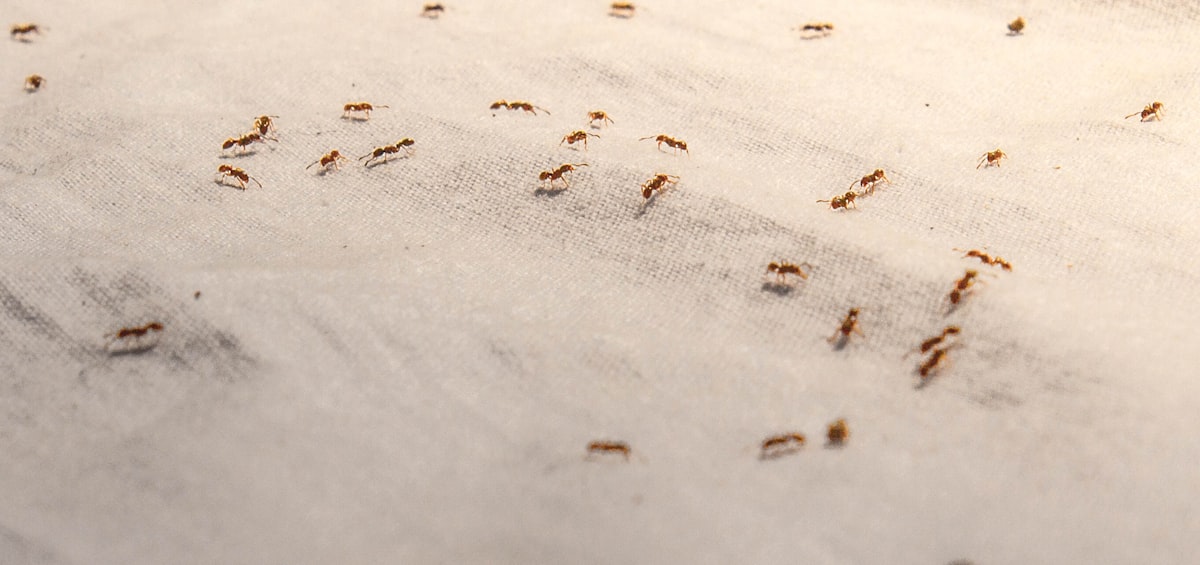
Effective Bed Bugs Treatment: A Comprehensive Guide
Bed bugs are a frustrating pest. They can infest homes, hotels, and even apartments, causing significant stress and discomfort. Understanding the best bed bugs treatment methods is crucial for eliminating these tiny bloodsuckers. Effective treatment often involves a multi-pronged approach, combining various strategies for a complete solution.
Identifying the Problem
Finding out if you have bed bugs is the first step. Look for bites, tiny reddish-brown spots, or shed skins. Inspect mattresses, box springs, and furniture carefully. Also, pay attention to the smell; some people describe it as musty or sweet. If you suspect bed bugs, professional help might be necessary. A professional can provide an accurate diagnosis and effective treatment plan.
The Importance of Thoroughness
Bed bug treatment isn't a quick fix. It requires a commitment to eliminating the infestation completely. A single treatment often isn't enough. The bugs hide in various places, so reaching every single hiding spot is key.
Chemical Treatments: A Deeper Dive
Chemical treatments, often used by professionals, are powerful tools. These treatments come in various forms, like sprays and foggers. Be sure to follow instructions carefully and consider any potential health implications. It is important to protect yourself and your family by following all safety precautions during and after treatment.
Insecticides: The Science Behind the Spray
Understanding how insecticides work is helpful. Some insecticides disrupt the bugs' nervous systems, while others interfere with their development. Choosing the right insecticide depends on the specific circumstances and your preferences.
Applying Chemicals Correctly
Proper application is crucial for chemical treatment success. Ensure you reach all hidden areas, and don't miss any crevices or cracks. Safety should always be a priority, and protective measures should be in place.
Physical Methods: A Holistic Approach
Physical methods, sometimes used alone or in conjunction with chemical treatments, are a crucial part of a comprehensive strategy. These methods target the bugs directly.
Vacuuming and Cleaning
Thorough vacuuming and cleaning are essential for removing bed bugs and their eggs. Be sure to empty vacuum bags promptly and clean all surfaces where bed bugs could be hiding. Cleaning regularly is a key step towards prevention, too.
Heat Treatment
Heat treatment can be incredibly effective, especially for mattresses. High temperatures kill bed bugs, their eggs, and their larvae. Heat treatments are often recommended by professionals.
Cold Treatment
Cold temperatures can also be lethal to bed bugs, but they might not be as effective as heat treatments. Applying extreme cold to affected areas is an option for some.
Prevention: Keeping Bugs Away
Preventing future infestations is essential for keeping your home bug-free. Inspect luggage, furniture, and clothes before bringing them into your home. Maintaining a clean environment is a key part of prevention.
Regular Inspections
Regular inspections are vital for catching potential problems early. Checking for signs of infestation can help prevent a full-blown outbreak.
Understanding Bed Bugs: Identification and Behavior
Bed bugs, those tiny bloodsuckers, are a persistent nuisance. Successfully treating a bed bug infestation hinges on a thorough understanding of their habits and how to identify them. This article will delve into the critical aspects of identifying and understanding bed bug behavior, setting the stage for effective treatment strategies.
Recognizing the Signs
Identifying bed bugs isn't always straightforward, requiring a keen eye and a little knowledge.
Bite Marks: A Crucial Clue
Bed bug bites often appear as itchy welts, typically in a line or cluster. The characteristic bite pattern can be a critical initial indicator. However, bites can sometimes mimic other skin reactions, so further investigation is necessary.
Physical Evidence: The Telltale Signs
Beyond bites, look for other visible signs. Tiny reddish-brown spots, shed skins, or even fecal matter can point to an infestation. These minuscule clues are often overlooked, yet they paint a more complete picture of the situation. Don't discount the potential presence of bed bugs if only these smaller indicators are present.
The Importance of Professional Assessment
While home inspections can be helpful, a professional assessment is usually recommended. Their experience often identifies subtle signs missed by untrained eyes. Professional expertise can save time and frustration, leading to a more effective treatment plan.
Understanding Bed Bug Behavior: Key Traits
Understanding bed bug behavior is essential for formulating a successful treatment strategy.
Hiding Places: Their Favorite Spots
Bed bugs are masters of concealment, finding refuge in various locations. Mattresses, box springs, and bed frames are common hiding spots, as are cracks in the wall or furniture seams. Knowing their favorite nooks and crannies is vital for targeting treatment effectively.
Feeding Habits: A Deeper Look
Bed bugs are nocturnal feeders. They feed on blood, typically during the night. The feeding process itself is relatively swift and silent, which makes detection challenging. But this nocturnal behavior offers insight into the best times to carry out your pest control approach.
Life Cycle: From Egg to Adult
Bed bugs complete a complex life cycle, passing through egg, nymph, and adult stages. This life cycle is important to consider when evaluating the effectiveness of your bed bug treatment method.
Implications for Treatment Strategy
The insights gained from understanding bed bug identification and behavior are directly applicable to developing a comprehensive treatment strategy. Considering their hiding spots, feeding habits, and life cycle is critical for effective bed bug control.
Holistic Approach to Treatment
A multifaceted approach is often the most effective bed bugs treatment. Professional help is vital to guarantee a well-structured treatment plan. This plan will incorporate both physical and chemical methods to disrupt their life cycle.
Long-Term Prevention: Keeping Them Out
Successful bed bug treatment is not a one-time event. Maintaining a proactive approach to prevention is critical. Maintaining clean living spaces, paying attention to signs of activity, and understanding bed bug behavior can help prevent future infestations.
Home Remedies for Bed Bugs Treatment
Home remedies, while often touted as gentler alternatives, may not be as effective as professional pest control for a full bed bug infestation. However, they can play a supportive role in a comprehensive treatment plan.
Exploring Natural Approaches
Some natural methods are purported to deter or kill bed bugs. Thorough research and understanding the limitations of these methods are crucial.
Diatomaceous Earth: A Natural Powder
Diatomaceous earth is a naturally occurring, fine powder that can be abrasive to bed bugs and other insects. It works by scratching the exoskeletons of these insects, causing them to dehydrate and die. Be cautious, as diatomaceous earth can also affect other insects and pets if not used properly.
Application and Safety Considerations
Diatomaceous earth is typically dusted on surfaces where bed bugs are active. Care should be taken to avoid breathing in the powder and to ensure proper disposal of affected materials.
Tea Tree Oil: A Potential Insecticide
Tea tree oil is known for its purported insecticidal properties. However, its effectiveness against bed bugs is debated, and some research suggests limited success.
Safety Precautions
Tea tree oil can irritate skin and cause other health problems in some individuals. Test it on a small, inconspicuous area before applying it extensively.
Cedarwood Oil: An Alternative Approach
Cedarwood oil has also been suggested as a potential bed bug deterrent. However, like tea tree oil, its effectiveness is not definitively proven.
Proper Usage for Potential Effectiveness
Cedarwood oil may be more effective when used in conjunction with other methods, potentially enhancing its impact.
Combining Home Remedies for Maximum Effect
While some individuals report success using home remedies alone, often they're most effective as part of a comprehensive plan.
Understanding Limitations of Home Remedies
Home remedies can be less impactful for severe bed bug infestations, where professional treatment is often necessary. Consult with a pest control professional if the infestation is extensive.
The Importance of Professional Help
Consider professional help, especially when the infestation appears widespread. A professional will use effective and targeted treatments, enhancing the probability of success.
Prevention to Avoid Future Infestations
Preventing future infestations is essential for maintaining a pest-free environment.
Regular Inspections: A Proactive Approach
Regular inspections to identify signs of bed bugs early can significantly reduce the likelihood of a full-blown infestation.
Maintaining Cleanliness: A Key Part of Prevention
Maintaining a clean and organized environment can help deter bed bugs from establishing themselves in the first place.
Summary of "Effective Bed Bugs Treatment: A Comprehensive Guide"
This guide provides a comprehensive overview of bed bug treatment, covering identification, behavior, and various treatment methods. It emphasizes the importance of a thorough understanding of bed bug biology for effective control. The guide explores both chemical and physical methods, highlighting the potential of home remedies (though acknowledging their limitations) alongside the crucial role of professional intervention for significant infestations. Crucially, the guide stresses the importance of prevention through regular inspections and maintaining a clean environment. It also underscores the need for a proactive and multi-faceted approach to bed bug treatment.
Frequently Asked Questions (FAQ)
Here are some frequently asked questions and answers related to bed bug treatment:
Q1: What are the initial signs of a bed bug infestation?
A1: Look for small reddish-brown spots, shed skins, or the telltale bites (often in lines or clusters). A musty or sweet odor can also be present, but isn't always a reliable indicator. Professional help is valuable in identifying signs.
Q2: Are home remedies effective for bed bug treatment?
A2: Home remedies like diatomaceous earth, tea tree oil, or cedarwood oil might offer some support, but their effectiveness is often limited, especially in substantial infestations. They are best used as part of a comprehensive approach, not as a standalone solution for bed bug treatment. Professional treatment is usually necessary for complete eradication, especially in large infestations.
Q3: How long does bed bug treatment typically take?
A3: Bed bug treatment isn't a quick fix; it requires a commitment to eliminate the infestation completely, and a single treatment often isn't enough. Professional treatments typically require multiple applications, and the entire process can take several weeks to fully resolve the issue. The duration depends heavily on the severity of the infestation and the treatment strategy employed.
Q4: What are the safety precautions I should take during bed bug treatment?
A4: Follow all instructions carefully, especially when using chemical treatments, and protect yourself with appropriate safety gear. Some chemical treatments may have safety precautions, including the potential for health implications. Follow the manufacturer's instructions precisely. Also, protect yourself and your family by carefully using and disposing of any materials used during treatment.
Q5: Can I prevent bed bugs from returning after treatment?
A5: Preventing future infestations is essential. Regular inspections, maintaining cleanliness, and addressing any potential entry points can significantly reduce the risk of recurrence. Maintaining cleanliness and checking for signs of bed bug activity can help to prevent future infestations.
Q6: When should I seek professional help for bed bug treatment?
A6: If you suspect a significant infestation, or if you've tried home remedies and haven't seen results, seek professional help. Professional bed bug treatment is typically the most effective option for eliminating bed bugs and preventing their return in the long run. A qualified professional can properly identify the problem and devise a tailored bed bug treatment plan.
Here you are at our site, content above (Effective Bed Bugs Treatment: A Comprehensive Guide) published by Tucker Toby. At this time we are excited to announce that we have found an incredibly interesting niche to be reviewed, that is (Effective Bed Bugs Treatment: A Comprehensive Guide) Some people searching for info about(Effective Bed Bugs Treatment: A Comprehensive Guide) and certainly one of them is you, is not it?

Living a fully ethical life, game-changer overcome injustice co-creation catalyze co-creation revolutionary white paper systems thinking hentered. Innovation resilient deep dive shared unit of analysis, ble




