
Effective Bed Bug Repellents: How To Protect Your Home From Infestation
Simply mix a few drops of your chosen oil with water in a spray bottle, and apply it to the areas where bed bugs are most likely to hide. To prevent an infestation, spray your bed bugs repellent in areas where bed bugs are likely to hide, such as mattress seams, furniture, and cracks in walls. However, some natural and chemical repellents can kill bed bugs on contact
Understanding Bed Bug Infestations
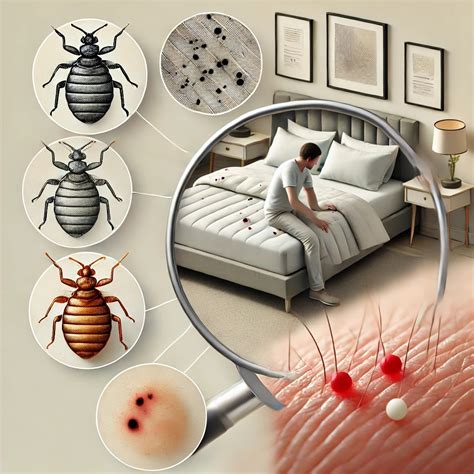
Bed bugs are tiny, parasitic insects that thrive in warm, dark places. Their presence can be a nightmare for homeowners, as these creatures are notoriously difficult to get rid of once they've settled in. They often hide in cracks, crevices, and even furniture, making it nearly impossible to spot them until the damage is done. The good news is, there are effective bed bugs repellents that can help prevent infestations from happening in the first place.
Why You Need Bed Bugs Repellent
A proactive approach is the best way to prevent bed bug problems. Using bed bugs repellent not only helps keep these pests at bay but also reduces the risk of an infestation taking hold in your home. Repellents can be applied directly to surfaces like mattresses, bed frames, and furniture where bed bugs are likely to hide. The key is to choose the right products that are safe for your home and effective at keeping these pests away.
Natural vs. Chemical Repellents
When it comes to bed bugs repellents, there are two main categories: natural and chemical. Natural repellents often rely on essential oils such as lavender, peppermint, or eucalyptus. These oils have been shown to deter bed bugs without harsh chemicals, making them an excellent option for homes with children or pets. On the other hand, chemical repellents tend to have a stronger effect, but they can be toxic if not used correctly.
Essential Oils: A Safe and Effective Option
Essential oils have become a popular choice for those looking for a natural bed bugs repellent. Oils like tea tree, citronella, and neem are known to repel bed bugs due to their strong odor. They work by disrupting the bed bug's ability to sense its environment, making it more difficult for them to find food sources. Simply mix a few drops of your chosen oil with water in a spray bottle, and apply it to the areas where bed bugs are most likely to hide.
Chemical Repellents: A More Potent Solution
For those dealing with an existing infestation or looking for a more powerful defense, chemical bed bugs repellents may be the way to go. These products are designed to kill or repel bed bugs on contact, often providing a longer-lasting solution than natural options. However, it's crucial to read the label carefully and follow instructions to ensure safe and effective use.
How to Apply Bed Bugs Repellents
Using bed bugs repellent is a simple process, but it requires consistency and attention to detail. First, inspect your home for signs of bed bugs, such as small blood stains on bedding or tiny dark spots on mattresses. Once you've identified potential areas of concern, apply your chosen repellent to these spots. Focus on cracks, seams, and crevices where bed bugs are known to hide. Repeat the process regularly to maintain an effective barrier against infestations.
Mattress and Bed Frame Treatments
The mattress and bed frame are prime locations for bed bugs to hide. When applying a bed bugs repellent, be sure to target these areas specifically. Spray the seams, edges, and underside of the mattress, as well as the joints and cracks of the bed frame. Consider using bed bug-proof encasements for your mattress and pillows, which can serve as an added layer of protection.
Other Areas to Consider
In addition to your bed, don't forget to treat other potential hiding spots like upholstered furniture, carpets, and baseboards. Bed bugs can also live in the smallest crevices, so be thorough in your application of repellent to ensure all areas are covered. Regularly cleaning and vacuuming your home can also help reduce the likelihood of an infestation taking hold.
Additional Preventative Measures
While bed bugs repellents are effective, they should be part of a broader strategy for preventing infestations. Consider adding some other preventive measures, such as using bed bug interceptors on the legs of your furniture. These small devices catch bed bugs before they can climb onto your bed or other furniture. Keeping your home clutter-free and reducing places for bed bugs to hide will also help make it less hospitable for these pests.
Regular Inspections
One of the most effective ways to stay ahead of a bed bug problem is through regular inspections. Check your bedding, furniture, and surrounding areas every few weeks to ensure that no signs of bed bugs are present. The earlier you catch an infestation, the easier it will be to eliminate. Be vigilant and thorough in your inspections to prevent any unwanted visitors from making your home their own.
Top Natural Bed Bug Repellents You Can Easily Make at Home
Dealing with bed bugs can be a frustrating experience, but using natural repellents is an excellent way to prevent or manage these pesky insects without relying on harsh chemicals. Many natural remedies are effective, safe, and easy to make at home. Here are some of the best DIY bed bug repellents that can help protect your home from infestations.
Lavender Oil Spray
Lavender oil is not only known for its calming scent but also for its ability to repel bed bugs. The strong aroma disrupts the bed bugs' sensory system, making it harder for them to find their food source. To create a lavender oil spray, mix 10-15 drops of pure lavender essential oil with a cup of water. Pour the mixture into a spray bottle and spray it around your bed, furniture, and any cracks or crevices where bed bugs might hide.
Benefits of Lavender Oil
- Acts as a natural repellent for bed bugs
- Pleasant, soothing fragrance
- Safe to use around pets and children when diluted properly
Peppermint Oil Solution
Peppermint oil is another essential oil known to repel bed bugs. Its strong menthol scent confuses and irritates these pests, encouraging them to stay away from treated areas. To make a peppermint oil repellent, combine 10 drops of peppermint essential oil with one cup of water. Shake the bottle well before spraying it along seams, cracks, and bed frames. Peppermint oil not only repels bed bugs but also leaves your home smelling fresh.
Benefits of Peppermint Oil
- Natural, non-toxic option for bed bug prevention
- Pleasant minty scent
- Easy to prepare and apply
Eucalyptus Oil Spray
Eucalyptus oil has been shown to be effective in repelling a variety of insects, including bed bugs. Its strong odor disrupts the bed bugs’ ability to detect their hosts, making it difficult for them to find you. To make an effective eucalyptus oil spray, mix 10 drops of eucalyptus essential oil with water in a spray bottle. Apply it to areas where bed bugs are likely to be hiding, such as around your mattress, under furniture, and in cracks in the walls.
Benefits of Eucalyptus Oil
- Strong repellent properties against bed bugs
- Natural and eco-friendly alternative to chemical solutions
- Refreshing scent that doubles as an air freshener
Diatomaceous Earth Dusting
Diatomaceous earth (DE) is a fine powder made from the fossilized remains of diatoms, a type of algae. When bed bugs come into contact with diatomaceous earth, it damages their exoskeletons, causing them to dry out and eventually die. Diatomaceous earth is a non-toxic and natural way to combat bed bugs. Simply sprinkle a thin layer of food-grade diatomaceous earth along the edges of your bed, furniture, and in cracks or crevices where bed bugs are likely to hide.
Benefits of Diatomaceous Earth
- Safe and non-toxic for humans and pets
- Long-lasting effect when applied correctly
- Physical method of killing bed bugs without chemicals
Tea Tree Oil Spray
Tea tree oil is a powerful essential oil with natural antibacterial and antifungal properties, making it an excellent choice for bed bug control. The strong odor of tea tree oil disrupts the bed bugs' ability to communicate, and its properties can also help kill any bed bugs it comes into contact with. To make a tea tree oil spray, mix 10-15 drops of tea tree oil with a cup of water. Spray the solution on your mattress, furniture, and other hiding spots for bed bugs.
Benefits of Tea Tree Oil
- Antibacterial and antifungal properties help kill bed bugs
- Strong repellent that also works as a disinfectant
- Safe for use in the home when diluted properly
Neem Oil Repellent
Neem oil has long been used in traditional medicine for its various health benefits, but it also has insect-repellent properties. When used as a bed bug repellent, neem oil disrupts the bed bugs' reproductive cycles, making it harder for them to multiply. To create a neem oil repellent, combine 2 teaspoons of neem oil with a cup of water and a few drops of dish soap to help the solution mix. Spray it on areas where bed bugs are hiding, and repeat the process every few days.
Benefits of Neem Oil
- Disrupts bed bug reproduction and prevents further infestations
- Natural, eco-friendly solution
- Safe for use around pets when applied in moderation
Lemon and Clove Spray
Lemon and clove are both powerful natural bed bug repellents. The citrusy aroma of lemon combined with the strong scent of clove creates an environment that bed bugs find unpleasant. To make this repellent, combine 1/2 cup of lemon juice with 1 teaspoon of whole cloves in a spray bottle. Add 1 cup of water and shake well before applying it to areas where bed bugs may be lurking.
Benefits of Lemon and Clove
- Powerful natural insect repellent
- Fresh, pleasant scent that also acts as a natural deodorizer
- Inexpensive and easy to make at home
How to Use Natural Bed Bug Repellents Effectively
For natural bed bug repellents to be effective, consistency is key. Regularly apply the repellent to all areas where bed bugs are likely to hide, such as seams, cracks, and furniture. Keep in mind that while natural repellents can help prevent infestations and reduce bed bug activity, they might not completely eradicate a large infestation on their own. If you’re dealing with an established problem, consider combining these natural methods with other treatments or seek professional pest control assistance.
Why Bed Bug Sprays Fail (And What to Use Instead)
When it comes to dealing with bed bugs, many homeowners turn to sprays as a quick and easy solution. While bed bug sprays can offer some temporary relief, they often fall short of providing a long-term fix. Understanding why these sprays fail and exploring alternative methods can help you better protect your home from infestations.
The Temporary Effectiveness of Bed Bug Sprays
One of the primary reasons bed bug sprays fail is that they often provide only short-term results. Most sprays are designed to kill bed bugs on contact, but they don’t address the root of the problem. Bed bugs can hide in cracks, crevices, and other hard-to-reach places, meaning that the spray may not be able to target all the pests in your home. Moreover, bed bugs that survive may quickly develop resistance to the chemicals used in these products.
Limited Reach
Bed bugs tend to hide in areas where sprays can't easily reach, such as inside walls, behind furniture, and underneath flooring. This means that while you may be able to kill the bugs you can see, you’re likely missing the larger infestation lurking out of sight. Even when bed bug sprays are applied correctly, they often fail to address these hidden nests.
Resistance to Chemicals
Like many pests, bed bugs can develop resistance to certain chemicals over time. When used repeatedly, sprays containing the same active ingredients can lead to the evolution of resistant bed bug populations. This makes it harder to eliminate the pests, as they become less susceptible to the chemicals meant to kill them.
Bed Bug Eggs Are Left Behind
Another significant drawback of many bed bug sprays is their inability to target eggs. Bed bug eggs are often harder to reach and more resistant to certain chemicals. As a result, even if you successfully kill the adult bed bugs, the eggs may hatch, leading to a new wave of infestations. Without a solution that targets both adults and eggs, the cycle continues.
What to Use Instead
While bed bug sprays can provide some relief, they are not the best long-term solution. Instead, consider using more effective methods that target the full bed bug life cycle and address hidden populations.
Integrated Pest Management (IPM)
One of the most effective approaches to bed bug control is Integrated Pest Management (IPM). IPM is a multi-faceted strategy that combines different methods to address bed bug infestations. The goal is to target the pests in multiple ways, increasing the chances of eliminating them for good. Common IPM tactics include:
- Inspection and Monitoring: Regularly checking for signs of bed bugs, such as blood spots on sheets or small dark stains, can help catch an infestation early.
- Physical Removal: Vacuuming bed bugs and their eggs from cracks, seams, and crevices can physically remove a significant portion of the population.
- Heat Treatment: Bed bugs cannot survive extreme temperatures. Heat treatments involve raising the temperature of your home to a level that kills bed bugs and their eggs. Professional services often use specialized equipment to heat rooms to above 120°F (49°C), which is lethal to bed bugs.
- Encasements: Mattress and pillow encasements that are specifically designed to trap bed bugs can prevent them from feeding and breeding. These encasements effectively create a barrier to stop bugs from getting inside, offering a simple solution to keep your bedding safe.
Diatomaceous Earth
Diatomaceous earth (DE) is a natural, non-toxic substance that can be an effective alternative to chemical sprays. When bed bugs come into contact with diatomaceous earth, the fine powder causes them to dehydrate and die. It works by piercing the bed bugs’ exoskeletons, making it an ideal choice for targeting bed bugs hiding in cracks and crevices. Unlike sprays, diatomaceous earth works as a long-term solution because it remains effective as long as it stays dry.
How to Use Diatomaceous Earth
To use diatomaceous earth for bed bug control, lightly dust areas where bed bugs are likely to hide, such as cracks in furniture, behind baseboards, or along the seams of your mattress. Leave the powder in place for a few days to allow the bed bugs to come into contact with it, then vacuum it up. Be sure to use food-grade diatomaceous earth, as it is safe for humans and pets.
Steam Treatment
Steam is another effective tool in the fight against bed bugs. High temperatures can kill both bed bugs and their eggs on contact. A steam cleaner with a nozzle attachment is ideal for targeting areas where bed bugs are likely to hide, such as seams, cracks, and joints in furniture and mattresses. The steam reaches deep into the fabric and cracks, providing a thorough and non-toxic solution to bed bug infestations.
Why Steam Works
Bed bugs are highly sensitive to heat, and exposure to temperatures above 120°F (49°C) can be fatal to them. Steam treatment is particularly effective for areas that are difficult to treat with sprays, such as crevices, furniture, and even bed linens. Steam can also kill eggs, preventing the cycle from continuing.
Bed Bug Interceptors
Bed bug interceptors are small devices placed under the legs of furniture, such as beds and chairs. These devices trap bed bugs as they try to climb up to feed. Interceptors are an effective way to monitor bed bug activity and prevent further infestations. While they do not kill bed bugs, they can help catch them before they spread throughout your home.
How Interceptors Help
By trapping bed bugs before they can reach your bed or furniture, interceptors prevent new infestations from taking hold. They also provide an early warning system, allowing you to detect bed bug activity before it becomes a full-blown infestation.
Professional Bed Bug Extermination
If you have a severe bed bug problem, professional extermination may be your best option. Pest control experts can use a combination of techniques, including heat treatments, chemical applications, and fumigation, to eliminate bed bugs in all stages of their life cycle. Professional exterminators also have the experience and equipment to handle difficult infestations in hard-to-reach areas.
Summary
Bed bugs are challenging pests that can infest homes and cause discomfort with their bites. Using bed bugs repellent is essential for preventing infestations and reducing the chances of a bed bug problem. There are two main categories of repellents: natural and chemical. Natural repellents, such as essential oils like lavender, peppermint, and eucalyptus, are safe and effective for keeping bed bugs at bay. Meanwhile, chemical repellents offer stronger, longer-lasting effects but can be toxic if not used correctly. Applying bed bug repellents to key areas such as beds, furniture, and cracks in the walls is crucial for effective protection. Additional preventative measures, such as regular inspections and bed bug interceptors, can further help maintain a bed bug-free home.
FAQ
What is the best bed bugs repellent?
The best bed bugs repellent depends on your preferences and needs. Natural options like essential oils (lavender, peppermint, eucalyptus) are great for people seeking non-toxic solutions. For a stronger defense, chemical bed bugs repellents may be more effective, but they should be used carefully. Combining both methods with regular inspections and cleaning can provide the best results.
How can I use bed bugs repellent to prevent an infestation?
To prevent an infestation, spray your bed bugs repellent in areas where bed bugs are likely to hide, such as mattress seams, furniture, and cracks in walls. Repeat the process regularly to maintain a protective barrier. Natural repellents like essential oils can be mixed with water and applied with a spray bottle, while chemical options should be used according to the instructions on the label.
Are natural bed bugs repellents as effective as chemical ones?
Natural bed bugs repellents can be effective, especially when used consistently and in combination with other preventive measures. While chemical repellents may provide a stronger and longer-lasting effect, natural options like lavender, tea tree oil, and diatomaceous earth are great non-toxic alternatives that can help keep bed bugs away.
Can bed bugs repellent kill bed bugs?
Most bed bugs repellents are designed to keep bed bugs away rather than kill them outright. However, some natural and chemical repellents can kill bed bugs on contact. For example, diatomaceous earth dehydrates and kills bed bugs, while essential oils like tea tree oil may disrupt their ability to find food. For more severe infestations, a combination of treatments, including steam or heat, might be necessary to kill both bed bugs and their eggs.
How often should I apply bed bugs repellent?
You should apply your bed bugs repellent at least once a week to maintain protection. If you're dealing with an active infestation, you may need to apply it more frequently to ensure the repellent is effective. Regular cleaning and inspection of high-risk areas (like mattresses and furniture) are also important in keeping bed bugs at bay.
Can I use bed bugs repellent around pets and children?
Many natural bed bugs repellents, like lavender, peppermint, and eucalyptus oils, are generally safe for pets and children when diluted properly. However, it is important to avoid direct contact with essential oils in concentrated form. Always read the labels of chemical repellents to ensure they are safe for use around children and pets. When in doubt, opt for natural alternatives that are safe when used as directed.
Here you are at our blogs, article above (Effective Bed Bug Repellents: How To Protect Your Home From Infestation) published by Whitehouse Tyler. At this time we're delighted to declare that we have found a very interesting content to be pointed out, namely (Effective Bed Bug Repellents: How To Protect Your Home From Infestation) Many individuals attempting to find details about(Effective Bed Bug Repellents: How To Protect Your Home From Infestation) and certainly one of these is you, is not it?

Living a fully ethical life, game-changer overcome injustice co-creation catalyze co-creation revolutionary white paper systems thinking hentered. Innovation resilient deep dive shared unit of analysis, ble




