
Bed Bugs On Bed: Everything You Need To Know
Shed skins, eggs, or live bugs hiding in mattress seams, bed frames, or headboards are other common indicators. Identifying their presence involves looking for signs like bites, droppings, eggs, and live bugs in mattresses, bedding, and nearby areas. Common signs include small, rust-colored stains on bedding, itchy bites on exposed skin, and visible live bugs or eggs in mattress seams and crevices
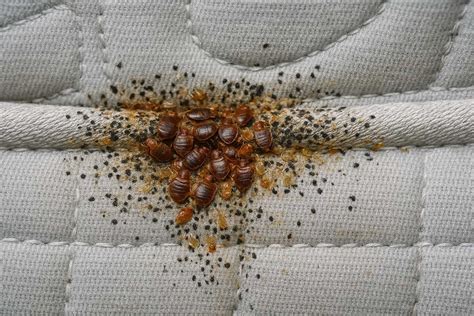
Bed bugs are small, elusive pests that thrive in homes, hotels, and other places where people sleep. They feed on blood, usually at night, and their presence on your bed can be unsettling. Understanding their behavior, signs of infestation, and how to handle them is crucial.
Signs of Bed Bugs on Your Bed
Spotting bed bugs early can make all the difference. Look for reddish-brown stains on your sheets or mattress, which might be from crushed bugs or their droppings. You might also notice small, itchy bites on your skin, often appearing in a line or cluster. Shed skins, eggs, or live bugs hiding in mattress seams, bed frames, or headboards are other common indicators.
Why They End Up on Beds
Beds are perfect for these pests due to the warmth and easy access to human hosts. While they can hide in many places, the mattress, box spring, and bedding provide the ideal combination of comfort and proximity to a food source. They typically emerge at night when you're least likely to notice them.
How to Inspect for Bed Bugs
Start by removing the bedding and carefully checking the mattress seams, tags, and piping. Use a flashlight to look for tiny cracks or crevices where they might hide. Don’t forget the bed frame, especially near joints and screws. Even nearby furniture and items like curtains or electrical outlets could harbor these pests.
Preventing Bed Bug Infestations
To reduce the risk, always check secondhand furniture for signs of bed bugs before bringing it into your home. Use mattress encasements to make it harder for bugs to settle in. Regular vacuuming and decluttering can also help minimize hiding spots. When traveling, inspect hotel beds thoroughly and avoid placing luggage directly on the bed.
Dealing with an Infestation
Once you find bed bugs on your bed, immediate action is essential. Wash and dry all bedding on the highest heat setting to kill bugs and eggs. Consider vacuuming the mattress and using a steam cleaner for deeper treatment. For severe infestations, professional exterminators might be necessary, as they have specialized tools and treatments to eliminate them completely.
Long-Term Control
Even after treatment, vigilance is key. Monitor your bed and surrounding areas regularly to catch any signs of a recurring problem. Using traps or interceptors under bed legs can provide an additional layer of protection. Keeping your home clean and clutter-free will make it harder for bed bugs to establish themselves again.
Myths About Bed Bugs
Not every pest in your bed is a bed bug. Fleas, carpet beetles, or even lint can be mistaken for them. Additionally, bed bugs don't spread diseases, but their bites can cause allergic reactions or secondary infections if scratched excessively. They also aren’t a sign of poor hygiene—they infest clean and cluttered homes alike.
When to Seek Help
Some infestations are too stubborn for DIY methods. If you notice the problem persisting despite your efforts, it’s time to consult a pest control expert. They can assess the severity and recommend tailored solutions that ensure long-term results.
Taking proactive steps and addressing the issue head-on will keep your bed and home free from these unwanted visitors.
Bed bugs have a way of slipping into our lives unnoticed, making their presence known only after they’ve already settled in. Identifying them on your bed is essential for regaining control and preventing their spread. Knowing what to look for and how to differentiate them from other pests can save you time and stress.
What Do Bed Bugs Look Like?
Bed bugs are tiny, flat, and oval-shaped insects about the size of an apple seed. Their reddish-brown color becomes more pronounced after feeding, and they have six legs and small, short antennae. Despite their size, they’re visible to the naked eye, though their ability to hide makes them hard to spot.
The Difference Between Bed Bugs and Other Pests
While bed bugs are often confused with ticks, fleas, or carpet beetles, they have distinct features. Unlike fleas, they don’t jump. Ticks have a similar body shape but are usually darker and prefer animal hosts. Carpet beetles, on the other hand, have wings and feed on natural fibers instead of blood.
Signs of Bed Bugs in Bedding
Bed bugs rarely leave obvious trails, but subtle signs can point to their presence. Small, dark specks on sheets could be droppings, while tiny white eggs or translucent nymph skins might appear near mattress seams or under the bed. Bite marks, often in clusters or rows, are another telltale sign of activity, though reactions to their bites vary.
Inspecting Your Bed and Surroundings
A thorough inspection starts with the mattress. Check along the seams, edges, and even the tag area. Use a flashlight to examine cracks in the headboard and bed frame. Bed bugs also hide in nearby furniture, behind baseboards, and even inside electrical outlets, so widen your search if needed.
Bed Bug Behavior: Why Beds Attract Them
Beds offer everything a bed bug needs: warmth, access to food, and plenty of hiding spots. They are nocturnal and prefer to feed when humans are at rest, making mattresses and bed frames their primary residence. Their flattened bodies allow them to slip into the smallest crevices, evading detection during the day.
Common Misconceptions About Bed Bugs
A spotless home doesn’t mean you’re immune. Bed bugs don’t discriminate—they’ll thrive in luxury hotels, dorm rooms, or family homes. They’re also not caused by dirt or neglect but by accidental introductions, such as traveling or bringing in infested furniture.
How to Confirm an Infestation
If you suspect bed bugs, capturing one can help confirm their presence. Use double-sided tape around bed legs or try placing traps under furniture to catch them. For further verification, pest control professionals can identify bed bugs and assess the extent of the infestation.
The Role of Early Detection
Catching bed bugs early is key to preventing a full-blown problem. A single female can lay hundreds of eggs in her lifetime, quickly leading to a widespread infestation. Regular inspections and swift action can make a significant difference.
Taking steps to identify bed bugs and understand their habits is the first step toward eliminating them for good.
Summary
Bed bugs are small, blood-feeding pests that often infest beds due to the warmth and proximity to human hosts. Identifying their presence involves looking for signs like bites, droppings, eggs, and live bugs in mattresses, bedding, and nearby areas. Preventing infestations includes inspecting secondhand items, maintaining cleanliness, and taking precautions when traveling. Treatment ranges from washing bedding at high temperatures to professional extermination. Myths about bed bugs, such as their association with poor hygiene, should be debunked. Regular monitoring and early action are crucial to keeping your home bed bug-free.
FAQ Section
What are the first signs of bed bugs on a bed?
Common signs include small, rust-colored stains on bedding, itchy bites on exposed skin, and visible live bugs or eggs in mattress seams and crevices.
How can I inspect my bed for bed bugs?
Start by removing all bedding and examining the mattress seams, tags, and corners with a flashlight. Check the bed frame, headboard, and nearby furniture for any signs of bugs, droppings, or shed skins.
Why do bed bugs prefer beds?
Beds provide the perfect environment—warmth, easy access to a sleeping host, and plenty of hiding spots. Their nocturnal nature makes them more likely to be found in and around bedding.
Can I get rid of bed bugs on my bed without professional help?
Yes, in mild cases, washing and drying bedding on high heat, vacuuming, and using steam cleaners on the mattress can help. For severe infestations, professional treatment is often the most effective option.
Do bed bugs on a bed mean my house is dirty?
No, bed bugs don’t discriminate between clean and messy homes. They’re often introduced through luggage, secondhand furniture, or other infested items, regardless of cleanliness.
Are bed bug bites dangerous?
Bed bug bites are not known to spread diseases, but they can cause itching, redness, and allergic reactions in some individuals. Excessive scratching may lead to secondary infections.
How can I prevent bed bugs on my bed after traveling?
Inspect hotel bedding before use and keep your luggage off the floor and bed. When returning home, wash and dry travel clothes on high heat and check your luggage for signs of bed bugs.
Do mattress encasements help with bed bugs on a bed?
Yes, mattress encasements can trap existing bed bugs inside and prevent new ones from infesting your mattress. Ensure the encasement is bed bug-proof and properly sealed.
Can bed bugs survive without feeding?
Bed bugs can survive for months without feeding, depending on temperature and humidity. This resilience makes them challenging to eliminate completely without thorough treatment.
When should I call a professional for bed bugs on my bed?
If DIY methods don’t resolve the issue, or if the infestation spreads to multiple rooms, it’s time to contact a pest control expert for a comprehensive solution.
Thanks for visiting our blogs, content above (Bed Bugs On Bed: Everything You Need To Know) published by Kay Zak. Nowadays we are delighted to declare we have found an incredibly interesting niche to be pointed out, namely (Bed Bugs On Bed: Everything You Need To Know) Some people attempting to find info about(Bed Bugs On Bed: Everything You Need To Know) and definitely one of these is you, is not it?

Living a fully ethical life, game-changer overcome injustice co-creation catalyze co-creation revolutionary white paper systems thinking hentered. Innovation resilient deep dive shared unit of analysis, ble




